More thoughts about the “toxicity” of donor milk, a case of Reverse Causation

After my recent post, about the study which suggested that donor milk was killing babies, I have been taking a deeper dive into the article, as I prepare a letter to the editor.

Only 2 small subsets of the infants in the database were analyzed, of the 36000 babies in the database, 1000 received only MBM and DHM, and never received any fortifier or formula from the day of birth until death or discharge. They had an enormously high mortality. They were compared to 7100 babies who received MBM and formula. That group had a mortality which is similar to other published recent standards, a survival of 69% at 24 weeks for example, similar to the 70 to 80% survival for 24 weekers during the same years in the CNN.

The most likely cause of this increased death rate in the MBM + DHM group is Reverse Causation.

Dying will make you more likely to be in the MBM + DHM group, rather than the other way around.

Deaths in extremely immature babies usually occur early. Most babies do not receive fortifier in the first few days of life. Indeed many centres wait until an infant is on full feeds, or receiving 100 mL/kg/day, for example, before starting to fortify their milk. Death before receiving much feeds, if the baby is in a centre that provides DHM to very preterm babies, and does not immediately add fortifier, will place them in the MBM + DHM group.

Survival until on mixed feeds, with either fortifier, or the addition of formula, will therefore place a baby in one of the other groups.

I started to realize this by noting that the the major causes of late mortality were not much different between groups (NEC mortality 4% vs 0.5%, and late onset sepsis episodes, 8% vs 3%) even if all the septic babies died, there is still an enormous difference in mortality. Also, when I looked in the supplemental data there was another group of 1128 infants in the patient flow chart that were “nil by mouth over the entire stay” (NPO).

If the authors of this study did the same analysis of the babies who were NPO, I think we would find that their mortality was extremely high (maybe even higher than the MBM+DHM group!); not because being NPO caused them to die, but because dying put them in the NPO group.

Just as it is unlikely that receiving DHM was a cause of the increased mortality in the MBM + DHM group, but dying early put them in the MBM+DHM without fortifier group.

We have no idea of the survival of the other groups of different feeding approaches, but my guess is that they would mostly be similar to the MBM + formula group in the publication, as they will have survived long enough to receive fortifier.

There is another group of 484 infants referred to as “Did not receive any Own Mother’s Milk” which is differentiated from the other groups such as “exclusively formula fed”. Presumably the “did not receive MBM” group only ever received unfortified DHM. My guess is that babies whose mothers did not provide MBM, and who died before the milk could be fortified, would be more likely to be in this group. So this group probably had a very high mortality also.

The authors really need to redo this completely. They could present survival curves, which I bet would clearly show that the divergence in the mortality occurred very early. They could restrict the analysis to those babies who survived until they were off TPN, or were on full feeds, or whatever the database will allow.

Right now these data are unreliable, and risk creating major concerns about an intervention that the reliable data have shown to be safe and effective.

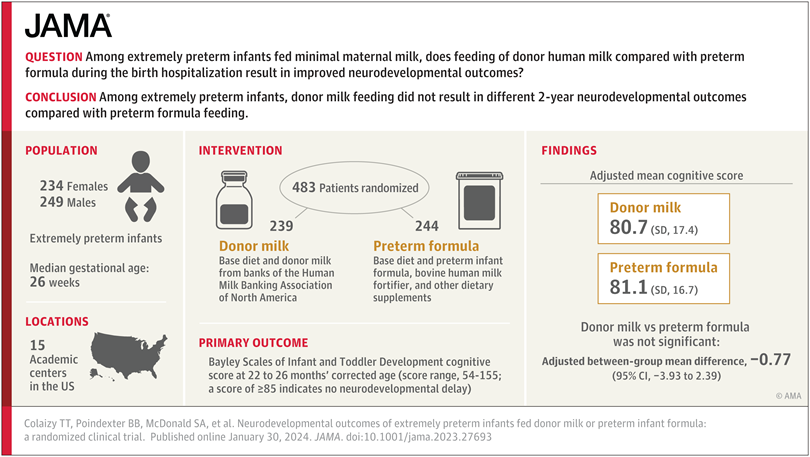
I have compared the results of this database analysis to the previous RCTs. With the addition of data from the MILK trial of the NICHD network, which has been presented, and the results are available on clinicaltrials.gov. That RCT in 483 infants <29 weeks who were not expected to receive MBM, compared formula to DHM, and showed no difference in mortality, but more NEC in the formula group, and no impact on long term developmental or neurological outcomes. I added their data to the studies in the Cochrane review, and put the Corpeleijn study in a separate group (as they gave DHM for only the first 10 days of life).

I know the authors of Chehrazi et al would never claim that it is equivalent to an RCT, but I just wanted to demonstrate how aberrant these data are.

Here is the comparison between the all-cause mortality in the RCTs and the new study

And here are the NEC results (of course Chehrazi et al reports only surgical NEC)

Both figures show that the Chehrazi data are profoundly different to the reliable data from the RCTs, which remain the only way to show causation, in the right direction!

Posted in Neonatal Research | Tagged , , , | 1 Comment

Manipulating the Microbiome

Not with human milk based fortifier, but with probiotics.

This post is a sort of intersection between some of my recent posts, human-milk based fortifier does not appear to have a positive effect on the intestinal microbiome. But exogenous probiotics do.

A recent randomized trial was performed by the Winnipeg group. They took babies who were receiving mothers milk, who were supplemented with donor human milk when needed, and randomized them to either standard fortification with a bovine milk based fortifier, or to a fortifier derived from human milk (supplied by Prolacta). It was a small study (30 babies per group) powered for microbiome changes, not for clinical outcomes. Kumbhare SV, et al. Source of human milk (mother or donor) is more important than fortifier type (human or bovine) in shaping the preterm infant microbiome. Cell Rep Med. 2022;3(9):100712.

In this trial, babies did not receive exogenous probiotics. As you can see from the graphical abstract, which is a bit simplistic for an abstract of a scientific paper, but fine for a tag in a blog, they showed no difference in microbiome composition between the groups. In a secondary analysis, the major influence on microbiome development was how much mother’s own milk they received.

In this trial the babies did not receive exogenous probiotics, just what was in their mother’s milk, or in the environment. As should be obvious, the babies all developed an intestinal microbiome, which was strongly affected by the source of the main milk feeds, but not, it appears, by the fortifier that was added to the milk.

In contrast, several other studies have examined the effects of probiotic mixtures on the intestinal microbiome.

In this randomized trial, for example, (Samara J, et al. Supplementation with a probiotic mixture accelerates gut microbiome maturation and reduces intestinal inflammation in extremely preterm infants. Cell Host Microbe. 2022;30(5):696-711 e5) the investigators in Calgary showed major impacts on the development of the microbiome (with the same probiotic mixture that we use), in 57 babies <29 weeks gestation. Even without the probiotics, the control infants sometimes became colonized with some of the same bugs anyway. T1 was prior to probiotic administration, T2 and T3 were during treatment (or equivalent age) T4 was 2 weeks after the probiotic mixture was stopped and T5 was at 6 months of age.

Another figure, from the supplemental data, shows the data more simply as the proportion of samples positive for each organism.

The authors of this study also note impacts of the probiotics on the GI microbiome beyond simply being present in the poop. As they put it, the probiotics “promote a microbial community with high interconnectivity and stability”. I don’t pretend to understand all of the complex analysis that they performed to come to this conclusion, but they did make some pretty graphics. In this graphic, they compare the microbiome composition, using something called the Bray-Curtis Dissimilarity, over those same time periods, then introduce intestinal microbiomes from healthy breastfed term babies, (about whom I struggled to find any details, eventually finding a note that they are a subset of data from another study, in Philadelphia, of vaginally delivered term babies which is investigating antibiotic impacts on the microbiome). The two curves at 1 week and 6 months, in the lower part of these figures, are identical curves from that other study.

The probiotic treated babies were more similar to the healthy breastfed babies, from the first sample after receiving probiotics.

This probiotic mixture, given to very preterm babies has measurable, apparently positive, impacts on the intestinal microbiome. In the other study, Human-milk based fortifier had no measurable effects. What is absolutely sure, they all have a huge variety of bugs in their intestines!

Posted in Neonatal Research | Tagged , , , , | Leave a comment

Interesting study, impossible results. Donor breast milk is not toxic.

Is it possible that giving artificial formula to babies will prevent 90% of the deaths of very preterm babies, compared to using donor human milk? (Chehrazi M, et al. Outcomes in very preterm infants receiving an exclusive human milk diet, or their own mother’s milk supplemented with preterm formula. Early Hum Dev. 2023;187).

The results of this study are nonsensical. If you were to accept the results of this study, then donor breast milk is the most dangerous thing we can give to preterm infants, and the more immature you are, the more dangerous it is. The study implies that all preterm infants should receive at least a bit of artificial formula, that way survival would be dramatically better!

This publication is based on data collected from the NNRD in the UK, a database of clinical information; they compared outcomes from babies under 32 weeks gestation who received only mother’s breast milk (MBM) and artificial formula, to those who only received MBM and pasteurized donor milk. There were initially 36,000 infants in the database, 8,140 of them were selected for this study based on the feeds they received, which were recorded every day. The first group received some MBM, and in addition received solely artificial formula and never received donor human milk (7,133 of them); the comparison group only received pasteurized donor milk (n=1,007) when they needed a supplement and never received bovine-milk-based fortifier (or artificial formula).

All cause mortality was 29% in the donor milk group and 1.9% in the artificial formula group.

What?

There is something seriously wrong with these data.

In Canada in the same years 2017 to 2021, among all admissions to the CNN NICUs of less than 32 weeks, mortality was between 8.3 and 7.4%. The selection of cases for this study has somehow managed to derive a group with dramatically higher, and another with dramatically lower, mortality than the CNN.

The babies who were selected to be in the human milk group apparently never received any fortifier. Which is very strange. Do large numbers of UK neonatal units treat babies of 22 to 28 weeks gestation without ever fortifying their feeds?

According to the results section, there were also 2,123 babies who never received either formula or donor breast milk, only getting MBM, and there were 9,965 who got a combination of MBM, donor milk and formula. Which leaves another 17,845 babies, who received what? The only group left seems to be exclusive formula feeding, According to this study, almost 50% of very preterm babies in the UK during this period received no MBM at all. This seems unlikely.

In the comparison group, babies received MBM and some formula, which could perhaps have been a single feed of formula, or the majority of their feeds as formula, there is no mention of fortification in this group. Infants with a single feed of fortified breast milk and the remainder being formula are placed in this group, as are infants with 99% of their feeds as unfortified breast milk, and a single formula feed.

The use of pasteurized donor milk was between zero and 43% by NICU. In our NICU, use of artificial formula in babies under 29 weeks is about 0%, since the breast milk bank opened in 2014, all babies receive MBM supplemented with donor milk up to 34 weeks, at which time they will receive formula if the baby needs a supplement. Are some NICUs in the UK selective, and choose which babies will get artificial formula?

If we look at the babies of 25 weeks gestation (results from their table 2, with some simple back calculations), there were 75 in the breast milk group (MBM and donor) who never received any fortifier, and their survival without NEC surgery was 29%, there were 167 who got at least a bit of formula, and survival without NEC surgery was 83%.

Taking this at face value, the most effective thing we could do for survival in extremely preterm infants is to give them all some formula!

The graph below shows the difference in survival, by gestational age, between the two groups, showing that there is a progressively greater difference in percentage survival as GA decreases, with a suspiciously smooth curve, and an impossibly huge difference at 23 weeks. At 23 weeks there is an extremely low survival with exclusive milk feeding of 15%, but 2/3 survival if they got some formula.

I think the most likely problem with the study is that the data about feeding composition are erroneous. The source of the data is described thus : “The NNRD is a National Information Asset containing a standard data extract (the Neonatal Data Set, an NHS Information Standard; DAPB1595) from the Electronic Patient Records of all admissions to National Health Service (NHS) neonatal units”. The accuracy of the information therefore depends on the accuracy of what is in the electronic patient records, and the precise, accurate transfer of those data from the NHS record to the NNRD, and then the coding from the daily record in the NHS record to the final group assignation in the NNRD.

At some point every single day’s record in the electronic patient record, of what source of feed was given to the baby, which may be 200 or more complex data points, is interpreted and parsed into a single variable in the NNRD. There are so many potential errors in this process that I don’t think it is possible to trust that the group assignment is reliable, without some major data verification.

Who enters the daily feed composition into the electronic record? How is it verified? What method is there for checking the accuracy of those data. If the baby had MBM for 145 days, then a day with both MBM and donor milk, and 10 days with fortified MBM, can the authors say for sure which group they would be in?

There are some other weird things about this publication.

  1. Admission body weight z-scores were similar between groups, at -0.3 versus -0.1. Discharge weight z-scores were supposedly a mean of 2.5 in the donor milk group and 4.4 in the formula group. These are the biggest preterms at discharge ever reported in the world literature. Really? 4 standard deviations above expected weight at discharge?
  2. The dietary data were collected until discharge, even though the main outcomes are determined at 34 weeks. An infant who received one feed of formula at 37 weeks (for example) would therefore be included in the formula group, whereas the human milk group apparently never received any formula, or any fortifier, from the day of birth until their discharge home.
  3. The authors state that there was significantly less BPD in the human milk group. But they calculate BPD as a proportion of the admitted babies, even though a lot of them were dead by 36 weeks! If you recalculate BPD among survivors to 34 weeks (which is in the results, although there were a few more deaths between 34 weeks and discharge (9 vs 55), I don’t know the number of survivors at 36 weeks) BPD was 18.6% in the human milk group and 19.6% in the fortifier group. In other words BPD among survivors was identical.
  4. Treated retinopathy is also calculated as a proportion of admitted babies, if you calculate as a proportion of babies who survived to discharge, it was 1.1% (rather than 0.8%) in the human milk group, and 2.3% in the formula group, which might still be “statistically significant” I don’t know. There is a typo in the 95% CI of the published unadjusted risk difference in treated RoP, which were -2.1 to “-0.0.8”, so probably very close to being non-significant.

This paper should be retracted. Unless the authors can assure readers that the group assignments were accurate. There should be an external audit of the group assignment for a couple of hundred babies, otherwise we can have no confidence in the results.

They should also redo the analysis based on what feeds were received up to 34 weeks. They could also look at the dose response. Even though they do not know the actual volumes of each source of milk given, the number of days on which a baby received each feed type would be a reasonable proxy. If they could show that the more days that a baby received donor milk was associated with a gradually increasing risk, then this could give a degree of confidence in their analysis.

I do agree with the authors that the data regarding the benefits of human door milk is somewhat soft. But this article does not help. As it is, I have no confidence that these data are reliable, or that these analyses reflect reality.

Posted in Neonatal Research | Tagged , , , | 6 Comments

The preterm GI tract is not sterile

The FDA are at it again, they seem to be on a mission to go after suppliers of probiotics for preterm babies, and have now attacked Abbott. They appear to have demanded that they stop marketing their probiotic product, as it is not an approved medication, and could be considered an adulterated food product that is not GRAS (Generally Regarded As Safe).

I don’t know if it will be possible to get the FDA to back off. They need to realize that all breast-fed babies are already receiving probiotics. In a completely unregulated way. Every baby that gets unpasteurized breast milk is getting some sort of bifidobacteria, and probably lactobacilli, as well.

If breast-milk isn’t GRAS, I don’t know what is!

Bifidobacteria are usually present in fresh breast milk, although sometimes in very small amounts, and mixed with a huge variety of other organisms, the microbiome of milk varies between individuals and varies around the world, and it seems to be changing over time. Even among babies whose mothers’ milk contains few bifidobacteria, the infants become overwhelmingly colonized with bifidobacteria within a few days, for as long as they are breast fed. Babies born by cesarean delivery, and/or who receive antibiotics in the neonatal period, develop a very different microbiome, which I don’t think is too far of a stretch to call “abnormal”; there is an increased frequency and relative abundance of various pathogens, including E. Coli, Klebsiella, and others.

Once a baby is admitted to the NICU, if we consider the preterm at risk of NEC, intestinal bacterial colonization proceeds with the organisms present in the environment, on the equipment, and in their feeds.

I think of administering probiotics, Florababy(TM) in the case of our NICU, as an attempt to push the microbiome towards normality. I know that despite routine administration of probiotics, the microbiome of the babies in my NICU will remain abnormal, and we will still have cases of late-onset sepsis and NEC. Even, occasionally, of sepsis caused by the organisms that we give purposefully. But we cannot avoid giving the babies enteral organisms! They will become colonized whatever we do, and without probiotics the balance will be more towards pathogens.

Nolan LS, et al. The Role of Human Milk Oligosaccharides and Probiotics on the Neonatal Microbiome and Risk of Necrotizing Enterocolitis: A Narrative Review. Nutrients. 2020;12(10).

The best way to nudge the intestinal microbiome towards being normal is to :

  1. Ensure that all the babies receive unpasteurized mother’s own milk as soon as possible after delivery. There may be additional benefits of using colostrum for the first feeds.
  2. Avoid antibiotics, or limit them to the fewest babies for the shortest time possible
  3. Continue to feed with mother’s own milk, or if unavailable/insufficient, use donor human milk
  4. Administer a high-quality probiotic preparation. My best guess is that it should contain B longum ssp infantis, and at least one other organism, perhaps Lactobacillus rhamnosus

Adding human milk oligosaccharides, HMOs, especially DSLNT (disiallylo-N-tetraose) improves colonization with Bifidobacteria, and further normalises the microbiome. It is fascinating to reflect on the fact that human milk contains oligosaccharides that humans cannot metabolise! They make up a major proportion of the solids in breast milk. Bifidobacteria have a unique pathway, the Fructose-6-Phosphate Phosphoketolase system, that allows them to metabolize those HMOs, and as a result to downregulate inflammation. They create communities in our guts where multiple species co-operate, which has been referred to as “altruistic” behaviour.

In the future, I think that additional specific HMOs will probably be added to my list of microbiome interventions; if the FDA permit it.

One thing we cannot do, and should not try, is to keep the preterm infant’s GI tract sterile. Trying to ensure the most normal possible microbiome is an essential part of care of the extreme preterm. The FDA’s interventions will only ensure that intestinal colonization is more random, with more pathogens, and more cases of NEC will follow. The FDA seem really to want to kill preterm babies. The lack of insight into the impact of this intervention is startling.

As far as I can see, there is no current pathway for the approval of probiotics for administration to preterm infants. It should be a major priority of the FDA to create and facilitate such a pathway, this is an urgent need for preterm babies. And to back off from those who are currently supplying high-quality products in the interim.

Here are some of the references I used for this post.

Nolan LS, et al. The Role of Human Milk Oligosaccharides and Probiotics on the Neonatal Microbiome and Risk of Necrotizing Enterocolitis: A Narrative Review. Nutrients. 2020;12(10).
Egan M, Van Sinderen D. Carbohydrate Metabolism in Bifidobacteria. The Bifidobacteria and Related Organisms. 2018. p. 145-64.
Moossavi S, et al. Composition and Variation of the Human Milk Microbiota Are Influenced by Maternal and Early-Life Factors. Cell Host Microbe. 2019;25(2):324-35 e4.
Henrick BM, et al. Elevated Fecal pH Indicates a Profound Change in the Breastfed Infant Gut Microbiome Due to Reduction of Bifidobacterium over the Past Century. mSphere. 2018;3(2):10.1128/msphere.00041-18.
Kumar H, et al. Distinct Patterns in Human Milk Microbiota and Fatty Acid Profiles Across Specific Geographic Locations. Front Microbiol. 2016;7:1619.
Jeurink PV, et al. Human milk: a source of more life than we imagine. Beneficial microbes. 2013;4(1):17-30.
Biagi E, et al. The Bacterial Ecosystem of Mother’s Milk and Infant’s Mouth and Gut. Front Microbiol. 2017;8:1214.
Notarbartolo V, et al. Composition of Human Breast Milk Microbiota and Its Role in Children’s Health. Pediatr Gastroenterol Hepatol Nutr. 2022;25(3):194-210.
Chang CM, et al. Effects of Probiotics on Gut Microbiomes of Extremely Preterm Infants in the Neonatal Intensive Care Unit: A Prospective Cohort Study. Nutrients. 2022;14(15).
Baucells BJ, et al. Effectiveness of a probiotic combination on the neurodevelopment of the very premature infant. Sci Rep. 2023;13(1):10344.
van Best N, et al. Influence of probiotic supplementation on the developing microbiota in human preterm neonates. Gut Microbes. 2020;12(1):1-16.
Larke JA, et al. Preterm Infant Fecal Microbiota and Metabolite Profiles Are Modulated in a Probiotic Specific Manner. J Pediatr Gastroenterol Nutr. 2022;75(4):535-42.
Saturio S, et al. Role of Bifidobacteria on Infant Health. Microorganisms. 2021;9(12).
Patangia DV, et al. Impact of antibiotics on the human microbiome and consequences for host health. Microbiologyopen. 2022;11(1):e1260.
Murphy K, et al. The Composition of Human Milk and Infant Faecal Microbiota Over the First Three Months of Life: A Pilot Study. Sci Rep. 2017;7:40597.

Posted in Neonatal Research | Tagged , , , , , | 4 Comments

How to express negative results… or positive ones

After any trial result, there is always a possibility that the true effect of an intervention is different to that shown in the sample who were studied. That is the whole rationale behind using statistics, a trial on a small sample will usually be compatible with a wide range of possible effects if the entire population had been treated. Exactly how to express the results of a negative trial is an ongoing debate.

Three simultaneously published trials in JAMA were all negative, that is they all showed no clear benefit of the intervention. The first was a multi-centre randomised trial in adults who are receiving assisted ventilation after a trauma (Albert RK, et al. Sigh Ventilation in Patients With Trauma: The SiVent Randomized Clinical Trial. JAMA. 2023). The intervention group had added sigh breaths, to reduce atelectasis, up to 35 cmH2O every 6 minutes. The primary outcome was ventilator-free days up to 28 days after admission, Which was scored as 0 if the patient died, and up to 28 if they were extubated immediately. The main results are presented thus

“The unadjusted mean difference in ventilator-free days between groups was 1.9 days (95% CI, 0.1 to 3.6) and the prespecified adjusted mean difference was 1.4 days (95% CI, −0.2 to 3.0). For the prespecified secondary outcome, patients randomized to sighs had 28-day mortality of 11.6% (30/259) vs 17.6% (46/261) in those receiving usual care (P = .05)”

The interpretation is that there might indeed be a benefit of sighs, based largely on the 28 day mortality outcome.

“…the addition of sigh breaths did not significantly increase ventilator-free days. Prespecified secondary outcome data suggest that sighs are well-tolerated and may improve clinical outcomes.”

The second trial was in adults with septic shock who were tachycardic (Whitehouse T, et al. Landiolol and Organ Failure in Patients With Septic Shock: The STRESS-L Randomized Clinical Trial. JAMA. 2023); there are some observational data to suggest that such patients benefit from slowing down the catecholamine induced tachycardia with beta-blockade. So they performed this multi-centre RCT of landiolol with the primary outcome of “the mean Sequential Organ Failure Assessment (SOFA) score from randomization through 14 days. Secondary outcomes included mortality at days 28 and 90 and the number of adverse events in each group.” There was no difference in the SOFA scores, but the trial was stopped as the mortality was somewhat increased with the beta-blocker

“The mean (SD) SOFA score in the landiolol group was 8.8 (3.9) compared with 8.1 (3.2) in the standard care group (mean difference 0.75 [95% CI, −0.49 to 2.0]; P = .24). Mortality at day 28 after randomization in the landiolol group was 37.1% (23 of 62) and 25.4% (16 of 63) in the standard care group (absolute difference, 11.7% [95% CI, −4.4% to 27.8%]; P = .16). Mortality at day 90 after randomization was 43.5% (27 of 62) in the landiolol group and 28.6% (18 of 63) in the standard care group (absolute difference, 15% [95% CI, −1.7% to 31.6%]; P = .08)”

Quite a large increase in mortality, in the “wrong” direction, but no “statistically significant” difference. Their interpretation:

landiolol “did not reduce organ failure measured by the SOFA score over 14 days from randomization. These results do not support the use of landiolol for managing tachycardia among patients treated with norepinephrine for established septic shock”

The third report is from the addition of 2 similar RCTs, in patients hospitalised with COVID, of the administration of vitamin C (Lovit-Covid Investigators, et al. Intravenous Vitamin C for Patients Hospitalized With COVID-19: Two Harmonized Randomized Clinical Trials. JAMA. 2023). Although previous investigations of Vitamin C use for critically ill patients have shown no benefit and its use has been largely abandoned, there was a SR and meta-analysis with a large number of tiny trials that showed the possibility of reduced mortality for COVID-19. Hence these two trials of intravenous vitamin C, one by the amazing Canadian Critical Care Trials group, the LO-VIT-COVID trial, and the other was the vitamin C arm of the REMAP-CAP trial “Both trials prospectively adopted the same intervention, outcomes, statistical analysis plan, and reporting, but the control groups were different. The LOVIT-COVID trial used a placebo for the control group and the REMAP-CAP trial used no vitamin C for the control group.”

The primary outcome was a composite of organ support–free days defined as days alive and free of respiratory and cardiovascular organ support in the intensive care unit up to day 21 and survival to hospital discharge. Values ranged from –1 organ support–free days for patients experiencing in-hospital death to 22 organ support–free days for those who survived without needing organ support.

I will reproduce the majority of the results section of the abstract here, I think it is a model of clarity.

Enrollment was terminated after statistical triggers for harm and futility were met.

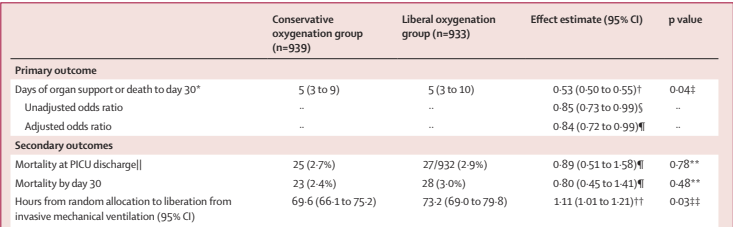
Among critically ill patients, the median number of organ support–free days was 7 (IQR, −1 to 17 days) for the vitamin C group vs 10 (IQR, −1 to 17 days) for the control group (adjusted proportional OR, 0.88 [95% credible interval {CrI}, 0.73 to 1.06]) and the posterior probabilities were 8.6% (efficacy), 91.4% (harm), and 99.9% (futility). Among patients who were not critically ill, the median number of organ support–free days was 22 (IQR, 18 to 22 days) for the vitamin C group vs 22 (IQR, 21 to 22 days) for the control group (adjusted proportional OR, 0.80 [95% CrI, 0.60 to 1.01]) and the posterior probabilities were 2.9% (efficacy), 97.1% (harm), and greater than 99.9% (futility). Among critically ill patients, survival to hospital discharge was 61.9% (642/1037) for the vitamin C group vs 64.6% (343/531) for the control group (adjusted OR, 0.92 [95% CrI, 0.73 to 1.17]) and the posterior probability was 24.0% for efficacy. Among patients who were not critically ill, survival to hospital discharge was 85.1% (388/456) for the vitamin C group vs 86.6% (490/566) for the control group (adjusted OR, 0.86 [95% CrI, 0.61 to 1.17]) and the posterior probability was 17.8% for efficacy.

To clarify, the word “futility” has a definition in the statistical analysis section of the supplemental data, and has to do with the posterior probability of an advantage of vitamin C with an OR of >1.2 or more (I think), which these trials show is extremely unlikely. The first sentence of the discussion says it well:

In this large, harmonized, multinational randomized clinical trial, vitamin C administered to hospitalized patients with COVID-19 did not improve organ support–free days or hospital survival. On the contrary, there were high posterior probabilities (>90% for organ support–free days and >75% for hospital survival) that vitamin C worsened both outcomes in critically ill patients and those not critically ill.

As you can tell from the way the results are presented, these are Bayesian analyses, which give the probability of the real impact of an intervention, based on the prior probability (in this case, this was considered neutral) and the findings of the trial. Although there is overlap in the results from the 2 groups using traditional analysis, (“not statistically significant”), the Bayesian probabilities show it is unlikely that vitamin C is helpful, and most likely that it is, in fact, harmful.

The 3 trials are therefore reported as “no difference, but might be better than control”, “no difference, but might be worse than control”, and “probably worse, but almost certainly not better than control”. I must say I think that the Bayesian outcome presentation gives a better understanding of the likelihood that outcomes are worse with IV vitamin C. The other trials would have benefited from a posterior calculation of how likely it is that sighs improve survival (looks to be moderately likely, with a low likelihood of harm, I would guess), or how likely it is that beta-blockade is harmful (looks quite likely, and really unlikely to be beneficial). Also interesting is the primary outcomes used for the first trial. Duration of ventilator dependence and death are both part of the outcome, I am unsure how likely eventual survival is in adults who still need ventilation at 28 days after trauma, but you can see from these survival curves that there is almost no-one left intubated and alive by 24 days. This looks to me like a composite outcome that I could buy into, for this population.

Despite them being negative, or null trials, I think they will inform future practice, with sighs probably having a place in routine care of ventilated trauma patients, but not vitamin C for COVID, and especially not beta-blockade for tachycardia in septic shock.

The trial of late hypothermia among infants with HIE who didn’t arrive in time to start prior to 6 hours was also presented with a Bayesian analysis, which showed that, even though there was a null result by regular statistics, hypothermia was likely to be preferable for death or disability, with a posterior probablity of 76% of benefit. Laptook AR, et al. Effect of Therapeutic Hypothermia Initiated After 6 Hours of Age on Death or Disability Among Newborns With Hypoxic-Ischemic Encephalopathy: A Randomized Clinical Trial. JAMA. 2017;318(16):1550-60. That sort of analysis can gives us some confidence (an exact degree of confidence) that cooling is beneficial even if started a little after 6 hours.

Posted in Neonatal Research | Tagged , | Leave a comment

On which Planet? Reducing platelet transfusions in the newborn.

Recent publications about platelet transfusions in the newborn.

Hopefully, everyone has integrated the findings of Planet-2 into their protocols and guidelines. Curley A, et al. Randomized Trial of Platelet-Transfusion Thresholds in Neonates. N Engl J Med. 2019;380(3):242-51. This trial, in preterm newborns <34 weeks with any cause of thrombocytopaenia, apart from those with a recent major bleed, showed that a transfusion threshold of 25,000 led to fewer complications, including less bleeding, than transfusion at a more liberal threshold, of 50,000. The trial excluded babies who had a pre-existing “major IVH” which was defined by an intraventricular bleed with dilatation, or an intraparenchymal bleed of more than 2 cm maximum diameter on an ultrasound taken within 6 hours of randomization.

Picture copied from Wikipedia

A publication from our NICU (Zabeida A, et al. Platelet transfusion practice pattern before and after implementation of a local restrictive transfusion protocol in a neonatal intensive care unit. Transfusion. 2023;63(1):134-42) showed that our new guidelines, which mimicked the entry criteria for Planet-2, decreased the proportion of babies getting platelet transfusions, among all NICU admissions, from 9% to 5%, and eliminated the small number of babies who had previously sometimes received more than 3 transfusions. We were able to abide by the protocol for 70% of the transfusions, with some of the 20 transfused babies receiving transfusions at higher threshold because of active NEC, or being acutely postop. Three babies received transfusions because of low platelet counts (above the threshold) after ibuprofen treatment, and the concern that the ibuprofen causes platelet dysfunction, and there were 3 other protocol “violations” for different reasons.

Another publication, this time from Bob Christensen’s group, (Bahr TM, et al. Platelet Transfusions in a Multi-Neonatal Intensive Care Unit Health Care Organization Before and After Publication of the PlaNeT-2 Clinical Trial. J Pediatr. 2023;257:113388) did not show a reduction in the proportion of babies receiving a platelet transfusion; 2/3 of the transfusions in their study, even after the guideline change, were given with platelet counts above 25,000. They did have some minor trends to reduced utilisation of platelets, (13 babies transfused per 1000 admissions compared to 16 before) but not what they were expecting.

These are the guidelines before and after the change

As you can see in this extract from their results table, most transfusions were still being given above 25,000

Another study, from a couple of years ago, also studied platelet transfusion before and after a more restrictive guideline, that guideline also has a threshold of 50,000 for infants considered to be at risk of IVH, (<28 weeks and <7 days). In contrast to the above study, they showed a dramatic reduction in platelet transfusions, from 25 per 100 admissions to 12. (Davenport PE, et al. Implementation of a neonatal platelet transfusion guideline to reduce non-indicated transfusions using a quality improvement framework. J Perinatol. 2021;41(6):1487-94), few of which were outside of their new guidelines. The justification given for the higher threshold in their guideline among infants at risk of IVH was “since the average time of randomization in the trial was day of life 7, and 39% of infants received a platelet transfusion prior to randomization, it was possible that these transfusions were given during the highest risk period for ICH”.

Long term follow up of the babies in the Planet-2 trial (Moore CM, et al. Two-year outcomes following a randomised platelet transfusion trial in preterm infants. Arch Dis Child Fetal Neonatal Ed. 2023;108(5):452-7) has now been published. The original publication reported death up to 28 days, but as far as I can see, nowhere does it report the total number of survivors per group, which should be mandatory, surely, for any RCT. The best I can find is a table in the supplemental materials, that shows the number of deaths which followed a Serious Adverse Event was 52 in the restricted, and 58 in the liberal transfusion group. In the 2 year follow up, the mortality before 2 years was 70 vs 91 (<25,000 threshold group vs <50,000 group), so there were either a lot of deaths after discharge, or a lot of deaths that were not considered a serious adverse event!!!

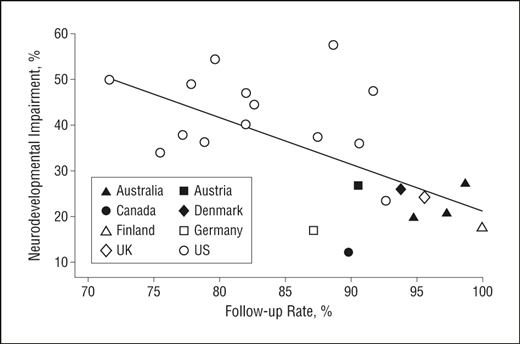
Among the survivors, there were a few more adverse outcomes for each outcome in the higher transfusion threshold group. There were 13% with CP compared to 10%, and slightly more with blindness, deafness, and seizure disorder. An important outcome which they reported was called “global developmental delay”, this was assessed variously, sometimes by formal testing, but often by an informal assessment conducted by a health care professional, who found the infant to be more than 9 months delayed in their development. I am very unsure how reliable this is as a method for determining “global developmental delay”, but I don’t think there is a good reason to suppose that the reliability would differ between groups; 44% vs 33% were given this appellation, with, again, the liberal, higher threshold, transfusion group being worse off.

There were also many more infants on oxygen (or respiratory support) at 2 years of age from the liberal transfusion group, 11% vs 4%. This is pretty serious lung injury, with more than twice as many infants being affected in the higher threshold group.

Given all of these adverse outcomes in the higher threshold transfusion group, and the lack of acute clinical benefit, you really need a good justification for transfusing above 25,000. It often takes a while to change clinical practice, and there may be occasional reasonable indications for transfusing earlier. Evidence-based protocols almost always improve practice and outcomes, they should be applied thoughtfully, and the impacts evaluated in day-to-day practice.

Given the lack of any benefit, and the higher risk of bleeding, with earlier platelet transfusions, and the concern that the results may not be applicable to babies at highest risk of IVH, or at-risk of extension of a previous major IVH, we need more trials. A trial that enrolled babies at birth, and/or which included babies with pre-existing severe intracranial haemorrhage, and/or examined even lower thresholds, would be feasible, and I think acceptable to many. One day we will know when to transfuse platelets, on this planet!

Posted in Neonatal Research | Tagged , , | 2 Comments

Addressing Prognostic Uncertainty

I recently gave a presentation to the Pediatrix consortium which was based on our review article about the approach to take after diagnosis of a serious intracranial haemorrhage (ICH) in the very preterm infant. (Chevallier M, et al. Decision-making for extremely preterm infants with severe hemorrhages on head ultrasound: Science, values, and communication skills. Semin Fetal Neonatal Med. 2023;28(3):101444)

I first reviewed of the prognostic accuracy of severe ICH, making the point that there are 3 different types of haemorrhage which are all called grade 3. That is, those intraventricular haemorrhages that fill more than 50% of a lateral ventricle, those which acutely distend the ventricle, and those where there is blood in the ventricle and early post-haemorrhagic distension of the ventricle. These 3 types of grade 3 ICH may have different pathophysiology, and different prognostic implications, and, usually, it is not clear from a publication describing outcomes what they are including in their definition. The wording of the original system of classification by Lu-Ann Papile et al (based on CT scans) is somewhat ambiguous (“intraventricular hemorrhage with ventricular dilatation”), but the image was shown as an example in that publication, which I reproduce here, is of an ICH with acute haemorrhagic distension of the ventricle. In addition, bilateral and unilateral haemorrhages are put in the same category, and massive distension of the ventricles is lumped with those which have a minor degree of dilatation.

Grade 4 ICH, or intraparenchymal haemorrhage (IPH), is even more variable, with a small echodense spot being put in the same category, in almost all follow up studies, as massive bilateral bleeding with midline shift. There are systems to grade severity among IPH, (many of which are associated with ipsilateral lower grade haemorrhages, and may in that case be referred to as PVHI (peri-ventricular haemorrhagic infarction)). The Bassan system has been used the most. In that system, an ultrasound showing IPH is scored 0 or 1 for each of 3 features, IPH affecting more than one brain region, midline shift, and bilateral bleeding. Thus a grade 4 can have a score of 0, or up to 3.

This figure, form the Bassan study, shows how the brain regions are defined, based on imaginary lines drawn around the thalamus, and the relative proportions according to location.

There is never certainty in prognosis. That is a simplistic truism in all of medicine (or all of life!) but it is particularly true after ICH in preterm babies. Given the limited data we have, grade 3 hemorrhages, which are not accompanied by an IPH and are not followed by post haemorrhagic ventricular dilatation (PHVD), probably have little impact on development or motor function.

Grade 3 haemorrhages with subsequent progressive dilatation have impacts on motor function, and probably on language and cognitive development, but, in the absence of IPH these effects are relatively small, especially if early derivation is performed.

IPH outcomes vary between no impact and major global delay with tetraplegic CP. For an individual baby, the correlation between location and extent of the IPH on ultrasound and motor or developmental outcome is limited, and very variable in the reports. For example it has been reported that anterior IPHs are more likely to be associated with CP, or posterior IPHs, or that there is no effect of location. There seems to be an association between extent of the lesion and the presence of more severe developmental problems in the long term, and the Bassan classification does show some gradation in outcomes, IPH which score 0 or 1 having no major impact on long term outcomes, and those of 2 or 3 being associated with an increased risk of… you got it , “NDI”! In all the studies however, even the worst IPH may be followed by only mild long term abnormalities.

Several studies show that outcomes are affected more by other complications of neonatal care than they are by ICH. For example, this figure (Merhar SL, et al. Grade and laterality of intraventricular haemorrhage to predict 18-22 month neurodevelopmental outcomes in extremely low birthweight infants. Acta Paediatr. 2012;101(4):414-8) shows that a bilateral IPH in a baby who does not receive dexamethasone, and does not have an episode of sepsis, has a better prognosis (in terms of proportion with “NDI”) than a baby with bilateral sub-ependymal haemorrhage who has both of those factors.

What to do with these uncertainties? It would be simple to never make a decision, and only concentrate on the prognostic uncertainty. “We can never know for sure” is an important thing to say, but it doesn’t mean that should ignore a major increase in risk for an individual. There is no finding on head ultrasound that universally predicts a profoundly limited outcome. For example, in a study from Western Australia, evaluating another severity scoring system, the one child with the maximum possible score, which is assigned to bilateral haemorrhage affecting multiple regions on each side and with midline shift, had only minor impairment.

One way of dealing with this is to ensure that parents know that they can dispose of all of our best information, if they wish. Katherine Callahan just published this piece in JAMA (Callahan KP. Discarding Information. JAMA. 2023), describing interactions in which the carefully prepared decision aids, and nuanced documents, trying to explain risks, are sometimes binned by parents, she suggests that that is just fine, that we should say to parents: “You deserve this information, but you also deserve to know it is not perfect. You can choose to discard it”.

As I suggested in my Pediatrix talk, the most important decisions in our lives are not usually rational. Getting married, having kids, or adopting, deciding on a career; these are all things that we decide on without necessarily listing pros and cons, adding the weights of each one, and then making an evidence-based decision. For these major decisions, we usually go with our heart, and what we hope will create the most happiness and fulfillment for the future. Sometimes, as health care workers we are upset that parents make what we consider to be irrational decisions; but a perfectly rational, unemotional decision can only be made by individuals who would not be competent to be parents. (For a really interesting discussion about this, you could read Charland LC. Is Mr. Spock mentally competent? Competence to consent and emotion. Philos Psychiatr Psychol. 1998;5(1):67-81).

A new systematic review of the outcomes of neonatal stroke (Giraud A, et al. Long-term developmental condition following neonatal arterial ischemic stroke: A systematic review. Arch Pediatr. 2023). points out the uncertainties of prognostication in those babies also. They include this figure, as a suggested tool for counseling parents about prognosis.

There is a lot to like about this figure, especially the last section introducing things parents can do to promote development, but I am unsure about the reliance on percentages. Many people, physicians included, don’t understand what percentages like those mean for an individual child. There are studies to show that rates of outcomes are better understood than proportions. It is probably generally better to talk about how many children, out of a hundred children with a stroke, will have no learning difficulties in primary school, and how many will have difficulties.

The review article points out the high frequency of neurological or developmental concerns, but in fact most of the babies in the cohorts were functioning well. The first 4 lines on that figure about child development are all about the negative outcomes, even though they are a minority. Why not state them as positives?

“Of 100 children who had a brain problem like your child, 90 of them will go to normal school, but 10 will need special help with schooling. 70 out of every 100 children will do well at school, but 30 will have learning difficulties” might be easier to understand and focuses on the positive outcomes, experienced by the majority of children.

The plasticity of the neonatal brain makes our job, as prognosticators, more difficult and more uncertain than at any other age. Much of what is important in long term outcomes is invisible on brain imaging. From details of brain interconnections, to the rewiring of damaged regions, to family connections, parental interactions, how many books the family owns, attitudes to impairment, and future educational improvements; indeed all of the environmental influences on outcomes, that we can know little about in the NICU.

It is vital that we learn more about those other influences on outcomes and how to use them, but prognostication will always be uncertain, especially in the neonatal period, and even more so in the first few days after birth. We must be honest and transparent, and recognize and express the uncertainties with parents, while never minimizing their hope.

There is always room for hope, which may need to be adjusted but never destroyed. Hope in parents is associated with improved quality of life (Nordheim T, et al. Hope in Parents of Very-Low Birth Weight Infants and its Association with Parenting Stress and Quality of Life. J Pediatr Nurs. 2018;38:e53-e8), and parental peer support groups seem to enhance hope among participants (Dahan S, et al. Community, hope and resilience: parental perspectives on peer-support in Neonatology. J Pediatr. 2021;243:85-90 e2). Shared decision-making is enhanced when caregivers and parents share hope (Koch A, et al. Crossroads of parental decision making: Intersections of hope, communication, relationships, and emotions. Journal of child health care. 2023;27(2):300-15).

In “Candide”, Voltaire’s character Pangloss is a tutor of philosophy who believed that “all is for the best in this best of all possible worlds”, despite the evidence all around him, of the Lisbon earthquake which killed tens of thousands, and the Seven Years War which was raging. We must, in contrast remain reasonable and aware of the difficulties of some of those with major brain injury. We can express and inform parents about the range of possible, and likely, outcomes after a brain injury, while also recognizing the uncertainty of the future.

Posted in Neonatal Research | Tagged , , | Leave a comment

Closing the PDA… or leaving it alone?

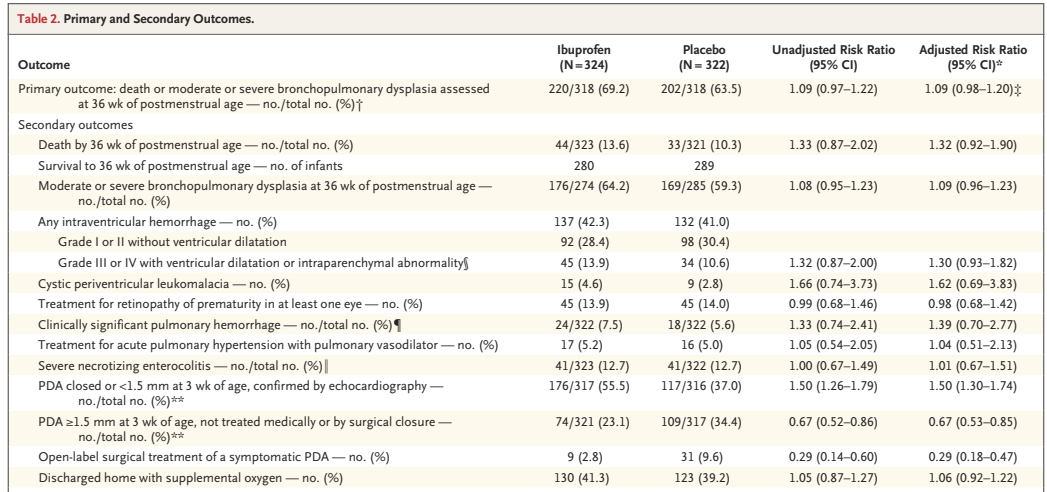
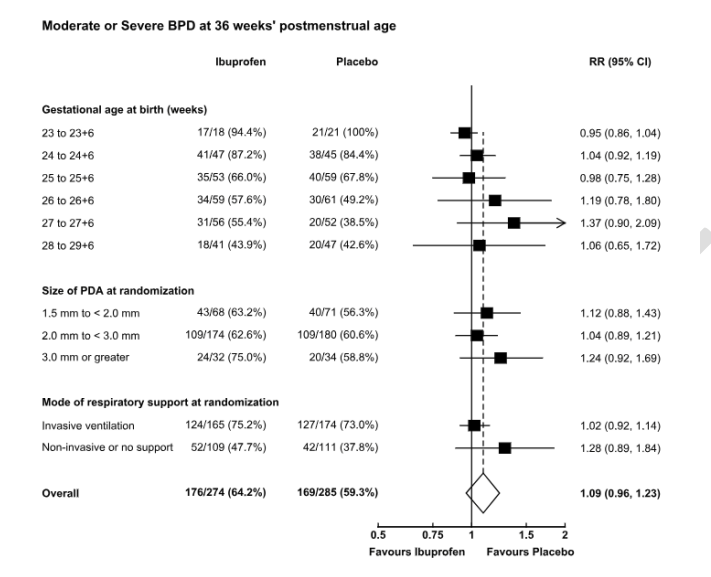
Two new publications, in the Journal of Pediatrics, report trends in definitive closure of the PDA. This is a subject that I haven’t written about much on the blog, I wrote about the Beneductus trial last year, which was an RCT of early ibuprofen treatment of large PDA between 24 and 72 hours of age, compared to expectant management, without cox inhibitors, but with eventual surgical closure if needed. But I haven’t posted often about the PDA, and never, I think, about surgical/catheter closure.

You can see from the CNN 2021 report that there has been a dramatic reduction in definitive closure of the PDA (with surgery or a “device”) across Canada over the previous 11 years.

I guess for me the subject is murky, but as far as I can see through the murk, there is no clear indication for closing any PDA in the preterm. Outcomes between active treatment approaches and very restrictive approaches are quite similar. There is a very recent systematic review (Cheema HA, et al. Expectant management of patent ductus arteriosus for preterm infants: a meta-analysis of randomized controlled trials. Am Heart J. 2023) that examined clinical outcomes in trials which compared active therapy to trying to leave the PDA alone. They arbitrarily decided to include only trials with <25% rate of active treatment in the control group, I don’t know why 25% was the magic number. They showed no benefit of active treatment on mortality (all cause) or NEC, these 2 Forest plots are of mortality, and then NEC. (The figures are copied from the pre-proof, hence the watermark, or from the on-line supplement).

They found 7 trials that fit their criteria, 4 of them had very low rates of treatment among controls, between 0.7% (the Beneductus trial) and 8%. One of the trials was an RCT of prophylactic indomethacin, without confirmation of the presence of a PDA, so it was not an RCT of different approaches to the PDA.They also (Nair 2004) did not report the rate of treatment in controls, and it should really not have been included in this SR. Van Overmeire’s trial had a 24.8% rate of control treatment with cox inhibitors.

The review shows an increase in BPD with active treatment, as this Forest plot shows

The 95% confidence intervals cross the line of no difference, however, and if you delete the trial from Nair, with unknown control treatment rate, and unknown PDA status at the start of the trial, and Van Overmeire, with 25% treatment of the controls, then there is probably not likely to be a major impact on BPD one way or the other, but it seems that there is unlikely to be an improvement in BPD.

The following data from Pediatrix, (Shah ZS, et al. Trends in Procedural Closure of the Patent Ductus Arteriosus among Infants Born at 22 to 30 Weeks’ Gestation. J Pediatr. 2023:113716) among babies of <30 weeks gestation show a similar trend to the CNN, and they show the proportion with device closure, which has become more frequent than surgery. In the CNN, babies between 27 to 29 weeks now have an overall incidence of definitive closure of <1%, so a similar rate of definitive closure, and a major change in clinical practice over 10 years or less.

The other publication is from the Children’s Hospital Association in the USA, (Lai KC, et al. Current Trends in Invasive Closure of Patent Ductus Arteriosus in Very Low Birth Weight Infants in US Children’s Hospitals, 2016-2021. J Pediatr. 2023:113712) and only includes very preterm babies (<32 weeks) who were admitted for definitive PDA closure to a children’s hospital that was submitting data, between 2016 and 2021. The first surprise to me in this paper is that the number of admitted babies was relatively stable. I wonder where they are all coming from! As you can see from the part of the table that I reproduce below, apart from 2016, the numbers haven’t been going down very much, compared to the 2 other sources of data I have discussed. Of course, the ascertainment is completely different, but I would have expected a bigger drop in overall numbers, maybe referral patterns have changed.

They do, however, note the dramatic shift from surgery to catheter occlusion. They also note that the catheter procedures are being performed progressively earlier, decreasing from a median of 38 weeks PMA to about 31 weeks, and now similar to the age of surgery.


This dramatic change has taken place without any robust evidence that catheter occlusion is preferable to surgery. Or even much data that it is equivalent. I understand the desire to avoid a thoracotomy, but what is the relative impact of the 2 approaches on clinical outcomes? What is the relative effect on vocal cord paralysis and on vascular compromise? I presume that vocal cord paralysis would be much less frequent with catheter closure, and that vascular compromise of the limb that was used for the catheter would be much more common, but this incredible shift in practice, that has occurred without good studies, is worrying. The meta-analysis that was published a couple of years ago included only observational studies, there were no RCTs included comparing catheter closure to surgery. Its interesting also that the prominent, non-randomized trial of the Amplatzer device (Sathanandam SK, et al. Amplatzer Piccolo Occluder clinical trial for percutaneous closure of the patent ductus arteriosus in patients >/=700 grams. Catheter Cardiovasc Interv. 2020;96(6):1266-76) has the longest list of conflicts of interest that I can remember in neonatology:

S. Sathanandam: proctor/consultant Abbott; D. Gutfinger: full‐time employee Abbott; L. O’Brien: full‐time Abbott employee; T. Forbes: proctor/consultant Abbott, Edwards, AcuNav/Biosence Webster, B. Braun Medical, Siemens, Medtronic; M. Gillespie: proctor/consultant Abbott; D. Berman: proctor/consultant Abbott, Edwards, Medtronic; A. Armstrong: proctor/consultant Abbott, Edwards, Medtronic, B. Braun; S. Shahanavaz: proctor Abbott, Medtronic, and Edwards; T. Jones: research grant, proctor/consultant Abbott, Edwards, Medtronic, W.L. Gore & Assoc.; B. Morray: Consultant Medtronic, proctor Abbott; T. Rockefeller: proctor Abbott; H. Justino: proctor/consultant Abbott, Edwards Lifesciences, Medtronic; Clinical trial executive committee Janssen Pharmaceutical; Co‐founder PolyVascular; scientific advisory board Pediastent; D. Nykanen: proctor Abbott, consultant and independent data reviewer W.L. Gore & Assoc, expert witness Glaxo Smith Kline; E. Zahn: consultant/proctor Abbott, Edwards, Medtronic, National PI ADO II AS IDE Trial and Alterra/S3.

The 2 new publications give some data about outcomes: in the Children’s Hospital Association study the incidence of reported arterial thrombosis in the surgical closure group was 1.6% and venous thrombosis was 6%, with 3.6% being anticoagulated after the procedure. In the catheter occlusion group the arterial thrombosis incidence was 3.6%, and 4.4% had venous thrombosis, with 4.8% receiving enoxaparin. As the data are from an administrative database it isn’t clear if the thromboses occurred before or after the procedure, I presume they are retrieved from the recorded list of diagnoses during the hospitalisation. With the same limitations (and without necessarily routine surveillance) vocal cord paralysis was recorded in 4.8% of the surgical and 0.5% of the catheter closure group. There was less opioid use post-op in the catheter group (52% vs 87%).

The Pediatrix group study shows similar mortality in the surgery group to the catheter closure group, and a slightly shorter length of hospital stay (103 vs 109 days). It is hard to know what to make of length of stay in the other study, as many babies were transferred back to their hospital of origin.

I remain uncertain about the indications for definitive closure of the PDA. Most babies, even with a persistent shunt, can be weaned from respiratory support, and sent home, and most will eventually close spontaneously, although you might have to wait a few years. (Nielsen MR, et al. The chance of spontaneous patent ductus arteriosus closure in preterm infants born before 32 weeks of gestation is high and continues to increase until 5 years of follow-up. Acta Paediatr. 2022;111(12):2322-30). If you do need definitive closure, catheter occlusion looks like a reasonable alternative, and may be preferable, but it would be nice to have better data to confirm that.

Posted in Neonatal Research | Tagged , , , , | 1 Comment

Artificial Formulae and NEC. It is not necessarily the protein source!

As mentioned several times recently, artificial formula seems to lead to an increase in Necrotising Enterocolitis, compared to donor milk. Of note, the trials in the Cochrane Systematic Review include both those with the entire diet being formula or donor breast milk, as well as those where the infants were randomized to formula or donor milk as a supplement to their own mother’s milk.

In the Forest plot from the Cochrane review, 3 of the 4 trials of “preterm formula versus fortified DBM” were among infants who had mother’s milk as the main diet, the entry criteria for Schanler 2005, Copeleijn 2016 and O’Connor 2016 included “mothers intended to breast feed”. The Corpelijn trial, however, only changed the diet for the first 10 days of hospitalisation, during which any supplement to mother’s own milk was either formula or un-fortified donor breast milk. In fact, I think there is an error in the classification of this trial in the Cochrane review, as far as I can see the babies in Corpelijn never received fortified donor milk; the babies received unfortified mother’s milk, which was supplemented either with artificial formula or unfortified donor milk until 10 days of age, after which they received maternal milk, with fortification according to local practice, and artificial formula as a supplement. The Cristofalo 2013 study only included babies whose mothers were not going to breast feed. Costa 2018 compared donor milk to artificial formula, but seems to have included babies whose mothers were not intending to breast feed, as well as those with insufficient milk. As a small study with no cases of NEC it is not informative for the NEC outcome in any case.

It is also useful to remember that the Schanler study had an extremely high frequency of NEC in the controls, and had nutritional practices which are not consistent with current best practice (“Administration of small quantities of MM (20 mL/kg per day) was initiated in the first week after birth and continued for 3 to 5 days before the volume was advanced. Milk intake was increased by 20 mL/kg daily to 100 mL/kg”), and it took an average of 18 days for the babies to receive even 50 mL/kg/day of milk. In contrast, in our NICU, similar babies of <1300 g (mean GA 27 semaines) achieved 150 mL/kg/day on average on day 16 with the previous version of our feeding protocol (it occurs now, with our progressive improvements in our feeding protocol, a little earlier).

Also, the Schanler 2005 study appears to have crossed over babies, and not analyzed them according to Intention to Treat: the methods include this phrase “Final group determination was made at the end of the study, on the basis of whether the participants had received the assigned supplement (Donor Milk or Preterm Formula)”. Which is very concerning, and raises doubts as to the reliability of the results.

In order to show whether there is an impact on NEC, therefore, you have to include data from the much older studies of Lucas. The reports of those trials are often a bit confusing as there was more than one trial running simultaneously, and the results are partly pooled, they included babies up to 36 weeks gestation, and had an enormous incidence of NEC among infants of 34 to 36 weeks gestation (9% if they received only formula, and 0/113 if they received at least some breast milk). It is unclear to me how relevant these data are to current practice, but one of those simultaneous trials was investigating donor milk or formula as a supplement to maternal breast milk. It was included in the Cochrane review as Lucas 1984b, which is the term I use in the figure below.

This is a Forest plot of the effects of supplementation of mother’s milk with donor human milk (Experimental) compared to artificial formula (Control) on the incidence of confirmed NEC. Lucas 1984b did not use the classification of Bell, but their “confirmed NEC” is similar to Bell stage 2 or 3.

If we therefore meta-analyze those trials where babies seem to have received mother’s milk, and to have had a supplement of either donor milk, or artificial formula, and had their diet during the period of risk for NEC, we are left with just 2 fairly recent trials, and 1 much older trial, with the limitations noted above. This seems to confirm that artificial formula, as a supplement when there is insufficient mother’s milk, leads to a major increase in NEC compared to using donor human milk. Although the 95% confidence intervals are large, they do not include no difference, and all 3 of the trials are in the same direction with an I2 of 0. As you can see below there is no evidence of an impact on mortality, but the very small difference is in favour of donor milk.

There is no prima facie reason to think that the source of the proteins is the reason for the association between artificial formula and NEC. There are many differences between artificial formulas, pasteurized donor milk and preterm mother’s milk: the microbiome of the milk, the presence of Oligosaccharides (HMOs), the precise nature of those HMOs, the presence and concentration of intact human lactoferrin and immunoglobulins, the concentrations of insulin and leptin, and other components of milk are different between fresh maternal milk, pasteurized donor milk, and artificial formula.

So what is it about artificial formulas that leads to increased NEC? Is it related to disturbances in the intestinal microbiome?

A recent publication has reviewed the impacts of some food additives on the intestinal microbiome (Bancil AS, et al. Food Additive Emulsifiers and Their Impact on Gut Microbiome, Permeability, and Inflammation: Mechanistic Insights in Inflammatory Bowel Disease. J Crohns Colitis. 2021;15(6):1068-79). They review the extensive evidence, previously unknown to me, that a group of food additives, emulsifying agents, have been shown to have major impacts on the intestinal microbiome.

One of the emulsifiers that has an extensive record of altering the microbiome, and even being used to induce a model of ulcerative colitis in animals is Carrageenan, There is even a very recent review article describing all the adverse imapcts of Carrageenan, and how it causes colitis (Guo J, et al. How does carrageenan cause colitis? A review. Carbohydr Polym. 2023;302:120374). I was surprised, and disturbed, to see that Carrageenan is present in Similac special care 24 calorie milk. It is also present in Similac liquid fortifier, but not their powdered fortifier or the liquid fortifier with protein hydrolysate, nor indeed in Enfamil preterm formula, or Enfamil powdered or liquid fortifiers. They all also contain other ingredients, however, such as Soy Lecithin, and oils from various sources, used to provide DHA or ARA.

Any of the components of the artificial formulas that we give to preterm babies might have effects on their microbiome, or other effects on inflammation, or on the Toll-like receptors that are involved in the pathogenesis of NEC. Of note the preterm formula used in the 3 studies that I meta-analyzed above were not all the same, and indeed, the composition of the formulas may have changed between those publications and their current composition. The process of pasteurization induces changes in milk protein structure (including pasteurization of human milk, Sergius-Ronot M, et al. Impact of holder, high temperature short time and high hydrostatic pressure pasteurization methods on protein structure and aggregation in a human milk protein concentrate. Food Chem. 2022;374:131808.)

The take-home message: avoid artificial infant formulas during the period of risk for Necrotising Enterocolits. We don’t know why, but supplementing mother’s milk with artificial formula increases the risk compared to supplementing with donor human milk.

Posted in Neonatal Research | Tagged , , , , , | Leave a comment

Preventing NEC. Does erythropoietin have a role? Unreliable data.

I wrote a similarly titled post 3 years ago, which lamented the poor research practices of a group in Zhengzhou, who seem to perform large RCTs, then register them after completion, and sometimes register them with different primary outcomes to those which are then published. They often publish the articles in strange journals that rarely publish large clinical RCTs, journals which are often supposed to have editorial practices which do not allow the publication of retrospectively registered RCTs, but which publish them nonetheless.

I bring this up now because of my series of posts on NEC prevention, and the publication last year of a systematic review of erythropoietin prophylaxis for preventing NEC. (Ananthan A, et al. Early erythropoietin for preventing necrotizing enterocolitis in preterm neonates – an updated meta-analysis. Eur J Pediatr. 2022;181(5):1821-33). That review showed, when including all the published data, a major, 23%, reduction in NEC with erythropoietin prophylaxis. However, when eliminating the retrospectively registered trials, there was no longer a clear effect, although a 50% reduction would still be within the confidence intervals of the meta-analysis.

Here is their Forest plot, from the on-line supplement, of the effects of prophylactic Epo vs control on the incidence of “definite NEC” that is grade 2 or 3, only including the prospectively registered trials

And here is their plot including all the RCTs

As you can see, the only individual trial which shows a reduction in NEC which is not likely due to chance is Wang et al, who had a very high incidence of NEC among their babies, with a mean GA of 30 weeks the controls had 17% NEC, with 5.4% stage 2 and 3 NEC. Among their subgroup of <28 weeks gestation 17% had grade 2 or 3 NEC in the controls. In comparison Juul et al report a control incidence of NEC of 8% among infants with a mean GA of 26 weeks.

Since that previous post the same group has published another retrospectively registered trial from some of the same institutions, with overlapping dates and overlapping eligibility criteria to the “epo for prevention of NEC trial”, the new trial is Song et al 2021, with the reference details below.

I wrote to the editors of the 2 journals which published the articles referenced below, pointing out the overlaps. This is an extract of that email:

Song J, Wang Y, Xu F, Sun H, Zhang X, Xia L, et al. Erythropoietin Improves Poor Outcomes in Preterm Infants with Intraventricular Hemorrhage. CNS Drugs. 2021;35(6):681-90.

Wang Y, Song J, Sun H, Xu F, Li K, Nie C, et al. Erythropoietin prevents necrotizing enterocolitis in very preterm infants: a randomized controlled trial. J Transl Med. 2020;18(1):308.

The two trials were performed by researchers mostly based in Zhengzhou, who have previously published an article on a related subject which was performed in 2009 to 2013 and retrospectively registered in January 2014 (Song J, Sun H, Xu F, Kang W, Gao L, Guo J, et al. Recombinant human erythropoietin improves neurological outcomes in very preterm infants. Ann Neurol. 2016;80(1):24-34). NCT02036073.

The two new trials enrolled babies of less than or equal to 32 weeks gestation, between January 2014 and December 2017 in the case of Song et al “in the neonatal intensive care unit (NICU) of the Third Affiliated Hospital and Children’s Hospital of Zhengzhou University”, and between January 2014 and June 2017 for Wang et al in “four centers including the Third Affiliated Hospital, Children’s Hospital, the First Affiliated Hospital of Zhengzhou University, and the Women and Children Health Care Center of Luoyang”. 

As far as I can see, therefore, there are 2 NICUs, at the Third Affiliated Hospital in Zhengzhou, and the Children’s Hospital of Zhengzhou, which were recruiting to both trials over the same period.

The eligibility criteria for the 2 trials were similar except with regard to the results of head ultrasounds performed before 72 hours of age.  In Song et al, only infants with Intraventricular Hemorrhage, of any grade, were included. In Wang et al infants with the more severe grades of hemorrhage were excluded, that is grade 3 and 4 hemorrhage. Thus, infants with grades 1 and 2 hemorrhage would have been eligible for both trials.

The CONSORT flow chart for Song et al notes that there were 370 infants with IVH admitted to the 2 enrolling NICUs during the period of the study, of whom 316 were randomized. According to table 4 in that publication there were 20 infants with the more severe grades of hemorrhage included in the trial.

The CONSORT flow chart for Wang et al reports that of 1327 infants assessed for eligibility, only 9 did not meet inclusion criteria (which should, therefore, include any babies with grade 3 and 4 hemorrhage) and there were 1285 babies randomized. There should therefore, according to Wang et al be a maximum of 9 infants with grade 3 and 4 hemorrhage across the four NICUs, but according to Song et al there were 20 in two of the NICUs.

There appear to have been 296 infants admitted to an NICU at the two hospitals involved in Song et al’s trial with grade 1 and 2 hemorrhage during the period January 2014 to June 2019. Over the same period 1285 infants were enrolled in those 2 hospitals and 2 other hospitals in a completely different trial with a different primary outcome. The 296 infants in Song’s trial would have been eligible for the Wang et al trial but are not mentioned in the Wang et al manuscript nor in their CONSORT flow chart.

Both trials were retrospectively registered after completion; NCT03914690 and NCT03919500 were registered within 2 days of each other in April 2019.

I believe that my observations raise serious questions about the research design, research ethics and publication ethics behind these publications. It seems that either there were substantial numbers of infants enrolled in both of the trials, or the CONSORT flow diagrams are inaccurate; there are, of course, other potential explanations.

Additionally, there are major problems with reporting within each of these manuscripts.

Song et al report none of the short-term outcomes reported as a routine in neonatal trials involving very preterm infants. They report a mortality of 25 infants of the 316 enrolled, a survival of over 92% of a group of infants with a mean gestational age of 30 weeks is remarkable.

The authors do not report the frequencies of bronchopulmonary dysplasia, retinopathy of prematurity, later serious brain injury on ultrasound, necrotising enterocolitis or late onset sepsis, all of which have major impacts on long term developmental outcomes. In order to determine the potential impacts of this prophylaxis in another group of very preterm infants, data regarding those other diagnoses is essential and should have been included in this manuscript.

The editor-in-chief of CNS drugs wrote back a few days ago, Sue Pochon is an employee of Springer Nature who appears to have no medical training, indeed her Linked_In profile shows that until 2001 she was catering manager at the Pirate Inn. She may well be an excellent manager, but I wonder if she has any idea of the importance of large RCTs in preterm infant showing an apparent major impact on NEC, and enormous apparent impacts on the developmental outcomes of the babies. The journal “CNS drugs” publishes a small number of articles each month, 6 or 7 usually, the large majority of which seem to be review articles, some systematic reviews, and a few observational studies. With a brief search I wasn’t able to find any other large RCTs, just one or two pilot trials. Unfortunately, their “instructions to authors” shows that they will accept retrospectively registered trials.

In her reply to me she notes that there was an investigation of my concerns and states “Fortunately, we have been unable to identify any fraudulent activity. While the trial dates do indeed overlap, we are satisfied that the trial participants were different, as were the trial outcomes, and that such concurrent studies are entirely feasible given the size of the recruiting hospitals.”

I had not, in fact, accused the authors of fraudulent activity. Rather that there were serious concerns, and that the CONSORT diagrams cannot be accurate. Either there were some babies whose data is included in both trial reports, or there are babies who were ineligible for one of the trials because they were enrolled in the other. Of note, the intervention in the 2 trials was identical (500 IU EPO/kg i.v. every 48 hours for 2 weeks) and controls received a saline placebo, even though they were not blinded studies.

The newer publication (Song et al, CNS drugs 2021) does include a very brief mention of some other clinical outcomes, such as a few cases of NEC in their babies, without specifying the grade of NEC, 11/159 [6.9%] in controls, vs. 9/157 [5.7%] in Epo babies. They also mention ROP being slightly lower, without specifying what stage, and BPD being significantly lower, without referring to any definition. According to the results of that trial, there was a dramatic effect on low Bayley (version 2) scores, with a more than 50% reduction in the proportion of babies with MDI <70, from 15% to 7%. They also show less CP, a reduction from 6% to 3%.

The whole point of registering a trial is to ensure that the sample size was calculated beforehand, that the primary, and main secondary, outcomes were decided before the data accumulated, and that the procedures were protocolized prior to performing the trial. With retrospective registration all this is lost. There is a risk that the primary outcome was chosen after examining the data, and/or that the study was terminated early when a potentially spurious outcome appears different between groups; both of which dramatically increase the chances of a type 1 error. These researchers have clearly been aware of the necessity of registering trials for many years, so they cannot even claim ignorance.

Journals should stop accepting retrospectively registered trials, they are unreliable sources of data that skew the medical literature.

The systematic review of erythropoietin for NEC prevention (referred to above) shows that it is indeed possible that Epo decreases NEC; the confidence intervals, even when the retrospectively registered trials are excluded, include a possible major reduction in NEC of 50%, largely based on the 25% reduction in grade 2 to 3 NEC shown by PENUT. This suggests to me that we need another large trial, focusing on NEC reduction, of prophylactic Epo. Apart from gestational age, there are few additional risk factors for NEC; early onset sepsis being one, but I don’t think you could do a trial just enrolling babies with EOS.

Any future RCT of NEC prophylaxis must be prospectively registered, with clearly defined primary outcomes, and eligibility criteria, and a report of the desired sample size.

Posted in Neonatal Research | Tagged , , , | Leave a comment