Survival and longer term outcomes for the extremely preterm. The NICHD network results.

In addition to the short term results that I just posted about, the publication from the NICHD NRN describes the longer term outcomes of the babies of 22 to 26 weeks GA born between 2013-2016 who completed their 2 year follow up.

I was pleased to see a detailed summary of multiple different outcomes, despite the persistence of “NDI” as an outcome and its division into “severe NDI” defined by any of a Bayley-III cognitive composite score or motor composite score less than 70, GMFCS level 4 or 5, bilateral blindness, or severe hearing impairment, and “moderate NDI”, defined as any of a Bayley-III cognitive composite score or motor composite score of 70 to 84 or GMFCS level 2 or 3.

At the risk of boring my readers, I will quickly re-iterate why I am opposed to using this terminology, and these definitions, you can skip the next 2 paragraphs if you are already in agreement with me! An impairment is defined by the CDC as “an absence of or significant difference in a person’s body structure or function or mental functioning”, the WHO definition is “problems in body function or structure such as a significant deviation or loss”. A low score on a developmental screening test does not satisfy either of these similar definitions. Cerebral palsy of sufficient severity to impact function can be considered an impairment, hearing and visual losses also, but a low score on the Bayley Scales of Infant Development (BSID) is rather different. Most infants with low BSID scores will not have similarly low scores when intellectual abilities are measured later, whichever version of the BSID you are referring to, and whichever threshold you pick. As most infants categorized as “impaired” fall into that category because of low BSID scores, this is an important consideration. It would be better to call this Neurologic Impairment or Developmental Delay, to emphasize that, for a substantial proportion of infants with low BSID scores, it is indeed a delay in development, rather than a “cognitive impairment” which is a term often used to describe low BSID scores. Also, importantly, “severe NDI” is often used as shorthand for “handicap so severe that it makes neonatal intensive care futile” and is then often often conflated with death as an outcome which no-one would really want, and used for counselling parents.

Additionally, these categories have been created by physicians, with little input from families. Do parents agree with our categorization? Certainly, some do not, (Janvier A, et al. Measuring and communicating meaningful outcomes in neonatology: A family perspective. Semin Perinatol. 2016;40(8):571-7), which is an article Annie and I wrote with 3 other parents who had experience of a baby in the NICU. An ongoing project is examining how parents describe the outcomes of their infants, and has found little agreement between parental evaluations and NDI categories. (Jaworski M, et al. Parental perspective on important health outcomes of extremely preterm infants. Arch Dis Child Fetal Neonatal Ed. 2021:fetalneonatal-2021-322711). I certainly don’t think that, if you asked a parent about what happened to their infant, born extremely prematurely, they would be likely to respond, “they are either dead or blind or have slow development”.

Thankfully, this publication has a much more detailed description of outcomes of the babies between 22 and 26 weeks gestation, which is much more useful than just categorizing them into one of 3 arbitrary groups. In the supplement are these very informative figures for each of the BSID scores:

The red diamonds are the means, while the boxes show the median and upper and lower quartiles

The BSID scores are also described in this table, which give the scores on the 3 composites, with the means, medians and numbers below certain thresholds, by gestational age and overall:

The graphs and table show that the median BSID scores do not vary that much by GA, but there is a higher proportion with low and very low scores on each of the 3 scales at 22 and 23 weeks. This much richer summary of outcomes is much more informative that simplistic categorizations, and should be standard.

The GMFCS outcomes (gross motor functional classification scale, a way of grading cerebral palsy) from the same table, with the same order of columns, show substantially more cerebral palsy of moderate and severe degree as GA decreases.

Another thing that I really appreciated about this publication is the lower part of the table, which includes many things that are not often reported;
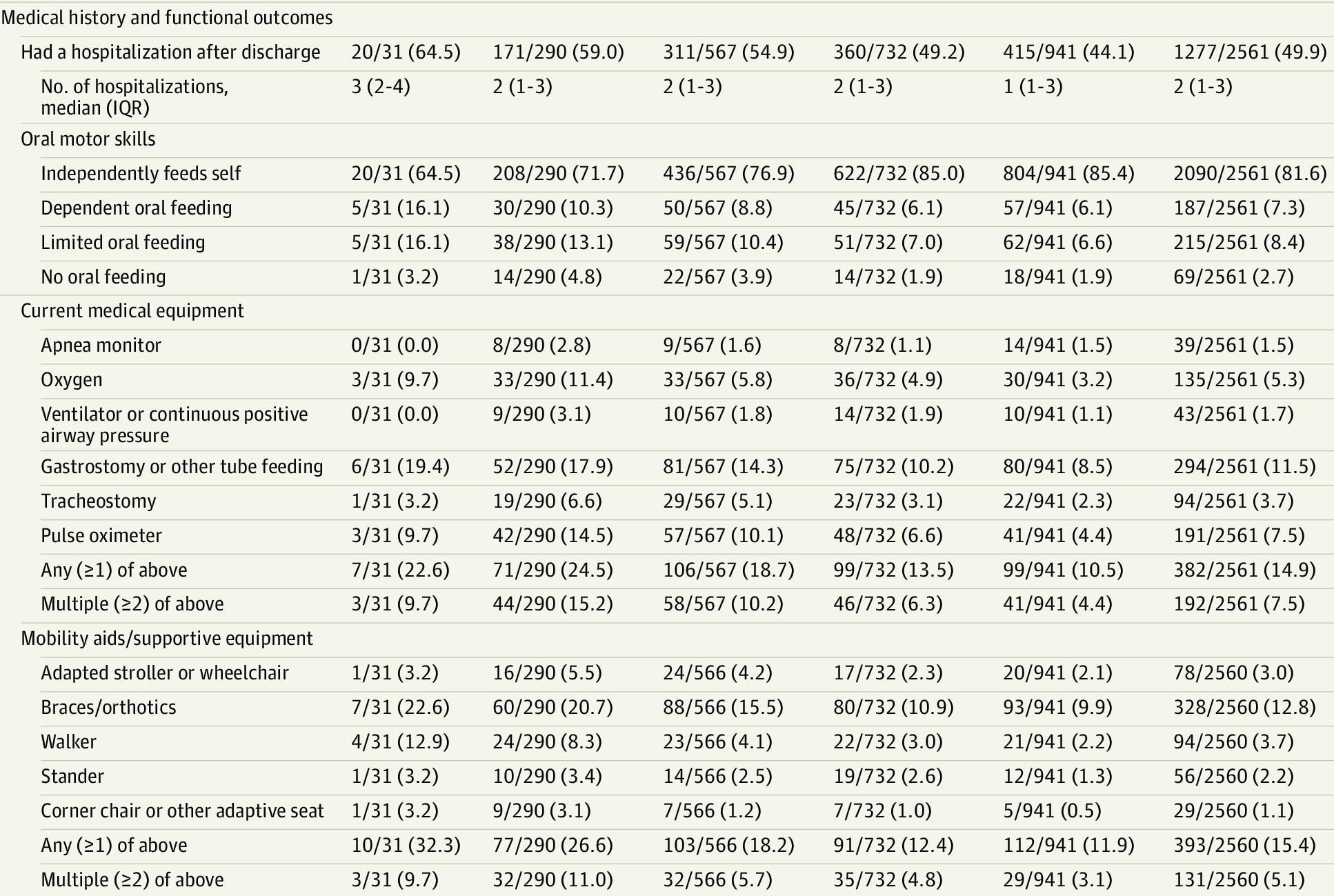
Columns from left to right, 22, 23, 24, 25, 26 weeks GA at birth, and overall 22-26 weeks

Hospitalisations, feeding competence, and medical equipment at home are all things that have a big impact on families, but are usually not reported. Most babies at all GA had some oral feeding at follow-up, but the most immature babies are much more likely to have limitations in feeding skills. Additionally mobility aids are more frequently required, which goes along with more frequently having a GMFCS indicating significant CP, and more frequently having BSID motor scores below thresholds. As for re-hospitalisation, more than 50% of them were for respiratory indications (data in the supplement) followed by surgeries, other infections, and then a variety of other indications, including 5% for growth and nutritional issues.

There is no information presented here about behavioural or emotional issues, even though they are of importance to families, but at 2 years of corrected age I can understand the difficulties in analysing them. It is impossible to tell from these presentations which infants had multiple problems; an infant with severe CP, blindness, major feeding problems and low BSID cognitive score, has a very different life course to 4 children with each of those problems individually. NDI categorizations don’t help with that either, as having any one of the supposed impairments qualifies the baby for the category, as would having multiple problems. In the future it would be helpful to have a summary of how many infants have 2 or 3 or more problems.

There is also no analysis of which risk factors are associated with more problems at follow up, probably there will be many more publications addressing those issues, but I can already predict that PVL and severe IVH are associated with worse motor function, that surgical NEC is associated with worse motor and cognitive scores, that late-onset sepsis is associated with poorer cognitive scores, and that BPD, especially if treated with steroids is associated with lower cognitive, language and motor scores. Preventing all of these complications will improve survival and will also improve long term outcomes.
Posted in Neonatal Research | Tagged | Leave a comment

Survival and outcomes for the extremely preterm. The NICHD network results continue to improve: Can we do even better?

A new publication from the NRN describes short term outcomes and care practices of babies from 22 to 28 weeks gestation born in recent years (2013 to 2018) and for those born in 2013-2016 results of evaluations of those followed to 2 years corrected age. Survival for the most immature infants, seems to continue to improve. Bell EF, et al. Mortality, In-Hospital Morbidity, Care Practices, and 2-Year Outcomes for Extremely Preterm Infants in the US, 2013-2018. JAMA. 2022;327(3):248-63.

Many of the results are compared with a previous cohort from the network, which had very similar enrolment criteria. In the previous cohort, survival to discharge of those born at 28 weeks was 94%, it was 90% at 27 weeks, 85% at 26 weeks gestation, and 77% at 25 weeks. The figures for the same GAs are now 98%, 98%, 90%, and 80%, therefore, even among these larger extremely preterm babies survival seems to still be trending upwards.

At 24 completed weeks GA 62% survived in the previous cohort compared to 70% in the new; almost all received active treatment in the recent cohort, that information isn’t given in the older study. At 23 weeks survival was 32% previously, and was 49% in the new article, with about 88% of the babies getting active treatment, among those 958 with active treatment survival to discharge (or one year of age if still hospitalised), was 56%. At 22 weeks there were 334 babies in the previous cohort with a 7% survival, which has improved now to 11% among all the babies delivered, but when restricting the analysis to only those 201 (of 550, 37%) who received active intervention, survival was 30%. A lot of the deaths of the 22 and 23 week infants were within the first 12 hours, (21% and 11% mortality at <12h of age). Many of the other complications and interventions are reported for those surviving >12h.

The network reports how many babies had limitations of life-sustaining interventions, and the percentage that this applied to was 36% of the babies born at 22 weeks (who survived >12h), progressively decreasing to about 2% at 28 weeks. Of the babies at 22 and 23 weeks gestation who survived >12h (n=159 and 856), 133 and 779 survived more than 3 days, 77 and 609 survived to 28 days, for a final numerical survival to discharge of 60 and 535. I recount these numbers just to point out that late death occurs among these infants, often after multiple complications, but the majority of deaths occur relatively early.

Complications of prematurity are also reported, including NEC, showing a small reduction from 10.3 to 8.9% between the 2 cohorts, and a relatively modest trend to increasing incidence with lower GA (5% at 28 weeks, 11% at 22, 24 and 25 weeks, 15% at 23 weeks). Severe intracranial hemorrhage does not seem to have changed overall at about 14%, despite the much higher survival at 22 and 23 weeks, who had an incidence of 38 and 36% respectively.

As many other cohorts have shown, there seems to be an increase in chronic lung disease, from 45 to 49% overall, with about 80% still on oxygen at 36 weeks for babies at the lowest 3 weeks of GA. As an exercise I calculated “death or BPD”, at 22 weeks 97% had this outcome, and at 23 weeks it was 95%.

Cystic PVL was unchanged from the previous publication and did not differ across GAs,at around 4%.

During the recruitment of this cohort, there were a few things changing in neonatology, some of which should lead to further improvements in these figures:

Delayed cord clamping was being introduced during this period, and in this cohort only about 40% had delayed clamping. This intervention has been shown to improve survival, so future cohorts should benefit from this. In this cohort some received cord milking, which I think the data shows should not be used as a replacement for delayed clamping.

Antenatal steroids were only given to 30% of the babies who delivered at 22 weeks, and 81% of the 23 weekers, compared to about 90% to the more mature babies. Proactive care co-ordinated with the obstetric team can have major impacts on survival of the most profoundly immature. Although such babies were not included in the majority of RCTs of antenatal steroids, all the observational data show a survival benefit of steroids at 22 and 23 weeks. They can be given as soon as a mother presents with threatened extremely preterm delivery, in order to give time for them to have an effect, even if a decision regarding active intensive care has not yet been taken.

Probiotics were given to a minority of the babies, only 10%, if you read this blog you will know my opinion on this, the network meta-analysis showed a substantial benefit of a mixture containing Bifidobacterium longum susbsp. infantis on the frequency of NEC.

There were many babies who did not receive human milk; I think that donor milk is now universally available, which may not have been the case at the beginning of this cohort, but should also have an impact on NEC. Of all the interventions that we must ensure are applied universally to very preterm infants, human breast milk feeding should be top of the list.

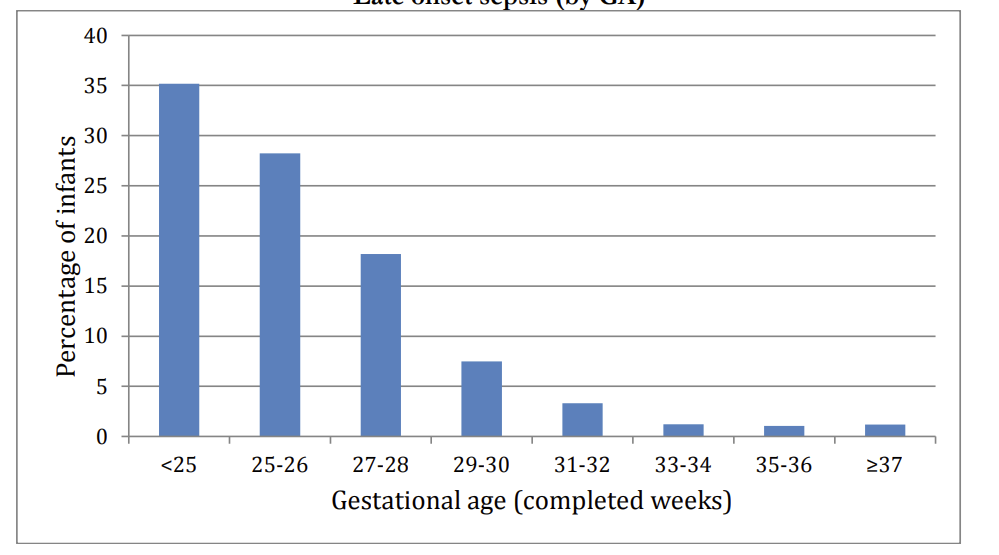
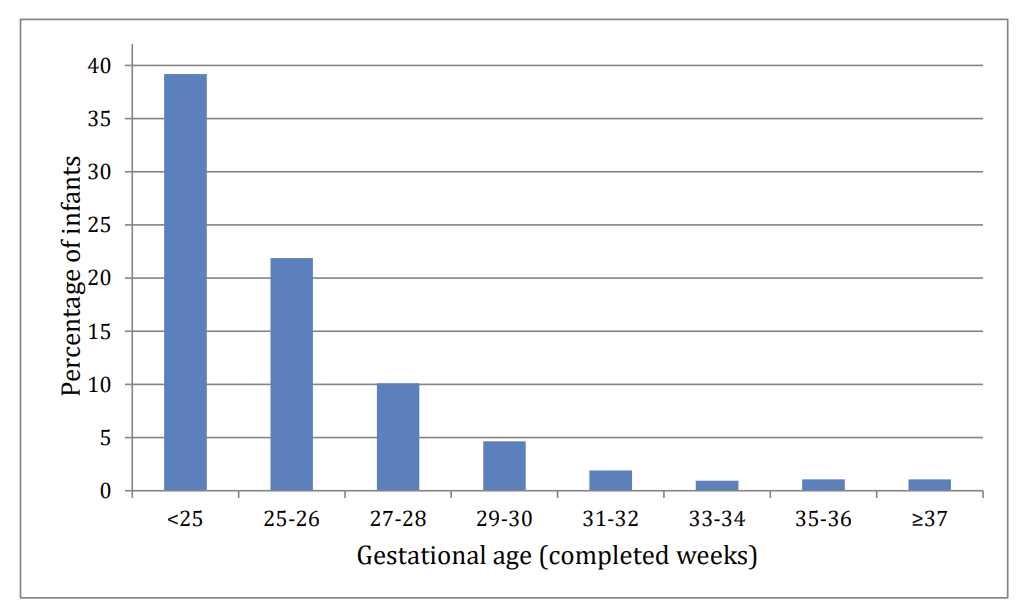
Late onset sepsis is depressingly very common in the most immature babies, most centres have on-going quality control initiatives to reduce nosocomial sepsis, and although important, they have been of limited impact in the most extremely preterm infant. In the Canadian Neonatal Network, quality improvement initiatives using the EPIQ framework have led to a progressive decrease in late-onset sepsis for babies of >25 weeks. If you compare the following 2 graphs from 2013 and 2020, there is a substantial reduction in late-onset culture-positive sepsis between the 2 years, until you reach the <25 weeks stratum, where the incidence seems to have gone up. These data are among infants who survived more than 2 days, and are the proportion who experienced at least one culture-positive sepsis, about 25% of whom had more than one sepsis episode. Part of this worsening may be due to the increased survival of infants at 22, 23 and 24 weeks gestation, as there are many more patient days at risk in 2020 than there were in 2013.

2013 national results, CNN annual report
2020 national results, CNN annual report

These results point out the extreme importance of further research in ways to reduce sepsis, by improving skin and intestinal barrier function (some studies showing a reduction in LOS with probiotics, and meta-analysis usually confirming a benefit), and supporting and improving immune function. An interesting discussion from a Japanese neonatologist (Isayama T. The clinical management and outcomes of extremely preterm infants in Japan: past, present, and future. Transl Pediatr. 2019;8(3):199-211) points out that gloving, masking and gowning are often universally applied during routine care in Japan, where the incidence of late-onset sepsis is very much lower than in North America and Europe. It makes me wonder whether that approach would be worth instituting, especially for the highest risk babies, an whether the recent extra restrictions imposed by the pandemic might have had an effect on sepsis. One advantage of universal extra precautions would be to inhibit people from touching and disturbing the babies. Previous data have suggested that universal gloving, applied in an NICU because of a hospital-wide policy during RSV season, reduced late-onset sepsis. Randomized controlled trials have confirmed this benefit.

And of course, decreasing lung injury: although cause of death is not reported in this cohort, being very difficult to ascertain in a large database, many infants who die late have severe respiratory failure. If we can improve lung injury we may well improve survival, and certainly will decrease adverse long-term pulmonary outcomes which have a serious impact on health-related quality of life. What are the potential hopeful interventions for reductions in lung injury? Prophylactic budesonide, given with surfactant, is one potential that is being studied in several multicentre trials. Finally figuring out when postnatal steroids should be given, which molecule, in what dose, for how long, would be great. Late surfactant therapy in babies still intubated who are starting to develop chronic lung disease has not been adequately studied, but seemed to improve long term lung health in the French study.

Unfortunately, for many interventions, the most immature babies, who may not have the same response to more mature preterm infants, have been excluded from trials. Hopefully, in the future there will be no minimum GA or birth weight for eligibility; surely any baby for whom intensive care is instituted should be eligible for research to try and improve outcomes for future similar babies.

In the next post I will discuss the longer term outcomes from this publication.

Posted in Neonatal Research | Tagged , , , , , , , | Leave a comment

Probiotics in preterms; what’s new? Part 2


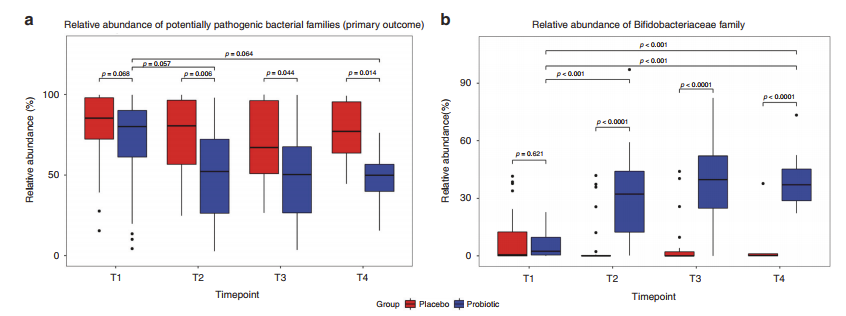
Rao S, et al. Probiotic supplementation in neonates with congenital gastrointestinal surgical conditions: a pilot randomised controlled trial. Pediatr Res. 2022. When we started using probiotics there had been a couple of case reports of probiotic associated sepsis in infants with congenital GI anomalies, specifically omphalocoele, so we decided to not include them in our probiotic protocol. I was never too sure that was the right thing to do, especially as infants with gastroschisis in particular are at high risk of NEC. The group from Perth, Western Australia, randomized 61 babies to a Bifidobacterium mixture (B. breve, B. longum longum, and B longum infantis) or placebo and followed their intestinal microbiome development weekly until discharge, they found that there was a progressive change in the microbiome due to supplementation, with less dysbiosis, specifically a lower abundance of potential pathogens (Clostridiaceae, Enterobacteriaceae, Enterococcaceae, Pseudomonadaceae, Staphylococcaceae, Streptococcaceae &Yersineaceae) and much more Bifidobacteria. In a pilot study of this size one wouldn’t necessarily expect to see a clinical impact, although growth parameters were improved with probiotics, in particular head growth; or rather, the postnatal growth restriction, was less severe in the probiotic growth.

Plummer EL, et al. The effect of probiotic supplementation on the gut microbiota of preterm infants. J Med Microbiol. 2021;70(8). This study analysed the intestinal microbiomes of infants randomized in the ProPrems trial, which was a large multicentre trial of a mixture of B longum infantis, B animalis lactis and Streptococcus thermophilus vs placebo. 99% of the babies in the probiotic group had the Bifidobacterial DNA in their stools during treatment, but in only about 90% of the fecal samples, about 20% to 35% of the controls also had the bacteria in their stools at times. The relative abundance of the B infantis was quite variable, suggesting we need to find ways to make colonization more effective.

Hui Y, et al. The effect of early probiotic exposure on the preterm infant gut microbiome development. Gut Microbes. 2021;13(1):1951113. This is a study of microbiome development in 2 cohorts of preterms, before and after routine probiotic use (a mixture of Lacticaseibacillus rhamnosus GG, the bacterium formerly known as Prince Lactobacillus, and Bifidobacterium animalis ssp. lactis) in Copenhagen. They showed less impact on the progression of microbiome changes than some other studies, associated with a variable abundance of the probiotic organisms, but did show an impact leading to a reduction in Klebsiella concentrations in the stools.

Fleming P, et al. Bifidobacterium breve BBG-001 and intestinal barrier function in preterm babies: Exploratory Studies from the PiPS Trial. Pediatr Res. 2021;89(7):1818-24. This is an analysis of microbiome impacts and intestinal functional impacts of the B breve used in the PiPs trial. In addition to the usual 16sRNA, they also cultured the stools, and found they were able to grow Bifidobacteria, identified by pcr as B. breve, from most of the probiotic babies, as well as some controls, but found that babies colonised with B breve actually had more potentially pathogenic Enterobacteriacae from 3 weeks onwards. They did not see a benefit on intestinal barrier function of the probiotic.

Overall, I think these recent studies imply that the best probiotic to have an impact on the preterm infant microbiome, and, as a result on NEC, is Bifidobacterium Longum subsp. Infantis. Other data from network meta-analysis that I have discussed previously, is also consistent with this, and also consistent with a benefit of a mixture of Bifidobacteria (most mixtures include B infantis). Ways of ensuring good colonisation, such as the addition of prebiotics, especially Human Milk Oligosaccharides, and provision of human milk will probably help to ensure the greatest benefit.

Posted in Neonatal Research | Tagged , , , | 3 Comments

Probiotics in preterms; what’s new? Part 1

I haven’t, surprisingly, posted about probiotics recently, but there are some new findings in the literature that warrant discussion.

Granger C, et al. Necrotising enterocolitis, late-onset sepsis and mortality after routine probiotic introduction in the UK. Arch Dis Child Fetal Neonatal Ed. 2021. The majority of pre- post- studies of introduction of probiotics that have been published have shown a significant reduction in NEC. Of course, there could well be a huge publication bias in such publications. I am pleased therefore, that this study was published, even though it showed little impact on NEC, overall. Especially as it is from a centre with a huge interest in intestinal microbiome development in the preterm, and in NEC, that is Newcastle upon Tyne, UK. They showed a small reduction from 10.6% of babies <32 weeks to 9.2% after routine introduction of probiotics, intially Infloran (Lactobacillus acidophilus and Bifidobacterium Bifidum) then Labinic (same species plus B longum ssp infantis)in the last 30% of the treated cohort. Overall there was no major impact on their outcomes, but subgroup analysis suggested a reduction in NEC in the more mature babies >28 weeks, and a reduction in late-onset sepsis in the less mature <28 weeks. Overall mortality, and mortality associated with those complications, were not affected.

Tobias J, et al. Bifidobacterium infantis EVC001 Administration Is Associated With a Significant Reduction In Incidence of Necrotizing Enterocolitis In Very Low Birth Weight Infants. J Pediatr. 2022. In this centre, in contrast, there was a dramatic reduction in NEC when they started routine supplementation with B. infantis. The strain they used, noted in the title, is a commercially produced strain produced by a company which sponsored this study, and of which one of the authors is an unpaid consultant. In this centre in Oregon, they showed a reduction in NEC from 11% to 2.6% of VLBW infants after introduction of the probiotic. Mortality related to NEC was also reduced, from 2.7% to 0. The impact applied to the ELBW subgroup also, 19.2% NEC incidence reduced to 5.3%. The relative risk of NEC after probiotic introduction was 0.27, compatibility intervals (0.09-0.61).

Another study using the same strain is Nguyen M, et al. Impact of Probiotic B. infantis EVC001 Feeding in Premature Infants on the Gut Microbiome, Nosocomially Acquired Antibiotic Resistance, and Enteric Inflammation. Front Pediatr. 2021;9:618009. Of note, many of the authors were employees of the company which makes the probiotic preparation, and they also funded the study. In this project VLBW babies <32 wks were given probiotics, bigger preterm babies were not. They also differed slightly in diet, as they all predominantly received human milk, but formula was only given to the larger babies that needed a supplement, rather than donor milk given to the smaller ones. There are several very pretty figures in the publication, some parts of which I actually understand! The following for example, graphic B, I think, shows the overall percentage of all the bugs they found in all the stools, that were in each of the 3 groups noted by the colours, I couldn’t tell you exactly what they are percentages of, as all the other OTUs are missing from the graph, but it is designed to convince you that there are a lot more Bifidobacteria around.

As for panels C and D, they are from the 2 GA groups, C from the more immature babies who received the probiotic, and D from the bigger babies. They also looked at whether the stool samples from the babies had bacteria capable of metabolising HMOs, and I will have to take their word for it, but it sure looks like the babies fed the probiotic had more ability to metabolise HMOs.

The 2 centres involved had a different pattern of antibiotic resistance genes, which the babies acquired throughout their stays in the NICU. As a non-specialist, I am not sure how well known this is, it certainly was something I was not aware of, but it is not a surprise, that different NICUs have different antibiotic resistance gene populations. Different NICUs tend to have differing bacteria causing their sepsis, and intestinal colonisation during NICU stays. They also showed that babies transferred from one hospital to the quaternary centre acquired the receiving centre’s antibiotic resistance genes after they arrived. The B infantis reduced the abundance of those genes compared to more mature, untreated controls. There was also, finally, a reduction in pro-inflammatory biomarkers among the immature, probiotic receiving babies. They state that their data show that gut microbiome composition can be altered by feeding probiotics. But the data don’t show that. As there are no randomized controls, all they can say is that the 2 groups are different, and that there is an association with probiotic administration. Which is my major criticism of all these EVC001 trials, why haven’t they performed an RCT powered to detect a reduction in NEC? There are still many centres in the USA who don’t use probiotics, partly because of the lack of an FDA licensed preparation containing, probably, the most important species of probiotic organism for the newborn, which is extremely well standardised, with the quality control of a medical product, like this one.

They might be able to convince the FDA, for that latter requirement, to give them a license for preterm babies, for the prevention of NEC, if their trial proved the value of Bifidobacterium longum susp infantis, strain EVC001 for the prevention of this devastating condition in preterm infants.

Posted in Neonatal Research | Tagged , , | 6 Comments

Cardiovascular support in the preterm, how to determine adequate perfusion?

As many of you will know, I have advocated for many years for evaluation and management of very preterm babies based on their tissue perfusion rather than the blood pressure. There is little or no correlation between BP and perfusion, and many of the commonest interventions, in particular dopamine, may increase BP almost exclusively by vasoconstriction, thereby worsening tissue perfusion. Such an approach, however, suffers from the difficulty in evaluating tissue perfusion in the preterm infant, clinical signs are limited, and lab tests may be misleading. Echocardiography is relatively objective, but difficult, has some inter-rater variability, and multiple repeated studies are often needed during management, leading to major disturbance of fragile babies.

A reliable continuous method with minimal invasiveness would be a major step forward. The perfusion index of some pulse oximeters excited me a few years ago, and a study that my group performed showed a useful correlation of perfusion index in limited circumstances, at 6 hours of age among babies with a low SVC flow.

A group from Saitama in Japan have been studying laser doppler skin blood flow for a few years. They have described the normal transitional changes in flow, and noted that low flow may precede later intraventricular haemorrhage. In contrast to my statement above, they looked at the impact of dopamine on skin blood flow, and showed that dopamine appeared to increase both blood pressure and skin blood flow, at least blood flow in the lower limbs (increased by 5%), blood flow to the skin and subcutaneous tissue on the forehead was not affected, despite a 10% increase in mean blood pressure; I don’t know of any other study that shows an increase in systemic perfusion with dopamine in compromised preterm babies, but even I must admit that the currently available data are poor. If mean BP increased by 10%, but perfusion locally increased by between 0 and 5% that is some evidence of vasoconstriction, but perhaps locally in some vascular beds there may be a sufficient increase in perfusion pressure to improve perfusion.

The big question with any such method, is whether using the method can improve management to the extent that outcome are better. We know that, statistically, babies with lower blood pressure have worse outcomes and that babies who receive treatment have worse outcomes than those who do not; which means that treatment is either a risk factor itself, or is a marker of increased risk. We tried to differentiate between those possibilities in the HIP trial, but were unable to enrol enough babies to find a definitive answer.

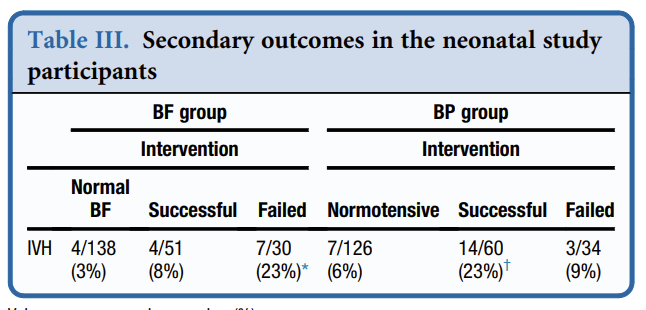
The Saitama group have just published the results of an RCT to try and answer the question, does treatment according to the results of the laser doppler device improve clinical outcomes? (Ishiguro A, et al. Randomized Trial of Perfusion-Based Circulatory Management in Very Low Birth Weight Infants. J Pediatr. 2021). They randomized VLBW infants to have one of 2 approaches, one based on normalising the blood pressure, and the other on normalising the blood flow measure.

The 440 VLBW infants were randomized to one of 2 contrasting protocols within 6 hours of birth, if they had no IVH on screening head ultrasound. Not all the infants had invasive blood pressure monitoring which is a reasonable pragmatic choice (and is, in fact, what I wanted to do for the HIP trial), but immediately introduces uncertainty, as non-invasive blood pressures are somewhat unreliable, especially in the smallest babies, and especially if the baby is hypotensive. All babies had skin blood flow measured from one foot, and were treated by the assigned protocol if the BP was below the gestational age in weeks, or if the BF (blood flow) was below 14 mL/min in the first 24 hours or 17 mL/min thereafter; depending on group. If they passed their treatment threshold then a functional echocardiogram was performed (in addition to a routine daily echo) and treatment given according to the schema above. The primary outcome was any intraventricular haemorrhage. They also evaluated how often the treatment was successful in improving the randomized parameter to above threshold within 3 hours.

The trial was a single centre study that took 7 years to complete, randomizing about 2/3 of eligible admissions. 37% of the BF group and 42% of the BP group passed their treatment threshold and had intervention. In the BF group they almost all had dobutamine, and nearly half of those also had dopamine. In the BP group about half of those with intervention received dopamine, and a similar proportion received dobutamine. In both groups 12% had a volume bolus and 6% had hydrocortisone.

I would question some of the reasoning that went into constructing these algorithms, but overall, I think they are not unreasonable. On the other hand, I find it a bit surprising that one in five VLBW infants had low blood flow with normal contractility with decreased preload indices and didn’t respond to a fluid bolus (as that is the only way a BF baby could get dopamine added to their dobutamine); which makes me wonder how well the algorithms were actually followed. Indeed I find it a bit surprising that such a high proportion of VLBW infants were considered to need cardiovascular support, they were enrolled early in life and for 40% of the babies to need some cardiovascular intervention in the first 72 hours seems aggressive. They do however have a historically low proportion of babies with IVH, in the CNN about 30% of VLBW babies have at least a grade 1 IVH, small subependymal haemorrhages being included in their outcome of IVH. Overall the outcomes are the typically very good outcomes of Japanese centres with a remarkably low mortality, with 1 death out of 440 VLBW babies within the first 7 days, and only 7 deaths prior to discharge, very low NEC and low late-onset sepsis are also evident.

The sample size was calculated based on that previous incidence of IVH of 13%, with a power to detect a reduction to 6%. I presume, though it is isn’t mentioned, that the previous IVH rate was in the context of BP-directed management of the infants. They actually showed an 11% rate of IVH in the BP group, and a 7% incidence in the BF babies. The 95% compatibility limits for the difference in IVH rate (not given in the manuscript) are a 9.4% absolute risk decrease in IVH and a 1.2% increase.

The study included some babies at relatively low risk, so the infants of 1001-1500 g birth weight only had 2% vs 3% IVH rate. It would be just about impossible to design a trial to find a reduction in an adverse outcome from 2%. Among the ELBW babies there were 18% IVH in the BP babies, and 10% with BF targeting, which give 95% compatibility limits of -17% and +0.5% absolute risk difference.

The intervention was not always successful at increasing the target parameter within 3 hours of initiating treatment, and a very interesting post-hoc analysis is presented, which shows that the BP and BF group babies who never received intervention had very low rates of IVH, (3% vs 6%) but those who had a successful increase in their BF did better than those who had a failed application of the protocol (i.e. BF stayed low at 3 hours of intervention) whereas the low BP babies who continued to have a BP below GA at 3 hours of age did better than those in whom BP increased.

This obviously has to be interpreted with a great deal of care, but does suggest several possible interpretations.

This study helps in calculating sample sizes for future trials, 11 of the 39 IVHs occurred in babies who had no cardiovascular intervention. I don’t have any way of calculating how many of those babies had both normal BF and normal BP throughout the trial, but a baby who stayed above both thresholds throughout 72 would have had no change in management. If we guess that about 40-50% of babies will have no cardiovascular intervention regardless of which group they are in, and perhaps 25% of IVH occurs in those babies, then that impacts the numbers of babies required for a trial to show that intervention algorithm reduces IVH frequency. It is complicated, of course, because some babies with low BP will have normal flow, and vice versa.

I think this trial is clearly not enough evidence for a universal change in practice, but it is strong evidence that we need to do more investigations of this way of managing cardiovascular support in the newborn. Refinement of the protocols, comparison with other indicators of perfusion (perhaps cerebral NIRS, perhaps perfusion index) and a larger sample size, or perhaps concentrating on the babies at highest risk, are needed to answer the vitally important questions posed by this study.

Posted in Neonatal Research | Tagged , , , | 2 Comments

STOP-BPD follow up study

Does routine hydrocortisone, started at 7 to 14 days of age among infants <30 weeks GA and/or <1250g birth weight who were ventilator dependent and at increased risk for BPD, affect their long term developmental progress? (Halbmeijer NM, et al. Effect of Systemic Hydrocortisone Initiated 7 to 14 Days After Birth in Ventilated Preterm Infants on Mortality and Neurodevelopment at 2 Years’ Corrected Age: Follow-up of a Randomized Clinical Trial. JAMA. 2021;326(4):355-7).

That is the question addressed by this follow-up of babies enrolled in the STOP-BPD study. As you may remember, that study used a 22 day tapering course of hydrocortisone, starting at 5 mg/kg/d for 7 days, and had the beloved primary outcome “death or arbitrary dichotomised definition of lung injury”. The trial showed no real difference in the primary outcome 71% HC, 74% control, but mortality diverged starting at about 7 days after enrolment, and was “statistically significantly” different at 36 weeks PMA (16% vs 24%), but not quite “significant” by discharge (20% vs 28%).

As I mentioned previously, the trial included very few babies under 24 weeks, as they were not receiving active care in Holland, where the study was mostly performed, and active care was rare in the Flanders region of Belgium which accounted for most of the non-Dutch centres, Liège and Charleroi were also involved, which are in Wallonia, but I don’t know what their approach was or if they enrolled any babies <24 weeks. As I have also mentioned, and has been shown many times, centres which don’t intervene at <24 weeks, or at <25 weeks, have poor outcomes at 24, or 25, weeks compared to centres which are active at lower gestational ages. Survival for the study participants was much lower than I would expect in my centre, even taking into account the selection of a higher-risk group, ventilator dependent on oxygen at 7 to 14 days of age.

Another problem with this study, especially with regards to long-term outcomes, is the frequent treatment of control babies with steroids (principally hydrocortisone) either after the study drug period, according to protocol, if they were thought to be at high risk of dying, or outside of the protocol. 108 of the original 190 control babies received hydrocortisone during their hospitalisation.

By the 2 year follow up there were a small number of extra deaths in each group, so the mortality was now 22% (HC) vs 30% (control); 95% confidence limits for absolute difference in percentage mortality are -17% to +1%.

There were no substantial differences in any measured developmental or neurological outcome. A dichotomised “NDI”, largely driven, as usual, by scores on the Bayley Scales of Infant Development (version III), was found in 44% of hydrocortisone, vs 47% of control survivors. I presume that the total dose of HC given to the HC babies was probably higher than the total dose given to controls, so this does give some reassurance that development, including motor and cognitive development as measured by Bayley, was not adversely affected. Cerebral Palsy, blindness and deafness were all a little less common among the HC babies.

Despite the limitations, this trial does suggest that long term development is not very seriously affected by the intervention tested, a total of 72.5 mg/kg of hydrocortisone, among infants of 24 weeks and more who are considered to be at high risk of BPD at 7 to 14 days of life, at least in comparison to relatively liberal use of rescue hydrocortisone if there seems a higher risk of death.

There is a modest difference in mortality favouring the HC group, despite rescue HC among controls. Can a similar study be performed in centres with active treatment at 22 and 23 weeks? Centres which will likely already have a lower mortality than this study’s intervention group, but which probably already use some steroids in babies at high risk? (In the CNN all the centres with very immature babies have some use of steroids for BPD, but it is very variable). It would be difficult to perform such a study, and some rescue use of steroids will have to be allowed in order to make the study feasible, but I think it is essential in order to answer the questions we still have about when to give steroids for lung disease, which dose, of which molecule, for how long.

Posted in Neonatal Research | Tagged , , , | 2 Comments

Antenatal treatment of Diaphragmatic Hernia, indications for intervention.

My previous post about the FETO trials noted that the published trials reported a clear benefit of antenatal treatment of the highest risk group, but the moderate risk group had an improved outcome which didn’t meet classic definitions of statistical significance. I noted then that, if the trials had been run as a single trial with 2 risk strata, the overall benefit for the entire sample would have been highly significant, and that it was likely that a test for interaction would not have shown a statistically significant difference between the risk strata.

That evaluation has been confirmed by an analysis published by the authors, (Van Calster B, et al. The randomized TOTAL-trials on fetal surgery for congenital diaphragmatic hernia: re-analysis using pooled data. Am J Obstet Gynecol. 2021), they pooled the data from the trials and found no significant difference in the benefit of FETO according to risk category. The surgical protocol for the trials included intervention and FETO at 27 to 29 weeks and 6 days in the severe group, or 30 to 31 weeks 6 days in the moderate group.

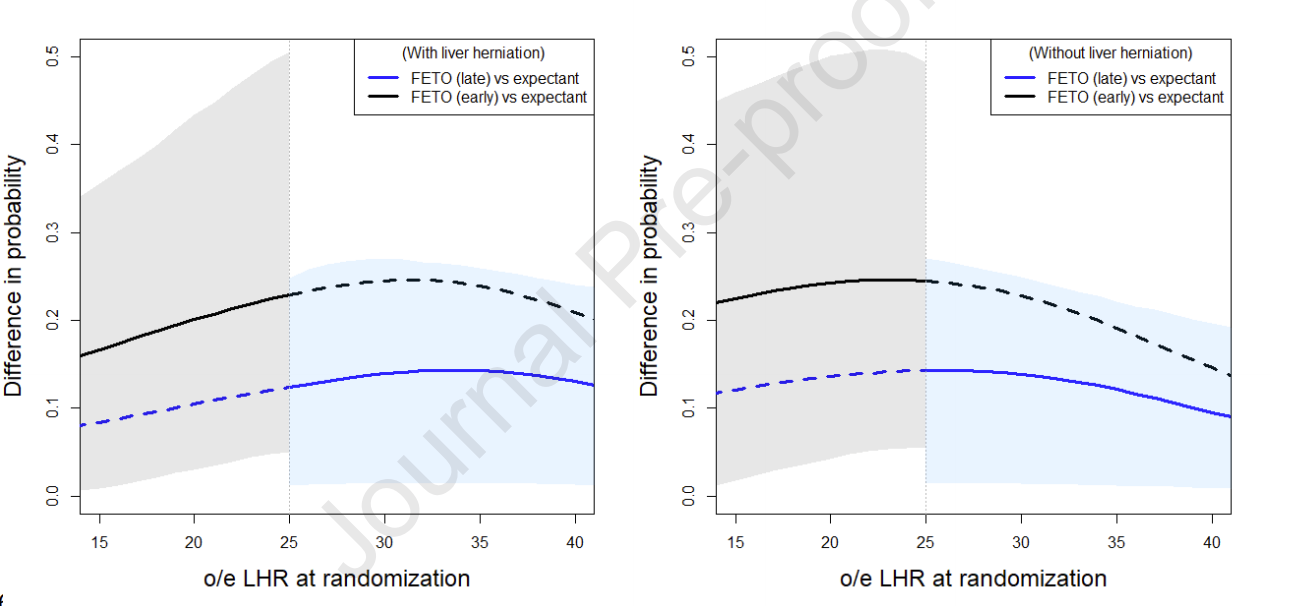
In this re-analysis the authors looked at the GA of intervention and conclude that FETO leads to improved survival in both the severe and the moderate groups, indeed overall there was no impact of severity (O:E LHR) on effectiveness of the procedure, rather it seemed that earlier treatment was associated with greater improvements in survival, but also greater increases in prematurity.

These 2 figures show the survival advantage of having FETO as compared to usual treatment based on the O:E LHR, even with the lowest risk babies in the trial, FETO is advantageous, as shown by the blue line and the blue shaded area representing the confidence limits of the benefit. The dotted lines are what the predicted survival benefits would have been if the babies had FETO at different GA, not allowed by the protocol, suggesting an even greater survival benefit for the moderate babies if they had FETO earlier.

Of course this analysis is confounded by the correlation between severity and timing of intervention, as by design more severe lesions were treated earlier.

The next challenge will be to find ways of preventing membrane rupture and preterm labour after fetoscopic intervention, if we can do that, then the benefit of FETO for improving survival will likely be even greater. I think this analysis confirms, that, if it is available, FETO should be discussed with mothers carrying fetuses at moderate risk, not just the most severely affected.

Posted in Neonatal Research | Tagged , , , | Leave a comment

Ethically acceptable pain research

Just imagine for a moment that you are the parent of Jo, who is 4 years old, Jo has a sudden onset of breathlessness and the investigations in the Emergency Room show a spontaneous pneumothorax, that needs a drain. You are approached to participate in a research trial of a new anaesthetic spray, shown to be effective in animals, to be given prior to the intercostal incision between Jo’s ribs for chest drain insertion. The control group will have a placebo spray with no active ingredients. The study is a standard, high-quality placebo-controlled trial with masked randomization, and masked intervention. Sounds great, right? You are informed that the local ethics committee approved the trial, which has been registered on a public database.

I think any parent agreeing to potentially have a chest drain inserted in their child without local anaesthesia would be failing in their duty of care to that infant; any researcher designing, performing, or interpreting such a study is unethically assuring that half of the research subjects will feel avoidable pain; and any journal publishing the results is complicit in promoting such unethical practices. The approval of such a trial by an ethics committee does not absolve anyone of their responsibility for their participation.

Why is it different for newborn infants?

Pain from heel-stick procedures is often severe, as shown by frequent elevations of pain scores to the moderate to severe pain range (Bellieni CV, et al. How painful is a heelprick or a venipuncture in a newborn? J Matern Fetal Neonatal Med. 2016;29(2):202-6.). Such pain can be dramatically reduced by concentrated sucrose solutions with non-nutritive sucking, or kangaroo care especially combined with breast feeding. These links are all to Cochrane reviews which are several years old.

There is no excuse for designing or performing or publishing a study where any of the infants are assigned to have pain. Just as there would be no excuse for those involved in Jo’s care allowing or participating in a trial where half of the children have a chest drain inserted with no analgesia.

How should we perform research to advance the care of newborn infants who need painful procedures?

The only reason for performing clinical research is to improve care. So trials showing that a new intervention is better at controlling pain than no analgesia are useless. The only justification for such a trial would be if analgesic interventions currently known to be effective were unavailable or toxic. Neither is true. Skin-to-skin care may not always be possible prior to a heel-stick, for example, if it is needed urgently, or the parents are absent, or the baby is too unstable to move in a hurry. In those cases giving a dose of sucrose and a soother can easily be done. If you don’t have licensed preparations of sucrose then concentrated sterile glucose can be given orally, overall I think it is a little less effective, but still causes a beneficial reduction in pain.

Any new intervention should be initially studied in combination with a proven effective approach, randomly compared with the proven effective approach alone. Perhaps an exception could be made for an intervention shown to be dramatically effective in animal models, where a direct comparison with optimal pain control could be envisaged, but without an untreated control group in either type of study. Studies comparing interventions already known to be effective are clearly OK, such as this one for example (Sen E, Manav G. Effect of Kangaroo Care and Oral Sucrose on Pain in Premature Infants: A Randomized Controlled Trial. Pain Manag Nurs. 2020;21(6):556-64) a well-performed randomized trial showing an advantage of kangaroo care compared to sucrose, or this one (Lago P, et al. Repeating a dose of sucrose for heel prick procedure in preterms is not effective in reducing pain: a randomised controlled trial. Eur J Pediatr. 2020;179(2):293-301), where babies in both groups received sucrose prior to the procedure, and the intervention group received a second dose 30 seconds afterward, showing no additional benefit, or this one (Bresesti I, et al. New perspective for pain control in neonates: a comparative effectiveness research. J Perinatol. 2021;41(9):2298-303) which randomized babies to either breastfeeding or sucrose gel with non-nutritive sucking, or sucrose liquid with non-nutritive sucking, suggesting that the gel is a little better than the liquid and approximately as effective as breast-feeding, or again this one (Nimbalkar S, et al. Blinded randomized crossover trial: Skin-to-skin care vs. sucrose for preterm neonatal pain. J Perinatol. 2020;40(6):896-901) randomly comparing kangaroo care to sucrose showed similar efficacy of the 2 interventions.

Clinically useful, ethically acceptable pain research is not difficult to perform in newborn infants, these above examples are from around the world, and I have found examples from countries with good resources, and from countries with very limited resources. As has been noted, (Harrison D, et al. Sweet Solutions to Reduce Procedural Pain in Neonates: A Meta-analysis. Pediatrics. 2017;139(1):e20160955.) the effectiveness of sweet solutions has been known since the very first trial, and since their effectiveness became incontrovertible, more than 800 babies have been assigned to groups who are intended to experience avoidable pain. Since that analysis was published in 2017, there have been many more.

The first priority must always be to put the baby and their family first, and treat them as you would wish Jo to be treated, if you had to go with Jo to the Emergency Room. Ensuring that your child had adequate pain protection for a planned painful procedure should definitely be your goal, the same thing applies for our patients.

Posted in Neonatal Research | Tagged , , , | 1 Comment

Unethical pain research in the newborn. A list of shame.

Unethical pain studies are still being published, in journals which include several from mainstream publishing houses.

In these studies published recently and appearing on-line in recent weeks, newborn infants were assigned by the researchers to experience pain. The reviewers of the articles accepted that the research subject babies had pain imposed by the investigstors. The editors of the journals involved are also complicit by agreeing to publish articles whose research required that babies experienced avoidable pain.

This must stop.

It is unacceptable to inflict pain on babies in order to complete a research project.

Please inform the editorial board of the following journals of your concerns. The chief editor’s professional email is provided, or an email address associated with the publication if I can find one.

I will repost this page with new articles whenever I spot them.

The Effect of Maternal Voice on Venipuncture Induced Pain in Neonates: A Randomized Study. Chen Y, Li Y, Sun J, Han D, Feng S, Zhang X. Pain Manag Nurs. 2021 Oct;22(5):668-673. doi: 10.1016/j.pmn.2021.01.002. Epub 2021 Mar 2. PMID: 33674242. The trial randomized 58 babies undergoing venepuncture to have a recording of their mother’s voice, or to have the painful procedure without analgesia. Editor-in-Chief: Dr Elaine Miller, MILLEREL@ucmail.uc.edu

Effect of White Noise and Lullabies on Pain and Vital Signs in Invasive Interventions Applied to Premature Babies. Döra Ö, Büyük ET. Pain Manag Nurs. 2021 Dec;22(6):724-729. doi: 10.1016/j.pmn.2021.05.005. Epub 2021 Jun 28. PMID: 34210600. In this trial 66 babies (which was either randomized, according to the text, or non-randomized, according to the figure) were assigned to either have a lullaby, or white noise, or to have no intervention, prior to the pain of a “blood collection” (not further specified). Editor-in-Chief: of Pain Management Nursing, Dr Elaine Miller, MILLEREL@ucmail.uc.edu

Gao H, Xu G, Li F, Lv H, Rong H, Mi Y, Li M. Effect of combined pharmacological, behavioral, and physical interventions for procedural pain on salivary cortisol and neurobehavioral development in preterm infants: a randomized controlled trial. Pain. 2021 Jan;162(1):253-262. doi: 10.1097/j.pain.0000000000002015. PMID: 32773596. In this trial, 38 preterm infants were randomized within 7 2hours of birth to have all of their painful procedures during hospitalisation untreated, they were allowed to get a soother when they cried! In the combined interventions group, preterm infants received sucrose, massage, music, non-nutritive sucking, and gentle human touch. I think this is the worst of all the trials I have seen recently, the control babies had repeated evaluations of PIPP score during painful procedures, and continued to have multiple experiences of moderate to severe pain, with average PIPP scores of over 12. How can the reviewers and editors possibly have thought this was OK? Editor-in-Chief: Dr Francis Keefe keefe003@mc.duke.edu

Here is some suggested text you can cut and paste into an email if you wish.

The article “XXXXX” published in your journal, describes research which is clearly unethical and should not have been published.
In this study, newborn babies were assigned to a group designed to experience pain. Effective methods to prevent pain caused by skin breaking procedures are well known, easily available, and cheap or free. Those methods include kangaroo care/skin-to-skin contact, oral sucrose or glucose solutions, especially when combined with non-nutritive sucking, and breastfeeding. There is no valid reason for denying such pain reduction methods to research subjects. Publication in a high-quality journal such as the one you edit gives credibility to the research and suggests that it is acceptable to inflict pain on babies in order to complete a research project.
Research which compares an analgesic intervention for a painful procedure in newborn infants to an untreated control group is useless in improving care. As effective pain measures are already well known, the only research which could possibly improve care is that which compares different analgesic interventions, or examines the addition of measures to those already known to be effective.
The most effective way your journal could improve pain control in newborn infants would be to cease publishing research which unethically randomizes babies to have avoidable pain. All future trials in newborn infants undergoing planned painful procedures that the journal publishes should ensure that research subjects in all groups receive proven effective methods of pain control.
I urge you to retract this article and to establish editorial standards which prohibit the publication of research in which avoidable pain is imposed on newborn infants. Pain inflicted on babies in order to perform research should be an immediate criterion for rejection of a manuscript.

Posted in Neonatal Research | Tagged , , , | 3 Comments

How do we make decisions for the most immature babies, with their families?

Although babies under 25 weeks account for a tiny proportion of births, and a small proportion of NICU admissions, the importance of the question asked in the title can be seen by the ongoing number of publications, below are just a few of recent relevant publications of interest.

Wood K, et al. Individualised decision making: interpretation of risk for extremely preterm infants-a survey of UK neonatal professionals. Arch Dis Child Fetal Neonatal Ed. 2021.
Di Stefano LM, et al. Viability and thresholds for treatment of extremely preterm infants: survey of UK neonatal professionals. Arch Dis Child Fetal Neonatal Ed. 2021;106(6):596-602.

These first 2 are results from a on-line survey study in the UK. The 336 respondents were 50% neonatologists, but, as an on-line study it is hard to know how representative the responses are. Nevertheless it really suggests a shift in attitudes, with respondents more likely than in previous years to accept active intervention at 22 weeks, and to take into account other risk factors than just gestational age. A major concern I have with these types of decisions is that they are often based on risk of mortality, and also on risk of “major impairment”. Although what this means is discussed in the “framework” document, and is generally intended to mean a severe intellectual impairment (IQ <55), disabling CP, blindness or profound hearing impairment, I don’t think that the implications of that label are necessarily always explicit. Especially in an online survey, which didn’t, as far as I can see from the supplement, re-iterate the criteria for a definition of major impairment.

Do we really think that an increased risk of blindness is a good reason for denying intensive care to babies? Or disabling motor dysfunction with a normal intellect? I think in reality that it is the risk of severe intellectual impairment which drives all of our concerns about “severe impairment”, and that we should acknowledge that. To take this further, if a baby was born needing resuscitation at term, with known congenital blindness, would it be ethically acceptable to deny that baby intervention because of known (rather than a predicted statistically increased chance of) blindness? We could ask the same thing for congenital deafness, and for GMFCS of 3 or 4 (level 3 meaning able to walk with a hand-held mobility device, and level 4 meaning self-mobility is limited, may need a wheelchair, but usually with head and trunk control), if we had a definite diagnosis of those impairments prior to birth would it be justifiable to withhold intensive care? I think we should focus on the outcomes we really worry about the most, level V GMFCS, and very severe intellectual impairment. They are outcomes which are relatively uncommon, even at the most extreme gestational ages.

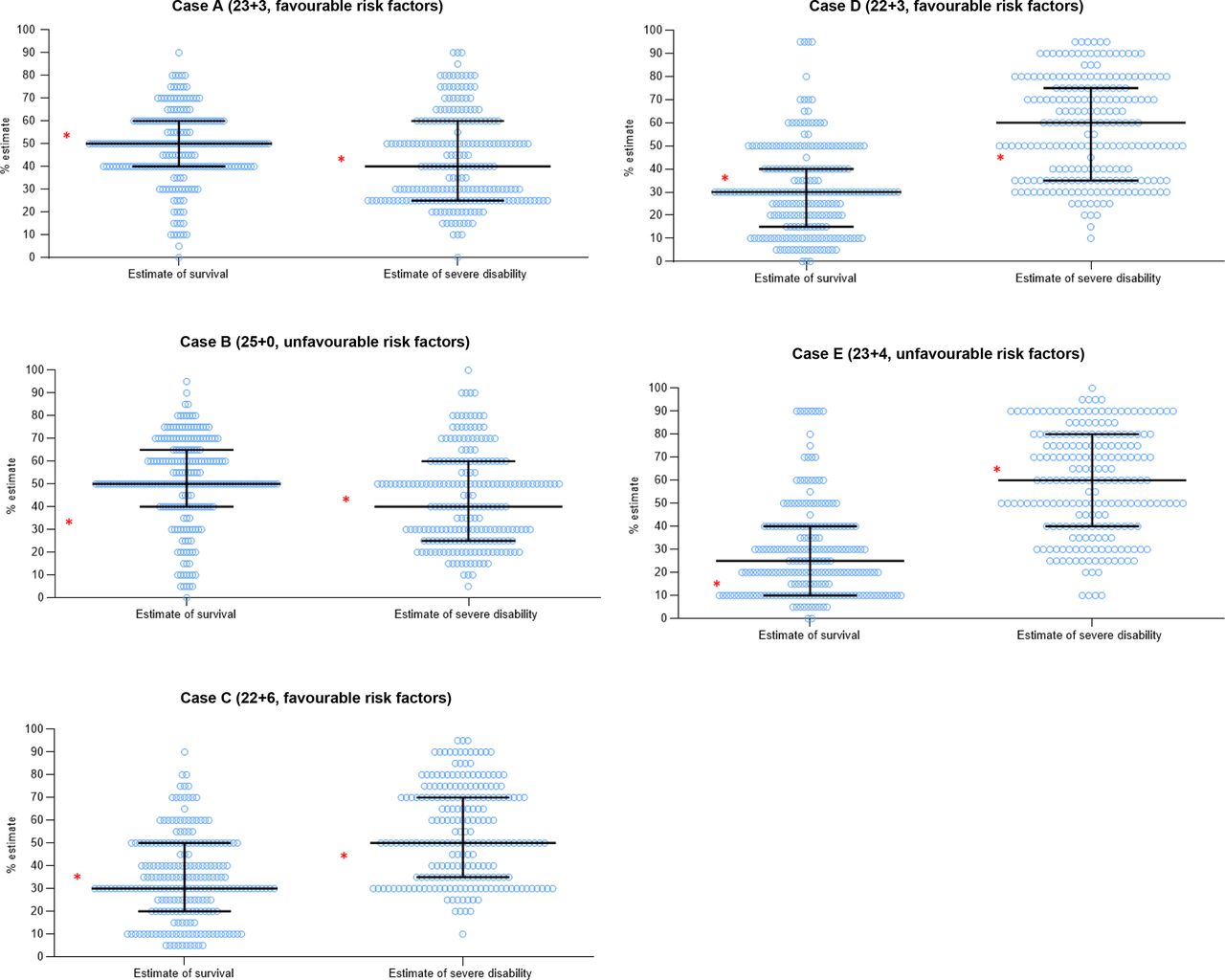
In addition, in this study, the respondents were asked to estimate the probability of death and severe impairment, and the responses were extremely variable. This figure shows the range of opinions about potential survival and proportion of “severe disability”, each dot represents one response, the horizontal lines are medians and IQRs, and the asterisks are estimates from the on-line NICHD risk calculator. However, the NICHD calculator now gives a range of outcomes, rather than a point estimate, and the definitions of profound impairment, etc. are not the same as the BAPM definitions. The data do show major variability in estimates of survival and long term outcomes.

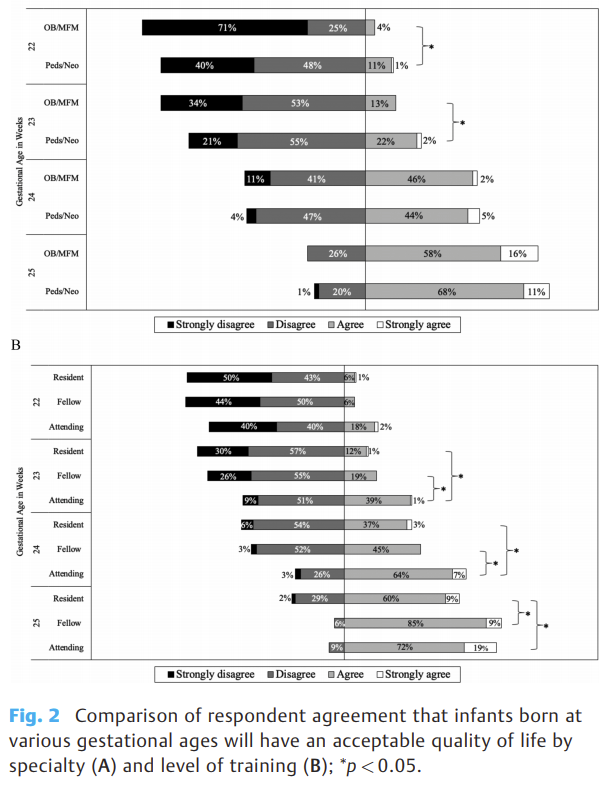
LoRe D, et al. Physician Perceptions on Quality of Life and Resuscitation Preferences for Extremely Early Newborns. Am J Perinatol. 2021(EFirst).

This survey study asked physicians involved in perinatal care what makes an acceptable quality of life, and what proportion of infants born at various extreme gestational ages would be likely to have an acceptable QoL, and then what their own resuscitation preferences were. One notable finding is that very few respondents had any encounters with former very preterm children, and those with the fewest encounters, in particular obstetricians, had the most negative views of quality of life outcomes.

There was a close correlation between having a negative opinion of the QoL of extremely preterm infants, and not wishing to actively intervene. This has been shown before; the over-estimation of serious adverse outcomes drives an unwillingness to actively intervene.

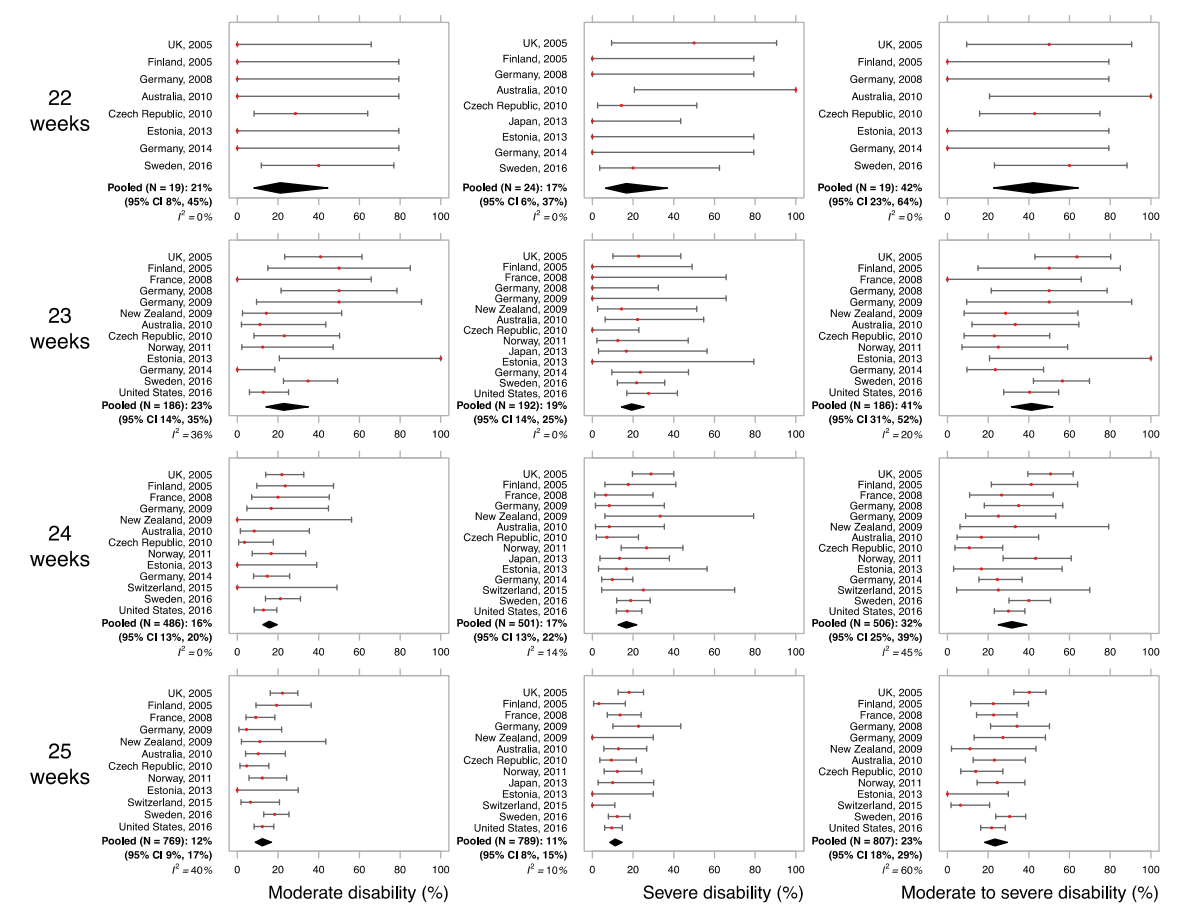
The belief that there is a dramatic reduction in the proportion of survivors with an “acceptable quality of life” as GA gets lower is a common prejudice that is not based on any data. As you can see from this graphic from a systematic review of long term outcome studies (Ding S, et al. A meta-analysis of neurodevelopmental outcomes at 4-10 years in children born at 22-25 weeks gestation. Acta Paediatr. 2019;108(7):1237-44), there is very little difference in “severe disability” between 22, 23, and 24 weeks, with a trend to more moderate disability.

Of course, an unacceptable quality of life is by no means equivalent to severe disability, the large majority of disabled children have a good quality of life, there is nothing in the literature to support the prejudice against extremely immature babies, that supposes that they have a high probability of an unacceptable quality of life.

One other disturbing result of the LoRe study was the belief that having an extremely preterm baby would have a negative impact on the family as a whole, a belief held by 73% of the respondents. There is absolutely no data to support this, the large majority of families report both positive and negative impacts of very preterm delivery. Of course there are challenges, sometimes major challenges, but living with a former extremely preterm infant does not have an overall negative impact on families.

Geurtzen R, et al. Decision-making in imminent extreme premature births: perceived shared decision-making, parental decisional conflict and decision regret. J Perinatol. 2021;41(9):2201-7.

In this study parents were counselled about threatened extreme preterm delivery at between 23 weeks 0 days and 24 weeks 6 days, they and their physicians then completed questionnaires about shared decision making, and they were later followed up to see if they experienced decisional regret. This study took place in the Netherlands, where active care is generally not offered at 23 weeks gestation, and, in fact, the mothers included in this study all delivered at 24 weeks (n=3) or later. To be brutal, shared decision-making does not occur in the Netherlands for babies born at <24 weeks gestation. Parents are given no share in that decision. Four of the 22 counselling sessions resulted in a decision for perinatal palliative care, there were low scores for decisional conflict, and, from the few surveys returned 1 month later, little decisional regret. I can’t tell from the publication if any babies actually died after receiving perinatal palliative care or not, which is an important limitation. Decisional regret is relatively uncommon after many different decisions in life, we all tend to believe in retrospect that we probably made the right decision. Decisions which lead to a child dying may be different, especially if you later discover that your baby had a greater chance of survival, and of survival with a good QoL, than you were informed. Another study by this group showed no significant difference in decisional regret according to the decision taken, but there were only 4 who had a decision for palliative care, and 2 of those 4 had high scores for decisional regret.

De Proost L, et al. On the limits of viability: toward an individualized prognosis-based approach. J Perinatol. 2020;40(12):1736-8. This article is a commentary, the authors of which include the first author of the previous article, pleading for a revision of the Dutch guidelines to take into account other factors than gestational age, and against a rigid guideline based on GA alone. Indeed, I think it is about time; survival of babies in Holland at 24 weeks is substantially lower than many other jurisdictions, and survival of babies at 23 weeks gestation is 0. This is despite a high quality health care system, dedicated staff, good regionalisation, excellent training, all the things that are needed to have excellent results. I think Dutch families deserve better.

Overall, I think these articles give me some hope that things are changing in the right direction, caregivers are more willing to intervene for more immature babies, and some prominent physicians are working to promote individualized decision making, rather than blanket denials of active care. There is a still a crying need for education, otherwise couples with threatened extremely preterm delivery are being given information which is biased and inaccurate.

In particular we need further exploration of which outcomes parents in general find unacceptable (other than death), and also how to elicit individual parental preferences within the antenatal decision making framework. One recent publication asked mothers and their partners with threatened delivery between 22 weeks and 24 weeks 6 days about their attitudes to outcomes, including various impairments, (Tucker Edmonds B, et al. Values clarification: Eliciting the values that inform and influence parents’ treatment decisions for periviable birth. Paediatr Perinat Epidemiol. 2020;34(5):556-64). This is one table from this fascinating study from Indianapolis

Among the participants of this study, “the majority described a good QoL in terms of emotional well-being (eg “loved”, “happy”, “supported”), whereas a poor QoL was described in terms of functionality (eg “dependent” and “confined”)”. They were a mix of different ethnic, religious, educational and financial backgrounds, but the sample is too small to analyze whether those factors were important in their attitudes.

It has been shown several times that healthcare workers attitudes differ from the rest of the population, I think probably rather more than 54% of caregivers would agree that “some disabilities are worse than death”, certainly that is the implication from the study by LoRe et al, but this study from Indianapolis had a substantial number of respondents who disagreed with that statement.

Update: Jan 10 2022; I slightly changed the title of this post, from “how do we make decisions for the most immature babies, and their families” to “how do we make decisions for the most immature babies, with their families” as I think that better reflects the subject matter (about shared decision-making) and my feelings of how we should partner with families to make the best decisions for our patients.

Posted in Neonatal Research | Tagged , , , , | 1 Comment