Should we be using bevacizumab for retinopathy of prematurity?

 Geloneck MM, Cet al: Refractive outcomes following bevacizumab monotherapy compared with conventional laser treatment: a randomized clinical trial. JAMA Ophthalmol 2014, 132(11):1327-1333.

In this follow-up of the BEAT-RoP trial, eyes randomized to have laser were more likely to have severe myopia on follow-up at about 2.5 years than those randomized to bevacizumab. The difference is very large, 51% with laser, and 4% with bevacizumab. The severe (very high) myopia was  defined as worse than 8 diopters, which is bad. The advantage of bevacizumab was for eyes treated both for zone 1 disease and for zone 2 disease.

The results are very similar to a small case-control study (Harder BC, et al: Early refractive outcome after intravitreous bevacizumab for retinopathy of prematurity. Arch Ophthalmol 2012, 130(6):800-801), which showed a mean refractive error after laser of between 5 and 8 diopters.

Another  observational study showed much the same thing: (Chen YH, et al: Refractive errors after the use of bevacizumab for the treatment of retinopathy of prematurity: 2-year outcomes. Eye (Lond) 2014, 28(9):1080-1086; quiz 1087.).

As yet there is no evidence of systemic toxicity from bevacizumab, although I can’t find a formal publication of other clinical or developmental outcomes. Such severe myopia, in infants with a destroyed peripheral retina, can’t be a good thing.

Bevacizumab does get into the circulation, and, like other antibodies has a long half-life (21 days in this study : Kong L, et al: Pharmacokinetics of bevacizumab and its effects on serum VEGF and IGF-1 in infants with retinopathy of prematurity. Invest Ophthalmol Vis Sci 2015, 56(2):956-961). Those authors also showed that serum VEGF levels were lower after beva…. (Im getting tired of typing that over and over, Ill call it BVZ) than after laser, and that seemed to persist for 60 days, although I can’t tell from the way the data are reported whether the differences between the laser and BVZ groups were statistically important, (they say that the decrease in the BVZ groups was ‘more significant’ than the laser group, which is not clear to me). There also didn’t seem much difference in this paper between the 2 different doses of BVZ, 0.625 mg, which the BEAT-RoP trial used, or a lower dose of 0.25 mg.

Which is a shame, as a lower dose seems to be effective,  (Harder BC et al: Intravitreal low-dosage bevacizumab for retinopathy of prematurity. Acta Ophthalmol 2014, 92(6):577-581.) These authors trialed a dose of 0.375 mg and found good effects, with regression of disease in all babies, one very sick baby needed a second treatment.

We should add into the mix the need for anaesthesia, and usually intubation, for laser therapy, whereas intravitreal injections cause very little pain.  (Castellanos MA et al: Pain assessment in premature infants treated with intravitreal antiangiogenic therapy for retinopathy of prematurity under topical anesthesia. Graefes Arch Clin Exp Ophthalmol 2013, 251(2):491-494).

What to do now? We have a treatment which appears highly effective, with only 4% recurrence, which leaves the peripheral retina intact and dramatically reduces the incidence of very severe myopia. But for which there remain uncertainties about extra-ocular safety.

I think the answer is that we should ask parents.

We should ask parent representatives about their opinions about standards for this potential off-label use, and we should ensure that individual parents are fully informed about the options prior to a decision about what treatment should be used for babies who qualify for treatment.

If a parent might reasonably opt for BVZ rather than laser, do we have enough reason to deny them that option?

 

Posted in Neonatal Research | Tagged , | 2 Comments

Endotracheal Tube Positioning, getting it right, but not too far right.

Our tiny babies have very tiny tracheas. So far you are probably all with me. Putting that tube in the right position is therefore tricky. In particular avoiding the right mainstem bronchus, which is the wrong position, is important.

So first of all; where should the tip be? That seems obvious, it should be in the trachea, high enough above the carina that the tube never slips into the carina, but low enough that it doesn’t slip out. On a plain AP radiograph, however, it isn’t always clear exactly where the tube tip should be. In general ,studies have suggested that on the radiograph the tip of the tube should be T1-T2. That is based on studies where the position was directly observed, such as in post-mortem studies, and compared with an X-ray.

A study from 7 years ago (Thayyil S, et al: Optimal endotracheal tube tip position in extremely premature infants. American journal of perinatology 2008, 25(1):13-16.) noted that babies who had a tube tip lower than T1-T2 were more likely to have right upper lobe collapse, localized PIE and pneumothorax. I think that confirms that T1-T2 is the appropriate location.

Now how do we ensure that the tube tip is in that, optimal, position? The NRP (which clearly is not focussed on very preterm babies) suggests to add 6 cm to the infants weight in kg, which leads to tube insertion depths which are too low for most babies under 1 kg (see for example : Peterson J, et al: Accuracy of the 7-8-9 Rule for endotracheal tube placement in the neonate. J Perinatol 2006, 26(6):333-336.) I think it is clear we should not use that rule for babies under 1 kg.

Various methods of calculation have been suggested, some are based on calculations using the babies weight, some on gestation, one on foot length (which actually seems to be a good idea, and relatively easy to get to during resuscitation, but I don’t know if anyone does that. Embleton ND, et al: Foot length, an accurate predictor of nasotracheal tube length in neonates. Archives of Disease in Childhood – Fetal and Neonatal Edition 2001, 85(1):F60-F64) maybe Nick Embleton will let me know if anyone uses it.

A newly published trial from Colm O’Donnel in Dublin (Flinn AM, et al: Estimating the Endotracheal Tube Insertion Depth in Newborns Using Weight or Gestation: A Randomised Trial. Neonatology 2015, 107(3):167-172.) randomly compared weight and gestational age based standards, unfortunately the weight based standard they used was depth= weight + 6, and they compared this to a table based on gestational age. The number of ET tubes in the right place was higher with the weight calculation, but it was not statistically significant, and there were very many that were malpositioned in both groups, 50% with the weight based calculation, and 60% with the GA table.

Another study, which also trashed the 7-8-9 rule promoted by NRP, (Kempley ST, et al: Endotracheal tube length for neonatal intubation. Resuscitation 2008, 77(3):369-373) was a report of a quality improvement initiative in London. It is interesting in part because they showed that intubating the baby and then doing a clinical exam to see if  it was in the right place was associated with more than half of the ETTs being mal-positioned. While using a table of distances (either GA based or weight based) was much better, with less than 20% needing repositioning.

Colm O’Donnell has also published a letter with photos of endotracheal tubes (Gill I, O’Donnell CP: Vocal cord guides on neonatal endotracheal tubes. Archives of disease in childhood Fetal and neonatal edition 2014, 99(4):F344.) which clearly shows that you can’t rely on the ETT marks to decide where to put the tube. Non-one ever evaluated this previously, as far as I can tell in the literature, but using those marks will lead to many being in the wrong place. I think it should be obvious that all babies who are intubated with a 2.5 tube do not have the same length of trachea! So using the same ETT tube marking wll often be wrong.

So how best to do this?

I think that the first step should be to use a table of insertion depth against body weight. (we are a center which attracts a lot of extremely growth restricted babies, so I would be wary of using a GA standard). I think the table below looks to be the best (UPDATE** I failed to mention previously that the table is from the study which I refer to above by Stephen Kempley) , I have added a column for nasal intubation based on the demonstration (autopsy study,with body weights down to 500 g) that the distance from nostril to carina is almost exactly 1.2 cm on average longer than the distance from lip to carina (Rotschild A, Chitayat D: Optimal Positioning of Endotracheal Tubes for Ventilation of Preterm Infants. AJDC 1991, 145:1007.)

During the intubation procedure, prior to fixing the tube, palpation in the supra-sternal notch can confirm good tube position with very good accuracy, once you have been trained to do it. A randomized trial from Neil Finer’s group (Jain A, et al: A randomized trial of suprasternal palpation to determine endotracheal tube position in neonates. Resuscitation 2004, 60(3):297-302.) who showed me the technique when I was his fellow) found a much higher proportion of tubes in the right position after adequate training, and another RCT (Saboo AR, et al: Digital palpation of endotracheal tube tip as a method of confirming endotracheal tube position in neonates: an open-label, three-armed randomized controlled trial. Pediatric Anesthesia 2013, 23(10):934-939) had a high proportion of tubes in good position, 83%, following a process such as I have just described, a table of insertion depths, accompanied by palpation to validate position.

Here is that table:

ETT length at the lips (cm) ETT length at nostril (cm) Current weight (kg) Gestational Age (sem)
5.5 6.5 0.5–0.6 (to 0.69) 23–24
6.0 7.0 0.7–0.8 25–26
6.5 7.5 0.9–1.0 27–29
7.0 8.0 1.1–1.4 30–32
7.5 8.5 1.5–1.8 33–34
8.0 9.0 1.9–2.4 35–37
8.5 9.5 2.5–3.1 38–40
9.0 10.0 3.2–4.2 41–43

((This is the initial length to which the tube should be inserted, followed by palpation of the tube to ensure good position, and then a chest radiograph to check its position. The tube length should then be adjusted to align its tip with the thoracic vertebrae T1–T2.))

Another important point, flexion of the neck advances the end of the ETT, but, in fact, the sze of the effect is fairly minor. A severe flexion of 55 degrees only advances the tube tip by about 3 mm (Rost JR, Frush DP, Auten RL: Effect of neck position on endotracheal tube location in low birth weight infants. Pediatric Pulmonology 1999, 27(3):199-202). So if the tube is on the carina when you do the x-ray and the head is flexed, you still need to reposition the tube, you can’t rely on good head position to move the tube tip up much.

Finally there are some data to support using ultrasound to confirm tube position, (Chowdhry R, Dangman B, Pinheiro JM: The concordance of ultrasound technique versus X-ray to confirm endotracheal tube position in neonates. J Perinatol 2015Dennington D, Vali P, Finer NN, Kim JH: Ultrasound confirmation of endotracheal tube position in neonates. Neonatology 2012, 102(3):185-189.) It looks like this could be a reliable way of identifying malposition of the tube, and we should consider maybe training everyone to do this, including me!

Posted in Neonatal Research | 2 Comments

Not neonatology: trip to the antipodes, week 10, Inverloch

After our amazing week in Apollo Bay, we said goodbye to the English contingent, and crossed over to the east side. Melbourne sits above a huge bay, known as Port Philip, we went as far as we could on the Great Ocean Road, and then crossed from the west to the east abord a ferry, and found ourselves, after passing over the Mornington peninsula, in Inverloch. We arrived in the middle of  a torrential downpour, but eventually installed ourselves in pleasant little shack, with occasional visits from Huntsman Spiders.

Huntsman Spider

The week there was marked by visits to Philips Island, walks on Wilson’s Promontory, and eventually the Mornington Peninsula.

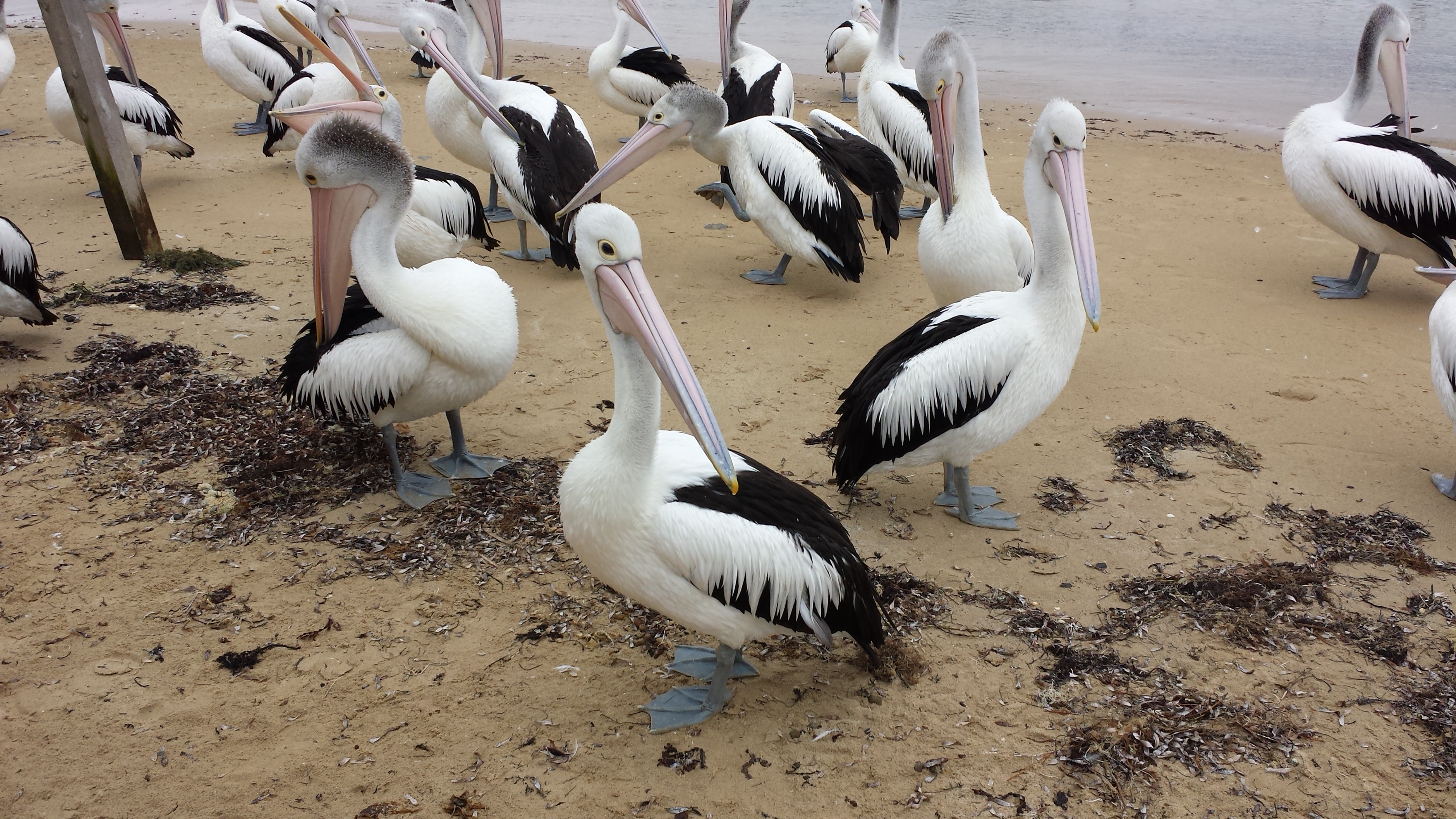
On Philips Island we met Pelicans, whose eyes are really weird, if you look closely into them…Australian Pelican

And one of our walks, in particular, was spectacular, on Wilson’s promontory the scenery, and the wildlife are incredible:

1D8A2242

On our way back from ‘the prom’ we stopped to find a huge mob of grey kangaroos, and we were buzzed by white-throated Needletails, shwooshing past us at over 100 kh/hr.1D8A2258 1D8A2281

The kangaroos weird jewellery are from an on-going research project.

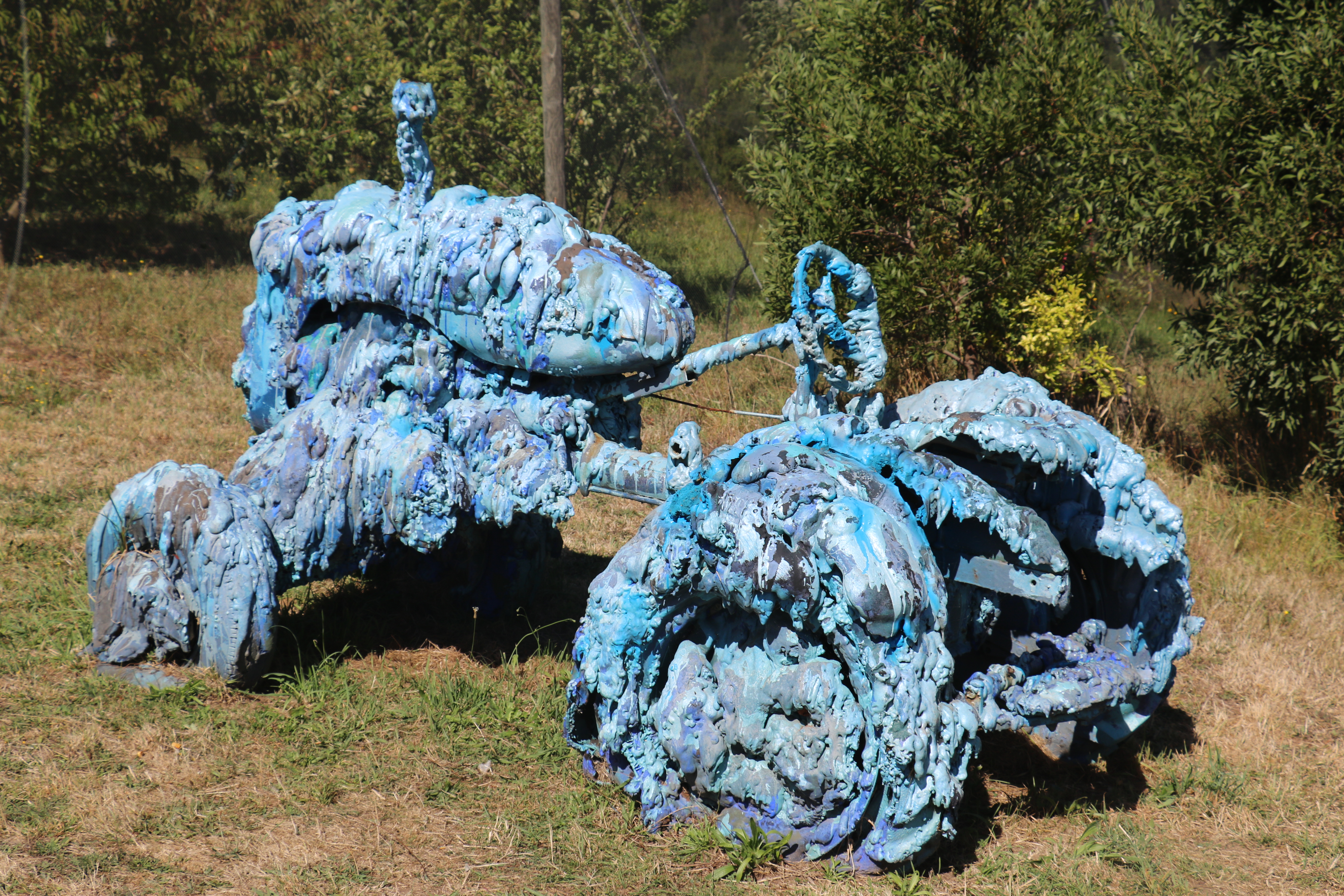
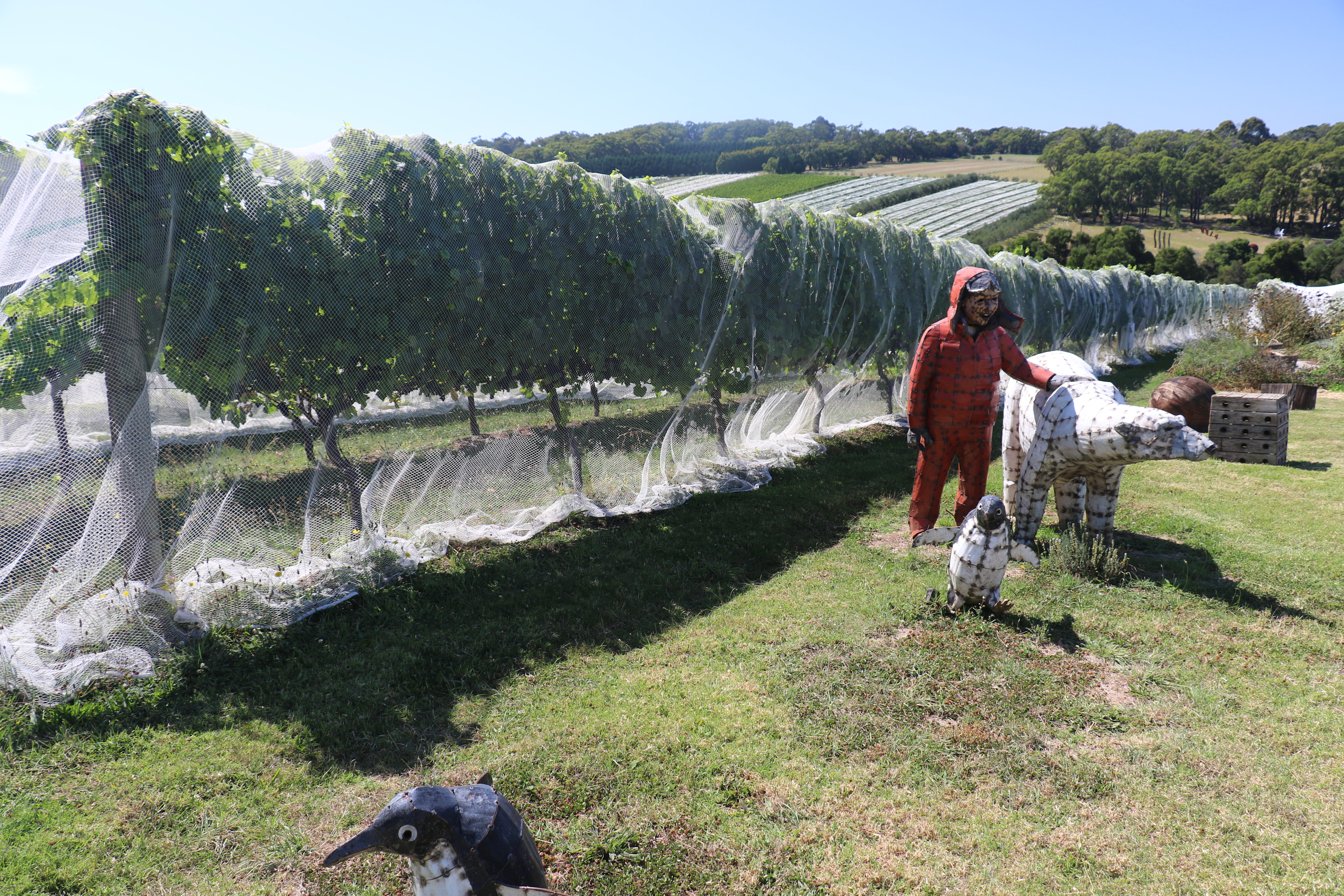
On the way back to Melbourne we stopped at Mont Alto, a beautiful and amazingly tasty vinyard, with many sculptures in the grounds, and well kept flower-gardens.

1D8A2425 1D8A2427 1D8A2415

Posted in Neonatal Research | Leave a comment

Not neonatology: trip to the antipodes, week 9, Apollo Bay

After a week in Noosa, we flew to Melbourne, then drove along the Great Ocean Road to Apollo Bay, or, in fact a few km before Apollo Bay. The house we rented was a few meters from the beach, and was the most amazing place I have ever been for wildlife. There was a dead tree in the garden which attracted a black-shouldered kite, flocks of Cockatoos, tree martins and starlings, the grassed parts of the garden attracted wrens, honeyeaters and various robins etc, and just by walking a few meters down to the beach there were plovers, herons, lapwings and others.

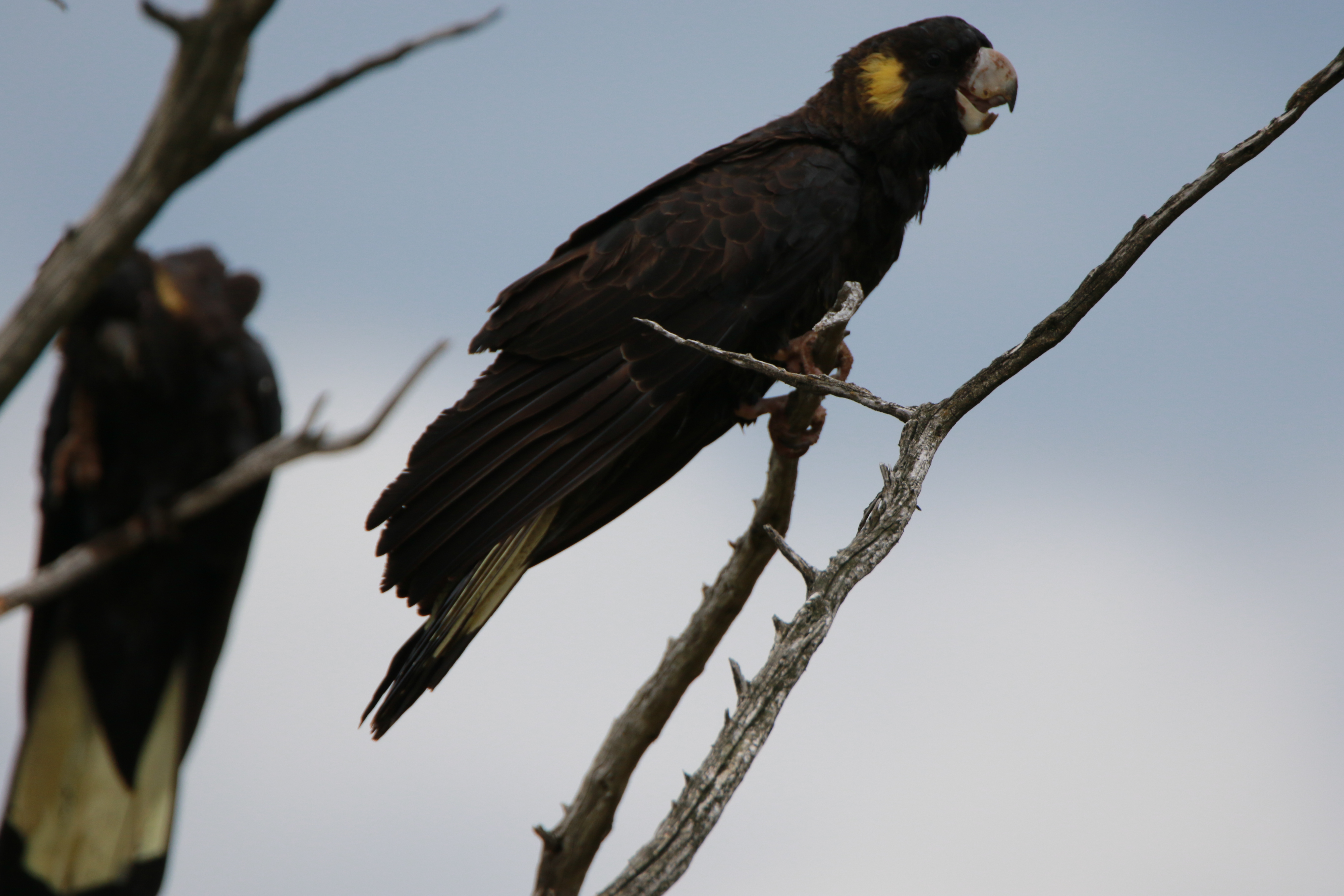
Here is a group of yellow-tailed cockatoos:

Yellow-tailed Black Cockatoo

1D8A0588

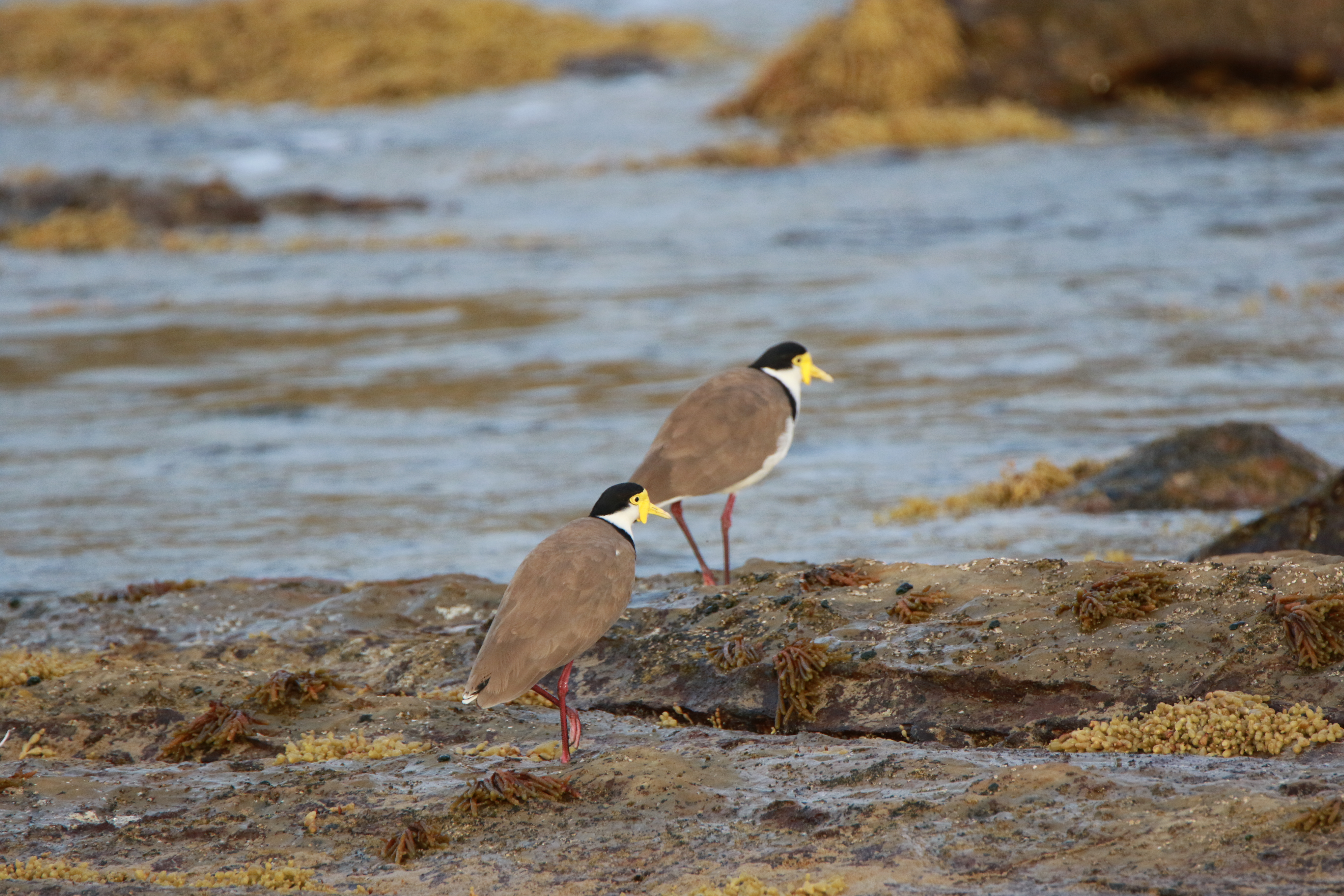
That is a black-shouldered Kite, here are two masked plovers:

1D8A0507

and here is a view of that tree and the shore-line at the end of the day.1D8A0842

Another day while we were there, we were honored to receive a visit from a Koala:

1-1D8A1343

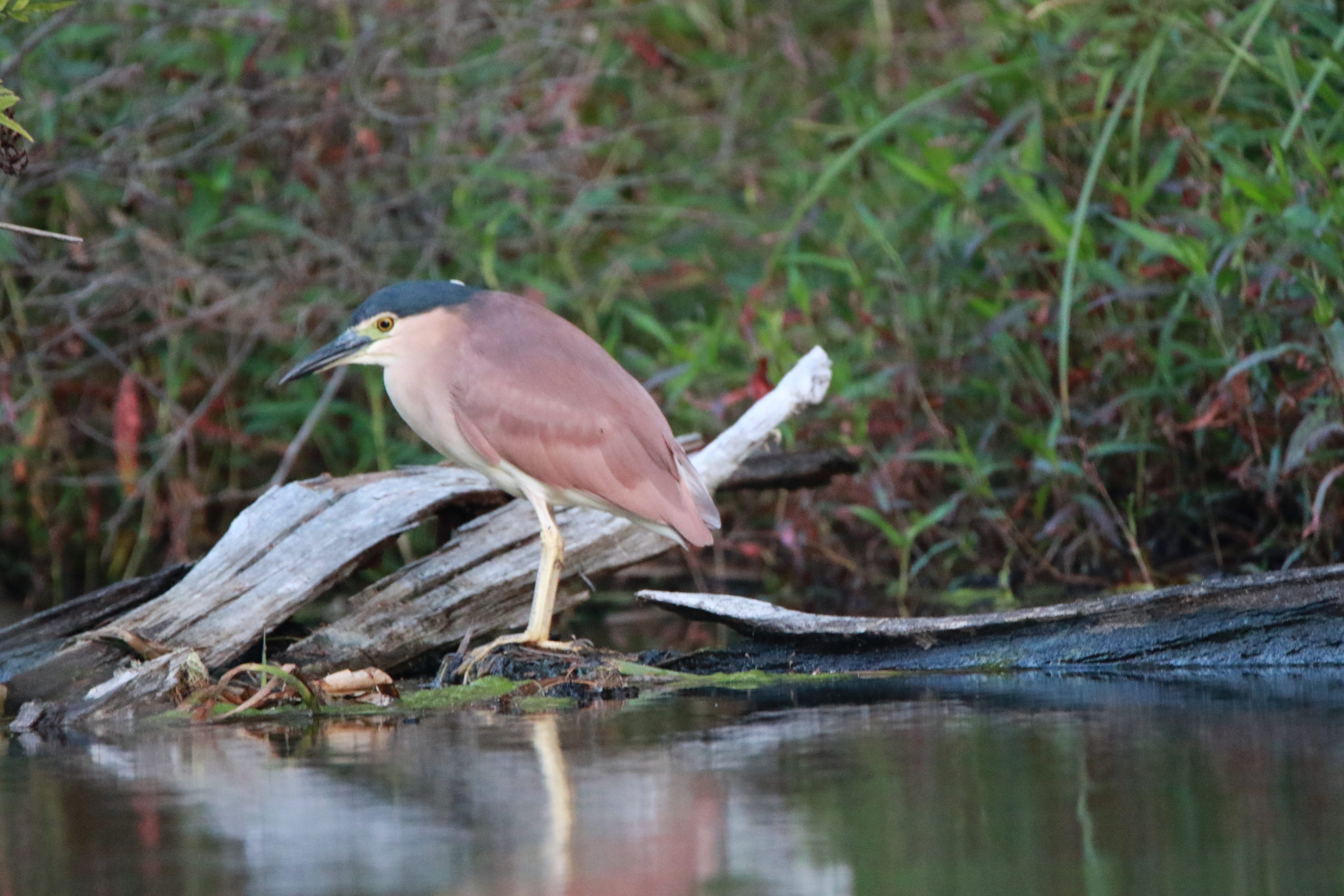
We also went on a trip to see Platypus, my sister and my son swear they saw a platypus, all I can say is that I saw some beautiful birds, including this Nankeen Night-heron.

1D8A1284


Posted in Neonatal Research | 3 Comments

Not neonatology : trip to the antipodes, week 8. Noosa

North of Sydney on the east coast on the Sunshine Coast of Australia is a town called Noosa. Noosa is a warm beautiful place to have a vacation, the town to my taste rather artificial, but it had the great advantage of a high-quality photography store. So replacing my, now clearly dead, camera was not too much of a hardship, except to my wallet.

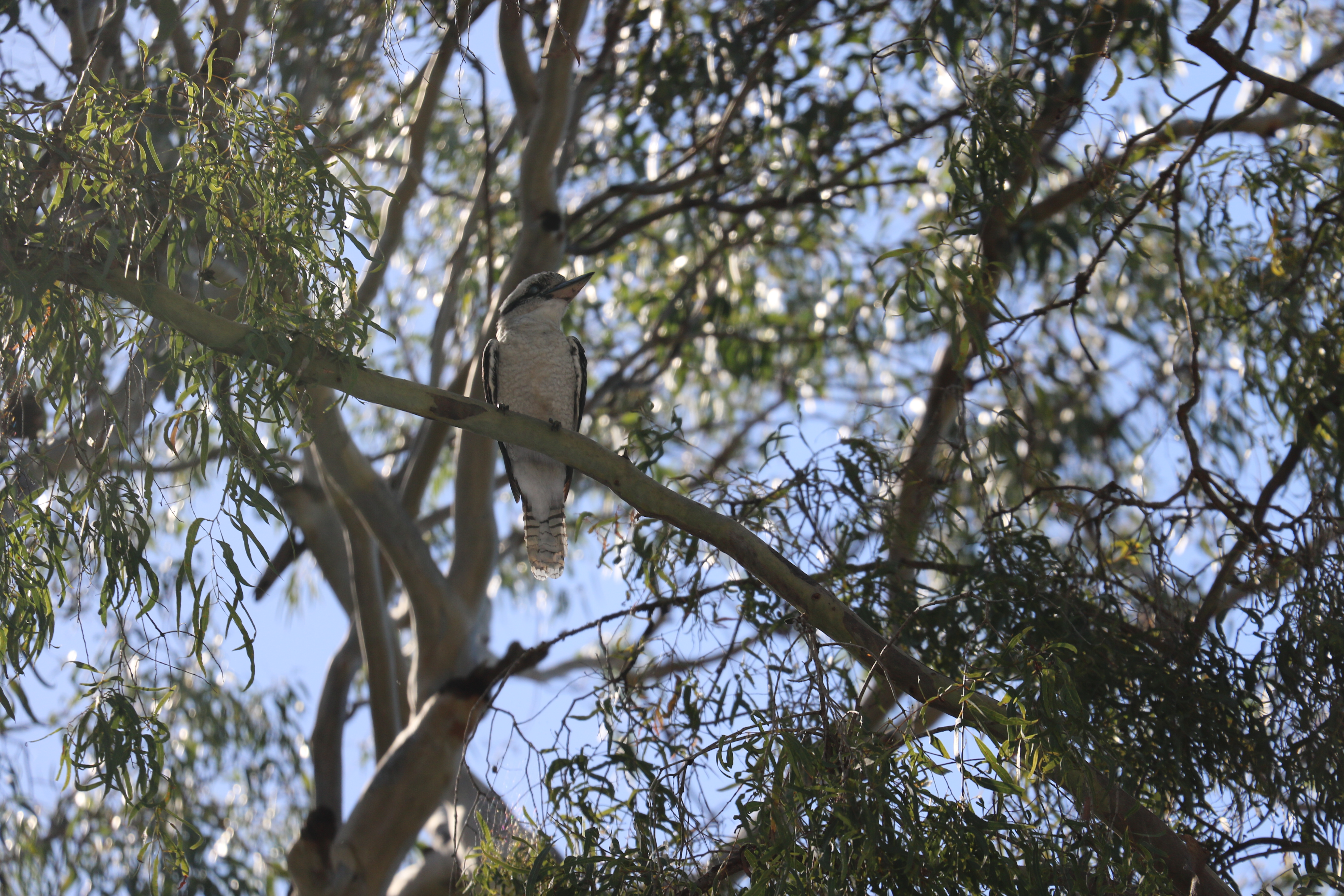
Laughing Kookaburra

The morning after our arrival in Noosa (and my trip to the camera store) we visited the Farmers’ market, where Annie had a mango salad which she still claims is one of the best things she has ever eaten, and where I saw my first Kookaburra!

Noosa, even though it is rather a tourist trap, is also very beautiful, and one of the most memorable walks of our trip was a hike through the Noosa national park.

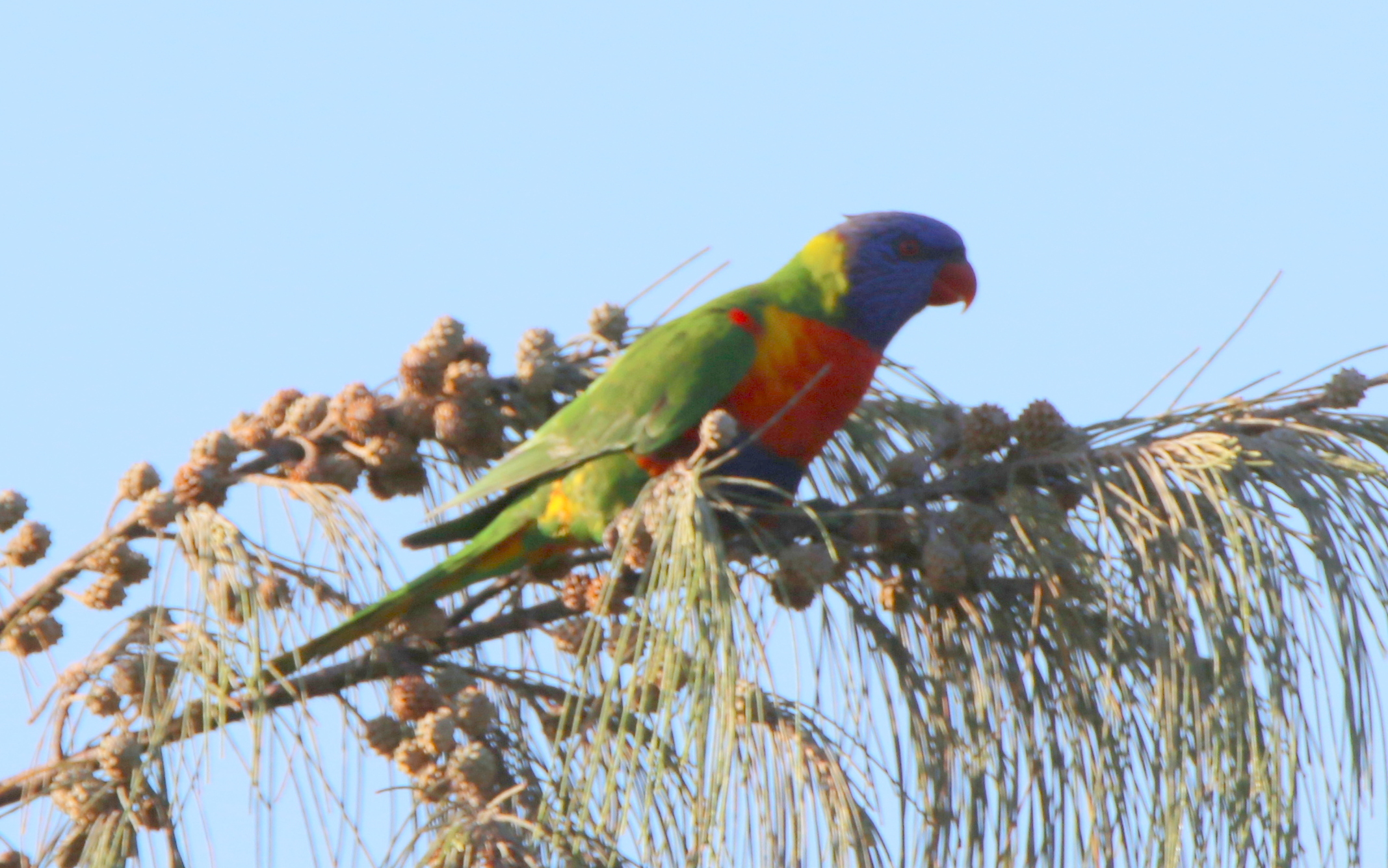
Rainbow Lorikeet

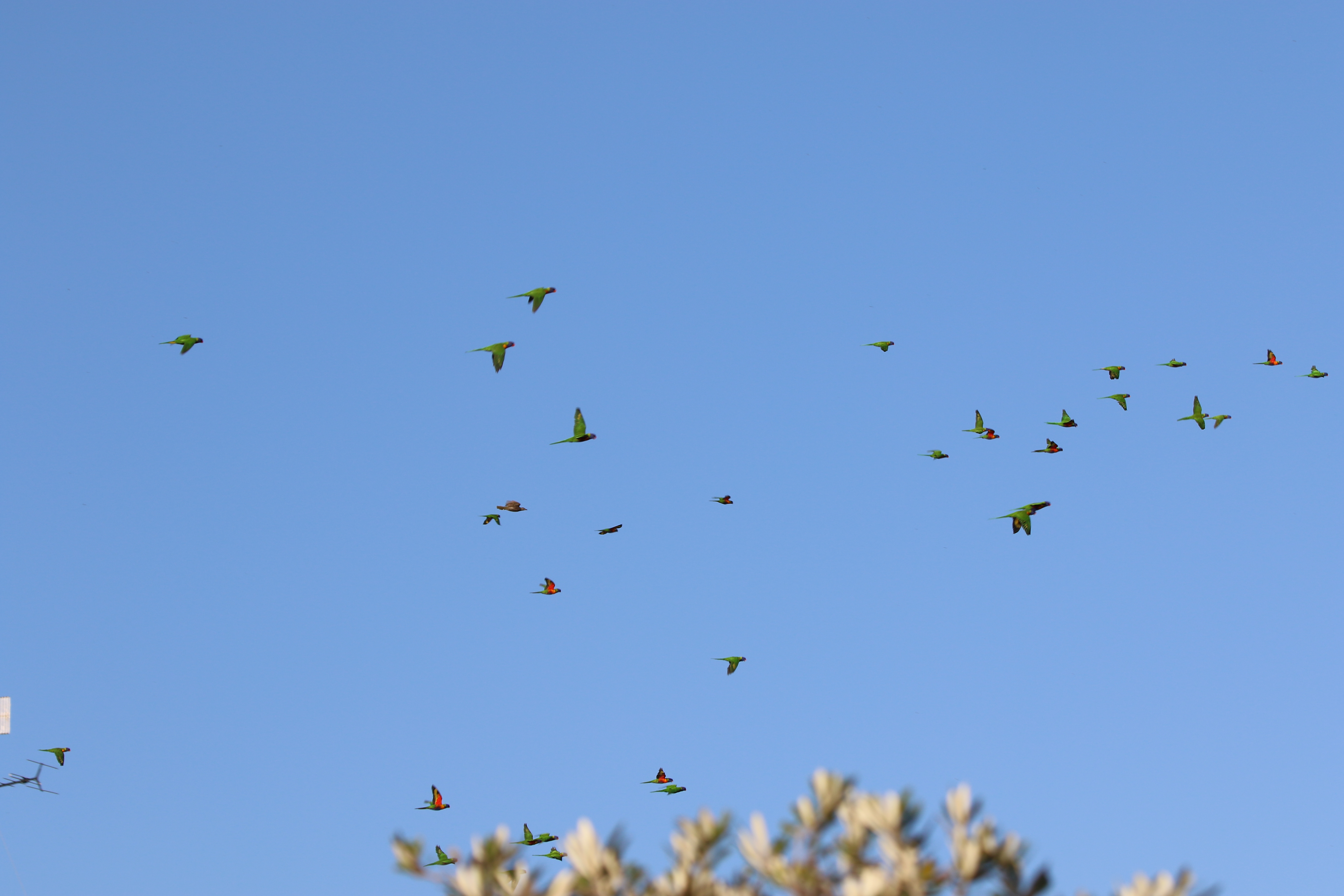
Rainbow Lorikeets like this one are everywhere, and early in the morning there was frequently a flock of them passing our house.

Rainbow Lorikeets

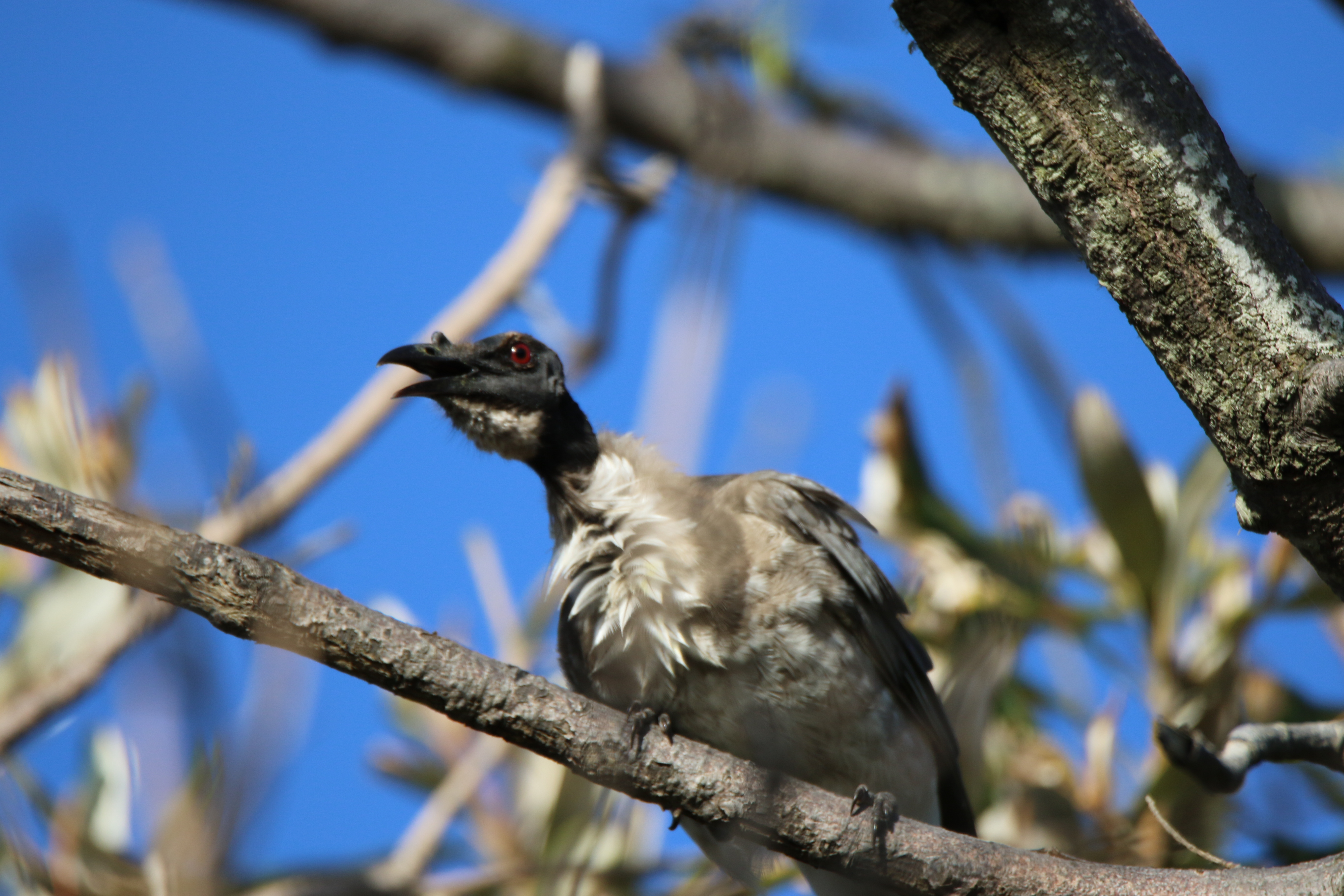
We saw our first Koala, in a tree in the Noosa park, and many different birds, including this honeyeater which is known as a friarbird. 1D8A0177


Posted in Neonatal Research | 1 Comment

Not neonatology : trip to the Antipodes, week 7. Sydney.

In Sydney we were joined by other family members, the childrens’ two grandmothers, and my sister and her husband. Our first day was very hot, and we spent it close to the water, on ferries around the bay, and walking through the Botanical Gardens. Here is the classic Sydney photo, Opera House, Bridge and tall ship.

IMG_5107

The obligatory Sydney photo is a photo of the bay for the simple reason that the bay is amazing. This was only my second time in Sydney, and it feels somewhat other-worldly, but a view of the harbour, is a unique and strikingly beautiful sight. I don’t know anywhere in the world quite like it.

For the rest of the week we explored Sydney. The 26th of January is both the Australian National Day, and my mother’s birthday. So as well as a great barbecue at a friend’s home (William Tarnow-Mordi is a great host), I was able to convince my mother that Sydney had put on fireworks for her 86th birthday.

The trip to Manley was one highlight, including the walk along the coast, and meeting the water dragons.

IMG_5148

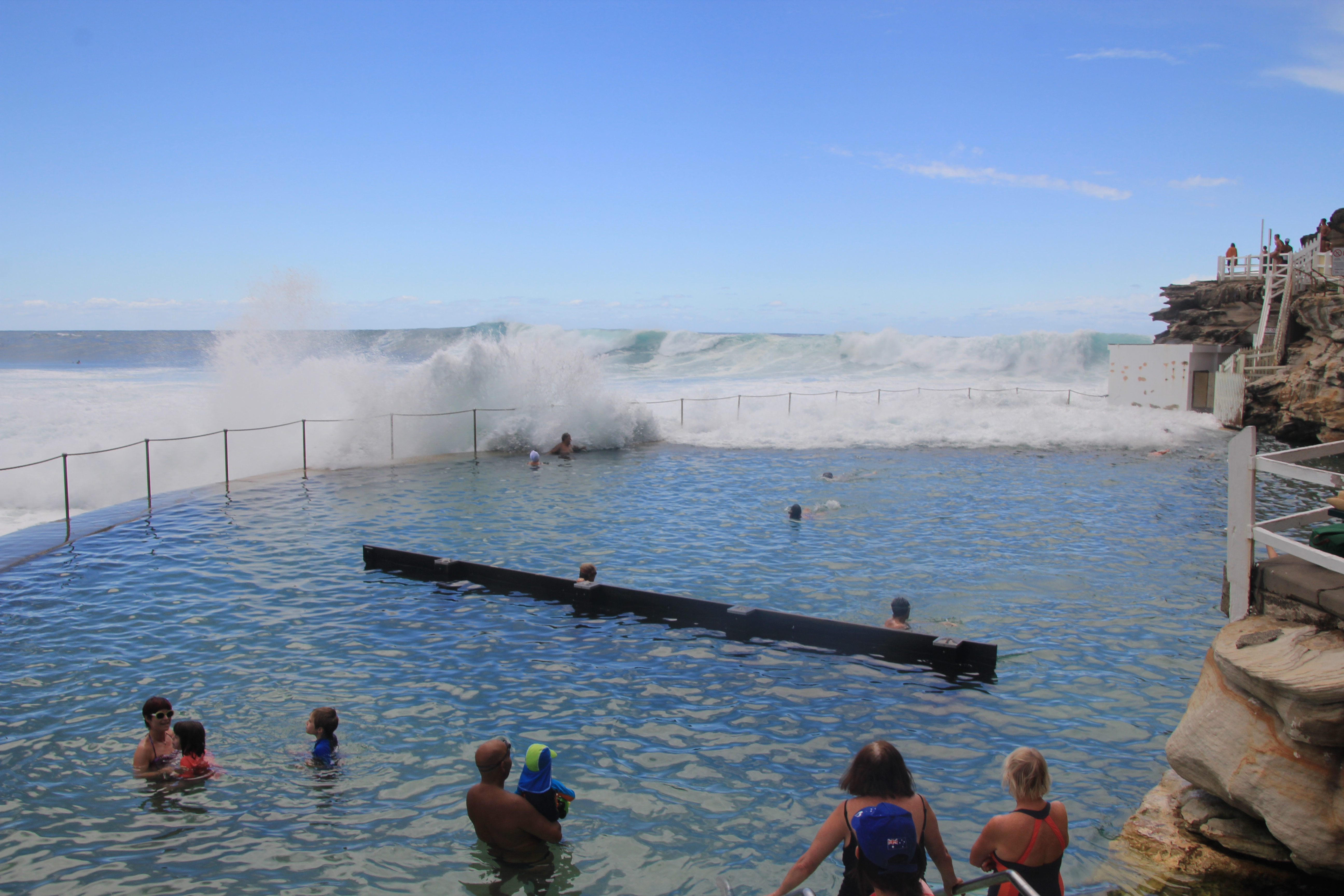
Later in the week we walked from Bondi Beach to Maroubra bay on a very blustery day.

IMG_5213

The waves were unpredictable, when I was taking photos of Tai playing on the beach, there was a freak wave which knocked him over, and as I scrambled up from where I was (about 15 feet from the water’s edge I thought) trying to make sure he was alright, my camera was well-washed by sandy salt-water. Instant death (of the camera, not Tai, thank Odin) … Now what?

Posted in Neonatal Research | Leave a comment

Premies with Sepsis, what is happening to the circulation?

This is  a study of the hemodynamic profile of preterm infants who have septic shock, compared to matched controls. And an analysis of changes after institution of therapy.

Saini SS, Kumar P, Kumar RM: Hemodynamic changes in preterm neonates with septic shock: a prospective observational study. Pediatric critical care medicine: 2014, 15(5):443-450.

This is, I think, almost unique data. There is a previous study of the hemodynamic profile of infants who were thought to have sepsis (from Koert de Waal and Nick Evans) but not, like this study, restricted to that group of babies that are most problematic and high-risk, those in shock.

We really need data like these in order to be able to decide which kinds of therapy to test. I was, based on guesswork rather than data, of the opinion that septic shock in the newborn was often different to the kind of urosepsis that is a common cause of (usually gram negative) septicemia and warm shock in the adult. That was largely based on animal data, particularly data based on animal modelf of GBS sepsis .

This study using mostly echocardiography, along with clincial assessment, studied 52 preterm infants with a diagnosis of septic shock, half of whom had positive cultures. There were 52 infants matched for gestational and postnatal age who served as controls.

One thing these authors did not do was to divide the cases by cause of sepsis, I think it is likely, or at least possible, that gram negative organisms and their endtoxins lead to a differnet hemodynamic profile than gram positive organisms. Certainly in the studies I mentioned in newborn animals with GBS sepsis, they usually have a low cardiac output, and cold shock, which is a bit different to what these authors show, in their preterms. Of the 26 babies with positive cultures, 18 had gram negative organisms. I guess with only 8 ‘others’ (6 gram positives, 2 fungi) an analysis by type of organism would be problematic, but on the other hand it would have helped people to have preliminary data to see if enterococcal or staphylococcal sepsis might be different.

There are some findings, though, which are difficult to understand, for example, the study reports a substantially higher left ventricular output, LVO, in the septic babies than the controls, suggesting vasodilatation as an important cause of the shock, which is understandable, but at the same time, RVO was higher than LVO in both groups, and was essentially the same in the 2 groups, meaning that in the controls RVO was very much higher than LVO, while in the septic shock babies it was only slightly higher.

To have a right ventricular output so much higher than left is quite surprising. Usually, of course, with an open PDA and a left to right shunt, the LVO is higher than the RVO. If there are no shunts at all, the 2 are obviously equivalent. If the RVO is that much higher than the LVO, then maybe the control babies had large left-to-right inter-atrial shunts, which woud be strange, or large right to left PDA shunts, which also wouldn’t make a lot of sense.

Other published data are consistent with what I am saying here, for example, this study (Sirc J, Dempsey EM, Miletin J: Diastolic ventricular function improves during the first 48-hours-of-life in infants weighting <1250 g. Acta Paediatr 2015, 104(1):e1-6.) shows LVO consistently greater than RVO and increasing over the first 48 hours of life.

Which suggests to me that maybe there is a systematic error in the measurements by this group, inflating RVO. So we should treat these data with caution, and note that they suggest that vasodilatation is common in preterm babies with gram negative sepsis, or with negative cultures and similar clinical findings. But they can’t be considered definitive.

Further studies of the hemodynamics of septic shock are need to confirm these findings in the systemic circulation and clarify what is happening in the relative outputs of the 2 ventricles, and the circulatory shunts.

When we look at the effects of therapy, the authors were able to have before and after data from 41 septic babies who receive either dopamine or dobutamine. They didn’t show much in teh way of changes, apart from some increases in heart rate, particularly with dopamine.

More data about infants with septic shock would definitely help to determine which therapies are the most appropriate to study.

Posted in Neonatal Research | Leave a comment

Updated Photo Page

I have just added another batch of Australian Bird Photos, and reformatted the ‘Photos’ page on this blog.

Hope you like them: if you click on one of the photos you can see a high-resolution version.

Posted in Neonatal Research | Leave a comment

What is the news about probiotics?

A few things have been happening recently: first of all, the big news was that Solgar recalled ABCDophilus as a result of some contamination of the product. As many of you will probably know, there was fungal contamination of the final product which was associated with a preterm infant developing intestinal mucormycosis, which was fatal.

Quality control and highly reliable products are essential for preterm infants. Complications, expected (at least in retrospect) and unexpected, have been frequent in the brief history of neonatology. I am on record as having suggested that ABCDophilus might be an appropriate preparation for use in the NICU, it certainly appears to be effective, it was the preparation used in the Australian Pro-Prems trial. Solgar, the company that supplies ABCDophilus, do not I think, produce the organisms themselves, they appear to be responsble for the final compounding, which is the stage that seems to have been contaminated. This case emphasizes how essential good quality control is. In order to ensure that the benefits of probiotics are maximized, we have to avoid such risks.

As most things in medicine and in neonatology, an intervention should be used based on the balance of risks and benefits, and how those risks and benefits are valued by the patient or their family. Avoidable risks such as this one should of course be avoided. It would be a great mistake to suggest that this is a valid reason to avoid introducing probiotics. Previous problems in manufacture of medical devices or medications have led to withdrawal, correction, and re-introduction. We need reliable and safe products for preterm infants, the one we use in Montreal certainly seems to fit those criteria.

In other news, the Pips trial has been presented, although not yet published. This large high quality multi-center trial from the UK randomized 1000 babies to placebo or to a single species probiotic (a Bifidobacterium Breve). The primary outcome variable was survival without NEC or late onset sepsis. NEC stage 2 or worse occurred in 10% of controls and 9.4 % of treated babies. In isolation such a small change could easily be due to random chance alone.

Why the benefits of probiotics in this trial should be less (or absent) is not immediately clear. Among the possibilities, this study avoided biases that exaggerated the benefits in other studies: this study suffered from biases that reduced the benefits: the organism chosen was less effective for this purpose (or less effective at colonizing the infants’ intestines): random variation in efficacy across numerous studies.

The 95% CI of the relative risk from this individual trial are from 0.68 to 1.27. Which means that although this was a high quality trial, it cannot with confidence exclude a substantial benefit (or indeed harm) or probiotics.

Two other trials have also recently been published. Sanjay Patole and colleagues performed a small study with the primary objective of ensuring that their preparation and strain of B breve succesfully colonized their babies, without adverse effects. They had about 80 babies per group (with or without probiotics) and had only one case of NEC, in the placebo group.

In another trial, this time from Turkey, probiotics were administered to 2 of their 4 groups, either with or without inulin, a prebiotic molecule. The other two groups were either control, or received only inulin. The 400 babies were eligible if they were under 32 weeks, and less than 1500 grams, and fed before 7 days  of age. The controls had an 18% incidence of NEC, which was a little lower in the prebiotic group (12%), and much lower in the probiotic group (2%) and combined group (4%). The probiotic organism they used was a Bifidobacterium Lactis.

I haven’t seen any other RCTs, so if we add all these data, Pips and the other studies, to the meta-analysis we get a Forest plot which looks like this: (I must emphasize that this is not the same as an updated systematic review: much more methodologic rigour is required, but I think it gives an indication how the data currently stand).:

Forest plot

What I think this means is that we now sorely need comparative trials. We have to find out if the differences in efficacy are due to random variation, or is there a real difference in the efficacy of the organisms used.

I think it might well turn out that some probiotic organisms, perhaps because of differences in their utilisation of prebiotic molecules (I will come back to this) are less effective at preventing NEC. The only way we will know is if we perform very large comparative trials. NEC is such a devastating disease, with long-term consequences, that we have to find out.

Finally, the other news is that a case series of bifidobacterial bacteremias has been published. Two of the 3 cases were transient bacteremias requiring no therapy, the third was an infant who develoepd NEC despite prophylaxis and grew B longum which is the strain found in Infloran, which all 3 affected infants were being given.

In contrast to the avoidable contamination of ABCDophilus with a fungus, this complication is, I would think, an unavoidable cost of using probiotics. At some point, after treatment of many thousands of infants with probiotics, it was inevitable that this type of complication would arise. This is not to say that we should ignore this risk, but it must be weighed against the enormous proven benefits.

Remember that if you use unpasteurized breast milk in your infants, you are already giving them bifidobacteria, of varying species and strains. B breve, B longum and B bifidum have all been found in breast milk, and probably others also. We do not have the choice to leave an infants gut sterile, in any case it would not be a good idea! Giving a nudge in the right direction with a reliable probiotic preparation is about the best we can do at present.

As a post-script I learnt in Australia that Koalas transfer their microbiome as they start to wean their infants. The mother Koala produces a special stool (pap) that is eaten by the baby. Which is just another excuse for a photo.  This little guy came into the garden of the house we rented near Apollo Bay in Victoria. Eucalyptus leaves are a poor nutritional source, and toxic for most mammals, so Koalas need their intestinal microbiome in order to thrive.1-1D8A1343


Posted in Neonatal Research | Tagged , , | 4 Comments

Not neonatology : the Antipodes, Farewell New Zealand

Saying goodbye to New Zealand was tough. The amazing scenery, spectacular geothermal region, and unique wildlife, although expected, exceeded all my expectations. What was a bit unexpected was the sincere, open, friendliness of the people, we never met anyone who was not helpful and generous.  I don’t think that was just because we were foreigners, as we experienced the same attitude whether people knew we were visitors, or not. I don’t think I could manage to be so unfailingly good-natured, so maybe I wouldn’t fit in here.

I was also very impressed by the approach to environmental protection, which seems to be a priority for every decision that is made. Good luck to them, they have a great deal which is unique, and sorely needs protection. Half of the bird species that were endemic when the Maoris arrived are already extinct; most of those in the last few decades.

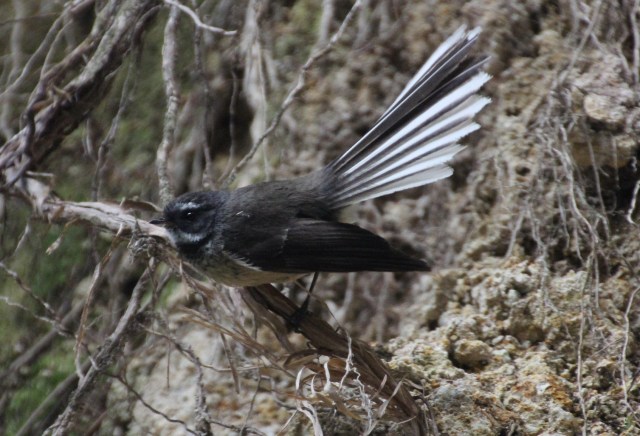
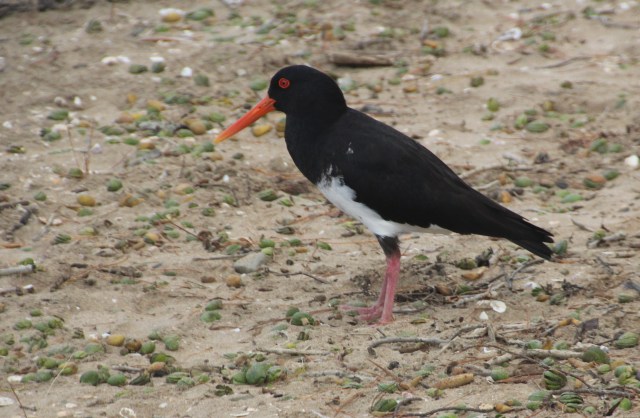
Which is an excuse for another series of photos:

Posted in Neonatal Research | Leave a comment