Death of a twin

Twins are much more likely to end up in the care of the NICU than singletons, and much more likely to be extremely preterm, and as a result the phenomenon of having one of twins die, while the other remains in our care, is not rare.

When I was younger, I used to think it was kind to stop referring to the surviving twin as ‘twin B’, and to remove reference to the deceased twin from the name card of the survivor. I think now that I was wrong, that we should recognize the deceased twin, and help the parents to cherish their memory without trying to erase them from the NICU.

Although I am often somewhat dismissive of qualitative research, which frequently makes excessive extrapolations from tiny data sets, there are some questions that require a qualitative approach. For example “what is the experience of mothers who have lost one of a pair of twins?”

This article from last year is a report of a quantitative study of 14 mothers who had lost one of a pair of twins, 5 antenatally and 9 after birth, in the NICU. (Richards J, et al. Mothers’ perspectives on the perinatal loss of a co-twin: a qualitative study. BMC Pregnancy & Childbirth. 2015;15(1):1-12. Open Access)

The message of the article is that, not surprisingly, this is a major life event which shakes mothers just like the death of a singleton, but that the health care providers can make a difference, sometimes with very minor effort on our part.

A good example of what NOT to say: ‘at least you’ve still got one’. And a mother’s response:

I know I’m really grateful I still have[surviving twin] but that’s like saying to someone that has a child of four and six and the six year old one dies, ‘well you’ve still got the other one, so that’s ok’.

An example of how profoundly the event can affect the family:

‘And [surviving twin’s birthday party] it’s a week after, it’s the Sunday after her birthday not at the weekend of her birthday because I couldn’t …I couldn’t em I just can’t, I just find her birthday a really difficult day’

One of the mothers reports that a nurse would often refer to the surviving twin using the wrong name, the name of the deceased baby. That is not a hard thing to avoid.

One message is that my old idea of removing the designation “twin B” from the surviving twins crib is something that we should discuss with the parents, ask them “do you want us to still keep that notation on the identification card, or not?”

There are many other good messages in the article, which as mentioned is open access. One of the less scientific parts of the manuscript, but the most helpful for clinical practice is a separate document ‘Recommendations for Best Practice’: A list of recommendations drawn from the data for health professionals, based upon the views and experiences of participants. Which you can also download freely from the BiomedCentral website, the link wasn’t immediately obvious to me, you have to scroll down to the end of the manuscript, but before the references to find the link. I copied the link and mapped it to the title above, which might work, but please go look at the article as well.

The recommendations are divided into sections, and I am not going to reproduce them all here, just a few highlights:

Acknowledging Bereavement

  • It is important to mothers that health professionals fully acknowledge parental grief at the loss of a twin whilst simultaneously focussing upon the care of the survivor.
  • Mothers value very highly health professionals who allow them time to talk about their loss and refer to the names of both their surviving and deceased twin.

Trauma and Grief

  • Health professionals should recognise that the traumatic nature of their loss can impact upon mother’s ability to process information or make decisions in respect of the surviving baby.

Information

  • Wherever possible, continuity of the care team is important for bereaved mothers. This provides ‘familiar faces’ for mothers with whom they build up relationships of trust during their time in hospital.
Posted in Neonatal Research | Tagged , , , | 2 Comments

TPN toxic?

Humans, after they are born, are supposed to receive their nutrition via the gut. Before that of course, they receive a continuous infusion of nutrition via the umbilical vein. We are far from having an intravenous nutrition mixture for sick preterm infants which closely reflects what the fetus receives from the placenta, but it is clear that we can affect the usual catabolic state of an unfed newly born preterm infant by initiating intravenous nutrition immediately. Whether this is safe and whether it improves clinical outcomes has not been proven in a strictly scientific sense, but immediately starting amino acid solutions for small preterm infants has become the “norm” in the NICU.

Once we leave the immediate neonatal period of course, there is no similar analogy; parenteral nutrition is abnormal, and could well have a different balance of risks and benefits. Which is not to say that we should ignore data from older patients such as these from this new publication.

A high quality new large 3 center RCT (Fivez T, et al. Early versus Late Parenteral Nutrition in Critically Ill Children. The New England journal of medicine. 2016), the PEPaNIC trial, challenges the benefits of early intravenous nutrition in critically ill children, and is consistent with other data in adults. In studies from the adult ICU, early initiation of parenteral nutrition (I will call it PN) may increase infections, had no clear benefits, and, even among those who are extremely high risk of malnutrition, has not been shown to have benefit. This seems to be particularly true in adults who can receive early oral or enteral nutrition, adding early PN may be detrimental.

The new RCT is in  children admitted to the PICU with an expectation that they would have to stay for at least 24 hours. They were randomized to have early PN, or late PN. The protocol for early PN varied among the units, which is both a strength and a weakness of this study, all children received enteral nutrition as soon as it was thought to be safe; in one center the early PN was started on day 1 with an amino acid mixture, the other two centers started with a glucose infusion alone. All 3 centers added lipids on day 2, one of the centers started amino acids on day 2, the third added the amino acids on day 3.

The late-PN group had no intravenous nutrition until day 8.

The main finding of the study was that early PN led to an increase in the proportion of patients who developed a new infection during hospitalisation. The biggest increase was in respiratory infections, which brings me to one question I have about this study; there is no definition of the primary outcome in the paper, nor in the study protocols, which are available from the FPNEJM (formerly prestigious new england journal of medicine). In the supplemental appendix it is noted that the diagnosis of infection was made by “infectious disease specialists” blinded as to treatment allocation, who reviewed the hospital charts of every patient who had more than 48 hours of antibiotics, started after arriving in the PICU. They give a reference at that point, (Horan TC, et al. CDC/NHSN surveillance definition of health care-associated infection and criteria for specific types of infections in the acute care setting. American journal of infection control 2008;36:309-32) which does contain widely used definitions of infections, but the manuscript, and the appendix, don’t explicitly say if those were the definitions that had to be followed in each case. If we assume that to be so, then the blood stream infections are easy-ish, diagnosing respiratory infections is much more difficult, especially in the newborn were there are no validated definitions of ventilator associated pneumonia. If the infectious disease specialists were indeed effectively masked to treatment allocation, this may not produce a bias, but might add some random noise.

I am going into some detail about this study, as, even though it was in a PICU population, 209 of the 1440 patients were newborns who had been born at full term, that is they were less than 28 days old on admission to the study. Subgroup analysis revealed no statistically significant differential effect between the newborns and the remaining patients. By which I mean to say that early PN was just as harmful in the newborns as it was in the older children.

The overall study outcomes were: an increase in new infections from 10.7% with delayed PN to 18.5% with early PN, airway infections increased from 4.2% to 8.2%, and bloodstream infections from 1.4% to 3.2%. Other infections were rarer and not affected. So the Odds ratio for developing a new infection was 0.48. It was 0.47 among the newborn subgroup, (95% CI for the adjusted OR for the overall analysis, 0.35, 0.66).

The other primary outcome was length of PICU stay, which was substantially  longer with early PN, from an average of 6.5 days to an average of 9.2 days. The newborns also had a longer PICU stay if they had early PN.

Among the secondary outcomes, the duration of mechanical ventilation was longer with early PN, 6.4 days on average compared to 4.4 days.

Mortality was almost unchanged in the study, 6.1% with early PN  and 5.3% with late. there was more hypoglycemia with the late PN, but that was the only potential advantage of early PN.

As I mentioned above, the results are similar to other studies in adults, in particular a study of over 4000 adult ICU patients run by the same group from Leuven. In that study adults who were mostly able to tolerate some oral or enteral nutrition were randomized to a similar comparison to the PEPaNIC trial. That study also showed an increase in infections and increased duration of ICU stay with early PN, and no difference in mortality. In contrast another study in 1372 adults with contraindications to enteral nutrition showed no difference in infections and shorter duration of assisted ventilation when they were randomized to early PN, compared to delayed PN. In yet another, much smaller study among 300 adults randomized after 3 days in the ICU if they were receiving less than 60% of their nutritional needs enterally. In that study the group that did better was the early PN group, who actually had fewer nosocomial infections.

Which is all a bit confusing, but in general, I would suggest the following interpretation: it seems to me that if you can get very little or none of your nutrition by the enteral route, that early PN has benefits, with maybe a reduction in ventilator days, and an uncertain effect on infections. If there is no contra-indication to increasing nutrition by the enteral route as quickly as possible, then adding early PN, just to try and get the numbers right in terms of calorie and protein administration, may have a balance of negative effects with an increase in infections.

What are we neonatology folks going to do about this? I don’t know, is the simple answer. I don’t routinely start PN on admission for full-term babies in the NICU, but many of them get started very quickly afterward, often ordered the next morning, unless enteral nutrition can be increased quickly. Some full term  babies with gastrointestinal anomalies who we can’t feed get PN very quickly, and get it increased rapidly

So the question is relevant to our babies, if we delayed PN for a few days while increasing enteral nutrition, might they do better?

How are our babies different to those in PEPaNIC?

In my NICU, most of our full term babies are admitted on day 1 or 2, with a few others through to the end of the first week, thereafter they are admitted to the PICU. Very few of the babies in the PEPaNIC study would have been admitted on day 1, if admission patterns in Belgium (and the 3rd site in Edmonton Alberta) are like ours. How much difference might that make? We worry that a period of low calorie intake after birth leads to a catabolic state, which can be reversed by good PN. But, many acutely sick older children are also catabolic on admission to the PICU. So it may not be that much different a situation.

As for the diagnostic mix, The authors state that diagnostic group did not interact with the benefits of delaying PN.

The frequency of new infections among these children seems high compared to what I can find from NICU publications. In the latest CNN annual report for example, the incidence of blood stream infections more than 48 hours after birth was 1% (The definition is “after birth” not “after admission” so this definition leaves the possibility that there might be a few babies admitted with a diagnosis of sepsis at 3 days of age who would be included in the CNN definition, but not in PEPaNIC) , 64 babies among 6,200 babies of 37 weeks gestation or more admitted to the NICU and surviving more than 2 days. Some of these babies will likely be of lower risk than the babies in the PEPaNIC trial, but I think most term admissions to the NICU have a predicted length of stay of at least 48 hours, and many are critically ill. Having been attending staff in both NICU and PICU, I don’t think PICU very young infants have an overall systematically different severity of illness than the NICU term babies.

Overall, I would guess that I have to say that the newborn stratum of the PEPaNIC trial are potentially relevant to NICU term babies. The differences with preterm infants are much greater, but even there the relevance is not so far-fetched.

As these authors note, prior observational studies showed associations of early nutritional support with improved outcomes. Which shows again the importance of randomized controlled trials.

Which means (drum roll) I think we need a large enough trial in the NICU term population to investigate the risks of early PN. It should be stratified according to whether enteral nutrition is extremely limited or nil, in one stratum, compared to rapidly advancing in the other, and should compare very early PN to PN delayed until…. when? Perhaps for our population, a good date for late starting of PN would be when the nutritional deficits are accumulating, rather a strict number of days; but the size of the potential effects seems quite large, and certainly worth investigating.

If a term NICU trial shows the same adverse effects if early PN as PEPaNIC, then a further preterm trial might be warranted even though, at present, all the data we have supports giving PN immediately in the very preterm; as science-based medicine advocates, we have to always be ready to admit, “I might be wrong”.

Posted in Neonatal Research | Tagged , , , | 4 Comments

Neonatal Updates

Sehgal A, et al. Systemic arterial stiffness in infants with bronchopulmonary dysplasia: potential cause of systemic hypertension. J Perinatol. 2016.

Elevated systemic pressures are common in infants with moderate or severe BPD; why? Dr Sehgal and his colleagues performed vascular ultrasound in 20 preterm infants with BPD, 7 preterm infants without and 20 term controls. The differences in findings between preterms without BPD and term controls were minor; BP was higher in the babies with BPD, and in addition the aorta intima-media thickness was greater, the stiffness index was greater, and the calculated vascular resistance was higher.

Rao SC, et al. Probiotic Supplementation and Late-Onset Sepsis in Preterm Infants: A Meta-analysis. Pediatrics. 2016;137(3):1-16. Updated systematic review of the effects of probiotic supplementation, this time concentrating on systemic, late-onset sepsis. Probiotics were associated with a 14% reduction in sepsis. The very real previous concerns of the risks of feeding immuno-incompetent preterm babies with live organisms have not been confirmed quite the opposite.

The latest systematic literature search that they performed found now 37 RCTs enrolling over 9,400 babies. I wasn’t aware of 3 of the trials, and there are also 3 or 4 abstracts that I hadn’t seen.  The 3 fully published RCTs that were new to me are :

Tewari VV, et al. Bacillus clausii for Prevention of Late-onset Sepsis in Preterm Infants: A Randomized Controlled Trial. Journal of Tropical Pediatrics. 2015;61(5):377-85.
Van Niekerk E, et al. Probiotics Reduce Necrotizing Enterocolitis Severity in HIV-exposed Premature Infants. Journal of Tropical Pediatrics. 2015;61(3):155-64.

Totsu S, et al. Bifidobacterium and enteral feeding in preterm infants: Cluster-randomized trial. Pediatrics International. 2014;56(5):714-9.

The two from the Journal of Tropical Pediatrics are from India and South Africa respectively, and show positive results, the report from South Africa enrolled babies under 1250 g birthweight, and more than 50% of their mothers were HIV positive. 4/93 placebo babies developed definite NEC compared to 0/91 probiotic babies. There was an apparent reduction in severity of NEC in the HIV exposed babies. From the hospital in New Delhi 244 babies under 34 weeks were enrolled, the incidence of sepsis was relatively low, and slightly, but not significantly lower in the probiotic group (they had very few NEC, 2 in each group).

The Totsu trial was a cluster randomized trial in 19 tertiary NICUs in Japan who enrolled 283 VLBW infants. They had no NEC in either group(!) and significantly less late-onset sepsis with probiotics.

Mychaliska G, et al. Safety and efficacy of perflubron-induced lung growth in neonates with congenital diaphragmatic hernia: Results of a prospective randomized trial. Journal of Pediatric Surgery. 2015;50(7):1083-7. In a previous position I performed a couple of studies of partial liquid ventilation, which I found fascinating, and I hoped it might lead to a new approach to therapy in certain lung diseases, I though that meconium aspiration might be a good candidate disease, but that has become, in my practice at least, much less of  a problem, I think because of room air resuscitation, and more gentle neonatal care. After many years hiatus there is now some new work suggesting that in some babies, that is, babies with diaphragmatic hernia on ECMO, maybe there will be a role. You can make even normal lungs grow by introducing a distending pressure, and the weight of perfluorocarbons is such that they can stimulate lung growth.  A very attractive idea in babies with CDH. Sixteen babies were randomized to either receive partial liquid ventilation with a CPAP of 8 cmH2O while on ECMO, or to have PEEP at 8 cmH2O while on conventional ventilation. The protocol changed a couple of times during the study which makes the results, although interesting, difficult to really interpret. They measured the lung area of the hypoplastic lung on chest x-ray each day, and indeed the lungs did grow. Quite a lot. But the pulmonary hypertension was not any better. Which is disappointing to say the least. I don’t think this is the end of the liquid ventilation story, but it will be hard to think what to do next, how to make the lungs grow and at the same time to remodel their vasculature.

Osman M, et al. Assessment of pain during application of nasal-continuous positive airway pressure and heated, humidified high-flow nasal cannulae in preterm infants. J Perinatol. 2015;35(4):263-7.This was an observational study of PIPP (premature infant pain profile) scores during the initial application of respiratory support with either high flow cannulae (using a 2.4 mm binasal cannula) or CPAP using the INCA prongs. Pain scores were lower when applying the HFNC, and some of the scores in the CPAP group were quite high, 13% had scores over 12. Salivary cortisols also were higher in the CPAP babies.
Carnaghan H, et al. Effect of gestational age at birth on neonatal outcomes in gastroschisis. J Pediatr Surg. 2016.

Early birth of fetuses with gastroschisis was associated with delay in reaching full enteral feeds, prolonged hospitalization, and a higher incidence of sepsis.

No more to say about that.

van Vliet EO, et al. Nifedipine versus atosiban for threatened preterm birth (APOSTEL III): a multicentre, randomised controlled trial. Lancet. 2016.

Atosiban attacks the mechanism of uterine contraction, so it should be better than drugs which block all muscular activity. Or at least have fewer side effects in the mothers; taking lots of nifedipine is not very pleasant. Mothers in this study with threatened preterm labour were randomized; about 250 in each group. This publication is to me a model of a clinical RCT report. In addition to all the CONSORT guidelines there is a text box which includes information from a systematic review of the data before the study, describes the study and why they chose their primary outcome, reports their results and then updates the systematic review with their new data. After all that effort, there was no difference between groups in the composite neonatal morbidity outcome. Nor in delay of delivery of at least 48 hours, nor in the gestational age at eventual delivery, nor in serious adverse effects.

There was an incidence of 5% perinatal mortality in the nifedipine group and 2% in the atosiban group, which may have been due to chance, (RR 2·20 (95% CI 0·91–5·33)) but is enough of a difference that it should mandate further trials. Also, as mentioned above, nifedipine causes headaches, flushing and palpitations (in the mother of course), which may not be life-threatening, but can be quite unpleasant; atosiban, as far as I can see doesn’t usually do any of that; and that is enough for me to say that given our current state of knowledge atosiban should be pursued as a tocolytic agent. If you can get the same clinical outcomes with fewer very uncomfortable side effects, then it seems to me that the balance is on the side of atosiban.

The authors also note the following :

…worldwide nifedipine is not registered for use in pregnancy. This fact is of concern, especially since nifedipine is recommended as a first-line tocolytical drug in international guidelines.

Posted in Neonatal Research | Leave a comment

Does erythropoietin improve preterm babies development?

Ohls RK, et al. Preschool Assessment of Preterm Infants Treated With Darbepoetin and Erythropoietin. Pediatrics. 2016;137(3):1-9.

Robin Ohls has been working on Erythropoietin, and its longer acting analogue darbepoietin, for many years now. As well as demonstrating that it stimulates the bone marrow in preterm babies, it now is clear that erythropoietin in some models is neuro-protective. In 2014 she reported the developmental follow up of a randomized trial in infants of 500 to 1250 g birthweight, about 100 infants were randomized to either placebo, erythropoietin or darbepoietin and then followed to discharge and again at 18 months of age with a Bayley assessment of development. During the initial hospitalization the infants in the 2 intervention groups received half as many blood transfusions, and there were no significant complications (in particular no effect on retinopathy). At follow up the 2 “poietin” groups had better scores on the Bayley 3 cognitive composite and on the language composite. It must be said, though, that there are only 24 placebo babies in the follow up, and they had relatively poor scores on the Bayleys, 83 mean for language and 88 for cognitive. Although the differences were significant, these are lower scores than you would normally expect from an unselected group of babies under 1250 g, so it may be that by chance the outcomes of the followed-up babies in the placebo group were worse, the “poietin” groups results were in contrast 91 and 97 on those two scales.

The new data published in the last few weeks are from continued follow-up of the babies to 3.5 to 4 years of age. Unfortunately there has been a lot of drop off, so only 14 placebo and 39 “poietin” babies were examined with IQ tests, and tests of executive function. The previously shown differences persisted, but again it has to be noted that the 14 placebo babies had extremely adverse results, with a full-scale IQ mean of 79, and a performance IQ of 79 whereas the active treatment groups, taken together had means of 93 and 91.

If you were to compare this, for example, to the 5 year follow up of the babies in the caffeine trial, the mean IQ of the control group of babies, who were also of birth weight between 500 and 1250 g, was 97 for the full-scale IQ and 99 for the performance score. The CAP babies may have been lower risk (to be eligible, they had to be considered for caffeine treatment at less than 10 days of age, whereas Ohls’ study took any baby expected to survive for at least 48 hours) but those differences are enormous. The babies in Robin Ohls study were not all that sick either, judging from a mortality of 7% in the group after enrollment (it was just over 5% for the infants in the CAP trial). So the very poor scores in the controls can’t be easily understood.

Although these data for erythro- or darbe- poietin are hopeful, I think we definitely need to get more data from a much larger trial with high rates of long term follow up before we can be sure that this difference is really an effect of the medications. As darbepoietin seems effective, and there is no evidence of  a differential benefit of one bone-marrow stimulator over another, then darbepoietin, which can be given once a week instead of 3 injections a week would probably be the most appropriate to study in a trial.

Posted in Neonatal Research | Tagged , , , | 1 Comment

Early low dose systemic hydrocortisone to prevent death or chronic lung disease? Hold on a bit.

An important high quality trial has just been published, it has taken me a bit longer than usual to process the new info. Among other reasons a nice review was posted on the “other neonatal blog“, but I wanted to try and put this in context of the other similar published trials. The new trial is Baud O, et al. Effect of early low-dose hydrocortisone on survival without bronchopulmonary dysplasia in extremely preterm infants (PREMILOC): a double-blind, placebo-controlled, multicentre, randomised trial. The Lancet. 2016.

523 babies of less than 28 weeks, and at least 24 weeks, were enrolled and randomized (23 week gestation infants are not generally actively treated in France, so they weren’t included) in the first 24 hours of life. Infants who were severely growth restricted or asphyxiated were not included. They didn’t have to be on a ventilator or even requiring oxygen, so it was a true trial of prophylaxis. Babies received 1 mg/kg/d of hydrocortisone (divided in 2 doses) for 7 days followed by 0.5 mg/kg/d for 3 days, or placebo. The primary outcome was survival without bronchopulmonary dysplasia at 36 weeks. The study had a sequential analysis design, so sample size is not specified strictly in advance, an interim analysis was done every time an additional 100 patients reached the primary outcome. The maximum sample size that they were aiming for was 786 infants, but the study was stopped prior to that, not because they crossed the analysis lines showing efficacy or futility, but because they were running out of money and resources, so in March 2013 they decided they would have to stop in January 2014.

They found an improvement in the primary outcome, that was just “statistically significant”, that is, the estimated probability that such a difference would occur due to chance alone is 0.04, or 1 in 25. Neither of the 2 components of the primary outcome were individually statistically significant, but both were improved in the hydrocortisone group compared to control.

This study has something in common with  several other prior trials. I have summarized the previous trials that randomized all very preterm infants, or all very preterm infants on ventilators to low dose hydrocortisone starting before 48 hours. As you can see they all used relatively similar doses of hydrocortisone, and all except the latest study required babies to be intubated. Some of the babies were a bit larger than Baud’s subjects.

Publication Patient characteristics Dose per kg per day used.
Watterberg 1999 N=40, MV, 500-999g, <48h 1 mg x 9d, 0.5 x 3d
Biswas 2003 N=253, MV, <30 wk, <9h 1 mg x 5d, 0.5 x 2d (plus T3)
Watterberg 2004 N=360, MV, 500-999g, 12-48h 1 mg x 12d, 0.5 x 2d
Peltoniemi 2005 N=51, MV, 500-1250g, <36h 2 mg x 2d, 1.5 x 2d, 0.75 x 6d
Bonsante 2007 N=50, MV, <1250g (24-30wk), <48h 1 mg x 9d, 0.5 x 3d
Baud 2016 N=523, 24-<28 wk, <24h 1mg x 7d, 0.5 x 3d

The Biswas study also treated the experimental group with tri-iodothyronine, but T3 is not effective in improving survival or BPD so it could be left in a review for now.

I haven’t found any other trial data so far, if anyone knows of any, please let me know.

I did my usual thing and put the data in Revman to see what the Forest plots now look like.

The first is the meta-analysis of the effects on Death, which doesn’t look very impressive

Forest plot death

The next is the impact of hydrocortisone prophylaxis on BPD, which is similarly not “statistically significant”

Forest plot BPD

Finally the combined outcome of “death or BPD”, which is an outcome that should perhaps be junked, suggests a possible 11% reduction, but with an upper 95% confidence interval that is very close to 1.0

Forest plot death or BPD

These trials were all of reasonably good quality, with some heterogeneity in the 3rd of these analyses, if you do some sensitivity analyses, taking out the Biswas trial because it also used T3, the results are almost identical.

I think at this point we have to say the benefits of early low-dose universal hydrocortisone prophylaxis are “Not Proven”, either among all very preterm babies or among those who are ventilated. If there is a real effect it is probably not huge, but there is a potential for as much as a 32% reduction in mortality if you look at the confidence intervals for death. Unfortunately you will all guess what comes next, we need another bigger trial. Before designing such a trial however, the long term follow up of these trials should be collated, there have been some indications of adverse effects of adverse long term effects from the small Peltoniemi trial, but the data from the follow-up of Watterberg’s 2004 trial were reassuring. Long term outcomes of the new PREMILOC trial will be essential before either instituting this therapy, or performing another larger trial.

Posted in Neonatal Research | Tagged , , , , | 2 Comments

Lacuna trial now in print

Now available on-line the pilot trial of lactoferrin prophylaxis that I performed at Sainte Justine. (Barrington KJ, Assaad M-A, Janvier A. The Lacuna Trial: a double-blind randomized controlled pilot trial of lactoferrin supplementation in the very preterm infant. J Perinatol. 2016, on-line).

We randomized 79 very immature babies to have a dose of bovine lactoferrin each day in one of their feeds, compared to no lactoferrin. The pilot was performed to ensure that all of our procedures would work well in a future larger RCT. We used the same dose regime as Paolo Manzoni and his group, that is, 100 mg per day regardless of body weight, this is a bit unusual in neonatology, but in his trial it worked, with a huge decrease in late-onset sepsis, and we didn’t want to try a new dose in such a small pilot. The idea was to ensure we could adequately mask the administration, and at the same time to look at feeding tolerance, as there are potential differences in preparation methods between Dr Manzoni’s lactoferrin and the version we used (donated by AOR Inc, who had nothing else to do with trial design or analysis).

Lactoferrin has a pink colouration which makes it difficult to mask if you just mix it with water, for example, you have to find a placebo with a similar colour which is known to be innocuous in preterm babies. What we did was to mix the lactoferrin with one of the day’s feeds, which was done in a milk kitchen ( le “labo de lait”) which is next to the NICU, and staffed by technicians who prepare the milk, adding fortifier and so on, and put the correct quantity in a syringe for the baby, without other involvement in the care of the baby. We did some preliminary testing and found that even when the milk volume was small, there was enough variation in the colour of breast milk (over 90% of our babies were getting maternal breast milk) that the NICU staff could not tell which milk contained lactoferrin and which did not. At the end of the trial we asked parents which group they thought the baby was in (it was double-blind so the parents weren’t told which group their baby was in) and most of the parents, in both groups, thought their baby was getting lactoferrin, and they all basically thought that the baby tolerated their feeds well.

The study was designed with the primary outcome being time to full feeds, which wasn’t different between groups. Our other important clinical outcomes, including late-onset sepsis, were no different between groups, but the study was vastly underpowered for those outcomes. Which points out an issue that Willam Tarnow-Mordi has addressed recently: sometimes pilot trials are performed to get an idea of the effect size of an intervention, to help in calculating sample size for a future trial. Don’t do this. Our pilot had 7 lactoferrin babies and 8 control babies who had at least one episode of late-onset sepsis, this is about a 15% reduction in the rate sepsis, but the confidence intervals of that difference are huge, from a 75% reduction to a 250% increase, and those confidence intervals overlap withe the data from the Manzoni trial.

Two large multi-center RCTs are underway at present, hopefully we will get better a good answer to the question of the efficacy and safety of lactoferrin soon.

Posted in Neonatal Research | Tagged , , | Leave a comment

Videolaryngoscopy to teach intubation

Two recent randomized trials, one from our group, and another one from Melbourne have evaluate the role of the videolaryngoscope (VL) in teaching trainees in neonatology to perform endotracheal intubations. The two trials are structured differently and tell us different things about the use of the VL in teaching.

The first, from the Melbourne group, (O’Shea JE, et al. Videolaryngoscopy to Teach Neonatal Intubation: A Randomized Trial. Pediatrics. 2015;136(5):912-9) used the VL for all intubations, but covered the screen in a randomly selected half of the intubations. Just over 200 intubations were randomized, and there were 36 residents with less than 6 months NICU experience who performed them. During the intubation the residents were supervised, therefore during the study many of the residents were accumulating some experience, however there were 42 intubations performed by residents with no previous successful intubations, (so residents who failed an intubation were counted in that group each time they attempted until they got one) most of the residents therefore had very little experience in intubation. Residents had simulation training before attempting intubation of a real baby, and intubations in the delivery room or in the NICU were eligible.

Intubations were supervised using a fairly standardized script by a group of more senior people who could guide the intubation, and identify the structures for the residents during the procedure when the screen was uncovered, or just give tips about technique when it was covered. Each intubation was individually randomized, so a resident could potentially have several covered (or uncovered) intubations in a row.

The primary outcome was success during the first attempt at intubation. (I’m not sure what happened for subsequent attempts when the first failed, if the resident might try again or if someone else then took over.)

Intubations with the screen visible were much more likely to be successful on the first attempt than those with the screen covered (66% vs 41%), this was particularly so for premedicated intubations in the NICU, (72% vs 44%). In the delivery room the subgroup analysis was no longer statistically significant, but remained better for the uncovered group, 50% vs 30%. The duration of the intubations was the same and the number of babies desaturating was similar. Interestingly the first attempt at intubation averaged over 50 seconds duration, but was no different between groups. As the residents gained experience in intubating there was no improvement in success rate for the intubations with covered screen, but the uncovered, screen visible intubations became more and more likely to be successful at the first attempt.

In the other study, from our expert in pedagogical research, Ahmed Moussa and a group of colleagues at our institution (Moussa A, et al. Videolaryngoscope for Teaching Neonatal Endotracheal Intubation: A Randomized Controlled Trial. Pediatrics. 2016;137(3):1-8.) it was the residents who were randomized, not the intubations. So a resident with little prior experience of intubation was randomized, after the initial simulation training in the simulation center, to intubate either with the videolaryngoscope (this group had some extra training in the use of the VL, but no extra training in how to intubate) or a standard laryngoscope. Most of the residents had not previously intubated a neonate, although some of them did have a few prior attempts, and only intubations in the NICU were included. All of the resident were supervised by an attending or a fellow, many of the intubations were nasotracheal, about 70% (especially for the larger babies, that remains our standard in the NICU, if the tube cannot be passed easily through the nose then orotracheal intubation is performed) and 100% of the intubations were premedicated with atropine, fentanyl and succinylcholine.

The study was performed before we introduced our tiny baby intubation team, which I have mentioned here previously, so some of the babies being intubated were very immature, the median gestation was 29 weeks. The overall success of the intubation attempt was significantly higher with the VL than with a conventional laryngoscope, 75% compared to 63%, and the majority of the intubations were successful on the first attempt. Residents were allowed up to 3 attempts, if the baby is tolerating the procedure well, and the intubation was considered a success if the resident was able to insert the tube in those 3 attempts.  By the 7th intubation the residents randomized to the VL were successful over 90% of the time.

What Ahmed had thought when designing the study is that most of our residents, after graduation, will be covering delivery rooms, and neonatal nurseries in level 2 centers, where they won’t necessarily have access to a VL, so he wanted to ensure that if you learnt how to intubate with the VL, you could still intubate with a conventional device; The second phase of the study was that all residents intubated with a standard laryngoscope, the success rate of the VL residents dropped a little, but was not statistically different from the conventional group who continued to do their intubations with the standard device. He didn’t get as many intubations in phase 2 as he wanted, because the residents graduated from the program, which was very ungrateful of them. Therefore the power of the 2nd phase of the study was not as good as he had wanted.

Of note the intubations were initially a bit longer with the VL, frequently the supervisor was able to redirect the resident to the cords and get the tube in, but that took up a few extra seconds. The median duration of the attempt (from insertion to removal of the blade from the mouth) ended up about 50 to 60 seconds after the first few trials.

The VL used in the 2 studies was not the same. In our hospital the Storz device was used, in Melbourne they chose the Laryflex. In the study from Montreal there were a few of the VL babies where the blade was felt to be too big, which wasn’t mentioned by the Melbourne group. The minor differences in blade design might be important for the tiniest babies.

It certainly looks like this is a great way to teach people how to intubate, I think it should become the standard for teaching, based on these data. If we can train residents to intubate with simulations, followed by more stable babies at lower risk of complications using the VL, then when they have proven they are competent they can proceed to intubation of more high-risk infants. It is a skill that many of them will need when they are out in practice, for those who need to be competent for future babies, ensuring that they are capable of intubating by the time they leave residency is an on-going struggle.

Posted in Neonatal Research | Tagged , , | Leave a comment

Steroids directly in the lungs? Version 2

A couple of weeks ago I discussed a new multicenter RCT which examined the effects of multiple repeated doses of steroids, given by inhalation starting on the first day of life, and continuing, at least until the infants reached 14 days of age. That study showed an improvement in the primary outcome of survival without BPD with the inhaled steroids.

A newly published trial Yeh TF, et al. Intratracheal Administration of Budesonide/Surfactant to Prevent Bronchopulmonary Dysplasia. Am J Respir Crit Care Med. 2016;193(1):86-95. examines a similar question, but with a somewhat different intervention, and eligibility. The subjects of the trial were very low birth weight infants who were intubated and requiring more than 50% oxygen within the first 4 hours of life. Infants then received either surfactant alone (4 mL/kg of Survanta) or 4 mL/kg of surfactant and 1 ml/kg of budesonide suspension, mixed in a syringe with a label placed to hide the volume. Thy had 858 VLBW infants intubated in the NICU at less than 4 hours of age, of whom 287 had severe enough lung disease to qualify.

Babies received repeat dosing, every 8 hours, if they needed more than 30% oxygen, up to 6(!) doses. The budesonide dose was 0.25 mg/kg/dose. They note that 65% of the budesonide infants only received one dose, compared to 37% of the controls, presumably because of an acute clinical response; indeed the FiO2 over the first few hours after intervention was lower in the budesonide treated babies.

The primary outcome of survival without BPD was improved in the intervention group (death or BPD was 42% with budesonide and 66% in controls). Both components of the primary outcome were improved with budesonide, (death 13%vs 16%, BPD 29% vs 50%).

The paper also includes some summary long-term outcome data from 172 of the survivors. I have no idea why this important data is stuck on as, what seems like an afterthought, when it is not yet complete, (as they note in the discussion). I presume some incompetent peer-reviewer asked them to throw whatever data they have into this publication, when it really needs a separate appropriately presented publication. There aren’t enough details about the methodology or the results to say a lot. For example the authors state the follow up was done at 2 to 3 years of age, but they don’t say whether they corrected for prematurity (presumably they did, but it would be nice to have the details). The scores on the Bayley version2 Mental development and Motor scales were very similar, with a similar proportion under 70.

They also did a lot of other surveillance for safety, such as presenting blood sugars, and electrolytes, blood pressure and growth data, all of which were unaffected by the intervention.

The online supplement also has some pretty pictures of rats under a PET scan getting budesonide mixed with surfactant, showing it getting rapidly distributed, and staying in the lungs.

I find this very interesting, and worthy of a confirmation trial. Other things I would like to know are : can you safely give prophylactic indomethacin when you have had intra-tracheal budesonide? Are the results still positive if you give surfactant sooner, at 30% oxygen (which is when most of us would give surfactant, rather than waiting to get to 50%)? Are there other respiratory practices which might affect the efficacy of budesonide? Does it work as well if you limit to 2, or 3 doses? Is there any improvement in long-term respiratory health?

It is interesting that the long-term differences are minimal between groups, so, although there is less “BPD”, there is no major long term benefit to the babies. There are very few details as I said, but the authors note no health advantage to early budesonide use, in terms of respiratory or overall health.

I think, before starting to do this more widely, we need at least one more large multi-center RCT, powered for the long term follow-up. Outcomes should include respiratory health, to prove a real benefit, rather than just the reduction in a diagnostic label, and neurological and developmental outcomes, to ensure safety.


Posted in Neonatal Research | Tagged , , , | 1 Comment

Still more doubts about BOOSTing saturations?

I won’t make a point-by-point response to Reese’s comments, mostly because I agree with most of them!

Oxygen is toxic. Minimizing oxygen toxicity is a vitally important issue.

Alarm fatigue is a major problem. In our NICU we performed an audit, in the intensive rooms an alarm every 2 minutes was the average. Many alarms are annoying but don’t require immediate intervention. The single greatest source of alarms is the pulse oximeter. If you make the limits narrower the alarms will be even more frequent, and more likely to be ignored. Alarms which are ignored are worse than useless. We need smart alarms: as one not very smart example, a pulse oximeter high saturation alarm that switches off when the infant is in 21% oxygen, and automatically re-activates when the oxygen is re-started would be great idea, which I hereby copyright.

Reese makes the point that the difference in actual achieved saturations between groups was less than expected, which may be due to many different factors, including the masking algorithm.

He also notes that the difference in mortality between centers, that we see all the time, is probably greater than the difference in mortality between the saturation target groups, and that the New Zealand trial showed a minor difference in the opposite direction.

My response to this is 2-fold, if you look at the effect of an intervention between different sub-groups it would be remarkable if every subgroup had exactly the same benefit. So even if some centers, or countries, show effects which are of different size, or even occasionally in the other direction, that doesn’t invalidate the overall treatment effect. It is one of the reasons that you should be wary of subgroup analyses, even when they are pre-specified. You are bound to find differences between subgroups, hence the value of performing a statistical test of the interaction, and, even when that is statistically significant, recognizing that it is potentially subject to bias. The NZ group did indeed show a minor difference in the opposite direction, (14.7 vs 15.9%) but the confidence intervals for that are so wide they include the possibility of a major effect on mortality in either direction (RR for mortality = 1.10 (0.68-1.78)).

The even larger differences in mortality between NICUs, even after correcting for baseline risk, is a major issue for neonatology, quality control/benchmarking programs can address some of those issues, and Pediatrix have been extremely active in this field. I think there are opportunities to make improvements, using such data, that are greater than the effect on mortality of changing saturation limits. (I also think that such programs should be evaluated objectively, preferably using randomized trial designs).

One of the questions that we might ask, using a secondary analysis of the saturation trial data is, did centers with a higher overall mortality show a different effect than centers with a lower mortality? If such an effect was systematic and actually changed the direction of the effect, that would be really interesting. If the difference in mortality between the low and high saturation groups was randomly distributed, that would also be interesting and would confirm that the difference is likely due to the intervention.

I must say though, that, as yet, I still can’t see another explanation for the results of the oxygen trials than a true effect of lower saturations leading to increased mortality. The lower saturation targets lead to more hypoxia (by design), more intermittent hypoxia (Di Fiore JM, et al. Low Oxygen Saturation Target Range is Associated with Increased Incidence of Intermittent Hypoxemia. The Journal of pediatrics. 2012), followed by re-oxygenation and oxidative stress, more intestinal circulatory fluctuations (this last bit is speculative, but might well be true). These disturbances may happen hundreds of times more often in babies in whom the saturations are kept lower.

If the difference between groups was less than expected, but there was still an increase in mortality with lower saturations, then I find that even more worrying!

I don’t know how we are going to resolve all these issues, there are some areas in neonatology where there is wide agreement (surfactant for all intubated preterm babies needing oxygen, nitric oxide for full term babies with hypoxic respiratory failure and an OI over 25, therapeutic hypothermia for babies with stage 2 HIE), others where there is still much disagreement (when do you intubate that baby who might benefit from surfactant?) I think we owe it to the babies that we care for to find the best possible answer to these, and other questions. When reasonable people disagree (as I said in a recent editorial) we can clearly see there is uncertainty, the best way to settle uncertainty is perform a trial, but will we ever be able to perform another definitive trial of oxygen saturation targets? Maybe when automated FiO2 controllers are widely available, the algorithms are settled and adequately reliable, maybe then; but what ranges would we choose to examine?

Posted in Neonatal Research | Tagged , , , , | 1 Comment

All oscillators are equal, but some oscillators are more equal than others

My readers are a highly educated bunch and I am sure that the anglophones among you will recognize that title as a bastardized quotation from “Animal Farm”. Not my favorite of George Orwell, a bit too obvious as an analogy for my taste, but influential none the less.

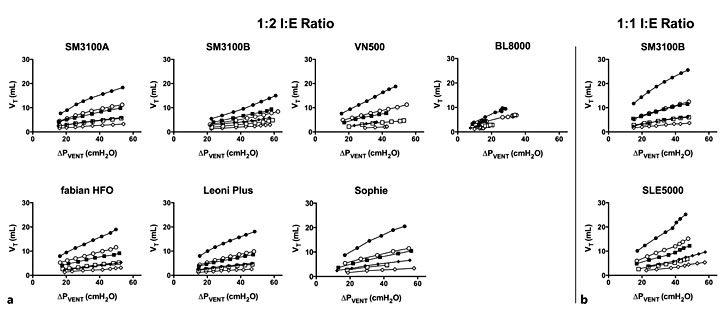
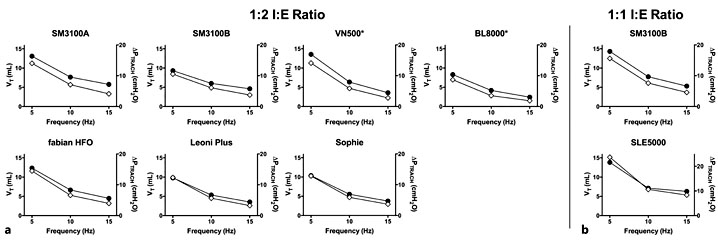
This article should also be influential: Tingay DG, et al. Are All Oscillators Created Equal? In vitro Performance Characteristics of Eight High-Frequency Oscillatory Ventilators. Neonatology. 2015;108(3):220-8. What David and the group have done, in a circuit with a  lung model, is to look at how well various oscillators perform, they compared set amplitudes to  actual delivered amplitudes, in the ventilator circuit, and in the test lung, and then how that translated into tidal volumes. They also looked at how volumes were affected by changes in frequency, and how the volumes and amplitudes were affected by ETT size (2.5 or 3.5 mm).

These data need, I think to be compared and integrated with 2 other publications from the same group:

  1. Harcourt ER, et al. Pressure and flow waveform characteristics of eight high-frequency oscillators. Pediatric critical care medicine. 2014;15(5):e234-40.
  2.  John J, et al. Drager VN500’s oscillatory performance has a frequency-dependent threshold. J Paediatr Child Health. 2014;50(1):27-31.

The best way to understand the data is just to look at some of the figures.

NEO431216.indd

This first one (figure 2 from the article) shows the actual amplitude obtained compared to the amplitude which you have chosen to deliver; this one was done at a mean airway pressure of 10 cmH2O, and the pressures were measured proximally in the ventilator circuit . The sensormedic (SM3100A in the figure) does what it says on the box. Others  have certain limitations that need to be understood, for example, the VN500 of Draeger doesn’t achieve the higher set amplitudes when used with a 3.5 mm endotracheal tube (the black symbols) but is capable of doing so with a 2.5 mm tube (the open symbols).  This particular relationship isn’t affected much by the frequency (5 (circles), 10 (squares) and 15(diamonds) Hz). For the old Draeger Babylog (BL8000) the graph is a bit misleading as they have plotted the achieved amplitude against the %Max, which we always knew was not the same as amplitude in cmH2O. It certainly was not very good at achieving high amplitudes.

NEO431216.indd

This graph shows that if you lot the amplitude actually achieved in the ventilator circuit against the tidal volume, it is about the same for all ventilator, ETT, and frequency combinations. So the regression line with the black circles looks about the same for all ventilators, as does the white diamonds, and so on. There are some minor differences, but I don’t think they are too important, clinically.

NEO431216.indd

In this part of the study they put the ventilators at maximum amplitude and then changed the frequency. As you can see for each ventilator the tidal volumes fell as frequency increased, and there are some differences in the slopes; of note the VN500 couldn’t exceed 45 cmH2O at 15 Hz, and the Babylog 80o0 couldn’t achieve 45 at any frequency.

NEO431216.indd

This one shows that what you measure in the circuit is hugely damped by the time you reach the trachea, the pressure amplitude in the trachea is much lower than the amplitude measured in the circuit for all experimental conditions.

I think these kinds of data are really important for use to understand how our equipment works. they also suggest some ways that we could consider limiting the use of certain ventilator settings.

On the other hand, the conditions tested were for some of the tests quite extreme. I very rarely use amplitudes which are so high, I would like to know a bit more about how the ventilators work at the mid-range of set amplitudes (even though I understand why the extremes would be chosen for this evaluation).jpc12398-fig-0003

This is a graph from one of the other articles I referred to; John et al. It shows the relationship between the frequency and the amplitude achieved at the airway opening in the same lung model and circuit, again the authors set the ventilator to an extremely high amplitude (90 cmH2O), and compared the effects of increasing the frequency between the Sensormedics (diamonds) and the Draeger VN500 (circles). In the right-hand panel they look at the achieved tidal volume between the Sensormedics (triangles) and the VN500 (squares).

As you can see there is a marked drop in the achieved amplitude with increasing frequency on the VN500, which is not seen with the Sensormedics.

The tidal volume in the lung model drops rapidly with an increase in frequency, with both oscillators, but this drop is relatively greater with the VN500. The closed symbols are for a 1:1 I:E ratio, the open symbols are for 1:2.

There is  a huge amount of information in these articles (and the on-line supplements), I encourage anyone who uses one of these oscillators to read and digest them. You will probably learn something that will help your practice.

Posted in Neonatal Research | Leave a comment