Not Neonatology: Baby Birds! Aaaah..

Some of you may recently have seen a partially completed blog post, that accidentally got emailed out to people. It was actually a draft of a post for my son’s blog (I should add that apparently what Axel photographed as a Yellowhead is actually a Yellowhammer) . He and Violette are both intermittently blogging about our trip. Their blogs are at Tentacules.blog.com and at Violettebj.blog.com, Tai also supplies blog posts for Axel’s blog; he has been the most productive with his drawings of his favourite activities each day, accompanied by a text that he writes himself.

So, for anyone who likes bird pictures, here are a few of my own to satisfy your cravings. We have been lucky enough to be here when many birds are raising chicks, and have seen quite a few examples, starting with this stilt, whose baby is on the other side of the stream.

1-IMG_4434

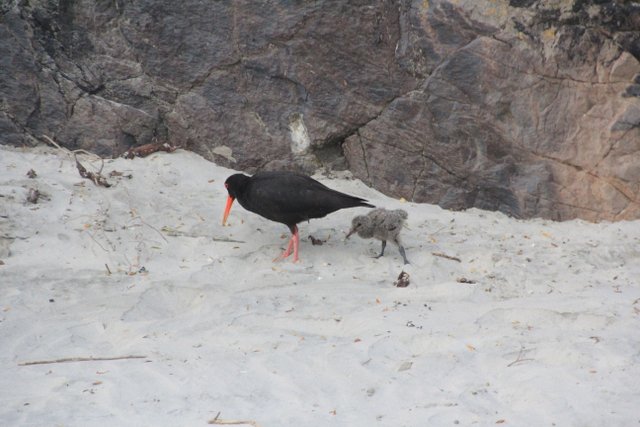
This Variable Oystercatcher got quite noisy and agitated if you got too close to her (him?) and her chick.1-IMG_4425

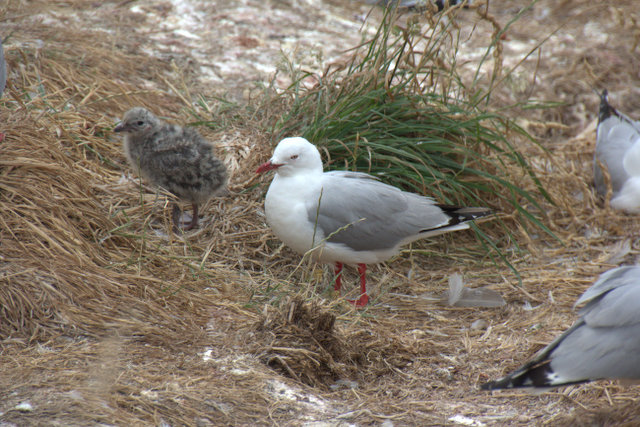
The Red-Billed Gulls had many chicks in their colony1-IMG_4526

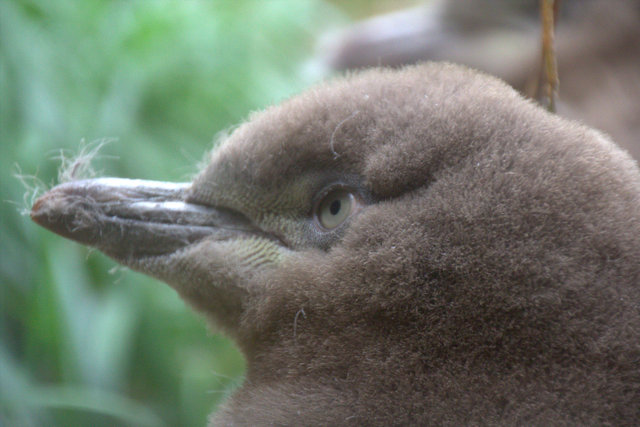
Yellow-Eyed Penguins are critically endangered; this was taken in a protected habitat. The chicks should soon fledge and set off on their own.1-IMG_4640

This is a juvenile Caspian Tern, who was being watched by a parent, who was about half a metre away. UPDATE* this is apparently a White-Fronted Tern, not a Caspian, thank you Brian Darlow, for the correction, and also for helping increase my lifetime list by one!

1-IMG_4752-001

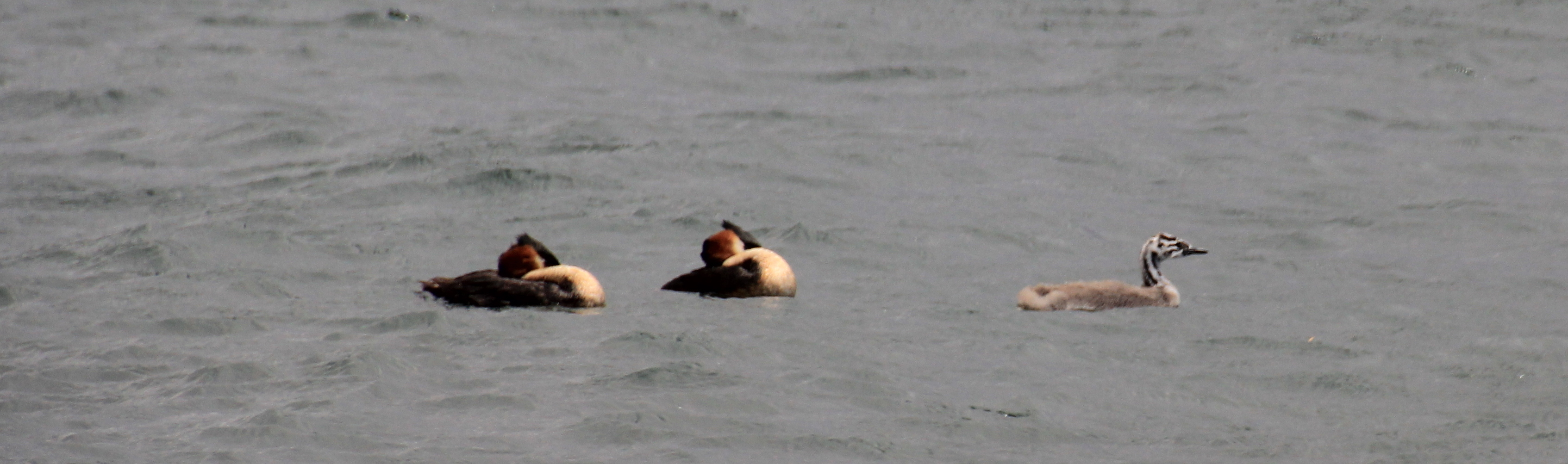
And this pair of pretty Australasian Crested Grebes and chick were seen on lake Alexandrina, the chick has a zebra striped head and is soooo cute.

crested grebe baby

This ungainly, but attractive bird is a Pukeko, its chick is in the long grass in front of it:1-IMG_4998-001

here is a close-up:

1-IMG_5005-001

All the birds above are native New Zealand species, I will end with an introduced bird, the California Quail. Many birds have been introduced for reasons that aren’t clear to me, who would bother introducing House Sparrows or Starlings? Quail chicks can’t help their origins though, I suppose, these were being shepherded by their parents.

1-IMG_3381


Posted in Neonatal Research | 2 Comments

Shining a Light on Brain Oxygenation

A few years ago I was at a conference, where Gorm Greisen made a comment, after a talk I had given, that we really needed RCTs of new monitoring techniques, and specifically NIRS. Proving that a new technique actually improved outcomes was the best way to show that it was actually measuring something important, and that responding to the monitor was a good thing to do.

I admire people who will make comments like that, and then follow through on them.

A publication from a multi-center European group, led by Gorm, has accomplished the first stage of this evaluation. About 160 very preterm babies all had NIRS devices in place over the first 72 hours of life, they were randomized to either have the results displayed to the care staff, or hidden until the end of the study. The primary outcome was the percentage of time spent outside of the target range of 55-85%, which is thought to be a safe target range, based on prior data from some of the investigators. Having the NIRS data available reduced the out of range (and particularly the hypoxia) periods dramatically.

It is not immediately clear to me from this publication exactly what the investigators did when the NIRS was too low (or too high). But another publication includes the treatment algorithm, which includes suggestions of what to do when the the cerebral oxygen saturation is below 55% or above 85%. You could argue with some of the details of the responses suggested, but in general they seem reasonable.

M01

It seems therefore from this excellent trial, that knowing the value of the cerebral NIRS derived oxygention can help to stabilize the value within what are thought to be appropriate ranges. Hopefully the next stage in this evaluation will be to prove that this affects clinically important outcomes, in this trial mortality and severe brain injury were both less frequent in the NIRS visible group, but the differences, although large in relative terms, could well have been due to chance. A larger study focussed on these complications, with long term follow up, is now really needed, more than ever.

Posted in Neonatal Research | Leave a comment

Not neonatology: the antipodes week 4, Queenstown, Ben Lomond, and glenorchy

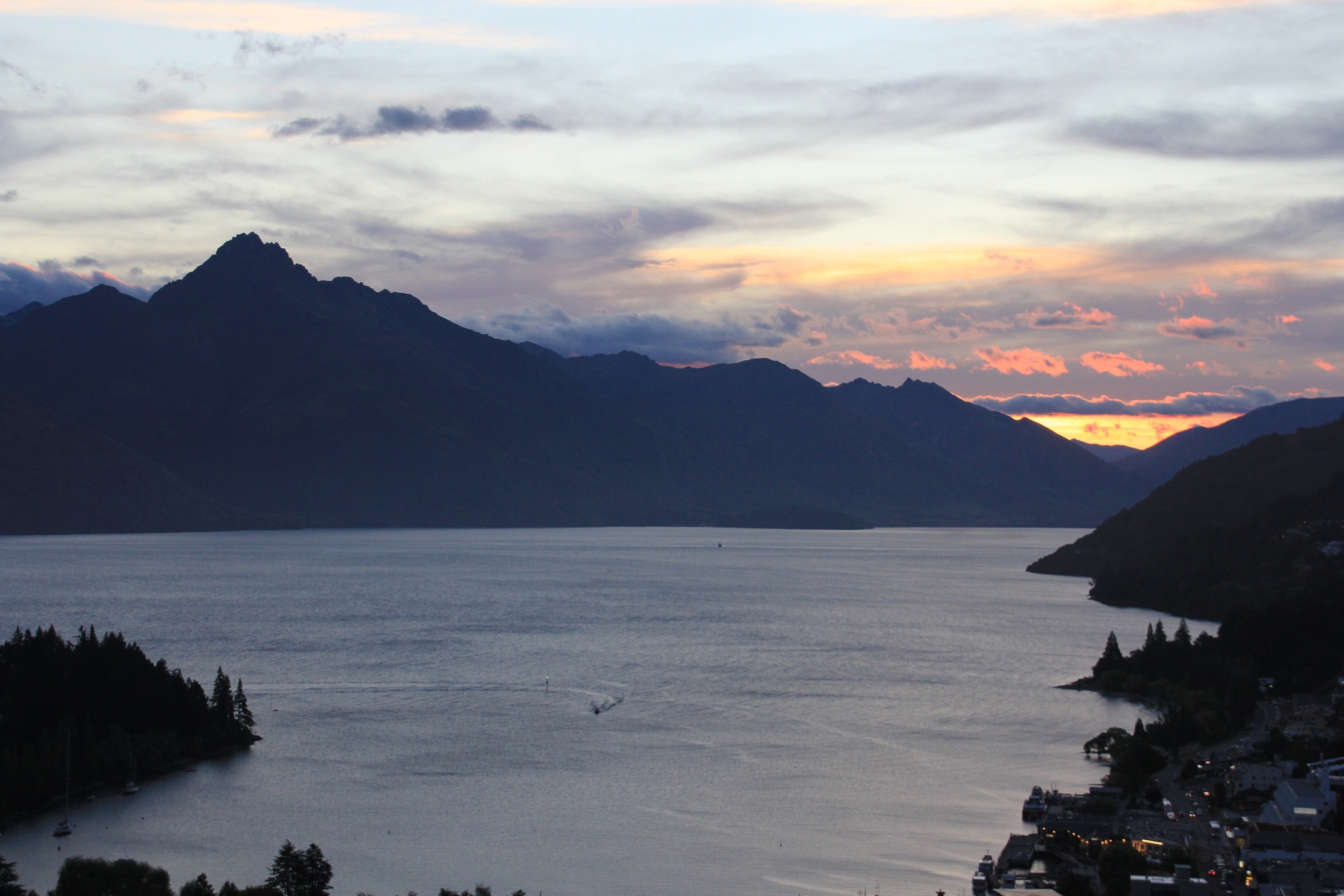
After our time in the geothermally active centre of the north island of New Zealand, we have now changed island. Queenstown is on the shore of Lake Wakatipu, we were there for new years eve and fireworks over the lake, and were fortunate enough to have rented a place with a glorious view.

wakatipu sunset

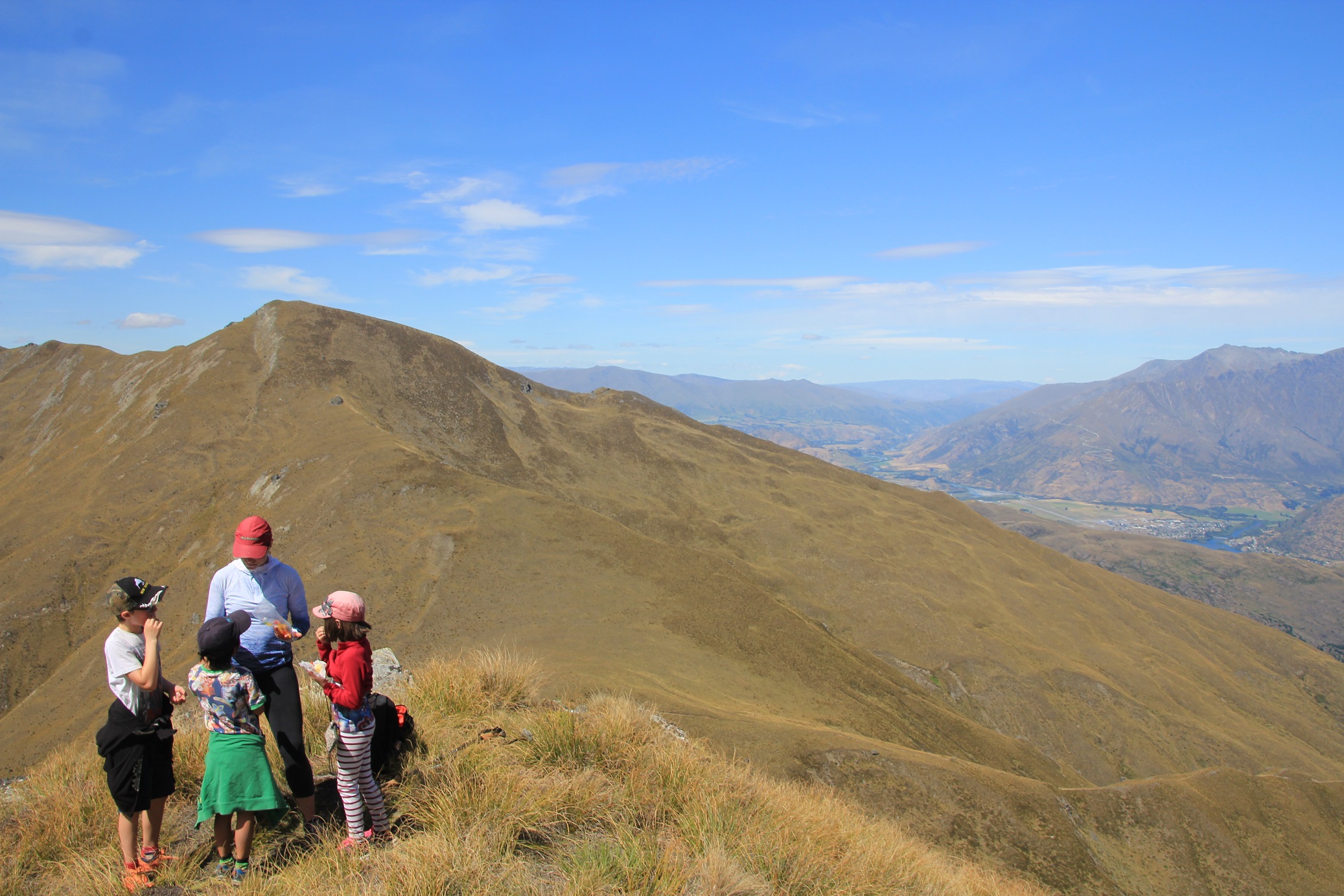
We celebrated the new year with a hike up to the peak of Ben Lomond. The track leaves from Queenstown, which is at an altitude of about 300 metres, but you can take the first part on the gondola, up to about 800 metres. Then a fairly vigorous climb up to 1748 metres. The kids were finding it a bit tough at 1525 metres, so we stopped at an outcrop for a snack, then I carried on to the summit while they started the walk back with Annie.

Ben Lomond kids

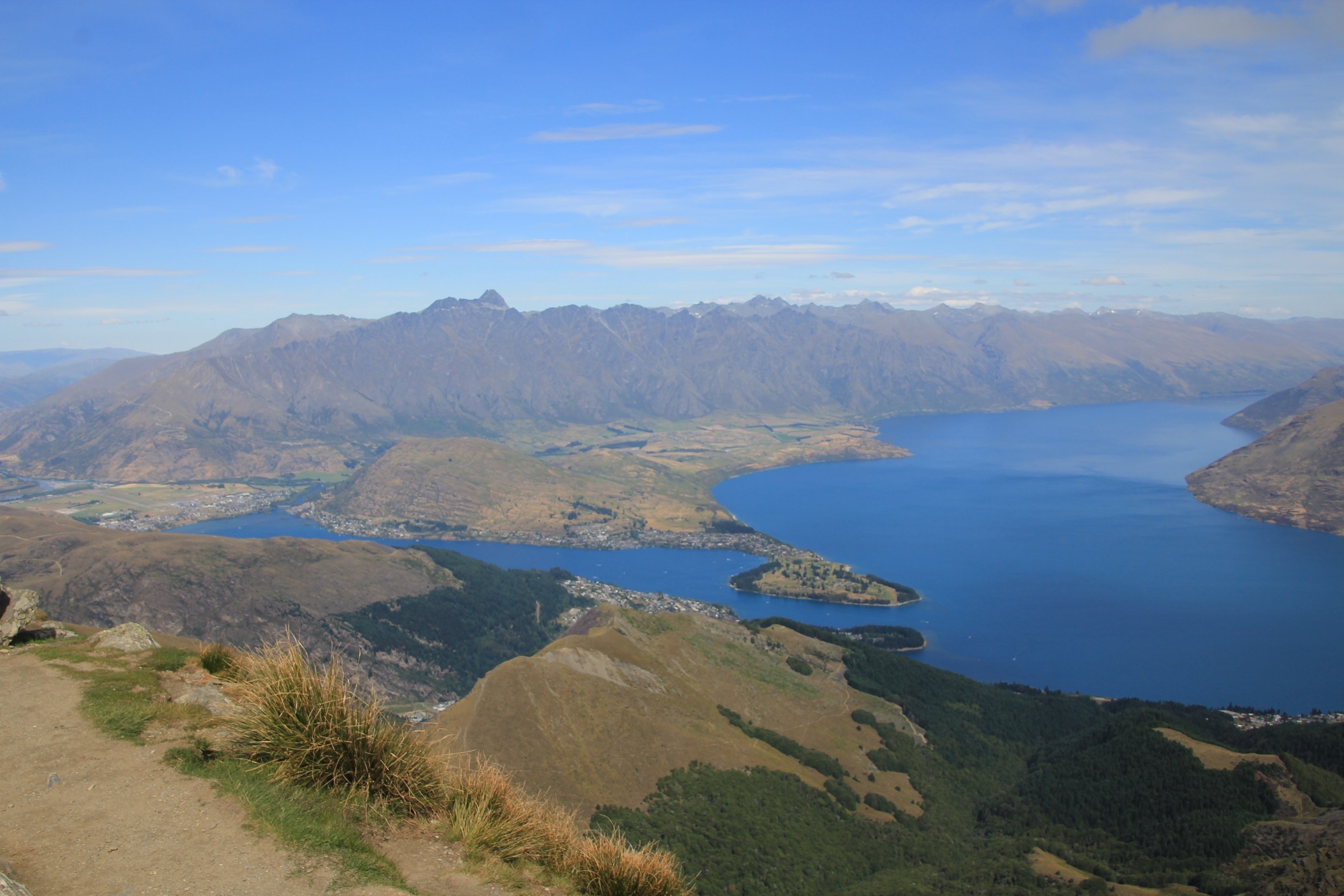
The view from the top was stunning, with the New Zealand Alps and lakes laid out below.

Ben Lomond peak

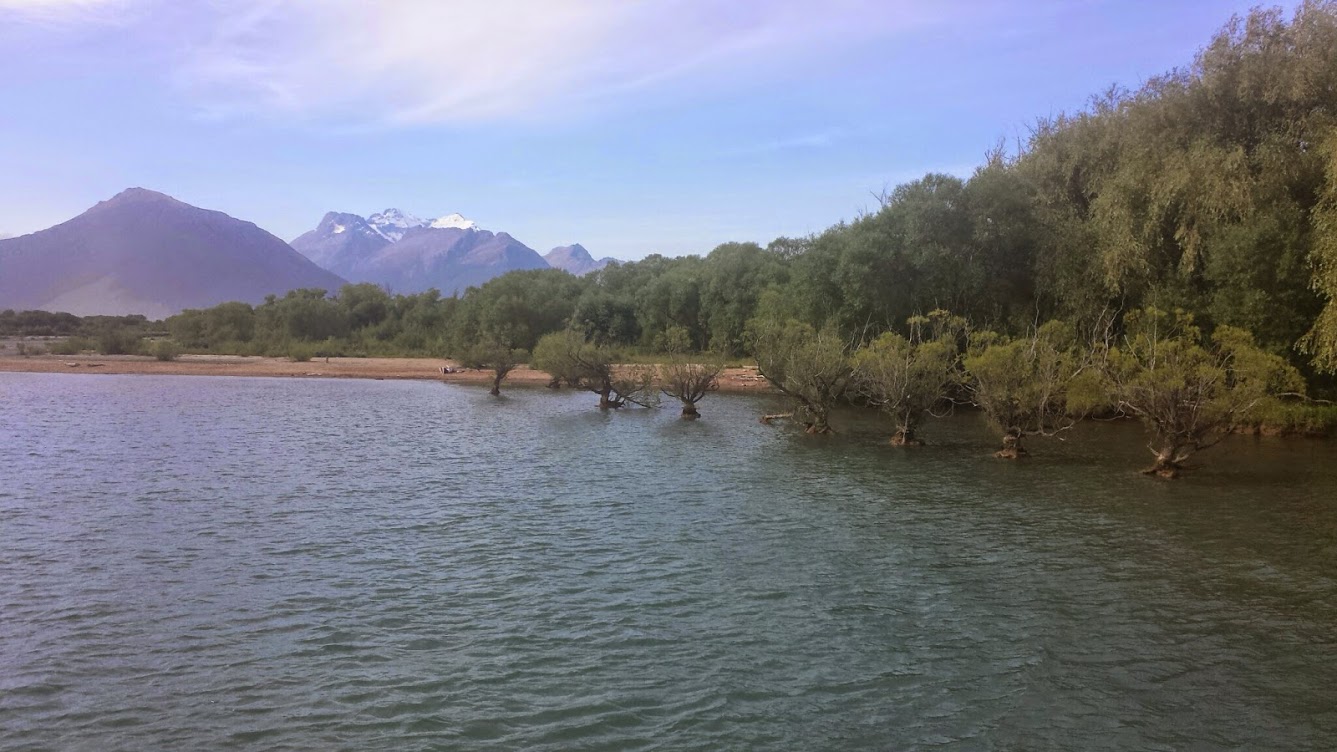
Towards the end of the week we went to the north end of lake Wakatipu, to a village called Glenorchy, where there is a nature reserve, and a splendid view over to moutains topped with glaciers. Glenorchy


Posted in Not neonatology | Leave a comment

Je Suis Charlie

I am horrified by the atrocity in Paris. Freedom is under attack. The best response I have read so far is a blog post in the Spectator by Alex Massie. And the many thousands of people who have congregated in demonstrations in squares around France.

In response to his own question: “What can we do?” Alex Massie answers like this :

Only, perhaps, this. We can hold the line. We can make our stand, a stand for liberalism and reason and liberty and we can hope – however flickeringly – that this will, in time, be enough to prevail.

Je suis Charlie? In truth, I don’t know about that. I hope so. But, really, I don’t know if enough of us are Charlie Hebdo just as I know too few of us were prepared, 25 years ago, to say I am Salman. But there is no longer either the time or room to hide. If you were not Charlie Hebdo yesterday it is time, today, that you were.

That’s our faith. Here we stand. For otherwise what – and who – are we?

Posted in Neonatal Research | 1 Comment

Very early caffeine

Some caffeine before getting out of bed would be handy sometimes, but our new publication, using data from the CNN, that I was involved in, was actually looking at caffeine us in the preterm baby, early during their lives.

We were trying to confirm if the effects of caffeine early in the life of very preterm babies during actual use in the NICU, would reflect the results of the CAP trial. So we examined the outcomes of babies who had caffeine in the first 2 days, compared to caffeine use later in life. There are of course risks of doing this sort of analysis, babies who get caffeine in the first 2 days may be quite different to those who start the drug later, so we corrected the analysis for all the variables that we thought might be important. Babies who received caffeine earlier were indeed more likely to survive without BPD, and less likely to have a diagnosis of a PDA.

Posted in Neonatal Research | 1 Comment

SFU !

My good friend Barbara Farlow sent me a link to a talk from TEDx SFU. At first I thought that was a txt term for not speaking, but them I realized there was a letter missing, I was thinking of ‘STFU’. Then after watching the talk, where a well-known broadcaster recounts her experiences with a diagosis of Down syndrome, it I thought maybe it really is, or should be, “shut the f*** up!” at least when referring to how parents are informed about the diagnosis of Down syndrome. More supportive and positive information, and fewer expressions of sympathy for the “terrible” diagnosis, are certainly needed. Please don’t say “I am so sorry for you”; do say “what a beautiful baby”, and if you can’t bring yourself to say that, then STFU.

(Actually it turns out that SFU is Simon Fraser University, which is a University in Vancouver BC)

One of the things that Tamara Taggart says, in the video, echoes what Annie and I have been saying about antenatal counselling for extreme prematurity. The counselling recommendations of professional societies require that we give a list of all the terrible things that can happen to a micro-premie. None of those statements encourages a balanced conversation, with the positive things that can come from having an extremely preterm baby, the positive things in their lives, and the lives of their families.

Tamara Taggart contrasts the approach of the well-meaning but frequently negative personnel who dealt with her and her son in the first years of his life to the overwhelmingly positive approach to her diagnosis of a very aggressive cancer. An interesting and illuminating contrast.

Posted in Neonatal Research | 3 Comments

Not neonatology: the antipodes week 3. Tongariro Crossing: Sweet As!

We ended week 2 and had a warm Christmas in Rorotua, then moved on to Tongariro national park. The plan was to cross the Tongariro Alpine Crossing, which we have long time thought would be one of the highlights of our trip. We were not disappointed.

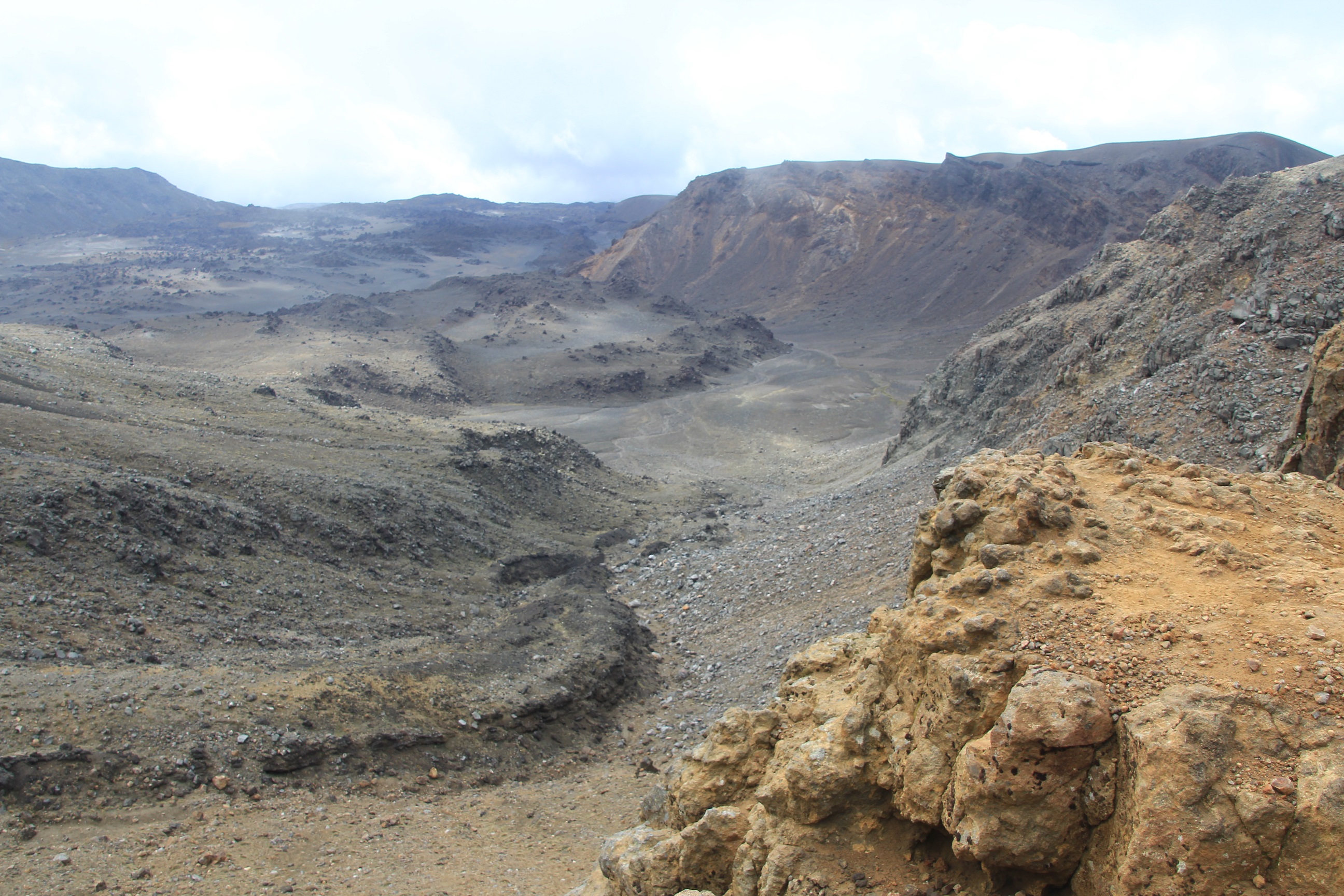
A 20 kilometre, all day, hike with 3 children aged 7, 9 and 11 needed some planning. Fortunately Annie had organized a guide, who was able to time our movements with the weather so we saw great views of the craters and lakes (as well as teaching us some kiwi slang, see the title of this post). Walking across the Southern Crater was like crossing a Martian landscape (or at least what we see from the Martian Rover photos, not having actually visited myself).

martian

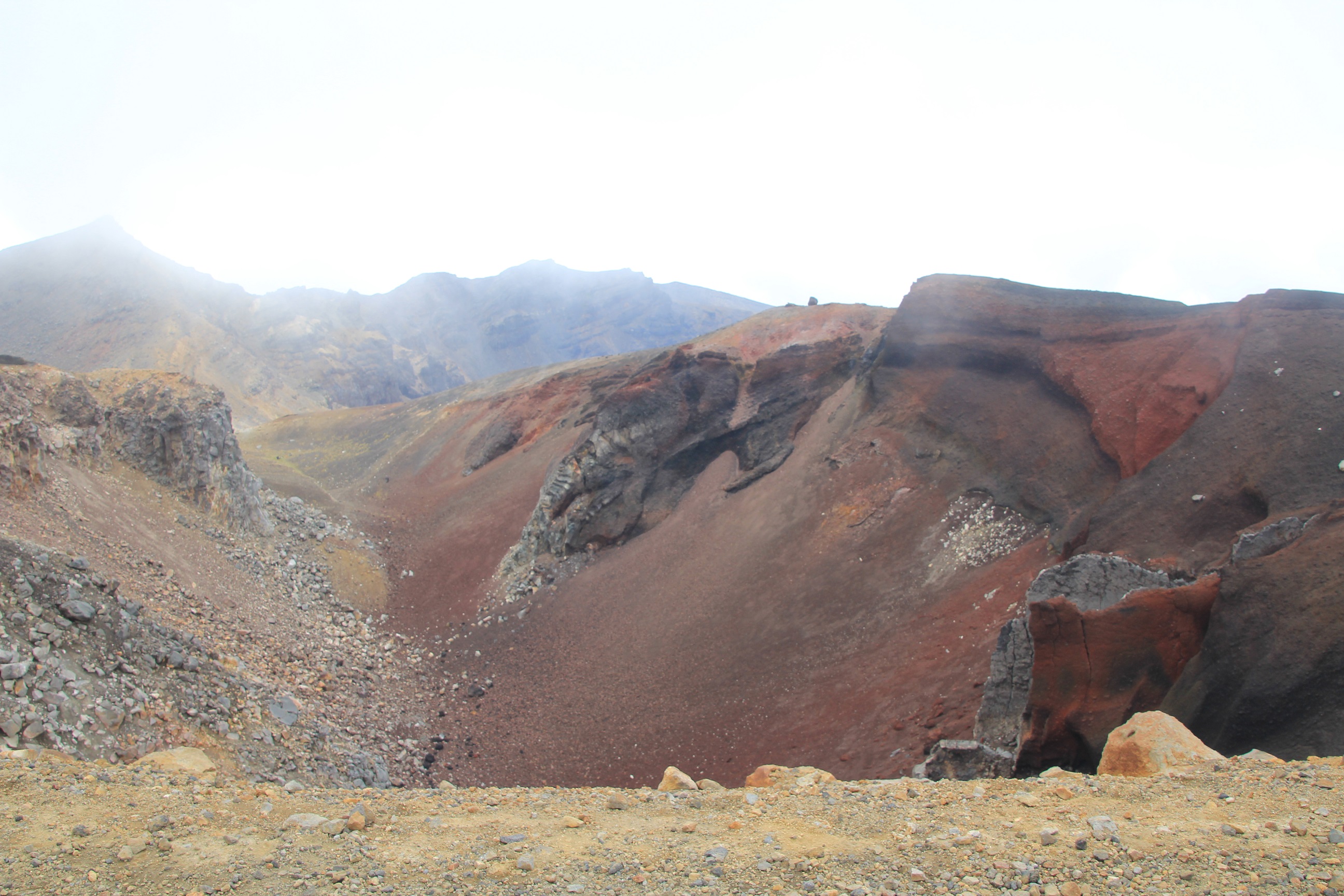
Then a climb up to the Red Crater, where we stopped for lunch (#1).

red crater

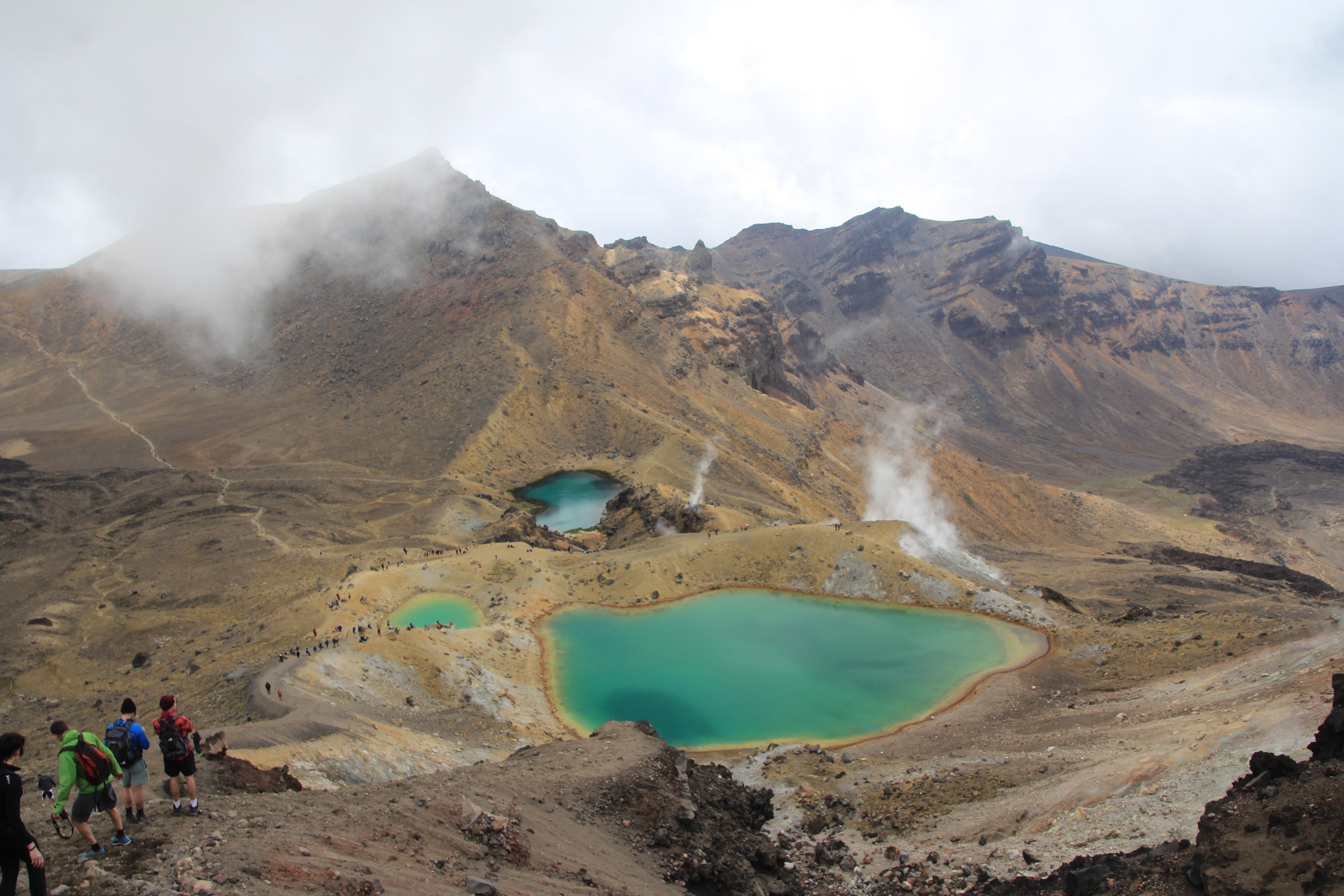
A further climb to our highest point of the day just above the Emerald Lakes and the Blue Lake, and lunch number 2.

emerald lakes

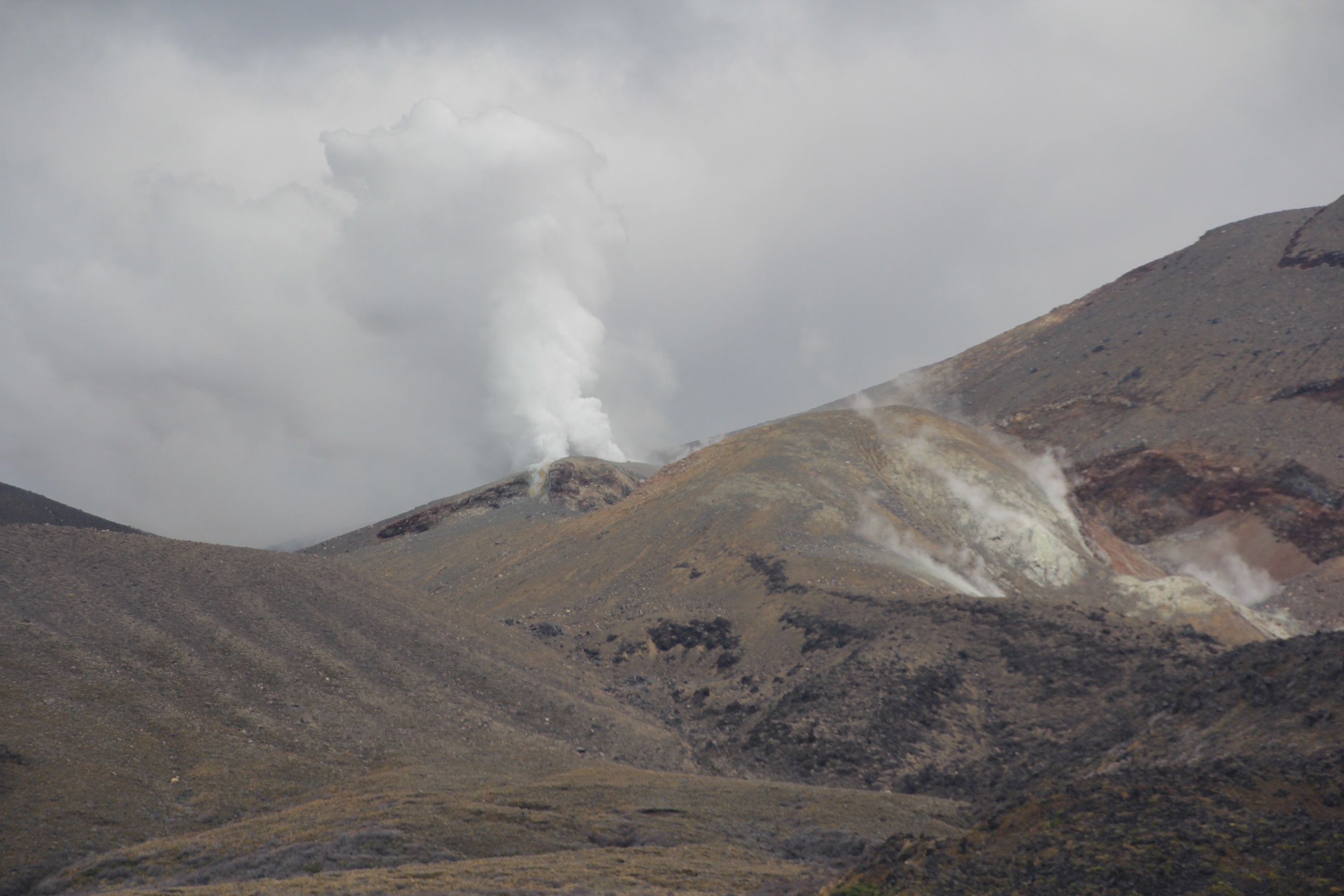
After which the walk was mostly downhill, from 10 km onwards, which was great for the kids, they were still running by the end of the day. As we passed close to the site of the 2012 eruption, a steam vent started to pour out steam as you can see on the ridge in this next photo. The steaming earth lower down was hot to the touch, which was not something I had ever experienced before.

steam spout


There was a big eruption here only 2 years ago, in August 2012. A rock crashed through the roof of one of the huts which used to be available for overnight stays if you were doing one of the multi-day walks in the region. So it is no longer used. The clouds of gas and dust had killed most of the plan-life in this last part of the track, which is starting to regenerate

regenerating plants

The crossing was very busy, it has become known as one of the 10 great walks in the world, so there were hundreds of people doing the walk; probably more than there would have been becauses the next 2 days weather forecast was for rain.

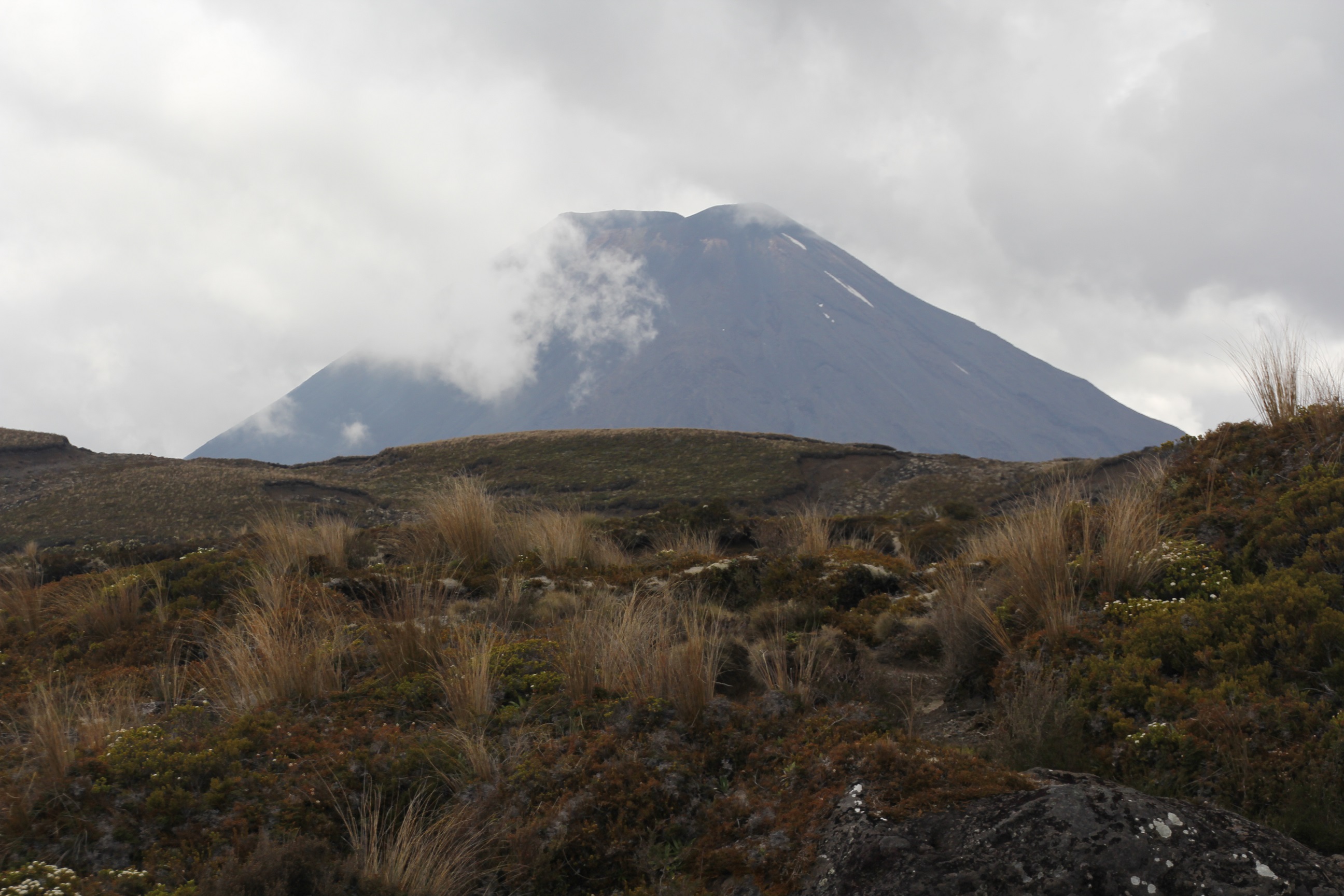
Probably part of the attraction is that Mount Ngauruhoe, the peak with the typical volcano shape, was used as Mout Doom in the Lord of the Rings movies. Apparently the Mountain is sacred to the Maori (as is much of the land, especially the mountains) so the shape was digitally altered for the movie. Here is an un-altered view:

mount doom

I haven’t done any of the other 10 best walks, but the spectacular, varied scenery on this crossing were certainly worth the climb.


Posted in Not neonatology | 1 Comment

Therapeutic Hypothermia: How low can we go?

A report of secondary outcomes from a trial, prior to the report of the primary outcomes should, in general I think, be resisted. Having said that, we reported the secondary outcomes of the CAP trial before we had the primary outcomes, largely because it was suggested by the data safety monitoring committee, and the idea was that the secondary outcomes that we wanted to report were quite positive, and we had identified no safety concerns, so the ongoing widespread usage of caffeine was probably quite appropriate while awaiting the developmental outcomes.

The new NICHD hypothermia trial has just published secondary outcomes (Shankaran S.: Effect of depth and duration of cooling on deaths in the nicu among neonates with hypoxic ischemic encephalopathy: A randomized clinical trial. JAMA 2014, 312(24):2629-2639.) which I think was also a good idea in this case. Most importantly because there is some doubt about safety of longer or deeper hypothermia resulting from their findings.

This was a factorial trial examining both the effects of longer hypothermia (120 compared to 72 hours) and deeper hypothermia (32 compared to 33.5 degrees).

Multiple (pre-planned) interim analyses were performed, and after exactly half of the expected sample was enrolled (364 of 726) the study was stopped for safety concerns and for ‘futility’. For both of the comparisons there were a few more deaths with the longer or deeper groups compared to the standard approach. Neither of the comparisons in terms of death were significant at conventional levels of significance, which means that there is a 14% chance that the difference in deaths found between longer and standard cooling was due to random variation, and a 26% chance that the difference in deaths between the temperature groups was due to random effects.

What that means is that there really isn’t any proof that lower or longer was harmful in terms of death, but the Safety committee determined that the probability of finding an advantage was small (they calculated it as 2%), which was really the point of doing the study. They can certainly be criticized for stopping the study at this point, but they would have been trashed if they had continued and it turned out that there was a true increase in mortality with the new approaches to treatment.

In addition there were other negative effects found, particularly of deeper cooling to 32 degrees, with an increase in pulmonary hypertension, leading to more NO use, and more ECMO use, as well as more bradycardia, which is not surprising, but might affect systemic oxygen delivery if cardiac function is compromised.

The implication of the study is that 72 hours appears to be long enough, and that 33.5 degrees is low enough, which is a bit strange… does that mean that we got it exactly right, by chance, with the very first studies? I think that would be remarkable; the initial temperature and duration chosen were based on the best pre-clinical data that we had, but they were somewhat arbitrary choices. Maybe a slightly less severe hypothermia might be better, and then it could be for a longer time, which might have advantages, but I don’t know now if we will ever do another study like this one. Another large high quality, multicenter trial of different approaches to hypothermia will probably only ever be done if we can change our models of doing clinical research. If we could cheaply randomize infants who are undergoing cooling already, collect data that is easy available and simple to collect centrally, and then get long term outcome data, without the very expensive infrastructure of a trial like this one, (similar to the registry trial in Scandinavia that I already blogged about in the past), then we could answer many other questions that will be difficult, or impossible to answer otherwise.


Posted in Neonatal Research | Leave a comment

Counselling parents when their infants have CNS injury.

Marcus Brecht and Dominic Wilkinson have just published an interesting study detailing treatment limitation discussions in the NICU which came after diagnosis of major CNS injury, and what happened to the babies after these discussions.

There is a lot which is of interest in this study, but I want to highlight one particular finding.

When we have such discussions with parents, it is usually because we are concerned enough about the long term outcome of the babies to consider redirection of care, from curative to comfort care. When we have these discussions about limiting or withdrawing life-sustaining interventions, sometimes the decision is to continue with active intensive care, and therefore some infants will survive. In this study the authors show what happened to the babies after the discussion, which survived, and how they did in the long term.

They showed, among those preterm babies who survived, that most of them had no impairment or only mild impairment. Now the numbers were small, but this is consistent with what I was writing about in the last post, early head ultrsound findings are very poor for prognosticaiton.

Which all makes you think… or at least it makes me think, about the others; the many babies who have had comfort care instituted because the head ultrasound looked really bad, but who, in the end would probably have been OK, either unimpaired, mildly or moderately impaired, and who would have had a good life.

Which brings me to another study, from the Pediatrix database detailing causes of death in the NICU; many deaths, of course are among very preterm infants.

The first cause of death among the very preterm was extreme prematurity (79 of the 229 deaths), which is too vague I think to be very helpful, I would have preferred it if this had been clarified, some of the most severely preterm babies develop major metabolic abnormalities and just “fall apart” in the first few days, is that what this group had? The most useful data from this study is the frequency of other diagnoses of potentially preventable complications, sepsis and acquired bowel disease, for example. Which are the third and fourth causes of death among the extremely preterm infants.

The one aetiology of neonatal death that I want to focus on for this post is the category of babies who died of Intracranial Hemorrhage. Among those 229 deaths of babies less than 25 weeks, the second most common cause of death, accounting for 33, or 14%, of the deaths, was “intracranial hemorrhage”.

In my experience death as a direct result of the physiologic consequences of IVH is actually rather rare. It certainly happens, but not very often at all.

When an infant with a severe hemorrhage has palliative care instituted, and dies afterwards, that death is often, I think, classified as being due to the hemorrhage.

I wouldn’t be surprised if most of the babies who are stated to have died of “intracranial hemorrhage” actually died after redirection of care, as a result of head ultrasound findings, which isn’t really the same as dying of intracranial hemorrhage. But I don’t think it is entirely clear in this study.

We are very poor at prognosticating in individual cases based on head imaging findings; as I discussed in a previous post the positive predictive value of most findings, especially those that we see in the first week, is less than 50%. Prediction, that is, for outcomes which themselves are not necessarily very important in terms of quality of life (usually standardized developmental testing (almost always the Bayley scales) at between 18 months and 2 years of age).

To give one example, here is figure that I might have used before in this blog (from Merhar SL, et al: Grade and laterality of intraventricular haemorrhage to predict 18-22 month neurodevelopmental outcomes in extremely low birthweight infants. Acta Paediatr 2012, 101(4):414-418.), which shows that the proportion of infants with NDI (that is neurological impairment or a low developmental score at 24 months) was higher among infants with a grade 1 intraventricular hemorrhage who had postnatal steroids and late-onset sepsis (up to 50%), than among infants with bilateral grade 4 hemorrhage who did not have either of those complications (around 35%).

outcomes

This means that in the first few days of life, when the hemorrhage is discovered, the worst finding that we see (bilateral grade 4 IVH) is associated with 65% of infants having no impairment by that definition. (Unless they go on to have sepsis or need postnatal steroids, in which case the chances of not having ‘NDI’ decrease to about 25%.)

I emphasize that this does not mean that those children who do not have ‘NDI’ will have no problems, they might for example have executive function problems, or behavioural difficulties, or serious issues with mathematics at school, but it does mean that we are lousy at predicting even what is called ‘NDI’; which is of only modest association with eventual functional outcomes.

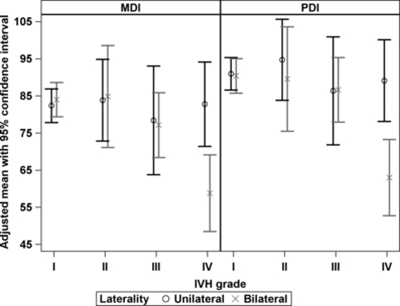
Part of the problem with the poor prediction of head ultrasounds is the way they are interpreted and the way they are classified. Interpretations are somewhat subjective and there is substantial inter-observer variation in diagnosis of various lesions. Even those lesions where there is agreement however, are subject to the problems of the classification system. A small unilateral intracerebral bleed is classified as a grade 4 hemorrhage. Massive bilateral destructive lesions are also classified as grade 4 hemorrhages. The prognostic importance of those 2 extremes must be different, but you would never know from reading our literature, as there are very few articles that have tried to characterize the extent, or the laterality of the lesions. Which is one reason why I often quote the Merhar paper when I lecture about this issue, as they have done just that, and shown, in fact overall, that a unilateral grade 4 hemorrhage has no impact on ‘NDI’ at 18 to 22 months.
outcomes2

As you can see from this graph, unilateral hemorrhages of any grade do not affect the mean MDI or PDI at 18 to 22 months,  only bilateral hemorrhages, are associated with a reduction in those mean scores.

Decision making in the first week of life, based head imaging findings should be avoided.

Posted in Neonatal Research | 3 Comments

Not neonatology : the antipodes, week 2

The rain slowed down towards the end of our week in Auckland, and then we headed north for a stay in Paihia. Paihia is the main town on the Bay of Islands, one of the places where Captain Cook made contact with the Maori people. He is supposed to have counted 144 islands, which remains the official number, one of the larger of these islands is Urupukapuka where we spent a beautiful day walking, and then kayaking in the bay where the ferry arrives.

Bay of islands

Towards the end of the second week we moved again to Rotorua, the centre of the North Island, where there is a lot of geothermal activity. Also the centre of Maori culture.

Champagne pool

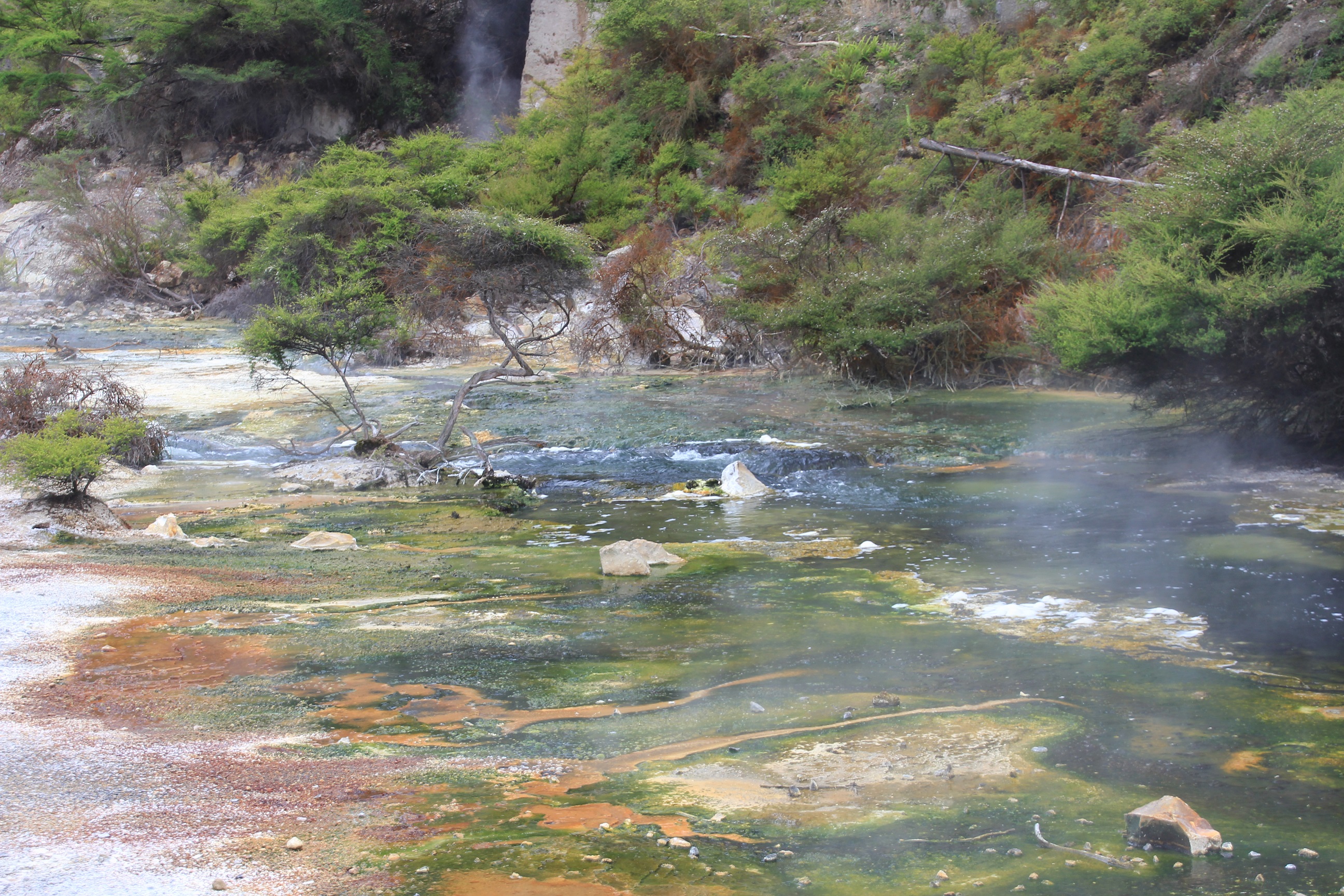
This small lake is called the Champagne Pool, the water is a light yellow colour and bubbles constantly, hence the name, but the red-orange deposits round the edge have a high antimony content, so not quite as nutritious as real champagne.

Despite the toxins in the water there is some algal and invertebrate life, enough to provide food for this stilt

stilt


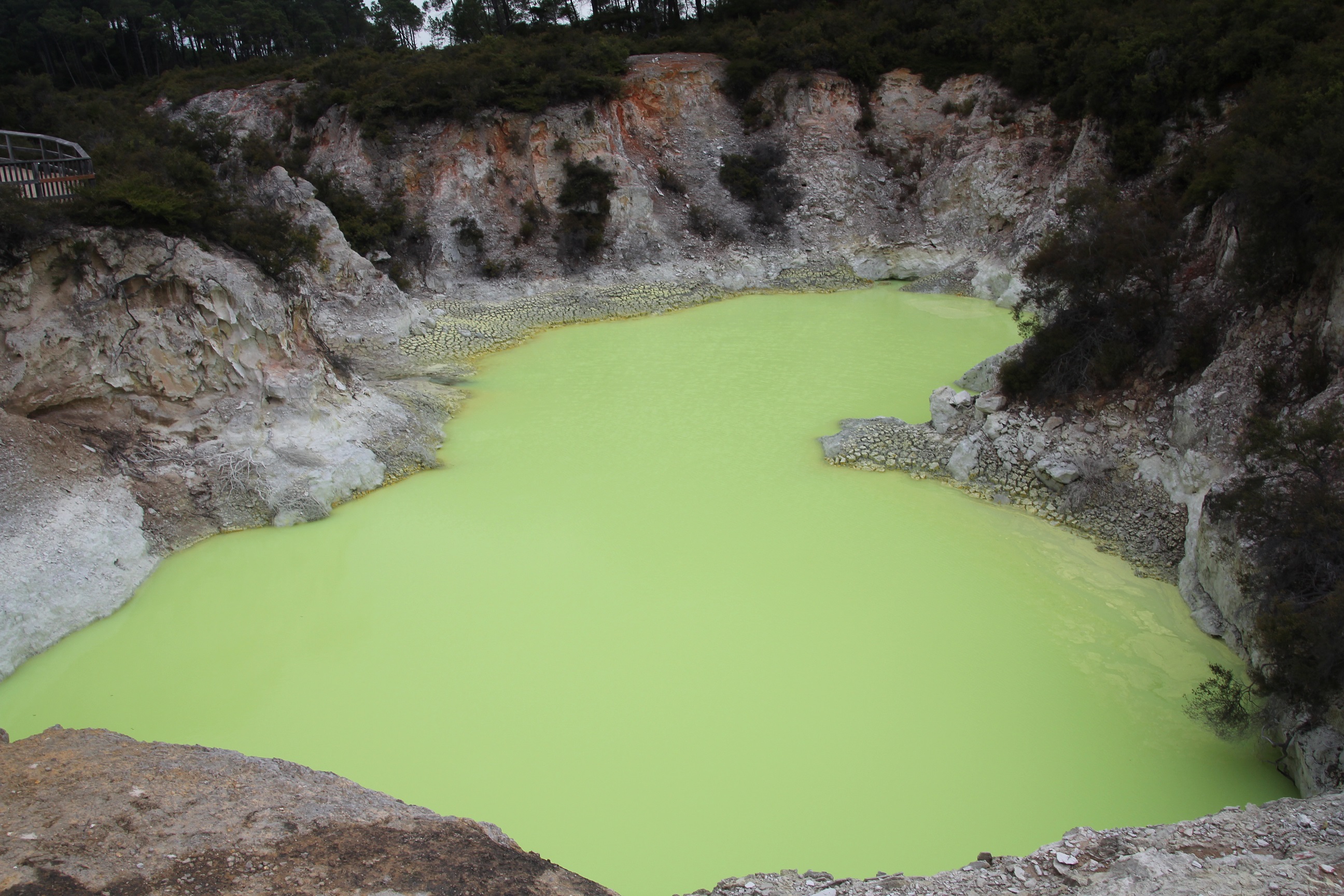
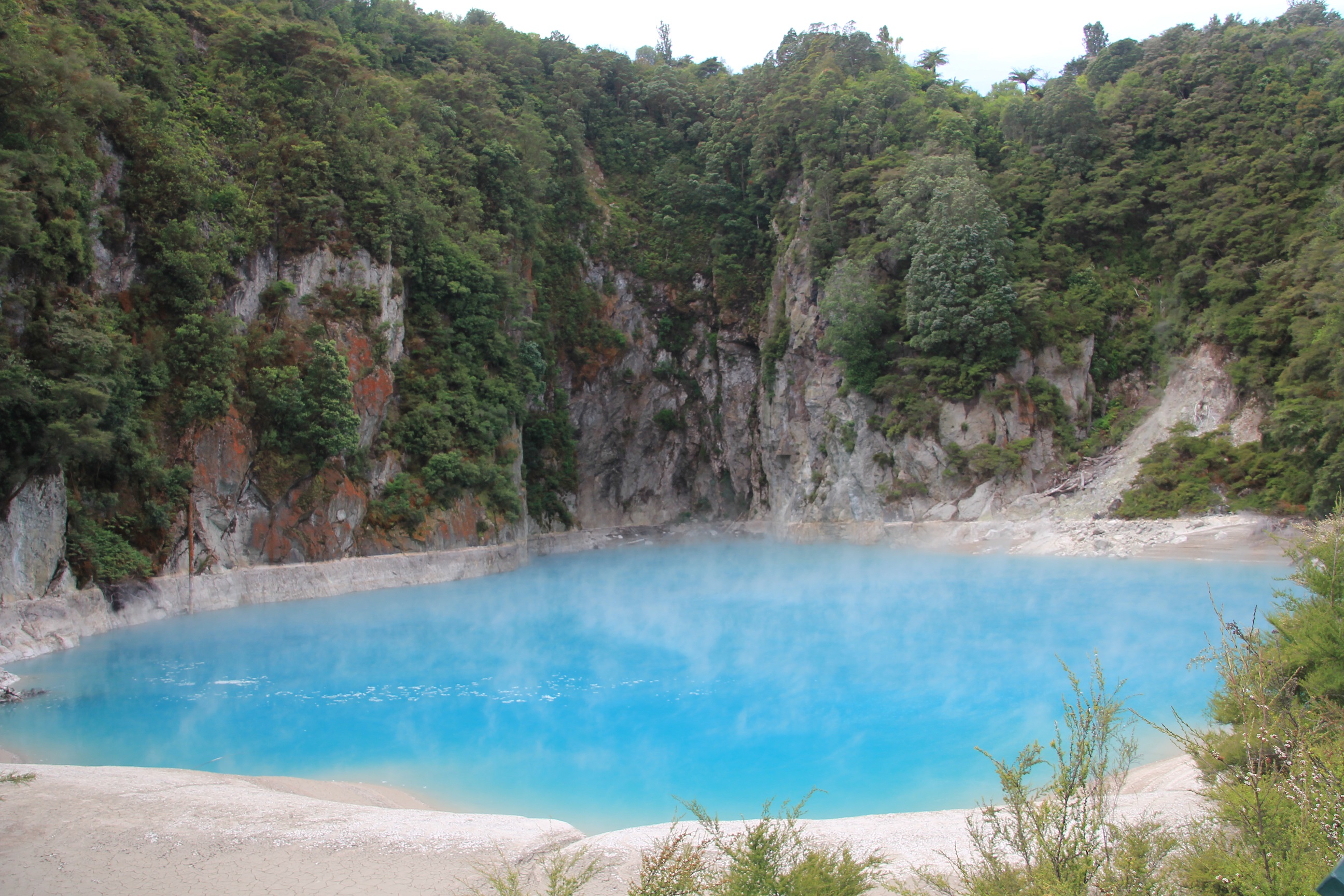
The pools vary enormously in colour, depending on the dissolved minerals, ranging from a light green

Arsenic

To sky blueskyblue


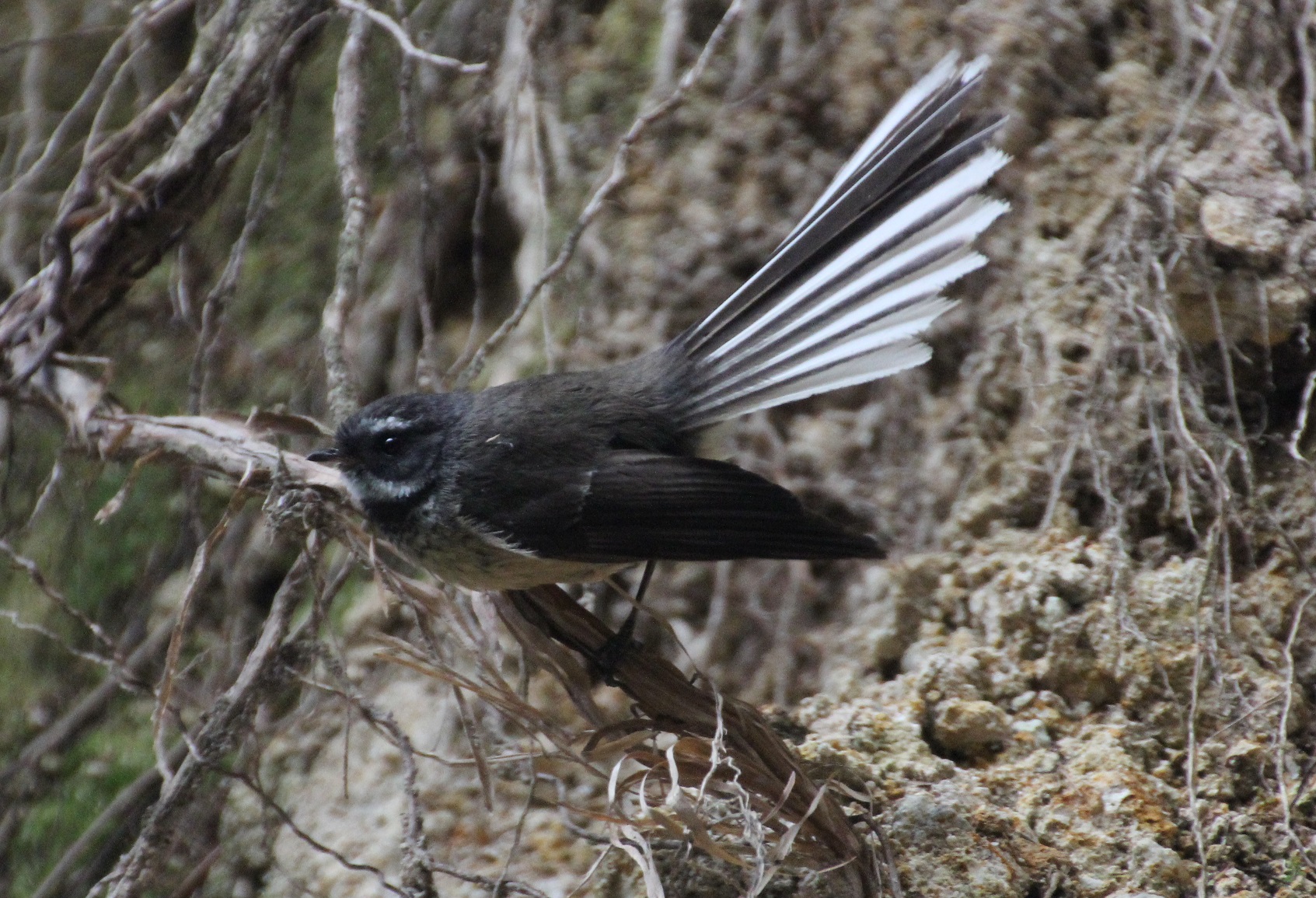
Many of New Zealand’s birds have been exterminated by introduced mammals, especially Possums, rats and stoats. A few are still thriving like this fantail, also seen close to the geothermal area.

Fantail

Some of the scenery is really other-worldlyotherworldly


Posted in Not neonatology | Leave a comment