Bevacizumab or that other more expensive one?

A very interesting and depressing group of articles in today’s BMJ. Retinopathy of prematurity is a small market compared to wet macular degeneration in the elderly, in whom VEGF inhibitors are proven to be extremely effective. Ranibizumab (I will call it RBZ) is far more expensive than BVZ for the effective dose, and the company responsible refuses to apply for a licence for BVZ for this indication, despite the 6 comparative trials which show equal efficacy, and a Cochrane review showing equal toxicity. The companies’ tactics are appalling:

The NHS spends £244m a year on ranibizumab, the second highest amount for any drug. However, research and development costs do not explain why ranibizumab is priced 10-20 times higher than bevacizumab, Philip Rosenfeld, professor of ophthalmology at the Bascom Palmer Eye Institute in Florida told The BMJ. He was involved in the early phase trials of ranibizumab and was one of those who pioneered the use of bevacizumab for wet AMD. He said bevacizumab is also more expensive to make than ranibizumab.

Ranibizumab is a monoclonal antibody fragment derived from the same parent monoclonal antibody as bevacizumab. Both drugs act by inhibiting vascular endothelial growth factor (VEGF), preventing blood vessel growth. Roche holds the intellectual property rights for both, although Novartis has the rights to market ranibizumab in Europe. Bevacizumab is licensed for use only in cancer conditions, and Roche has never applied for a marketing authorisation for ophthalmic conditions—despite repeated calls from politicians to do so. This means only the more expensive ranibizumab has such a licence, and prescriptions of bevacizumab— even in its repackaged form for ophthalmic use—are “off label,” …..

But eight years on, bevacizumab is scarcely used for AMD in the NHS, and the companies have not done the necessary trials. ……  Minutes from a NICE workshop show that Roche said decisions not to develop bevacizumab for ocular use have been “due to corporate considerations.”

The article goes on to say :

An accompanying article shows how the manufacturers didn’t want to do the trials themselves and when it was agreed that the public should fund both a comparative and a dosing trial, they did all they could to scupper them—even turning to the Royal National Institute of Blind People (RNIB) for help. Then once these trials were published, they embarked on a campaign to undermine and divert attention from the results, raising safety concerns themselves and via their key opinion leaders and charities.

That accompanying article describes the way Novartis has tried to wreck other trials.

The need to compare bevacizumab and ranibizumab for ophthalmic use was perceived to be a priority for the NHS. And so the “randomised controlled trial of alternative treatments to inhibit VEGF in age-related choroidal neovascularisation” (IVAN) trial was conceived, at a cost to the public of about £10m……

However, there was resistance to the trial from the outset. Barney Reeves, professorial research fellow in health services research at Bristol University and one of the IVAN trialists, told The BMJ that it was a difficult trial to do politically. “The drug manufacturers didn’t want it done,” he said, adding: “Novartis tried to prevent UK ophthalmologists joining the IVAN trial, with their sales representatives lobbying potential principal investigators against the trial and telling them that the IVAN protocol was seriously flawed.”

Emails obtained by The BMJ under a freedom of information request show that clinicians with ties to Novartis urged some primary care trusts to pull out of the trial. The emails show discussions between ophthalmologists close to Novartis about how “big centres” in the US pulled out of the CATT trial because they would lose industry funding for other trials. The emails said that this situation “could be applied to the UK”—that is, researchers would be put off IVAN for fear of losing industry studies.

Emails also show that Novartis approached ophthalmology centres to conduct trials into other eye conditions for them at the same time IVAN was progressing. Novartis helped the investigators in these industry funded trials to obtain supplies of ranibizumab, in stark contrast to its approach to the IVAN trialists.

A new trial, not included in those systematic reviews has just been published in the NEJM. It showed that in diabetic macular oedema, nine shots of BVZ ($50 per dose), RBZ ($1,200 per dose), and aflibercept ($1,950) produced an equivalent benefit.

It was accompanied by an editorial which ended thus:

“We believe that all financial incentives and logistic barriers to providing the least expensive drug, among drugs equivalent in safety and efficacy, should be eliminated so that patients may benefit fully from the results of this Diabetic Retinopathy Clinical Research Network trial as well as those from other comparative trials.”

Which sounds eminently sensible, but not likely to hold much sway with Novartis, whose main consideration appears to be their own benefit, and not the patients.

Extreme preterms are small fry of course, in many ways. A single treatment, in a small number of babies, is not going to make a huge amount of money for anyone, unless you can find a way to restrict the treatment choices to only the more expensive drug. So Novartis are sponsoring a trial of RBZ against laser (NCT02375971), when, if we need to study RBZ at all, what is needed is a trial of RBZ against BVZ. Unfortunately such a trial would be likely to show that they are equivalent, as they are in adults, so I don’t hold out much hope that Novartis will fund such a trial.
 

Posted in Neonatal Research | Tagged | 1 Comment

What’s new in non-invasive respiratory support?

A round-up of a few publications that have appeared over the last few months.

Lampland AL et al: Bi-level CPAP does not improve gas exchange when compared with conventional CPAP for the treatment of neonates recovering from respiratory distress syndrome. Archives of Disease in Childhood – Fetal and Neonatal Edition 2015, 100(1):F31-F34.  In this study, 20 LBW babies were observed in a cross-over design. They were randomized to either get CPAP at +6, or SiPAP with a mean of 6 (it was usually about 9/4 with 20 1 second cycles per minute), they used the Infant Flow system, and all the babies had a chin strap in place. the main outcome variables were oxygenation and transcutaneous CO2. Treatment blocks were for 1 hour at a time. There were basically no differences between groups in gas exchange, and also no difference in apnea. But I question whether 1 hour is really enough time to see if there is an effect on apnea, the mean number of prolonged apneas was less than 1 per hour. Apnea occurs in unpredictable patterns, so much longer treatment periods are needed to see if there is an effect.

Gizzi C et al: Is synchronised NIPPV more effective than NIPPV and NCPAP in treating apnoea of prematurity (AOP)? A randomised cross-over trial. Archives of Disease in Childhood – Fetal and Neonatal Edition 2015, 100(1):F17-F23. This is also a randomized cross-over study, with, this time, 4 hour periods on each of 3 modes of ventilation. CPAP at 5 to 6, Nasal ventilation using the same device (Giulia ventilator) and set at 15/5 to 6, rate of 20 and Ti of 0.3s. Synchronised nasal ventilation was achieved by adding a pneumotach to the circuit, between the Y piece and the patient prongs. They used tight fitting prongs, and, during the SNIPPV sessions one of the investigators sat by the bedside to make sure the flow signals and triggering were working properly. They showed a reduction in desaturation spells with SNIPPV compared to non-synchronised NIPPV and compared to CPAP, with a p-value of very close to 0.05 for both comparisons.  There was no change in bradycardias, which were uncommon in any case. I really don’t think that it would be possible with flow triggering to have prolonged synchronised NIPPV, the leaks are too variable, so synchronisation without an investigator sat by the bedside to constantly adjust the prongs is unlikely, I think, to work.

Stern DJ et al: Synchronized neonatal non-invasive ventilation-a pilot study: The graseby capsule with bi-level NCPAP. Pediatric Pulmonology 2014, 49(7):659-664. If you have the Infant Flow SiPAP device you can try to synchronize to the babies effort using the Graseby Capsule. But does it actually work? In these authors hands, yes. As long as you have the Ti set to at least 0.3 seconds, and you don’t expect it to trigger 100% of the time. They got about 3/4 of the respiratory efforts to trigger an inhalation, and no triggers when the baby did not breathe. It took about 26 ms to respond, which was actually faster than the respiratory inductance device. I think with care, you could synchronize for prolonged periods with the Graseby capsule, it used to work with the Infantstar ventilator. It was that system I used for my RCT of post-extubation NIPPV compared to CPAP. Incidentally the RCTs showing benefit (in terms of reduction of extubation failure with NIPPV) mostly used synchronisation, mostly with the Infantstar ventilator and a Graseby capsule.
Salvo V et al: Noninvasive Ventilation Strategies for Early Treatment of RDS in Preterm Infants: An RCT. Pediatrics 2015, 135(3):444-451. In this study 124 VLBW infants who did not need intubation in the delivery room were randomized to either nasal synchronized IPPV using the same system as in the Gizzi study above, or to BiPAP using the Infant Flow device. On BiPAP the babies got 8 to 9 cmH2O and a PEEP of 4 to 6, with an time on the high pressure of 1 second and a rate of 20 per minute. on nSIPPV they got 15 to 20 over 4 to 6, with a frequency of 40 and a time on  the high pressure of 0.3 to 0.4s.

The babies of 26 weeks and less were treated with surfactant via a brief intubation first, the more mature babies didn’t routinely get surfactant.

Failure of non-invasive support was defined as needing more than 40%, or having high CO2 (over 65) or lots of apnea. There were the same number of babies who filed in each group. (Some of the failures were for reasons that are not included in their definition of failure, such as pulmonary hypertension, PDA and pneumothorax).

Nevertheless, they had no differences in any outcomes.

One could again question how successful the synchronisation was over several days, and also how well maintained the pressures were on the BiPAP, infant flow device, which often delivers pressures much less than those that you want. Nevertheless in routine clinical practice this study doesn’t suggest any large difference between the efficacy of these two approaches.

Shi Y et al: A prospective, randomized, controlled study of NIPPV versus nCPAP in preterm and term infants with respiratory distress syndrome. Pediatric Pulmonology 2014, 49(7):673-678.

I started to write about this trial, but the more I looked at it the more uninterpretable it became. This is reported as an RCT in term and preterm babies with respiratory distress who were randomized to NIPPV or CPAP. About 90 in each arm of the trial. One of the outcome variables (the primary outcome) is need for intubation, and apparently 88% of the NIPPV babies avoided intubation, and 79% of the CPAP babies. Which is not significant by Chi-square, p=0.13 (with or without Yates correction). Although the authors state that it was significant, p<0.05.

Also 83% of the babies in each group received surfactant. I am not sure how. as they weren’t intubated! So I think the data are unreliable, unless some clarification can be obtained. I don’t understand how the reviewers didn’t pick this up.

Posted in Neonatal Research | Tagged , | Leave a comment

Not neonatology: trip to the antipodes, last stop on the way back : San Diego

This is the final installment of my travelogue, for on the way back home from Australia, we had been invited to speak at the Annual Conference of the California Association of Neonatologists, now called ‘Cool Topics’.

This gave me a chance to photograph some California Birds, to visit some of my old haunts, and most importantly to briefly see some of my old friends from my time there.

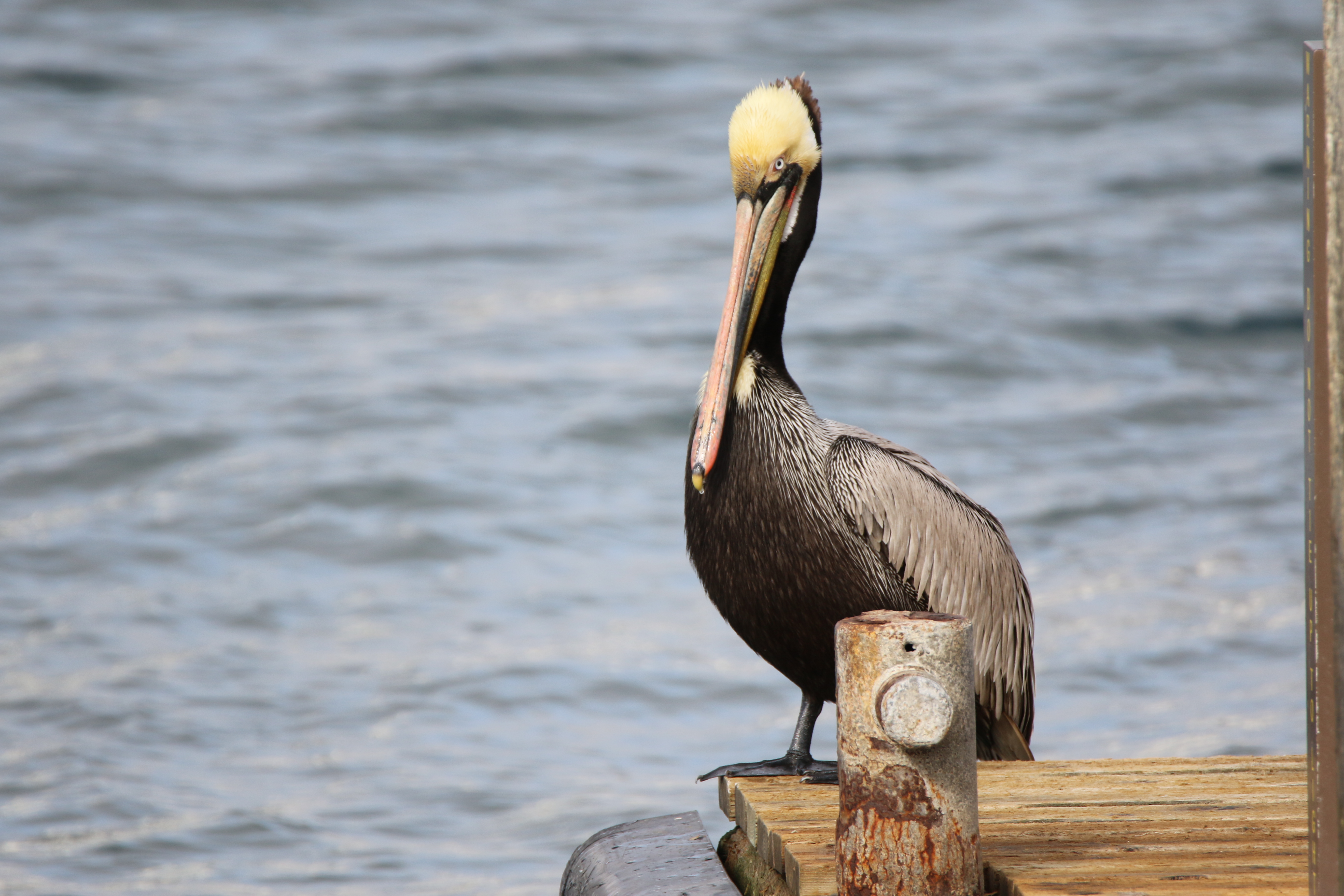
Brown Pelican

Brown Pelican


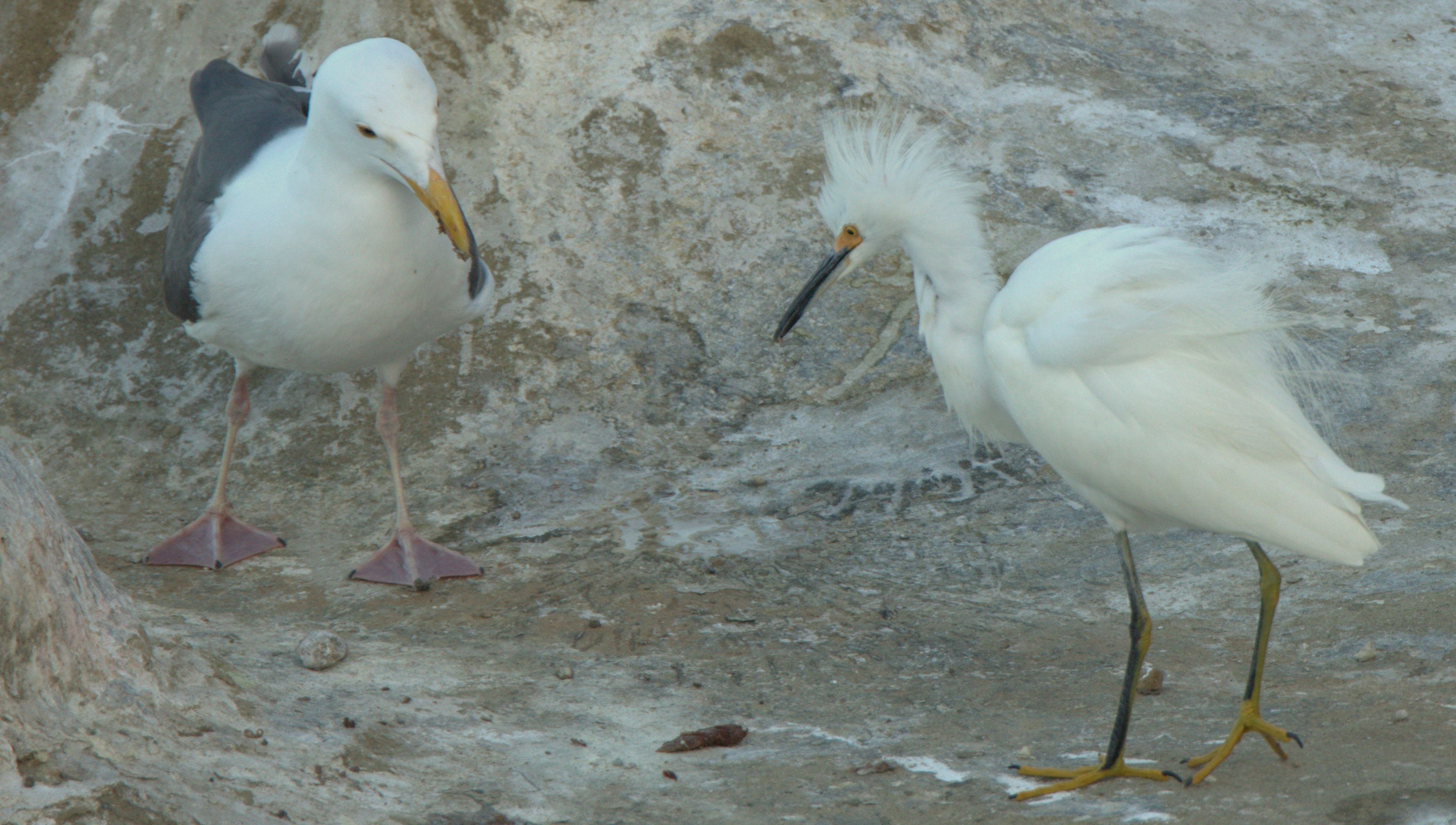
Snowy Egret and Pacific Gull, both eyeing a tasty slug


Spotted Sandpiper (non-breeding plumage)

Spotted Sandpiper

And finally as a poetic reference to the end of the trip a photo of a Whimbrel during a sunset walk along the beach at La Jolla.

Whimbrel

Whimbrel, Sunset, La Jolla beach


Posted in Neonatal Research | Leave a comment

Not neonatology: trip to the antipodes, week 11. Melbourne!

Our last week before leaving Oz and we were fortunate to be in Melbourse, we managed to arrive the day before their ‘nuit blanche’ a non-stop overnight festival of art and cultural events. 1D8A2455Which included, for example, this projection of a series of images from Alice in wonderland.

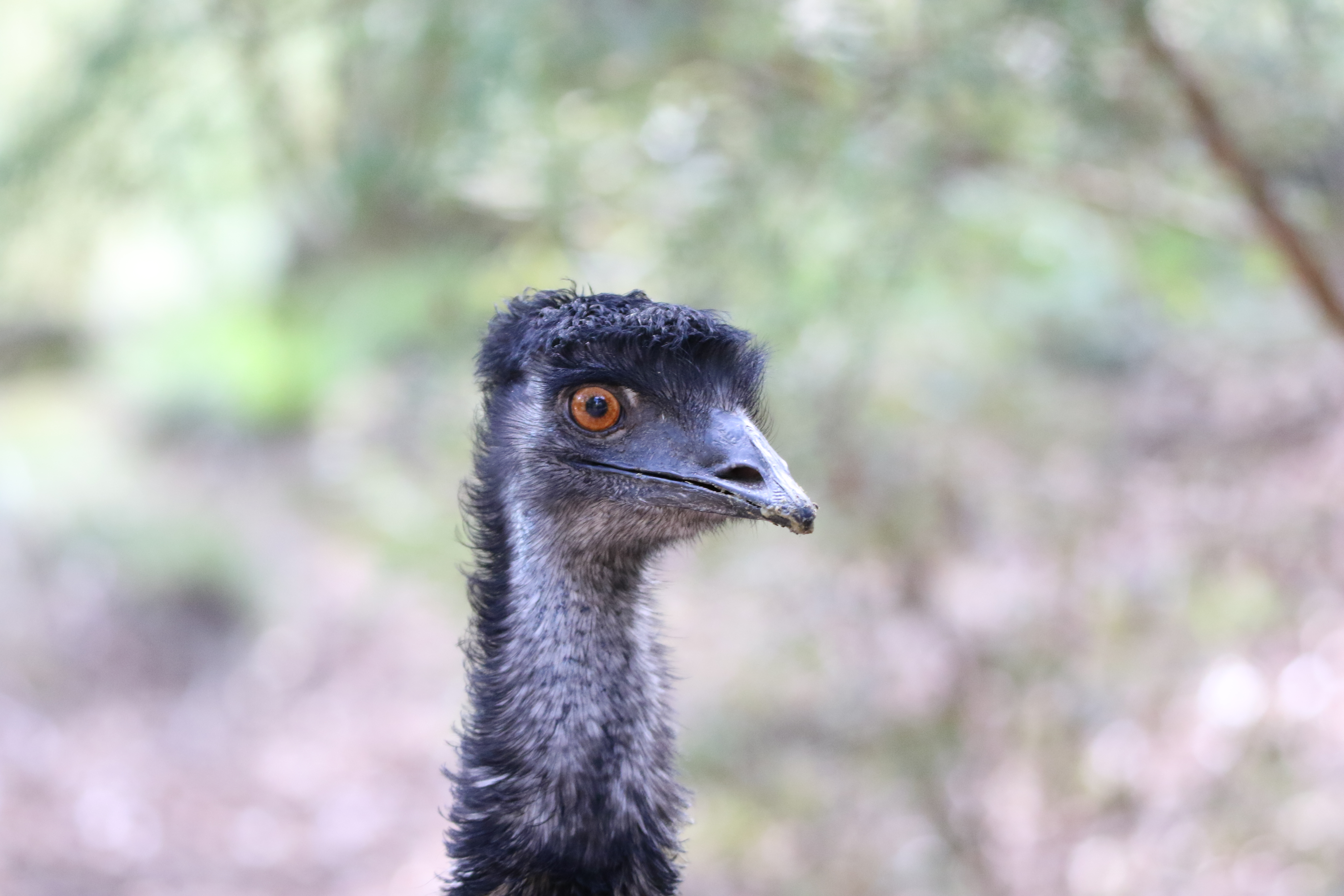
We visited both Melbourne zoo, and a nearby wildlife park, Healesville sanctuary, hoping to ‘tick off’ some of the creatures we hadn’t been able to see in the wild. Including Emus

1D8A3185

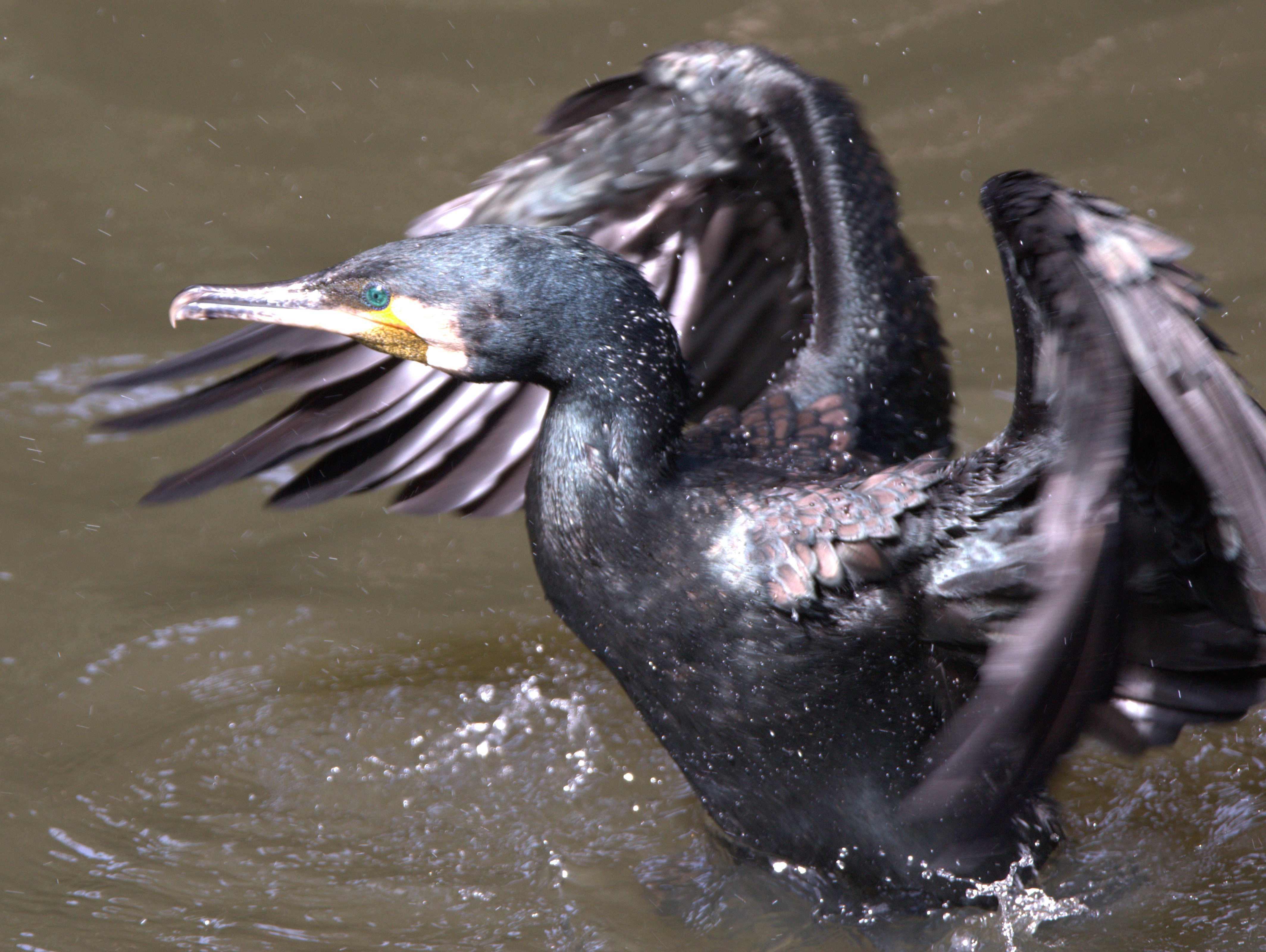
On walks along the Yarra river there were plenty of encounters with other birdlife also, including Great Cormorants.

Great Cormorant

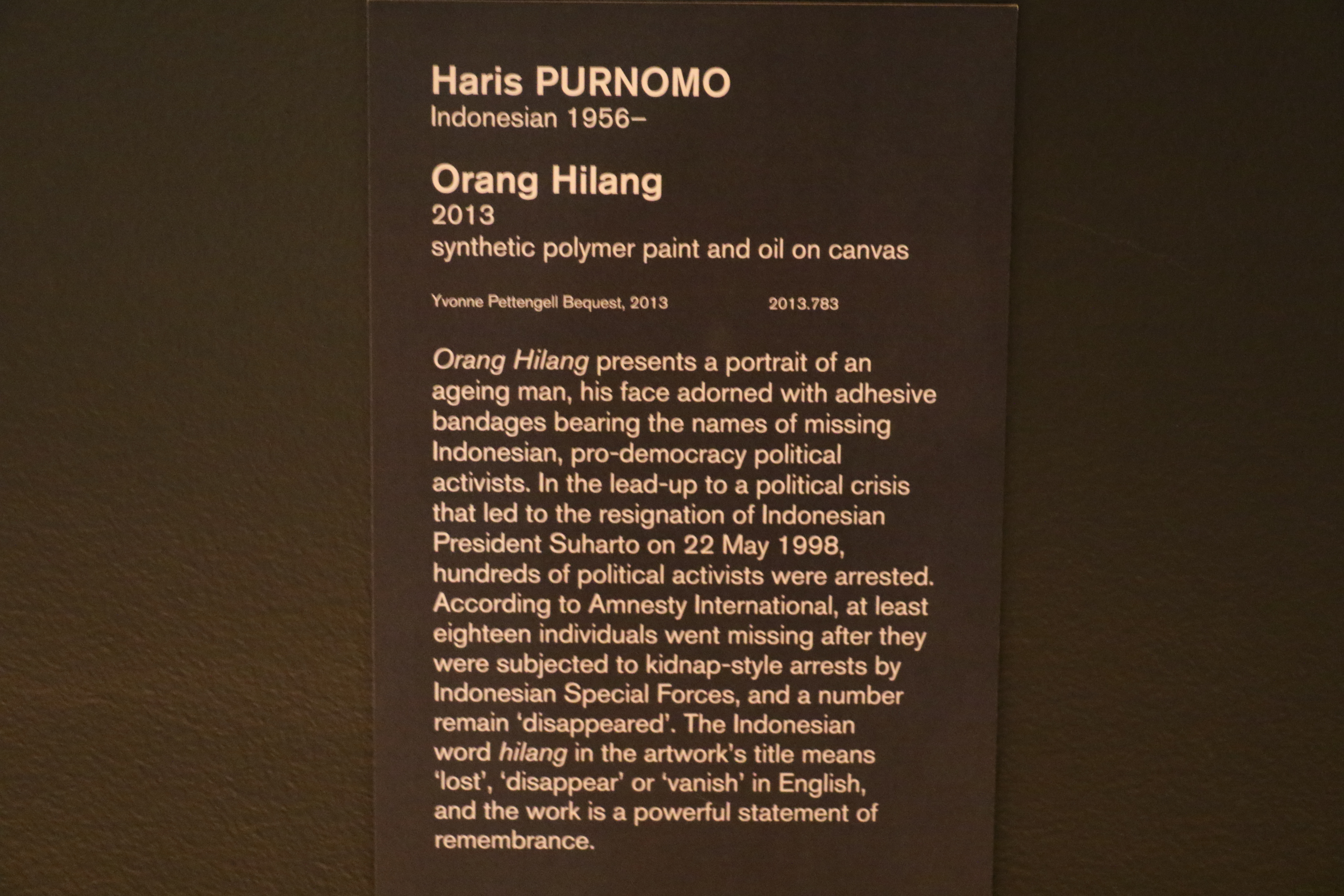
Towards the end of the week there was another festival being prepared, but we had to get ready to leave. Of the many fascinating things to do in Melbourne, I would recommend the NGV (National Gallery of Victoria) especially the international site. I hesitate to put a picture of a work of art here, I hope the artist, Haris Purnomo, will see it as a homage to the power of his work, and not as a copyright infringement!

1D8A2536

On the wall next to the piece was a desription which gave some context:

1D8A2538

Leaving Melbourne, and Australia, and the Southern Hemisphere, was tough. But…. we’ll be back!

Posted in Neonatal Research | Leave a comment

Neonatal Updates

Willson D, et al : The Lack of Specificity of Tracheal Aspirates in the Diagnosis of Pulmonary Infection in Intubated Children. Pediatric Critical Care Medicine 2014, 15(4):299-305.

Nosocomial pneumonias in intubated patients are common in adults and older children, in whom there are well established criteria for diagnosis and for determining the guilty bacteria. Would that it were so in newborns. nosocomial pneumonias are probably a least as common, but how do we diagnose them, and how do we figure out the responsible organism? This paper confirms something that I think is already well-known, that endotracheal tube aspirates are unreliable, ether for diagnosis or for deciding which bug is to blame.

Wilinska M, Bachman T, Swietlinski J, Kostro M, Twardoch-Drozd M: Automated FiO2-SpO2 control system in neonates requiring respiratory support: a comparison of a standard to a narrow SpO2 control range. BMC pediatrics 2014, 14(1):130.

Previous studies of this system (the Avea-CliO2) showed that more babies were in range more of the time when the system was used compared to usual care (that is the nurse changing the FiO2 when they think it is required) but there were more periods of time desaturated, but no more (in fact a bit less) severely desaturated. In this new paper the authors randomized babies to have set limits of either 87 to 93 or 90 to 93%. Basically the results are here:

There was a bit more oversaturation with the narrower limits, and a bit more saturation below 86% with the wider limits. I don’t know for sure if this approach is reasonable, I would be a bit worried about the higher sats of 97% and more going up by a few percentage points, but the decrease in desaturation looks worthwhile.

Schat TE, et al: Abdominal near-infrared spectroscopy in preterm infants: a comparison of splanchnic oxygen saturation measurements at two abdominal locations. Early Hum Dev 2014, 90(7):371-375. I am still not sure of the place of NIRS in monitoring of preterm babies, either cerebral or in other sites. This investigation of abdominal NIRS did show that where you put the probe affects the results, you can’t consider hepatic and sub-umbilical sites equivalent, you get different results. The values in either site vary a great deal, so in order to know if they are of much real interest, we probably need prolonged monitoring, with some sort of time-weighted average value or something. Time will tell, I hope.


Posted in Neonatal Research | Leave a comment

Should we be using bevacizumab for retinopathy of prematurity?

 Geloneck MM, Cet al: Refractive outcomes following bevacizumab monotherapy compared with conventional laser treatment: a randomized clinical trial. JAMA Ophthalmol 2014, 132(11):1327-1333.

In this follow-up of the BEAT-RoP trial, eyes randomized to have laser were more likely to have severe myopia on follow-up at about 2.5 years than those randomized to bevacizumab. The difference is very large, 51% with laser, and 4% with bevacizumab. The severe (very high) myopia was  defined as worse than 8 diopters, which is bad. The advantage of bevacizumab was for eyes treated both for zone 1 disease and for zone 2 disease.

The results are very similar to a small case-control study (Harder BC, et al: Early refractive outcome after intravitreous bevacizumab for retinopathy of prematurity. Arch Ophthalmol 2012, 130(6):800-801), which showed a mean refractive error after laser of between 5 and 8 diopters.

Another  observational study showed much the same thing: (Chen YH, et al: Refractive errors after the use of bevacizumab for the treatment of retinopathy of prematurity: 2-year outcomes. Eye (Lond) 2014, 28(9):1080-1086; quiz 1087.).

As yet there is no evidence of systemic toxicity from bevacizumab, although I can’t find a formal publication of other clinical or developmental outcomes. Such severe myopia, in infants with a destroyed peripheral retina, can’t be a good thing.

Bevacizumab does get into the circulation, and, like other antibodies has a long half-life (21 days in this study : Kong L, et al: Pharmacokinetics of bevacizumab and its effects on serum VEGF and IGF-1 in infants with retinopathy of prematurity. Invest Ophthalmol Vis Sci 2015, 56(2):956-961). Those authors also showed that serum VEGF levels were lower after beva…. (Im getting tired of typing that over and over, Ill call it BVZ) than after laser, and that seemed to persist for 60 days, although I can’t tell from the way the data are reported whether the differences between the laser and BVZ groups were statistically important, (they say that the decrease in the BVZ groups was ‘more significant’ than the laser group, which is not clear to me). There also didn’t seem much difference in this paper between the 2 different doses of BVZ, 0.625 mg, which the BEAT-RoP trial used, or a lower dose of 0.25 mg.

Which is a shame, as a lower dose seems to be effective,  (Harder BC et al: Intravitreal low-dosage bevacizumab for retinopathy of prematurity. Acta Ophthalmol 2014, 92(6):577-581.) These authors trialed a dose of 0.375 mg and found good effects, with regression of disease in all babies, one very sick baby needed a second treatment.

We should add into the mix the need for anaesthesia, and usually intubation, for laser therapy, whereas intravitreal injections cause very little pain.  (Castellanos MA et al: Pain assessment in premature infants treated with intravitreal antiangiogenic therapy for retinopathy of prematurity under topical anesthesia. Graefes Arch Clin Exp Ophthalmol 2013, 251(2):491-494).

What to do now? We have a treatment which appears highly effective, with only 4% recurrence, which leaves the peripheral retina intact and dramatically reduces the incidence of very severe myopia. But for which there remain uncertainties about extra-ocular safety.

I think the answer is that we should ask parents.

We should ask parent representatives about their opinions about standards for this potential off-label use, and we should ensure that individual parents are fully informed about the options prior to a decision about what treatment should be used for babies who qualify for treatment.

If a parent might reasonably opt for BVZ rather than laser, do we have enough reason to deny them that option?


Posted in Neonatal Research | Tagged , | 2 Comments

Endotracheal Tube Positioning, getting it right, but not too far right.

Our tiny babies have very tiny tracheas. So far you are probably all with me. Putting that tube in the right position is therefore tricky. In particular avoiding the right mainstem bronchus, which is the wrong position, is important.

So first of all; where should the tip be? That seems obvious, it should be in the trachea, high enough above the carina that the tube never slips into the carina, but low enough that it doesn’t slip out. On a plain AP radiograph, however, it isn’t always clear exactly where the tube tip should be. In general ,studies have suggested that on the radiograph the tip of the tube should be T1-T2. That is based on studies where the position was directly observed, such as in post-mortem studies, and compared with an X-ray.

A study from 7 years ago (Thayyil S, et al: Optimal endotracheal tube tip position in extremely premature infants. American journal of perinatology 2008, 25(1):13-16.) noted that babies who had a tube tip lower than T1-T2 were more likely to have right upper lobe collapse, localized PIE and pneumothorax. I think that confirms that T1-T2 is the appropriate location.

Now how do we ensure that the tube tip is in that, optimal, position? The NRP (which clearly is not focussed on very preterm babies) suggests to add 6 cm to the infants weight in kg, which leads to tube insertion depths which are too low for most babies under 1 kg (see for example : Peterson J, et al: Accuracy of the 7-8-9 Rule for endotracheal tube placement in the neonate. J Perinatol 2006, 26(6):333-336.) I think it is clear we should not use that rule for babies under 1 kg.

Various methods of calculation have been suggested, some are based on calculations using the babies weight, some on gestation, one on foot length (which actually seems to be a good idea, and relatively easy to get to during resuscitation, but I don’t know if anyone does that. Embleton ND, et al: Foot length, an accurate predictor of nasotracheal tube length in neonates. Archives of Disease in Childhood – Fetal and Neonatal Edition 2001, 85(1):F60-F64) maybe Nick Embleton will let me know if anyone uses it.

A newly published trial from Colm O’Donnel in Dublin (Flinn AM, et al: Estimating the Endotracheal Tube Insertion Depth in Newborns Using Weight or Gestation: A Randomised Trial. Neonatology 2015, 107(3):167-172.) randomly compared weight and gestational age based standards, unfortunately the weight based standard they used was depth= weight + 6, and they compared this to a table based on gestational age. The number of ET tubes in the right place was higher with the weight calculation, but it was not statistically significant, and there were very many that were malpositioned in both groups, 50% with the weight based calculation, and 60% with the GA table.

Another study, which also trashed the 7-8-9 rule promoted by NRP, (Kempley ST, et al: Endotracheal tube length for neonatal intubation. Resuscitation 2008, 77(3):369-373) was a report of a quality improvement initiative in London. It is interesting in part because they showed that intubating the baby and then doing a clinical exam to see if  it was in the right place was associated with more than half of the ETTs being mal-positioned. While using a table of distances (either GA based or weight based) was much better, with less than 20% needing repositioning.

Colm O’Donnell has also published a letter with photos of endotracheal tubes (Gill I, O’Donnell CP: Vocal cord guides on neonatal endotracheal tubes. Archives of disease in childhood Fetal and neonatal edition 2014, 99(4):F344.) which clearly shows that you can’t rely on the ETT marks to decide where to put the tube. Non-one ever evaluated this previously, as far as I can tell in the literature, but using those marks will lead to many being in the wrong place. I think it should be obvious that all babies who are intubated with a 2.5 tube do not have the same length of trachea! So using the same ETT tube marking wll often be wrong.

So how best to do this?

I think that the first step should be to use a table of insertion depth against body weight. (we are a center which attracts a lot of extremely growth restricted babies, so I would be wary of using a GA standard). I think the table below looks to be the best (UPDATE** I failed to mention previously that the table is from the study which I refer to above by Stephen Kempley) , I have added a column for nasal intubation based on the demonstration (autopsy study,with body weights down to 500 g) that the distance from nostril to carina is almost exactly 1.2 cm on average longer than the distance from lip to carina (Rotschild A, Chitayat D: Optimal Positioning of Endotracheal Tubes for Ventilation of Preterm Infants. AJDC 1991, 145:1007.)

During the intubation procedure, prior to fixing the tube, palpation in the supra-sternal notch can confirm good tube position with very good accuracy, once you have been trained to do it. A randomized trial from Neil Finer’s group (Jain A, et al: A randomized trial of suprasternal palpation to determine endotracheal tube position in neonates. Resuscitation 2004, 60(3):297-302.) who showed me the technique when I was his fellow) found a much higher proportion of tubes in the right position after adequate training, and another RCT (Saboo AR, et al: Digital palpation of endotracheal tube tip as a method of confirming endotracheal tube position in neonates: an open-label, three-armed randomized controlled trial. Pediatric Anesthesia 2013, 23(10):934-939) had a high proportion of tubes in good position, 83%, following a process such as I have just described, a table of insertion depths, accompanied by palpation to validate position.

Here is that table:

ETT length at the lips (cm) ETT length at nostril (cm) Current weight (kg) Gestational Age (sem)
5.5 6.5 0.5–0.6 (to 0.69) 23–24
6.0 7.0 0.7–0.8 25–26
6.5 7.5 0.9–1.0 27–29
7.0 8.0 1.1–1.4 30–32
7.5 8.5 1.5–1.8 33–34
8.0 9.0 1.9–2.4 35–37
8.5 9.5 2.5–3.1 38–40
9.0 10.0 3.2–4.2 41–43

((This is the initial length to which the tube should be inserted, followed by palpation of the tube to ensure good position, and then a chest radiograph to check its position. The tube length should then be adjusted to align its tip with the thoracic vertebrae T1–T2.))

Another important point, flexion of the neck advances the end of the ETT, but, in fact, the sze of the effect is fairly minor. A severe flexion of 55 degrees only advances the tube tip by about 3 mm (Rost JR, Frush DP, Auten RL: Effect of neck position on endotracheal tube location in low birth weight infants. Pediatric Pulmonology 1999, 27(3):199-202). So if the tube is on the carina when you do the x-ray and the head is flexed, you still need to reposition the tube, you can’t rely on good head position to move the tube tip up much.

Finally there are some data to support using ultrasound to confirm tube position, (Chowdhry R, Dangman B, Pinheiro JM: The concordance of ultrasound technique versus X-ray to confirm endotracheal tube position in neonates. J Perinatol 2015Dennington D, Vali P, Finer NN, Kim JH: Ultrasound confirmation of endotracheal tube position in neonates. Neonatology 2012, 102(3):185-189.) It looks like this could be a reliable way of identifying malposition of the tube, and we should consider maybe training everyone to do this, including me!

Posted in Neonatal Research | 2 Comments

Not neonatology: trip to the antipodes, week 10, Inverloch

After our amazing week in Apollo Bay, we said goodbye to the English contingent, and crossed over to the east side. Melbourne sits above a huge bay, known as Port Philip, we went as far as we could on the Great Ocean Road, and then crossed from the west to the east abord a ferry, and found ourselves, after passing over the Mornington peninsula, in Inverloch. We arrived in the middle of  a torrential downpour, but eventually installed ourselves in pleasant little shack, with occasional visits from Huntsman Spiders.

Huntsman Spider

The week there was marked by visits to Philips Island, walks on Wilson’s Promontory, and eventually the Mornington Peninsula.

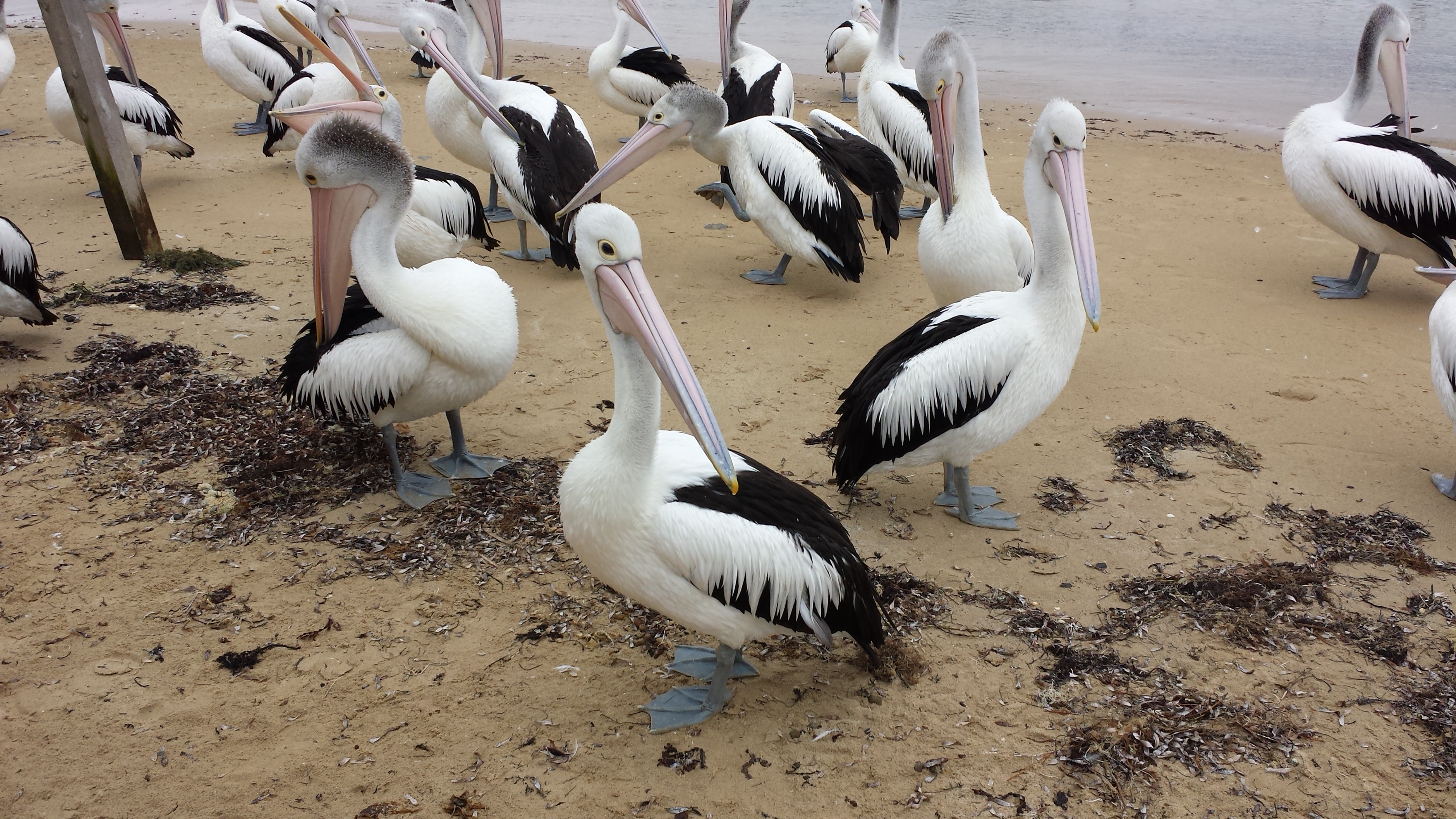
On Philips Island we met Pelicans, whose eyes are really weird, if you look closely into them…Australian Pelican

And one of our walks, in particular, was spectacular, on Wilson’s promontory the scenery, and the wildlife are incredible:

1D8A2242

On our way back from ‘the prom’ we stopped to find a huge mob of grey kangaroos, and we were buzzed by white-throated Needletails, shwooshing past us at over 100 kh/hr.1D8A2258 1D8A2281

The kangaroos weird jewellery are from an on-going research project.

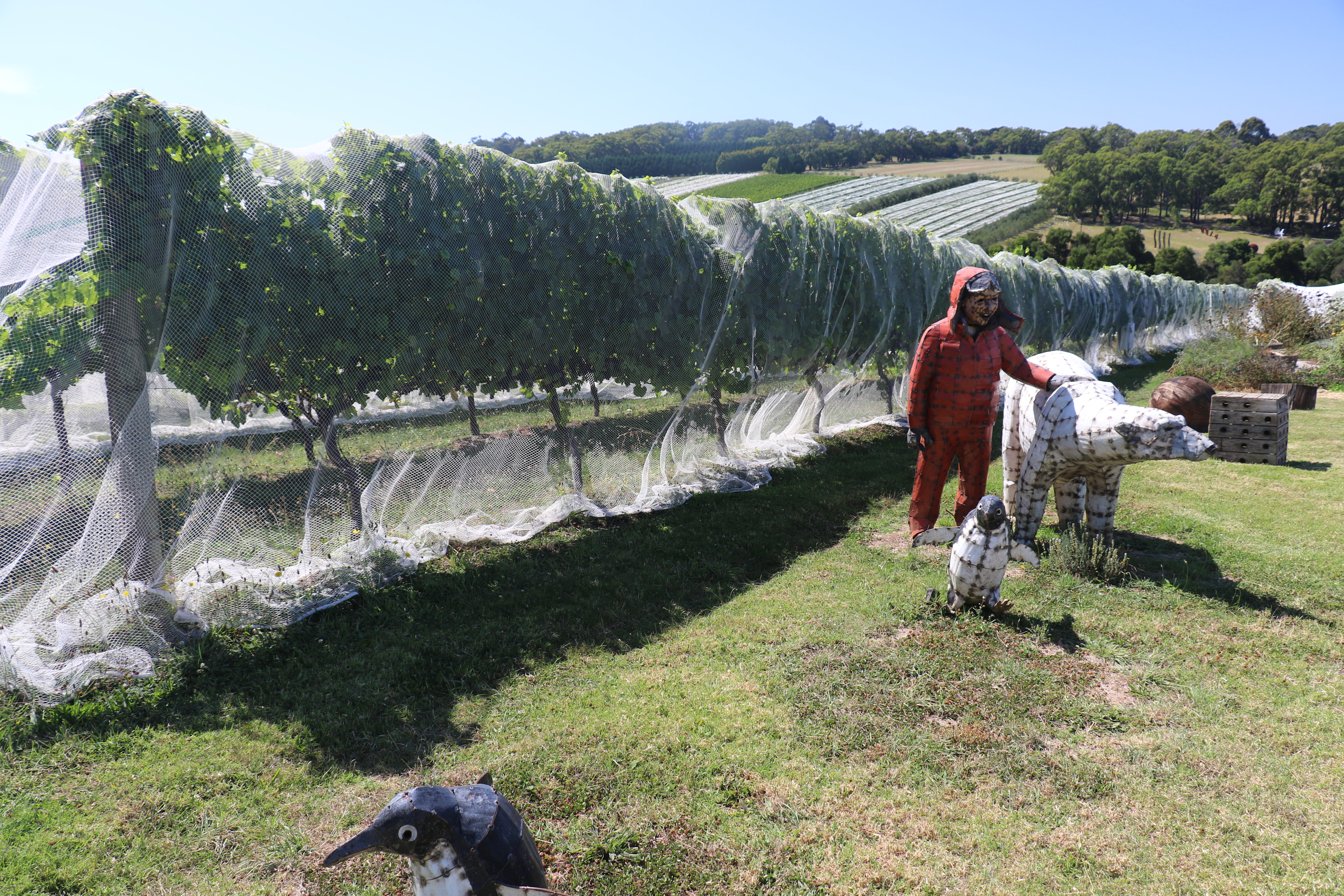
On the way back to Melbourne we stopped at Mont Alto, a beautiful and amazingly tasty vinyard, with many sculptures in the grounds, and well kept flower-gardens.

1D8A2425 1D8A2427 1D8A2415

Posted in Neonatal Research | Leave a comment

Not neonatology: trip to the antipodes, week 9, Apollo Bay

After a week in Noosa, we flew to Melbourne, then drove along the Great Ocean Road to Apollo Bay, or, in fact a few km before Apollo Bay. The house we rented was a few meters from the beach, and was the most amazing place I have ever been for wildlife. There was a dead tree in the garden which attracted a black-shouldered kite, flocks of Cockatoos, tree martins and starlings, the grassed parts of the garden attracted wrens, honeyeaters and various robins etc, and just by walking a few meters down to the beach there were plovers, herons, lapwings and others.

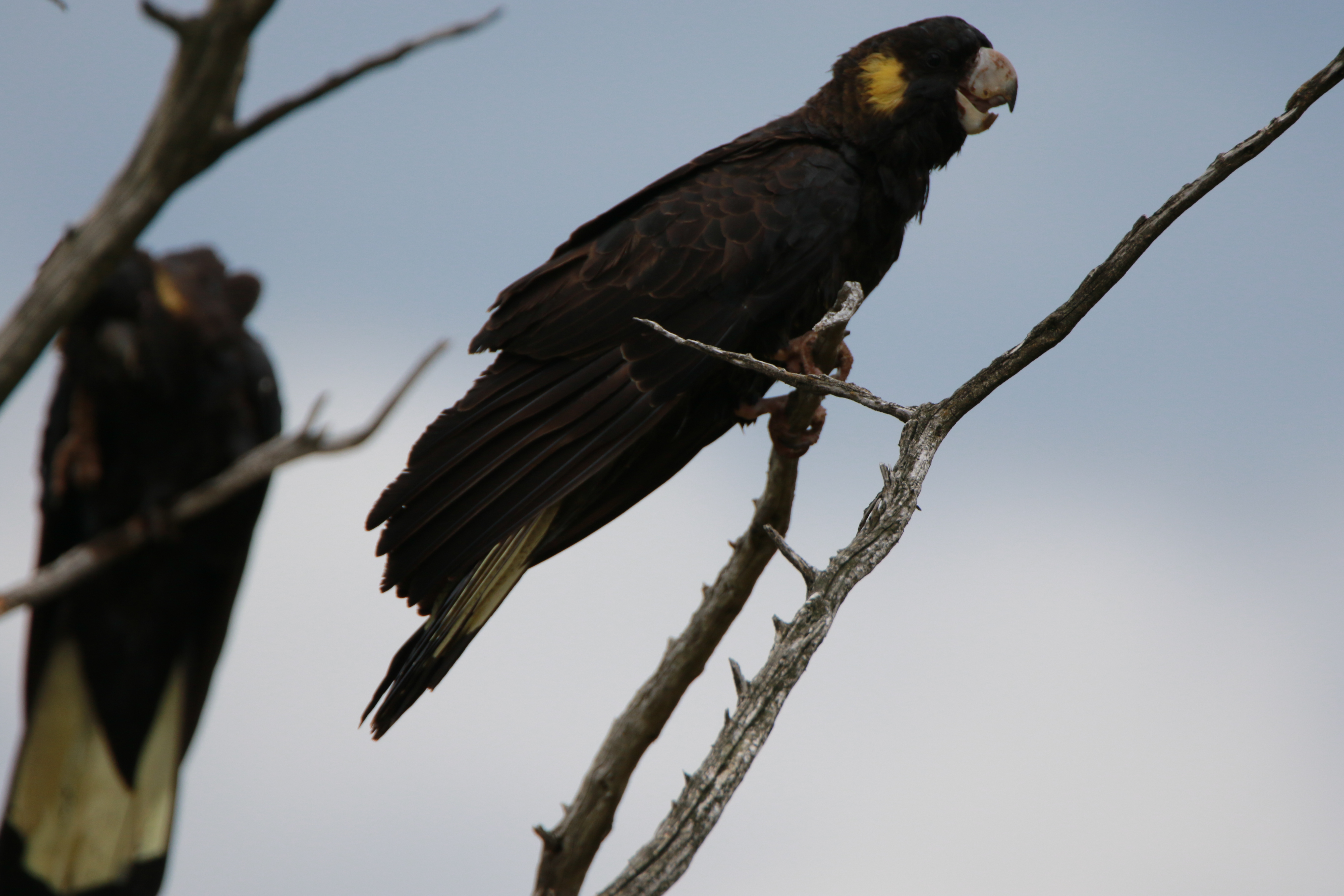
Here is a group of yellow-tailed cockatoos:

Yellow-tailed Black Cockatoo

1D8A0588

That is a black-shouldered Kite, here are two masked plovers:

1D8A0507

and here is a view of that tree and the shore-line at the end of the day.1D8A0842

Another day while we were there, we were honored to receive a visit from a Koala:

1-1D8A1343

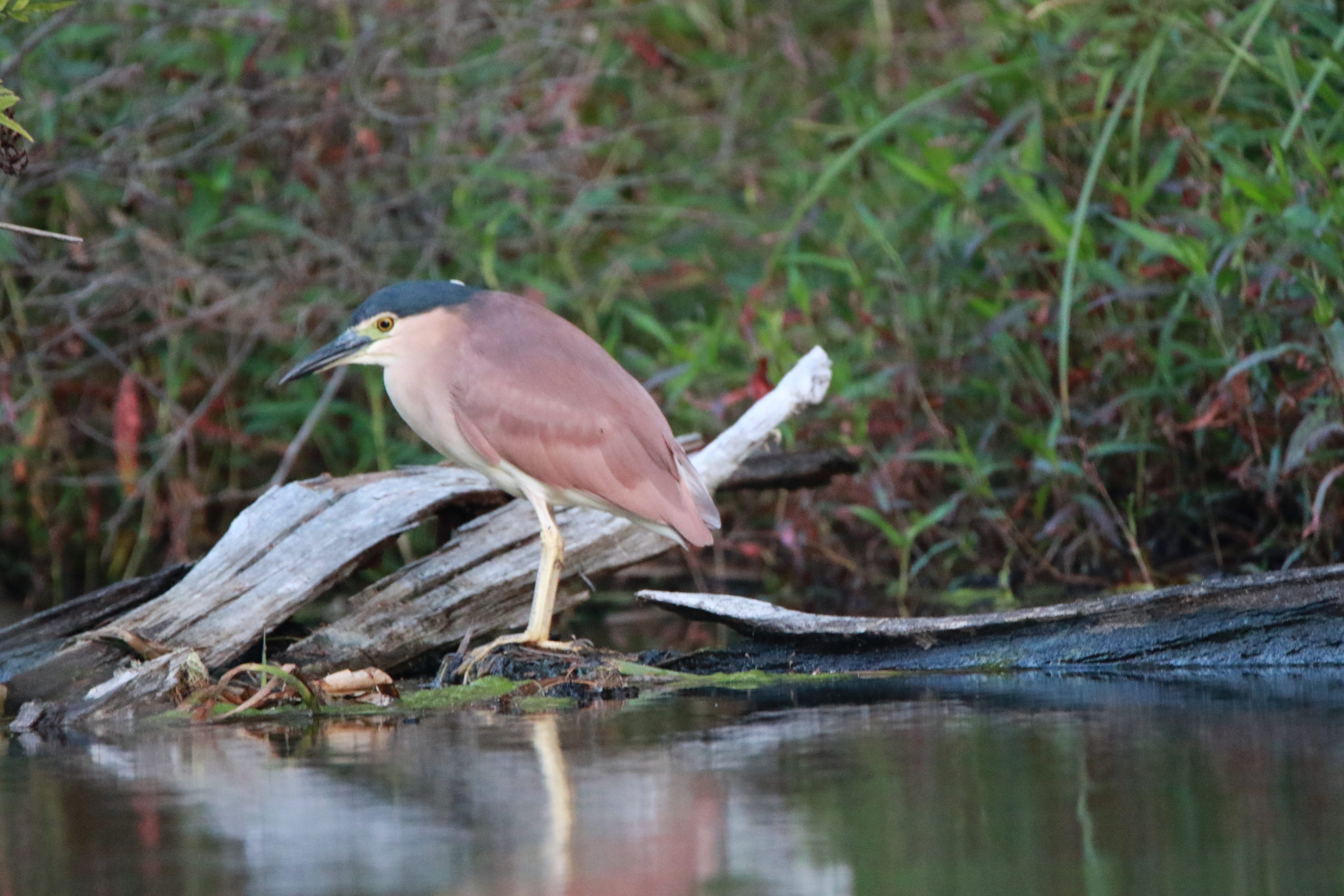
We also went on a trip to see Platypus, my sister and my son swear they saw a platypus, all I can say is that I saw some beautiful birds, including this Nankeen Night-heron.

1D8A1284


Posted in Neonatal Research | 3 Comments

Not neonatology : trip to the antipodes, week 8. Noosa

North of Sydney on the east coast on the Sunshine Coast of Australia is a town called Noosa. Noosa is a warm beautiful place to have a vacation, the town to my taste rather artificial, but it had the great advantage of a high-quality photography store. So replacing my, now clearly dead, camera was not too much of a hardship, except to my wallet.

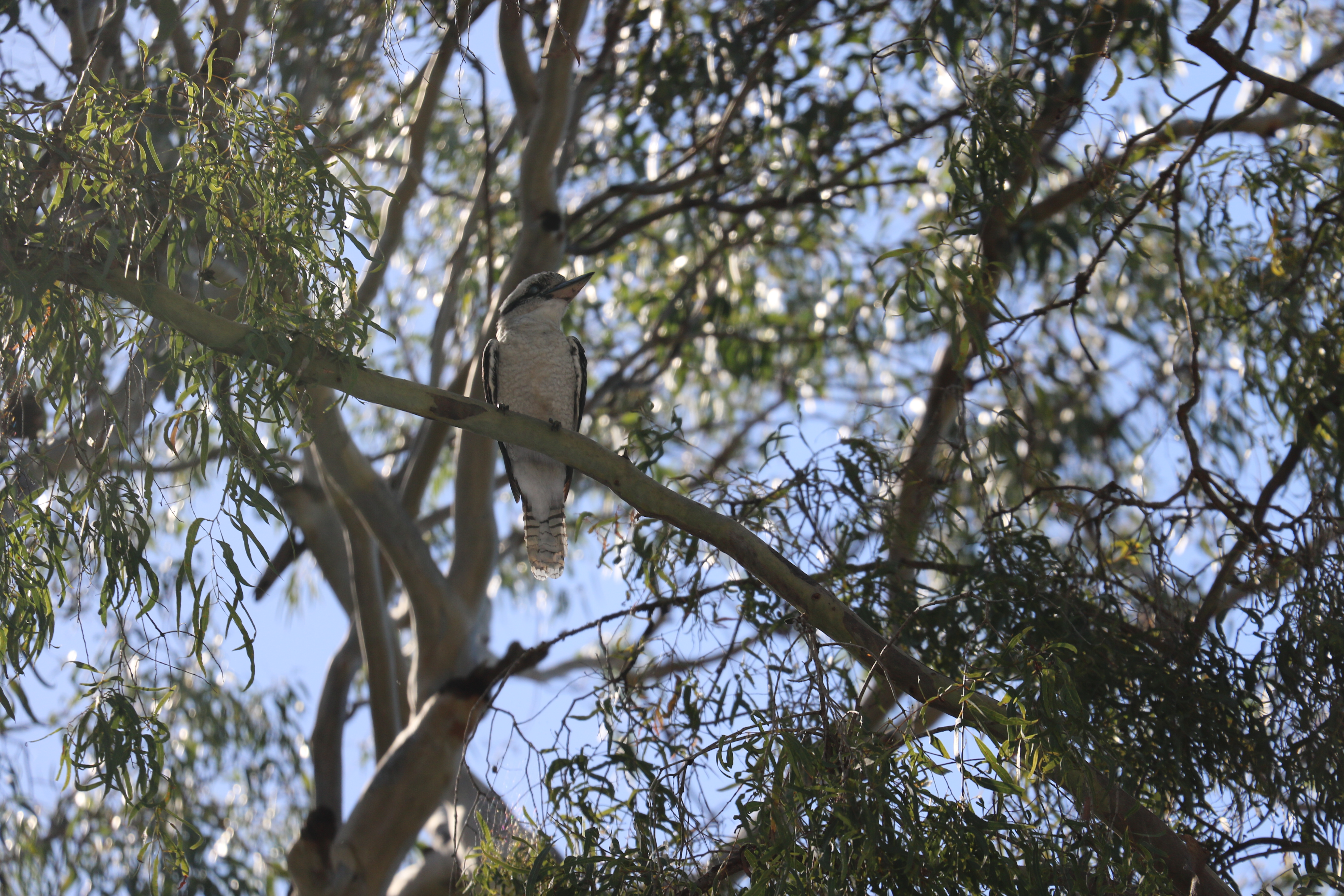
Laughing Kookaburra

The morning after our arrival in Noosa (and my trip to the camera store) we visited the Farmers’ market, where Annie had a mango salad which she still claims is one of the best things she has ever eaten, and where I saw my first Kookaburra!

Noosa, even though it is rather a tourist trap, is also very beautiful, and one of the most memorable walks of our trip was a hike through the Noosa national park.

Rainbow Lorikeet

Rainbow Lorikeets like this one are everywhere, and early in the morning there was frequently a flock of them passing our house.

Rainbow Lorikeets

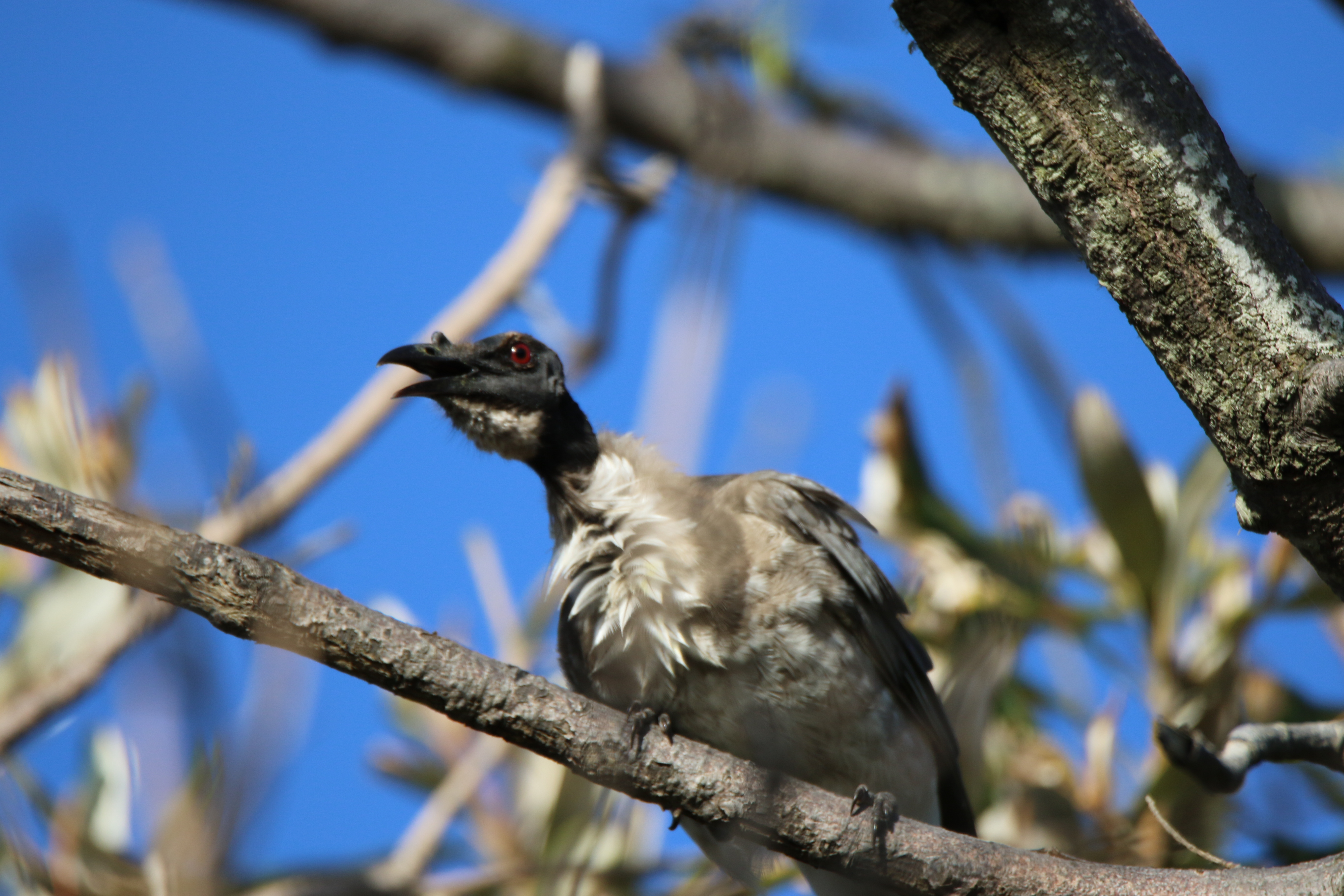
We saw our first Koala, in a tree in the Noosa park, and many different birds, including this honeyeater which is known as a friarbird. 1D8A0177


Posted in Neonatal Research | 1 Comment