Making decisions for extreme preterms, do parents regret their choices?

In 2022 we published an article addressing the question in the title. As part of the Parents’ Voices Project, we questioned families of very preterm infants at follow up about their experiences prior to, during, and after the NICU. 98% of families attending responded, the extremely high response rate being partly because they were given multiple different potential ways of participating (on-line, on paper, in person); about 30% of respondents were fathers. We published a qualitative analysis of the responses to an open-ended question “knowing what you know now, is there anything that you would have done differently?” (Thivierge E, et al. Guilt and Regret Experienced by Parents of Children Born Extremely Preterm. J Pediatr. 2022;257:113268). None of the parents reported regret about life-and-death decisions that they participated in. Of course this was a “biased” sample, of only parents of surviving babies. Many parents did express regret, but it was usually because they regretted not looking after themselves during the NICU period, or they felt guilty about the preterm delivery and regretted the things they had done that they believed had triggered that delivery.

Of importance there was no difference in regret or guilt between parents whose children were considered to have “impairments”, using standard definitions, and those without impairments. Also, as we have also shown, parents often don’t agree with the medical classification of their infant as being impaired or not (new publication to come soon in ‘Pediatrics’); and, using parents own classification of their infants as having challenges or not, didn’t change the fact that they were not more likely to express guilt or regret if they thought their child had limitations.

A new publication from 2 US centres (in Portland OR and Newark NJ) has used a published scale to survey mothers of infants who delivered between 22 and <26 weeks GA, from 2004 to 2019. 56% of them were contacted and 54% participated. Of the respondents, 137 of them stated that they had chosen active intensive care, 43 comfort care, and 23 “other”. Unfortunately, with the very long delay between delivery and being surveyed for some mothers, the authors found some discrepancies between what was reported in the charts, what was actually done, survival, and the mothers’ reports of their decisions. They used a published scale to evaluate decision regret.

The scale is constructed from responses to 5 statements, each on a Likert scale of 1= ‘strongly agree’, 2= ‘agree’ etc to 5= ‘strongly disagree’. Here are the 5 statements:

1) It was the right decision.
2) I regret the choice that was made.
3) I would go for the same choice if I had to do it all over again.
4) The choice did me a lot of harm.
5) The decision was a wise one

As you can see, statements 2 and 4 were expressed as negatives, in order to account for some people who tend to just agree to everything, so the Likert scores for those items are reversed.

The responses are then averaged, 1 is subtracted, then the result multiplied by 25. If someone answered ‘strongly agree’ to all except one, and ‘agree’ to one of the statements, they would score 5; and if someone responded ‘agree’ to all the statements they would score 25. What I don’t understand, in the way these are interpreted in this publication, is that a score of 5 to 25 is considered an “elevated decision regret score”; which is bizarre. If I am comfortable with the decisions that were made, and I tick agree with every statement, rather than strongly agree, the authors report that as elevated decision regret, whereas I think it is the opposite, showing very little decision regret.

There were differences between mothers who reported an active care decision to those remembering other decisions. As you can see here, the 75%le for the score in the ‘active care’ group shows very little decision regret, with substantially more showing regret among the other 2 groups.

Also, one of the determinants of a higher decision regret score was that the infant died; either after comfort care, or in the DR, NICU, or at home, after active care, whatever the decision was made.

As the authors note, there is little other direct research of decisional regret in neonatology. Guertzen et al have published 2 studies, the first, from 2017, (Geurtzen R, et al. Prenatal (non)treatment decisions in extreme prematurity: evaluation of Decisional Conflict and Regret among parents. J Perinatol. 2017;37(9):999-1002) with unfortunately very low response rates (27%), the sample was restricted to parents who actually delivered at 24 weeks. At the time that study was done, optional care at 24 weeks had recently been recommended by the Dutch guidelines (previously being limited to 25 weeks and above) the low response rate and total n of 61, meant that there were only 5 who opted for comfort care among the respondents. Although the authors did show low decision regret scores (using the same scale as the new publication), the small numbers in some groups make interpretation difficult. Decision regret was very low among parents of survivors, and higher among parents of babies that died despite active care, but the scores were still very low (median 7.5). Among the 5 who opted for comfort care decision regret was higher, but the tiny numbers and low response rate make it impossible to extrapolate, it is possible that those with regret, or those who opted for comfort care were less likely to respond. The second publication from the group from 2021 (Geurtzen R, et al. Decision-making in imminent extreme premature births: perceived shared decision-making, parental decisional conflict and decision regret. J Perinatol. 2021;41(9):2201-7), studied parents who underwent counselling between 23 and <25 weeks, they were questioned 1 month later. There were only 20 respondents to this part of the study, most of whom actually delivered after 25 weeks. There was little decision regret.

Another study I found included some newborns, as well as other infants under 1 year of age with “neurological conditions” who had a “goals of care” discussion, defined as being a discussion about continuing life-sustaining interventions or instituting long-term medical technology. (Barlet MH, et al. Decisional Satisfaction, Regret, and Conflict Among Parents of Infants with Neurologic Conditions. J Pediatr. 2022). It is a mixed bag of patients, whose parents were questioned about decisional regret one week after discharge. The study included just over 60 parents, They used the same scale as in those other studies, and, in addition, a scale of decisional satisfaction and another designed to measure uncertainty in decision making, which they refer to as “decisional conflict”. They showed fairly frequent decisional conflict (perhaps not the best term as many answers just show a lack of certainty rather tha conflict) but very little decisional regret, and most parents were satisfied with their decisions. I don’t see an analysis of whether there is any difference in scores depending on the outcomes, survival, death or impairment.

I have had a brief scan through other studies about decision regret, including a systematic review from 2016, which found 59 articles, covering many different aspects of medical decision making, from individuals having cosmetic surgery, through parents making decisions about hypospadias surgery, to surrogates who made decisions about life-sustaining measures in the adult ICU. In general, looking at the more critical decisions, the majority of respondents have little regret regarding their decisions, whatever the decision, and whatever the outcome.

When patients survive without long term consequences, there is very little decision regret (as you might expect). When the patient dies, those who made decisions for limitation of active care seem more likely to experience regret than those who decided for active intervention. The feeling that “at least we tried” seems to lead to less regret than “what if we had tried?) And what about those whose loved one survives after a decision to continue active care, but has major long-term consequences? Among families who have made such decisions, regret still seems to be quite uncommon.

In terms of my personal history, I have spoken on occasion about the decisions we made about starting intensive care for my daughter, born at 24 weeks and 3 days in May 2005, and about the crisis a couple of weeks later when she was critically ill and comatose with septic shock. We came very close, within minutes, of redirecting care, but with the support of my mentor Neil Finer, and following some minimal signs of improvement thanks to the excellent care of the NICU team, we decided to continue full intensive care. I am very proud to tell you that Violette has just started in the Bachelor of Science in Nursing program at the Université de Montréal! Here she is modelling her first set of scrubs.

We obviously haven’t the slightest hint of regret for our decisions, but I am trying to imagine how I would have felt about our decision now, 19 years later, if she had died. I honestly think that if we had continued with our decision for comfort care, and she had died, I would be heart-broken, but probably not feeling regret for the decision. I would not, of course, know how she might have ended up, and would, I imagine, be comfortable that we had made the right decision for the right reasons. If she had died despite changing our minds, and continuing intensive care, then I would still probably be comfortable that at least we had given her a chance. I am less sure how I would feel about the other possibilities, such as her surviving, but with major limitations. Most parents do not regret decisions that they made for their children, even if they have serious challenges, and most parents with challenged kids report both good and bad impacts of their preterm baby on their family. (Milette AA, et al. Parental perspectives of outcomes following very preterm birth: Seeing the good, not just the bad. Acta Paediatr. 2022;112(3):398-408). Indeed my lit review seems to confirm that parents of children living with even very severe impairments rarely regret intensive care or life and death decisions that they made.

Do we sometimes worry that parents who decide to continue active intensive care in life-threatening situations might regret such decisions if their infant survives with major limitations? If so, that worry seems to be unfounded. Regret appears to be more common (even if still a minority) among parents who decide for comfort care.

Posted in Neonatal Research | Tagged , , , | 3 Comments

Improving human milk for preterm infants.

Mother’s own milk (MoM) is clearly preferable for the enteral nutrition of all infants, with major advantages demonstrated among the preterm. Despite one bizarre, flawed, and seriously biased article, that I have criticized on this blog, the next best substrate is, also very clearly, donor human milk (DHM).

Most DHM around the world is provided by altruistic volunteers who provide milk to their local milk bank after expression into sterile containers. But how do they actually do it? I scanned the on-line information provided by several milk banks, and there was little instruction to prospective donors about how exactly to express their milk.

The Ontario milk bank has a video which suggests pumping 1, 2 or 3 times a day, or pumping when first waking in the morning if the mother wakes with breast fullness, or pumping from one breast while their infant suckles from the other, if the baby seems to have a preference. Information for bereaved mothers suggests pumping for 15-20 minutes every 3 to 4 hours.

The Vancouver milk bank recommends pumping once a day, but in their video they also mention pumping from a contralateral breast, or after feeding the mother’s own baby. A few organisations (such as NICE in the UK) counsel against the use of “drip” milk, that is, milk that is spontaneously secreted from the contralateral breast during a breast feed (such drip milk has been shown to have much lower macronutrient content, especially low fat). Most have no other specific instructions. NICE also encourages hand expression, rather than using a pump; this is not explained. In the document detailing the evidence supporting the guideline, they don’t really explain why manual expression is preferred over an electric pump.

Composition of breast milk changes with gestational age at delivery, postnatal age (Mimouni FB, et al. Preterm Human Milk Macronutrient and Energy Composition: A Systematic Review and Meta-Analysis. Clin Perinatol. 2017;44(1):165-72), and even time of day (a relatively minor effect, Paulaviciene IJ, et al. Circadian changes in the composition of human milk macronutrients depending on pregnancy duration: a cross-sectional study. Int Breastfeed J. 2020;15(1):49). Importantly though, composition changes with timing during a feed (with foremilk having lower, and hindmilk higher, fat content, Bishara R, et al. Nutrient composition of hindmilk produced by mothers of very low birth weight infants born at less than 28 weeks’ gestation. J Hum Lact. 2008;24(2):159-67), As for protein content, published research is somewhat contradictory, some showing that hindmilk also has more protein than foremilk, while others seem to show them as being similar. There are some minor problems with the literature, mostly that the definition of when foremilk becomes hindmilk is unclear, it is usually defined after a specific time interval.

Since the development of the human milk bank in Québec, which is organised by the blood transfusion service (Héma-Québec), the program has had stringent quality control, follows HMBANA guidelines, and has been evaluating the macronutrient content of the milk provided. Donor milk received by our milk bank varies in calorie density between 58 and 72 kcal/100mL, and a typical pooled donor milk sample shows a total calorie content of well below 67 kcal/100mL (the classic 20 kcal/fl.ounce). Thus what we give as DHM usually averages close to 60 kcal/100 mL (18 kcal/oz) so we routinely calculate our donor breast milk fortification on this basis, adding 50% more fortifier to DHM than to MoM to achieve our standard 81 kcal/100ml (24 kcal/oz).

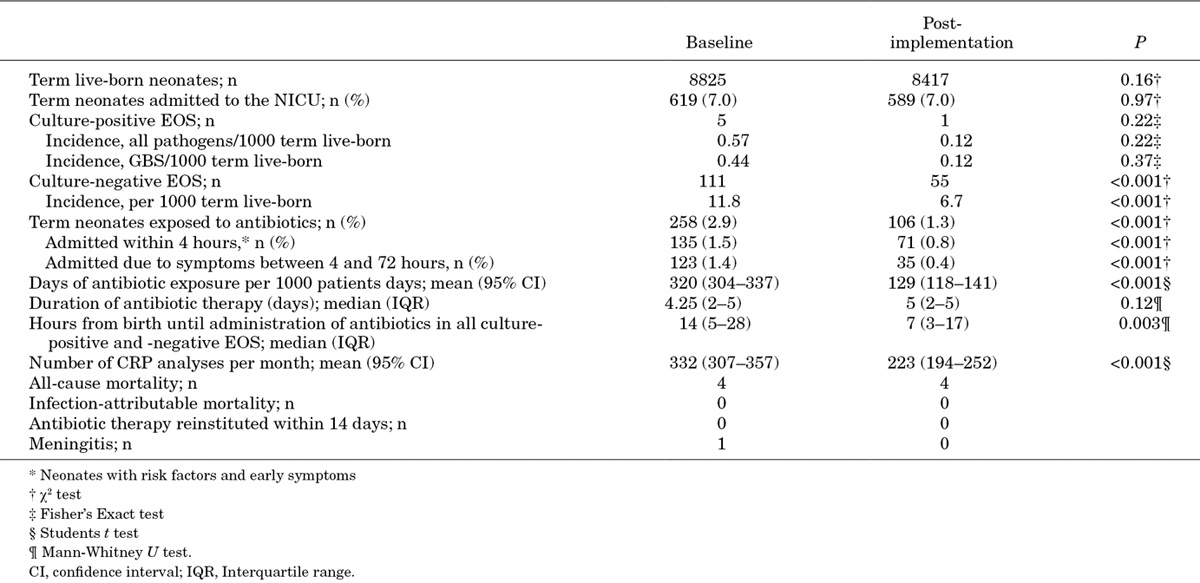
Our nutrition committee and the Héma-Québec milk bank personnel wondered if it would be possible to provide DHM with higher fat, and therefore calorie density, by informing mothers of the potential advantages of hindmilk, and assisting them to provide it. But it was realized, as a preliminary, that we didn’t actually know how mothers were expressing their milk. We have just published the results of a questionnaire, surveying donors to our bank, asking them exactly how they were expressing their milk, and if they would be prepared to change their practices in order to produce hindmilk DHM with higher fat content. (Girard M, et al. Donor Milk Expression Habits: Can we Favor Hindmilk Banking for Extremely Preterm Infants? Breastfeed Med. 2024) 126 of 170 mothers completed the questionnaire, 57% reported expressing donated milk between breastfeeds; 15% reported simultaneously breastfeeding while expressing from the other breast; 12% reported breastfeeding their baby on each breast, then expressing (in other words, providing hindmilk). Most mother/donors were willing to consider changing practice to donate hindmilk, even though this is somewhat more onerous. It entails stopping the breast feed, then washing the breast, then expressing into the sterilized container. Some mothers thought they might not have enough milk left after breastfeeding, or that they were already exhausted after a breast feed, nevertheless 89% were willing to provide hindmilk at least some of the time, and 2/3 could envisage doing so exclusively.

The comments from many respondents (which you can read in the article) were quite touching, and show the dedication of the donors to providing the best start possible for preterm infants. The next stage is to identify exactly how we will identify, and keep separate during preparation, hindmilk, and to ensure that there are no negative impacts on overall donation volumes. Then proving that nutritional outcomes are improved, if possible, although there are already a couple of published studies that we mention in our article and refer to in our bibliography that show such an effect.

Another potential application of this data is for mothers expressing milk for their own baby, would it be possible to provide MoM with more hindmilk? I am sure many mothers would be willing to do so, if we can figure out the logistics.

I don’t suppose there are many breast milk donor who read this blog, but if there are: “Thank You!”, your selfless act benefits many babies who you will never meet.

Posted in Neonatal Research | Leave a comment

Sending home preterm babies with Inguinal Hernias

It has been dogma for quite some time that newborn preterm infants with Inguinal Hernias (I will resist the temptation to latinise the plural, although I was brought up hearing about ‘herniae’) should have them surgically fixed prior to discharge home because the risks of incarceration were so much higher in the young infant.

This practice has been widely followed wherever I have worked; discharge has sometimes been delayed, depending on logistics and clinical status of the baby, and just about all of them have been surgically repaired prior to going home.

Anesthesia and surgery are not without risks, and the preterm infant at risk for such hernias is also at risk of cardiorespiratory instability during and after hernia repair. Delaying surgery might allow a more stable clinical status of the infant, if it can be safely done without increasing complications, in particular incarceration, with its risks of strangulation and intestinal obstruction.

This pivotal multicentre RCT was performed to answer the practical question “is repairing an Inguinal Hernia in a former preterm infant safer if it is performed before discharge home from the NICU, or if done post-discharge at more than 55 weeks PMA?”(HIP Trial Investigators. Effect of Early vs Late Inguinal Hernia Repair on Serious Adverse Event Rates in Preterm Infants: A Randomized Clinical Trial. JAMA. 2024;331(12):1035-44)

So the primary outcome was “safety” which was defined as the absence of any serious adverse event. These “included pulmonary events (apnea requiring intervention, prolonged intubation, unplanned reintubation, stridor, pneumonia), cardiac events (bradycardia requiring intervention, cardiopulmonary resuscitation, cardiac arrest), surgical events (intraoperative injury, wound disruption, surgical site infection), events related to the hernia (incarceration, recurrence, reoperation), and death”. Babies were eligible if born preterm (<37 weeks) and had an Inguinal Hernia. They were enrolled and randomized when thought to be 2 weeks from being discharged.

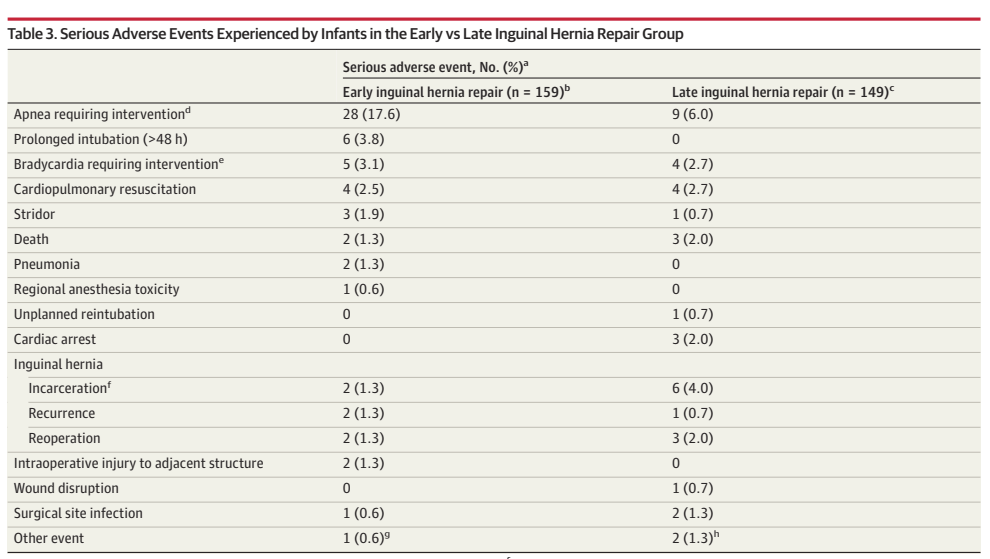
Clearly some of those outcomes are much more important than others, and this is one issue that we could have with the trial. If there had been more deaths in one group, but more apneas in the other group, then the overall number of SAEs might be identical, but clearly one outcome is worse than the other! Indeed, the main real difference in outcomes was many more apneas in the early repair group.

There was, overall, at least one adverse event in 28% of the early and 18% of the late group.

As you can see, all the other components of the primary outcome were uncommon, including, most importantly, incarceration, for which the absolute risk difference was 2.7%.

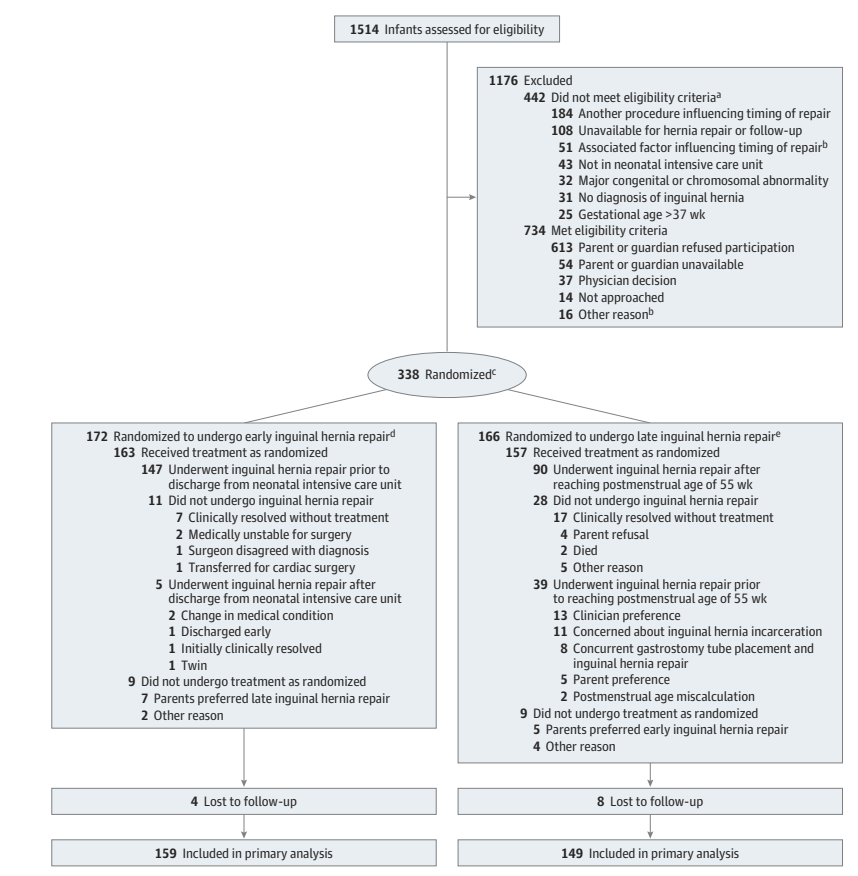
One other outcome of interest were the reasons for non-repair in the 2 groups, among the early repair group, 7 had the hernia resolve spontaneously between enrolment into the trial and the date for the surgery. In the late group 17 babies had resolution of their hernia. I think this is a major advantage of delaying surgery, another 8% of the infants will never need to have the surgery if it is delayed!

As a practical trial, there were many babies who had early repair despite being in the late group,

including due to parent or clinician preference (one could argue that such babies should not have been randomized) and 11 because “concerned about incarceration”, which isn’t really explained, does that mean that there were some signs of incarceration? or someone was just worried?

The analysis was Bayesian, so the results are presented as the likelihood that late repair is preferable to early repair, in terms of numbers of adverse events. For the group as a whole, using a neutral prior (meaning there was no previous good evidence that one approach led to fewer SAEs than the other) the posterior probability of an advantage of the late group was 97%. On subgroup analysis, the major difference in SAEs was among the more immature babies (more than 99% probability of benefit of delaying), compared to 28 weeks GA or more; and among those with BPD.

This is presumably because it is the very immature baby who has a major risk of peri-operative apneas, babies over 28 weeks rarely have such events, so will not have much of that particular benefit, which was the only large difference between groups. The other large benefit of late repair, in relative terms, was avoidance of prolonged assisted ventilation post-op, this occurred in 6 early and 0 late repaired babies, which is presumably related to why late repair was more beneficial in babies with BPD than those without.

I think this trial should have an immediate impact on practice. If safe surveillance can be ensured, then infants at high risk of perioperative apnea, that is, those <28 weeks, have a benefit from late repair, after 55 weeks. Where I live and work, some families come from hundreds, or even thousands of kilometers away, and may have difficulty being transferred back for surgery, especially if it is urgent; they could continue to have pre-discharge repair, because the major increase in risk is for apnea, which is a short-term complication that we can monitor for.

For those who live on or close to the island of Montreal, they can be discharged a little earlier (mean of 5 days sooner in this trial) and the hospitalisation for the hernia repair is usually very brief (mean 0.5 days).

As a more theoretical, study design, consideration, future trials should construct ordinal outcomes, which take into account the relative importance of the outcome variables. As it happens, in this trial I think the relative rarity of all outcomes other than apnea, and the lack of any big difference between groups, means that a DOOR type analysis would almost certainly have given the same results.

Posted in Neonatal Research | Tagged , , , , | 3 Comments

Colostrum and feeding preterm babies

Forgive me if you are already convinced, but I remain somewhat sceptical of the benefits of routinely painting the inside of the preterm infant’s mouth with colostrum. Even though I have supported the introduction of the practice on our NICU, it seems to me to be a bit flaky, to use the scientific term. Can this intervention really have the enormous benefits for the outcomes of our babies that are claimed? I have read the theoretical justifications, and the small mechanistic studies showing impacts on IgA, and maybe on lactoferrin, but the practice has become widely promoted, with catchy names (Oral Immune Therapy) and 3 letter abbreviations- OIT, without good evidence to support it.

What is the evidence of clinical benefit? Does it only work with Mother’s own Colostrum? Does it have to be fresh? Is there a dose response?

There is a Cochrane review, which dates from 2018, they found 6 studies with 335 infants included, and no clear benefit of anything. There are several more recent Systematic Reviews, of varying quality. One of the better very recent ones seems to have been performed following the appropriate standards (Kumar J, et al. Oropharyngeal application of colostrum or mother’s own milk in preterm infants: a systematic review and meta-analysis. Nutr Rev. 2023;81(10):1254-66). This includes 17 RCTs, of varying quality, and I did a quick search and was unable to find anything newer that wasn’t in this SR. Of note, in many of the trials they included, the enteral feeding schedules of the included babies were far from being standard-of-care; large numbers of the babies received artificial formula and some were kept npo during the first days of life. The intervention is also somewhat variable, although 0.2mL of colostrum q3h for 2 to 3 days is the most frequent, some have used greater volumes, or much longer durations, switching to Mother’s own Milk as time went on.

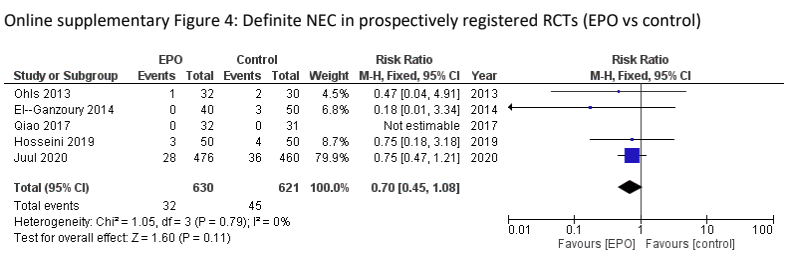
Despite all the hype, there is little evidence of benefit, but the small numbers, and poor quality, mean there remains a real possibility of a major impact on NEC, the RR of stage 2/3 NEC was 0.65 (95% CI 0.36-1.2, n=1089), and of late-onset sepsis was 0.72 (0.56-0.92, n=1482), the latter being very-low quality evidence by GRADE.

Even that NEC result is almost entirely dependent on a single study from China (n=252), which was retrospectively registered, and was terminated early because of an early apparent advantage of the colostrum group, who had much less NEC. The overall incidence of NEC in the controls (<33 weeks gestation, mean GA 30 weeks in each group) was over 10%, they do not appear to have had donor milk available, and it is really difficult to understand some of the data. The late-onset-sepsis result is also largely dependent on this single study.

I do not understand why so many trials from China are retrospectively registered, everyone knows that it is essential to register trials, but doing so retrospectively makes a mockery of the system. It means we can have no confidence that the primary outcome has not been changed, or that the analysis is what was planned. Systematic reviews should always consider this to be a huge red flag, and note it in Risk of Bias evaluations.

This SR illustrates the difficulty in doing trials to prevent NEC; babies in future trials should have optimal evidence-based NEC prevention already in place, with early human milk feeds, standardised protocols and multi-component probiotics; with such approaches NEC becomes less frequent, so very large numbers of subjects are required. Perhaps the only way to do such trials in the future will be performing registry trials with cluster-randomisation. Oro-pharyngeal colostrum administration is, on the other hand, almost certainly quite safe, and, other than the logistic difficulties in ensuring early colostrum expression, and tracking the stuff from mother to baby, quite inexpensive. Perhaps we should all do it anyway, and accept that we will never really know if it is making a difference to NEC or to late-onset sepsis?

I hate to suggest that, but perhaps we can all agree that OIT (!) is almost certainly harmless and just might have measurable benefits. Introducing frequent oropharyngeal painting with uninfected fresh maternal colostrum as a routine practice would have the additional benefit of strengthening efforts to support mothers in the very early expression of their breast milk. For which there is a great deal of observational evidence (such as this very recent publication) that it helps to ensure good milk production over the first weeks of NICU hospitalisation.

Posted in Neonatal Research | Tagged , , , , | 6 Comments

Nosocomial infections, “Hospital-Acquired Infections”, and now “Hospital-Onset Bacteremia”

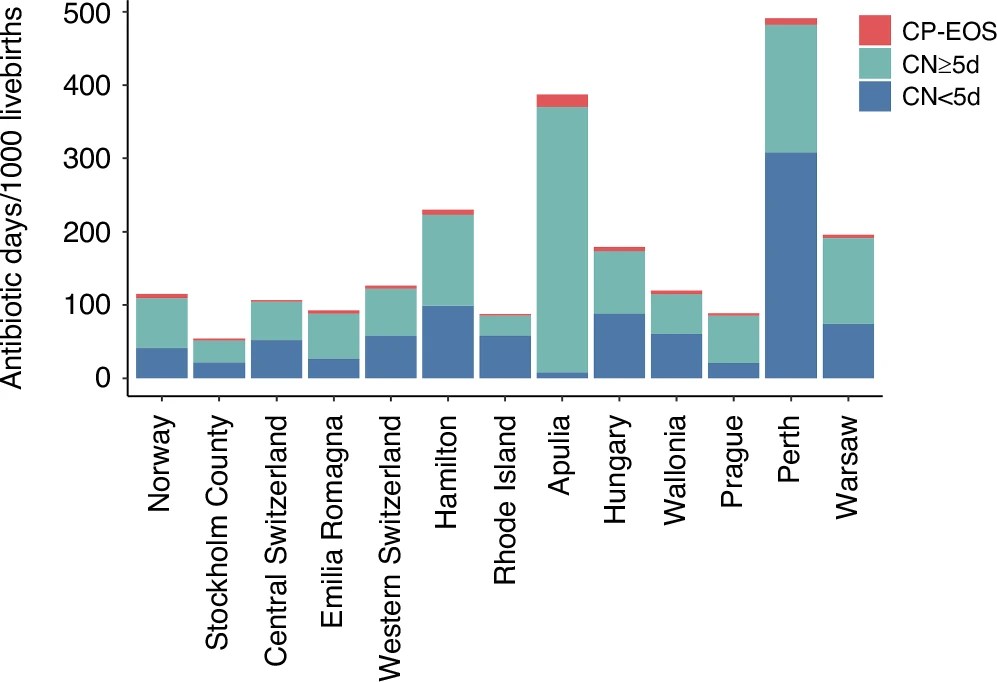
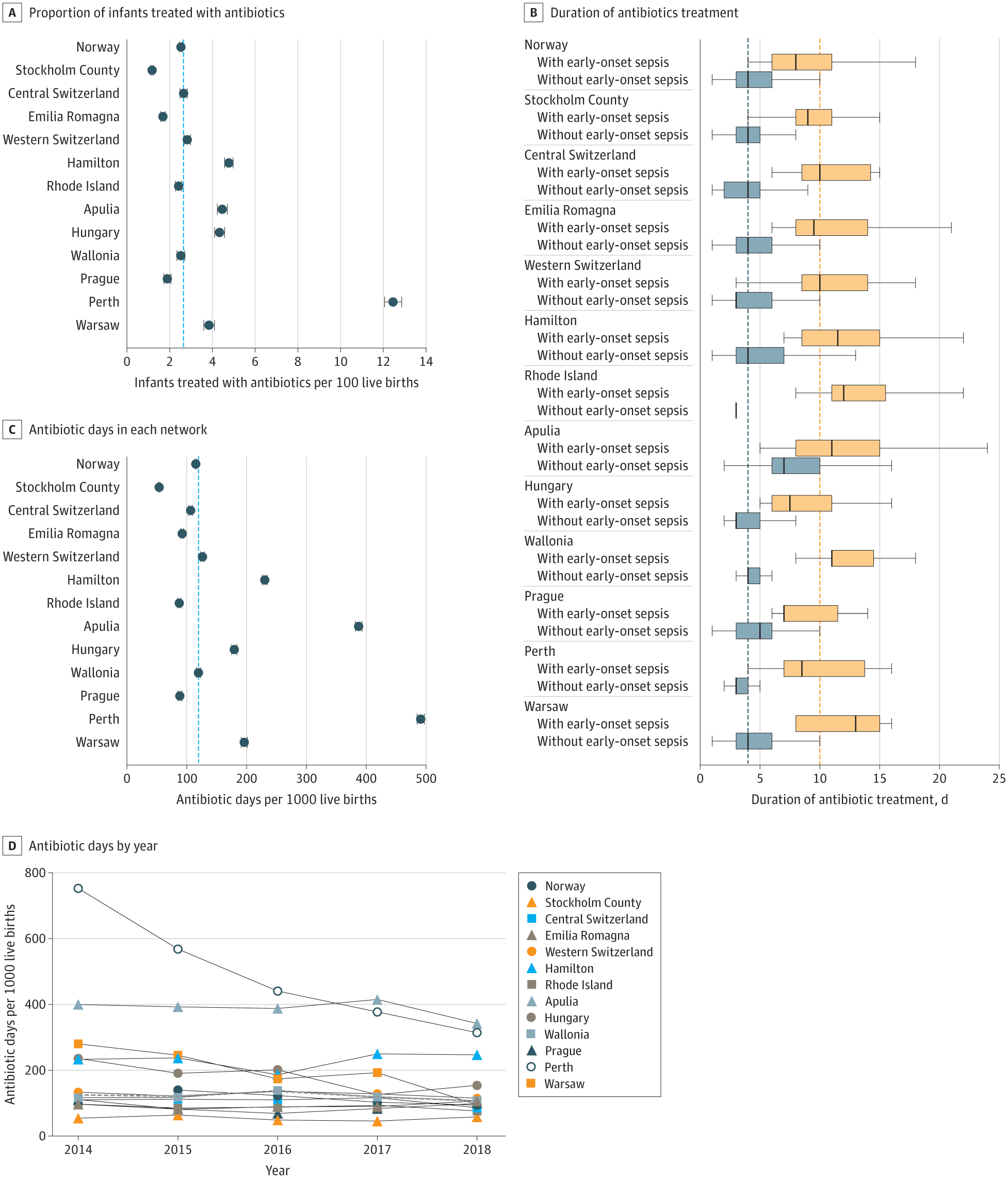
It has been clear for a while that the focus of some groups and some publications on only infections associated with central venous catheters, so-called CLABSI, was missing the point. You could completely eliminate CLABSI by not using central lines, but the babies don’t care what the source of their infection is! Also, most serious infections are Gram-negatives, which are largely the result of blood-stream invasion by organisms in the infant’s own GI tract.

When I first moved to Montréal, to take over the NICU at the Royal Victoria Hospital, we had access to the “Usher needle” a tiny butterfly with a side-loop, inserted by the nurses using a forceps to grasp the side loop, often into scalp veins. There were almost no central lines apart from umbilical catheters (as we had to send the babies to the Montreal Children’s for a picc), and therefore very few CLABSI! We did have what I then called nosocomial infections, the name being derived, I think, from the Greek: nosos meaning something to do with infections, and comial meaning… something else, which I guess had to do with health care. I think Hospital Acquired Infections is a better name, and suggests that the hospital is to blame, so I will call them HAI. Hospital Onset Bacteraemia, is a newer terminology, referring only to blood culture positive cases, and is presumably meant to be more neutral, but maybe being neutral isn’t the best idea. Back at the Royal Vic, with the improved survival and prolonged need for vascular access for some infants, and the disappearance of the Usher needle, I developed a central catheter team, which led to a dramatic increase in CLABSI, but no real change in HAI.

If you look at the CNN reports, for many years there have been data on CLABSI, as well as a report of all Late-Onset Infections. The variations in incidence of CLABSI are much greater than of HAI. It is also important to point out that the CNN reports blood culture positive infections. So-called culture-negative sepsis is not included in the main reports; there are guidelines for deciding which cultures may be contaminants, a consideration which, of course, mostly applies to COagulase Negative Staphylococci, or CONS, but those guidelines are somewhat subjective, as always. The CNN report divides the CLABSI into CONS and other organisms, and just under half of the CLABSI are CONS.

Of the remainder, the majority, as mentioned above, are probably primarily organisms invading from the GI tract of the baby, a few recent publications seem to confirm this. Using the latest metagenomic techniques, (Schwartz DJ, et al. Gut pathogen colonization precedes bloodstream infection in the neonatal intensive care unit. Sci Transl Med. 2023;15(694):eadg5562), with sequencing of multiple stools from 19 preterm infants with HAI, they showed that prior to the development of sepsis with Gram negative organisms or with Enterococci, there was an extremely high relative abundance of the organism in the GI tract, of over 10% in all, and sometimes reaching over 45% of all the bacteria in the gut being the offending germ that went on to cause the bacteraemia. In contrast, babies with Staph Aureus sepsis or with late-onset Group B Strep, had very little of the organism in the stool, except one S Aureus baby with >90%. Which seems to confirm that Enterobacteriaceae and Enterococci sepsis is usually due to blood stream invasion by GI organisms, whereas the other bugs mentioned usually come from elsewhere, probably the skin or pharynx, or from the skin of the health-care team.

Another recent publication, this time from Singapore, (Heston SM, et al. Strain-resolved metagenomic analysis of the gut as a reservoir for bloodstream infection pathogens among premature infants in Singapore. Gut Pathog. 2023;15(1):55) also showed that Enterobacteriaceae causing HAI (with close to 100% DNA identity) were previously found in the GI tract, whereas the S Aureus and 2 of their 4 late-onset GBS were not found.

The team from St Louis have also previously confirmed that giving antibiotics increases the presence of pathogens, and, in particular antibiotic resistant pathogens, in the GI tract of preterm infants in the NICU (Gibson MK, et al. Developmental dynamics of the preterm infant gut microbiota and antibiotic resistome. Nat Microbiol. 2016;1:16024).

Central venous catheters are not, therefore, a frequent source of HAI in preterm infants, low gestational age is the major risk factor, prolonged initial antibiotics, and not receiving probiotics are all as important as risk factors in our population. Indeed just being in the NICU, which has it own microbiome and which interchanges with the infant’s microbiome, is a major risk. A study from a few years ago showed that the highest bacterial abundance was on the floor of the NICU room, just in front of the incubator, (Brooks B, et al. The developing premature infant gut microbiome is a major factor shaping the microbiome of neonatal intensive care unit rooms. Microbiome. 2018;6(1):112) and that there appears to be a dynamic interchange between the infant’s bowel microbiome and the local environment. Brooks B, et al. Strain-resolved analysis of hospital rooms and infants reveals overlap between the human and room microbiome. Nat Commun. 2017;8(1):1814.

Scrupulous technique for insertion and care of central venous lines is essential for any patient with such a catheter. But even the best quality control of catheters will probably not have much overall impact on HAI incidence, unless there are also evidence-driven interventions to reduce other sources of HAI.

This post is actually in response to a recent publication from the Pediatrix group, and 5 other academic NICUs, Prochaska EC, et al. Hospital-Onset Bacteremia Among Neonatal Intensive Care Unit Patients. JAMA Pediatr. 2024;178(8):792-9) which reflects a change in the USA, where the CDC is introducing HAI, specifically bacteraemia with an onset more than 3 days after admission, which is called Hospital Onset Bacteraemia, or HOB, as a quality metric. The publication documents the HOB frequency per 1000 patient days:

As the second graph shows, HAI become less frequent with postnatal age among the very preterm, but become more frequent over time in the term babies. Obviously most term babies who are still in the NICU after 1 month of age are very complex babies with multiple problems:

whereas among the very preterm, they are becoming more stable over time, as well as having progressively more mature immune systems. Presence of a central line is a good marker of these changes, any baby still needing a central line after 6 weeks of age is at very high risk of HAI.

In older patients, some definitions of a true CLABSI require paired quantitative cultures, with a greater CFU concentration in the culture drawn from the line than from a peripheral site. We almost never do that, mostly for technical/logistic reasons (blood volume and risk of catheter occlusion), so definitions of CLABSI are somewhat variable, and not necessarily directly comparable. In the CNN the definition is simple, a positive culture with a central line in place, or within 48 hours of withdrawing the line; I think it is obvious that many such bacteraemias are not due to central line contamination. Recording any positive blood culture, with some filters to eliminate contaminants, is simpler, more likely to be comparable, and is more relevant for the lives of our babies. As one example of how this is pertinent, one site in the CNN 2022 annual report had the highest crude rate of HAI for infants <33 weeks at 6.6/1000 patient days, but had one of the lowest incidences of CLABSI (4/1000 central line days, of which 1.4 were CONS).

We need to focus on maintaining scrupulous had hygiene, limiting unnecessary antibiotics, and trying to manipulate the intestinal microbiome to reduce or eliminate pathogens. Other interventions, attempting to support the immature immune system (IV immune globulin, Colony Stimulating Factors, neutrophil transfusions) have so-far proven ineffective. As the JAMA Pediatrics article shows clearly, HOB are a substantial cause of mortality, fighting them is a priority.

Posted in Neonatal Research | Tagged , , | Leave a comment

Early Exclusive Enteral Nutrition: not Early, not Exclusive, some Parenteral, but interesting anyway.

This could have been part 3 of my recent duet of posts on the potential toxicity of TPN. Those 2 posts referred to the late preterm and the full term newborn. In this study (Razzaghy J, et al. Early and exclusive enteral nutrition in infants born very preterm. Arch Dis Child Fetal Neonatal Ed. 2023) .infants of 28 to <33 weeks GA, who were <36 hours of age were enrolled.

It is not clear in the manuscript if eligible babies could have been already receiving enteral feeding when enrolled, it seems to be assumed that they had not yet started feeds. Babies >1500g had iv fluids with just dextrose, and those <1500g had a dextrose amino acid solution started at birth, prior to enrolment in this trial.

The intervention group, once randomized, were started on enteral feeds of human milk (maternal breast milk MBM, or donor DBM) at 60-80 mL/kg/d, within the first 36 hours after birth. The controls started on 20-30 mL/kg/d within 96 hours after birth. Both groups then increased enteral feeding volumes by 20-30 mL/kg/d, having the IV fluids gradually decreased to achieve the desired total fluid volume.

Again, it is not clear in the publication, but it seems like the intervention group continued to receive the same intravenous fluids as before, i.e. the babies <1500g getting dextrose/amino acid solution continued to get it, as their iv fluids were weaned. What happened to the IV fluids in the controls is nowhere described. Did they all get started on TPN? Did they aim for a standard IV protein intake? Or, what? Surely as a trial of trying to avoid TPN in very preterm babies, the use of TPN in the controls should have been described.

Both groups aimed for at least 150 mL/kg/d of enteral feed volume. All had human milk alone for the first 14 days after birth, and then transitioned to artificial formula if there was insufficient MBM. Fortification was not standardised, and the publication states that the 1st 14 days was an “exclusive human milk” diet, but whether this means that fortification was with DBM-based fortifier or not isn’t clear. Timing of fortification is very variable in the literature, and as this was an unmasked trial it might have been different between groups. If it was decided as part of the study design to not standardize fortification, at least it should have been reported when and how it was commenced, in each group. As it is, we have no idea if the nutritional intakes between groups were different or not.

The primary outcome was the number of days within the 1st 28 days of life that the infant received at least 150 mL/kg/d of enteral feeds. Which seems a strange outcome; the feeding regimes put the intervention group a minimum of 2 to 4 days ahead of the controls by the design of the feeding protocols. So if there was no difference in this outcome that would have been very weird. It is like designing a controlled trial of caffeine vs no caffeine, with the primary outcome being whether they got caffeine or not!

An intervention group baby could be started on 80 mL/kg/d on day one, and increased by 30 mL/kg every day, reaching the outcome volume by day 4. Control babies, at the best, would have taken at least one extra day to get there, and, if started on day 3 at 20 mL/kg/d, then increased by 20 mL/kg/d, could easily have taken until day 10 to satisfy the outcome criterion.

As importantly, who cares? Surely what matters is if there were any clinically important differences between groups, such as sepsis, or NEC, or some index of growth. Much more interesting, therefore are the growth outcomes that were measured, and which included body composition, at between days 15 and 28.

The authors note that a trial with occurrence of NEC as a primary outcome would have required thousands of babies, but, with the previous data about Late Onset Sepsis being much more frequent among term and late preterm infants receiving TPN, a prioritized composite, of death, followed by NEC, followed by Sepsis (as an example) could have had a realistic sample size. A primary growth outcome would also have been feasible.

There were 102 babies enrolled, and full results for 97, the primary outcome showed a difference of 2 days, which is entirely explicable by the differences in the feeding protocols.

There are several other unexplained things in the results: results are presented for the days to “full enteral feeding”, which was 6 days vs 7 days, and other results for “exclusive human milk feeding”, which was 4 days vs 6 days. What those terms mean, and what the difference is between them is not explained. Weren’t all the babies receiving exclusively human milk for the 1st 14 days? Neither term is defined in the methods, there isn’t a published protocol, and the trial registration documentation is very sparse. I might guess that “full enteral feeding” is when the IV was stopped, but then “exclusive human milk feeding” is entirely unclear.

The mean birth weight of the babies was very close to 1500 grams, but by chance the controls weighed about 200g less than the intervention group (1385g vs 1571g). About half of each group should therefore have been getting amino acid solutions when randomized, but this would have been a greater percentage in the controls. What was done with the parenteral nutrition is never described, were AA solutions continued during the weaning of IV fluids? Did any have IV lipids? What were the total calories and protein given in each group over the first few days?

The intervention group also happened to have less growth restriction at birth, z-score -0.08 compared to controls -0.38. In both groups, weight z-scores at 36 weeks were lower than at birth (-0.9 vs -1.2), and head circumference z-scores were below the mean also (-0.8 vs -0.8), there was a difference in the 36 week length z-scores (-0.9 vs -1.5), all of which are intervention vs control, respectively. The fat free mass z-score was also different between groups at 14 days of age, 1.48 vs -2.0. It is important to note, that all the differences disappeared when they corrected for the birth weight z-scores. The only difference that remained “significant” after adjusting for birth weight z-scores was the small difference in length z-scores at 36 weeks PMA.

It seems likely that, total macronutrient intakes in the 1st few days were similar or lower in the intervention group, who presumably had a little less protein intake, at least; Growth was not substantially different between groups.

Control babies were hospitalised for 7 days longer (40 d vs 47 d), it isn’t clear why, but, by chance, the controls were 1 week less mature at birth, 30 weeks vs 31 weeks. That might entirely explain the difference in hospital stay, so they went home at about the same PMA.

I think the Archives peer review failed badly with this article; it is an RCT of a nutritional intervention that presents no data on nutritional intakes. There are very important details of the procedures that are not described. There are outcome terms which are not defined. The abstract, which is all most people read, does not mention that all the differences disappear when adjusted for an important baseline imbalance. And the results were only adjusted for the difference in baseline birth weight z-scores, there remains a difference in GA; my guess is that the residual, non-significant, difference in hospital costs (and perhaps in pre-discharge length z-score) would completely disappear if they accounted for the extra days of hospitalisation entailed by the lower GA in the controls.

As this post’s cynical title suggests, I don’t think this actually qualifies as a trial of early, exclusive, enteral nutrition; enteral nutrition routinely starting before 6 hours, for example, could be reasonably called “early” (compared to before 36 hours) and completely avoiding amino acid solutions could be called “exclusive”. But, as a first step to designing a protocol, to actually test an approach of trying to completely avoid Parenteral Nutrition in many very preterm babies, it does provide some safety data. I think it shows that we could indeed safely design a trial, in babies of 28 to 32 weeks GA, with the goal of investigating whether completely avoiding amino acid solutions, when possible, has benefits in terms of clinical outcomes or growth.

In an actual trial of EEEN, intervention babies would all receive full enteral feeds from birth, that is 60 mL/kg/day from arrival in the NICU, if unable to tolerate that, then a dextrose solution would be started from birth, and enteral feeds started within the first few hours of life, increasing at 30 mL/kg/d, which, for most babies, would cover their total fluid requirements, at 90, 120, then 150 mL/kg/d, thereby avoiding completely iv access for those who did not require antibiotics, and completely avoiding TPN, or an iv amino acid solution, for many babies. Criteria for parenteral nutritional assistance would have to be clear in such a trial, for example, if an intervention group baby had persistent regurgitation, and by day 3 was receiving less than a certain threshold, then a supplemental parenteral nutrition could be added.

Controls would have standard care, with guidelines in place for when to start TPN, and how to commence and advance feeds.

Posted in Neonatal Research | Tagged , | Leave a comment

Mind your ABC’s : Artificial respiration Before Cord clamping?

Delayed cord clamping has, rightly, become the default whenever a newborn infant is born, benefits in term, late preterm, and very preterm infants have been shown. Current guidelines suggest that if the infant “needs resuscitation” then immediate clamping and assisted ventilation is reasonable. But, if the baby does “need resuscitation” then the best approach remains uncertain. I can do no better than quote from the introduction of the published protocol for the ABC3 trial (which was actually an abbreviation for “Aeration Before Clamping”).

Recent meta-analyses, comparing delayed cord clamping (DCC) with immediate cord clamping (ICC) in preterm infants, showed increased haematocrit, fewer blood transfusions, a decrease in mortality and a trend towards fewer intraventricular haemorrhages (IVH). However, in most studies, DCC was performed using a fixed time of 30–60 s, while it can take up to 3 min before placental transfusion is complete. Waiting longer than 30–60 s is not considered feasible, given that respiratory support cannot be applied during this time interval. Additionally, most trials comparing DCC to ICC did not include very preterm infants requiring immediate interventions for stabilisation or resuscitation, while these infants have the highest risk of complications and therefore could benefit most from DCC.

…recent studies in preterm lambs have demonstrated that delaying cord clamping until after ventilation onset prevents a rapid decrease in cardiac output. The observed large fluctuations in systemic and cerebral haemodynamics, and concomitant bradycardia and hypoxia frequently observed in preterm infants after ICC, could be avoided by delaying cord clamping until after aeration of the lung… delaying cord clamping until the infant is stabilised may decrease the risk of cerebral injury and hypoxia-related diseases such as NEC and associated rates of mortality and morbidity.

As you can probably tell by the quotation marks around “needs resuscitation”, I think it is really unclear when a non-vigorous infant who is still attached to the placental circulation should have resuscitation instituted. If the infant is apnoeic at birth, but with a good heart rate, should you clamp immediately or wait for a short time while stimulating the baby, or just wait and watch, if the cord is pulsating, with the hope that the baby is getting adequate oxygenation from the intact placental circulation?

Indeed the current NRP algorithm doesn’t mention cord clamping anywhere!

The most recent European guidelines (Madar J, Roehr CC, Ainsworth S, Ersdal H, Morley C, Rudiger M, et al. European Resuscitation Council Guidelines 2021: Newborn resuscitation and support of transition of infants at birth. Resuscitation. 2021;161:291-326) are clearer on this issue, they have an introductory section as follows

Management of the umbilical cord after birth

  • The options for managing cord clamping and the rationale should be discussed with parents before birth.
  • Where immediate resuscitation or stabilisation is not required, aim to delay clamping the cord for at least 60 s. A longer period may be more beneficial.
  • Clamping should ideally take place after the lungs are aerated. Where adequate thermal care and initial resuscitation interventions can be safely undertaken with the cord intact, it may be possible to delay clamping whilst performing these interventions.
  • Where delayed cord clamping is not possible, consider cord milking in infants >28 weeks gestation.

They divide babies into 3 groups; Group 1 is “satisfactory transition”; babies who should have delayed cord clamping. Group 2 is “Incomplete transition”:

I’m not sure about the inclusion of ‘reduced tone’ in this: what if a baby is hypotonic (and I am not sure how good we are in the DR in evaluating the muscle tone of a baby) but breathing well with a good heart rate? Even ‘breathing inadequately’ is somewhat subjective, it is mentioned elsewhere in the guide that this refers to gasping or grunting. The guideline continues with the following recommendations

  • Dry, stimulate, wrap in a warm towel.
  • Maintain the airway, lung inflation and ventilation.
  • Continuously assess changes in heart rate and breathing If no improvement in heart rate, continue with ventilation.
  • Help may be required

The 3rd group in these guidelines are “poor/failed transition”

Again, although most babies with apnoea and/or bradycardia are floppy, why does that need to be there? Surely it is the respiratory and cardiac status that are important.

The guidelines further note :

Preterm Infants

  • Same principles apply.
  • Consider alternative/additional methods for thermal care e.g. polyethylene wrap.
  • Gently support, initially with CPAP if breathing.
  • Consider continuous rather than intermittent monitoring (pulse oximetry ECG)

It isn’t clear how long the initial assessment of breathing and heart rate should take, and if you can wait for 10 or 20 seconds or longer to see if the infant starts to breathe. There is a section on tactile stimulation which states

  • Initial handling is an opportunity to stimulate the infant during assessment by
  • Drying the infant.
  • Gently stimulating as you dry them, for example by rubbing the soles of the feet or the back of the chest. Avoid more aggressive methods of stimulation

But I can’t see anything about how long to continue the stimulation. I know this is a minor point, but when we start to consider whether, and when, we should progress to more invasive support prior to clamping the cord, it starts to become more important.

There is a later flow chart in these European recommendations which suggests that, for the apnoeic baby, we should have opened the airway and given 5 positive pressure breaths by about 60 seconds of age.

The reason for me nitpicking over these guidelines, and noting that the NRP/AAP/CPS guidelines are unclear on the cord clamping issue, is the publication of a multicentre RCT (Fairchild KD, et al. Ventilatory Assistance Before Umbilical Cord Clamping in Extremely Preterm Infants: A Randomized Clinical Trial. JAMA Netw Open. 2024;7(5):e2411140)

Infants <29 weeks were randomized to the intervention group with assisted ventilation before cord clamping, or control, standard, care. Below are lightly edited extracts from the methods section.

In both study groups, initial steps of infant resuscitation included tactile stimulation and suctioning the airway, if needed.

Immediately after delivery, infants were placed near the perineum for vaginal birth, on sterile-wrapped trays across the mother’s thighs for cesarean birth, or on freestanding platforms for initial steps of stabilization. Warming pads and plastic wrap were used to minimize heat loss. Thirty seconds after birth, the infant received CPAP if breathing well or PPV if not breathing well. Heart rate was checked at 60 and 90 seconds, and if <100, ventilation corrective actions were performed per NRP. The goal cord clamping time was 120 seconds after birth. Equipment used for the intervention varied by site and included face masks, devices to administer CPAP and PPV, oxygen and air tanks to provide blended supplemental oxygen. For cesarean deliveries, equipment was near the sterile field.

For infants randomized to the control group, the umbilical cord was clamped 30 seconds after birth if the infant was not breathing well (apnoeic or gasping), or delayed until up to 60 seconds if the infant was breathing well (audible crying or visible sustained respirations).

The flow diagram of the protocol in the supplemental materials is helpful:

The primary outcome of the trial was survival to 7 days of life without any grade of IVH.

The trial was powered for an Odds Ratio of 0.5 among the “Not breathing well” group of the primary outcome. Although it was an unmasked study, for obvious reasons, the evaluation of head ultrasounds was performed by independent masked radiologists.

The overall findings were of no difference in the primary outcome, as you can see from the weirdly pink visual abstract. In more detail; among the subgroup who were not breathing well, there was the biggest difference in the intervention, with the controls having cord clamping at 30 seconds, transfer to a resusc table followed by further intervention as required, and the VentFirst group who had assisted ventilation, and other manoeuvres, with the cord intact for 120 seconds.

In the ‘not breathing well’ group mortality at 7 days was similar: 11% control, 9% VentFirst; and any IVH among survivors to 7 days was 32% vs 30%. Strangely, the RRs were a little <1 for mortality and a little >1 for IVH, even though both were slightly more common in the controls, I wonder if there is a mistake in those numbers.

In the babies who were breathing well, in whom the difference in intervention was really just in the duration of DCC, the results are reversed, with both mortality and IVH being slightly more frequent in the VentFirst group, and both RRs being >1.0, although with tiny numbers of deaths.

Regular readers will probably guess what I am going to say now, which is “who cares?” Who cares about deaths by 7 days of age, or grade 1-2 IVH? Surely, what is really important is whether the babies were more or less likely to go home alive, and whether they had a brain injury which could increase their chances of a limited long term outcome. For the first part of that concern there is no data presented in the manuscript: but there are data on survival to 36 weeks, which was 26/278 VentFirst babies, and 29/292 controls. As there are usually few deaths between 36 weeks and discharge we can hope that survival to discharge was not different between groups, there were about 1/5 of the babies who were <26 weeks, in whom late death is a bit more common, but I guess we won’t know for sure about survival to discharge unless long-term follow-up is published. As for more serious brain injury, there is a secondary, composite outcome, of grade 3 or 4 IVH, cystic PVL, or cerebellar bleeds. This outcome was, in the subgroup who were ‘not breathing well’, somewhat less frequent in the VentFirst group than controls, 11% vs 18% (RR=0.63, 95% CI 0.35, 1.13), and a little more frequent in the VentFirst group among those ‘breathing well’ (9% vs 7%). After scouring the supplemental material, the frequency of combined grade 3 and grade 4 IVH was 13/150 vs 18/121 (‘not breathing well’, VentFirst vs Control), and 8/128 vs 9/171 (‘breathing well’ groups).

Among other outcomes that were measured, VentFirst babies had higher 1 minute Apgars and were less likely to be intubated in the DR (47% vs 62%). All other usual neonatal outcomes were very similar between groups. Of note the median duration of DCC in the VentFirst group, which was supposed to be at 120 seconds, was actually 105 seconds, with the 25th percentile being 20 seconds in the not breathing well group (75th percentile = 122 seconds). So large numbers of babies were protocol violations. The authors have also, therefore, performed a “per-protocol” analysis, in which the 413 babies who had DCC within 15 seconds of the time prescribed by the protocol are included. As you can see in the figure below, all the confidence intervals cross the 1.0 line, and there were no striking differences in these outcomes either. The babies who really did have more delayed DCC had less anaemia, but the primary outcome was not very different between groups. It looks like there might be a signal there of fewer grade 3 and 4 IVH, at least among the ‘not breathing well’ subgroup, but it could be just a chance difference.

I know it is easy to be critical while tapping away at a keyboard, I also recognize that study design is always a compromise, between what is ideal and what is practically possible. But I do think that outcomes of more interest, such as survival to discharge without major brain injury, or, preferably, a prioritized composite with death before discharge being the worst outcome, followed by major IVH, would have been just as feasible with a similar sample size.

If we were to assume that there were no deaths between 36 weeks and discharge, then the alternative outcome of “death or severe brain injury” occurred in 54/278 VentFirst vs 63/292 control babies, which doesn’t look like an important difference; death before 36 weeks was 26 vs 29, and serious brain injury was 28 vs 34, neither of which are striking differences.

The same investigators previously published a pilot study with 29 babies <33 weeks GA. They don’t present any clinical outcomes in that report, but do mention one death in a baby incorrectly randomized, which makes me think that all the others survived.

The ABC3 trial was presented at the JENS in Rome last September, in that trial eligibility was <30 weeks GA, and the intervention group had resuscitation with an intact cord until the baby was stabilised, rather than for a fixed duration, the planned timing of cord clamping was between 3 and 10 minutes. Stabilisation was defined as a good heart rate, and a saturation over 85% with <40% oxygen. The presentation noted that there was no difference in the primary outcome, which was survival to discharge without IVH of 2 or more and without NEC of stage 2 or 3. JENS doesn’t publish abstracts for all of the presentations, so I can’t give any more details. However, the pilot for that trial has been published (Knol R, et al. Physiological-based cord clamping in very preterm infants – Randomised controlled trial on effectiveness of stabilisation. Resuscitation. 2020;147:26-33). In the pilot 37 infants were included, with the primary outcome being time to stabilisation, which was shorter in the intervention group. In the pilot all clinical outcomes were very similar between the 2 groups.

The ABC trial has also previously been published (Nevill E, et al. Effect of Breathing Support in Very Preterm Infants Not Breathing During Deferred Cord Clamping: A Randomized Controlled Trial (The ABC Study). J Pediatr. 2023;253:94-100 e1), a single centre RCT enrolling babies <31 weeks GA. In that trial, infants in both randomized groups had the cord clamped at 50 seconds, the best way to describe the protocol is with the figure from the published protocol.

As you can see, apnoeic infants (happy to see the correct spelling!) were either ventilated with the cord intact, or just had stimulation and positioning, from 20 to 50 seconds after birth. 113 babies were enrolled and studied, with the primary outcome being transfusion requirements. Neither transfusion need, nor any other clinical outcomes (death, 9% vs 7%, or IVH grade 3 or 4, 11% vs 9%, or the usual clinical outcomes), were different between groups.

It seems to be becoming clear, that the major extra logistic problems associated with providing respiratory resuscitation of very preterm infants before cord clamping, which in ABC3 involved inventing a special table for resuscitation, do not seem to lead to any substantial benefits. Below is a photo of the beast invented for, and used in, ABC3, called the “Concord”.

It is appropriate to wait for the full publication of ABC3, and perhaps other trials, before completely abandoning this approach. For now, the evidence-based approach for the moderately preterm baby, and for the more immature infant, is to evaluate the infant at birth with the cord intact, and if possible to delay cord clamping for 30 seconds, which I think is reasonable even in an apnoeic infant unless they are bradycardic. During that period of DCC the infant should be kept warm, and put in a plastic bag without drying, possibly additional gentle stimulation is reasonable during this 30 second period. If, after 30 seconds the infant is still apnoeic, then clamping and cutting the cord should proceed, and the baby resuscitated on a regular resus surface. If the baby starts to breathe before the 30 seconds, then DCC can be prolonged.

If you have already bought a Concord, or other similar table, then there doesn’t seem to be any harm of starting assisted ventilation prior to cord clamping, and this might decrease the need for early intubation, and shorten the time to stabilisation. However, as far as we can see at present, that doesn’t lead to any other clinically important advantages.

Posted in Neonatal Research | Tagged , , , , | 6 Comments

The role of Ureaplasma in Chronic Lung Disease of Prematurity

There have long been questions about the possible role of ureaplasma in the pathogenesis of BPD. Studies have shown a statistical association between maternal colonization and BPD, between placentas showing evidence of the germ, and between neonatal endotracheal colonization and BPD.

Unfortunately it is not that easy to get rid of it, older therapies such as erythromycin were very poor at eliminating the organism, it often being still present at the end of a course of treatment, and previous RCTs have shown little efficacy of routine treatment with erythromycin. But, there are RCTS which have suggested a benefit of azithromycin, which is much more effective at eliminating the organism. One RCT, which had a null result, suggested a positive impact in the subgroup who subsequently turned out to have been colonized with ureaplasma. A systematic review from a couple of years ago suggested that ureaplasma-colonized babies had a reduction in BPD when treated with azithromycin, but the total sample size of the included studies was only 126, and the RR of the outcome “BPD among survivors at 36 weeks” was 0.8 (95% CI 0.66-1.03), and therefore was consistent with both a potential substantial benefit, as well as with no difference.

There was therefore a need for an adequately powered RCT, with a sample size large enough to include a significant number of babies colonized with ureaplasma. One has just been published, the AZTEC trial. Lowe J, et al. Azithromycin therapy for prevention of chronic lung disease of prematurity (AZTEC): a multicentre, double-blind, randomised, placebo-controlled trial. Lancet Respir Med. 2024. In this 796 trial babies <72 hours of age <30 weeks GA who had received some positive pressure support were randomized to a 10 day course of azithromycin (20 mg/kg/d for 3 days then 10).

The primary outcome was “death or BPD at 36 weeks”, with BPD being diagnosed if the baby was on O2 or respiratory support at 36 weeks. Sigh. I will bore you all again by reiterating that death and needing oxygen at 36 weeks are not equivalent, and, even if they are competing outcomes, it is easy to design and analyze such studies differently. Also, it is not necessary to censor mortality at 36 weeks, death after and before 36 weeks are equally important, and it is easy to include death before discharge, and a more appropriate measure of lung injury, in outcomes.

Nevertheless, the trial was registered in 2018, and therefore designed prior to that, I just hope that things are changing, and that future trials are designed to recognize the relative importance of different outcomes, and include outcomes that are of interest to families and to society as a whole.

Despite that caveat, this was a high-quality masked multi-centre trial, large enough to answer the major question, and large enough to include many ureaplasma positive infants. The results showed absolutely nothing! There was a 1% absolute increase in deaths with azithromycin, and a 2% absolute increase in BPD, which are clearly consistent with random effects. All subgroups, in particular the culture positive babies, of which there were 148, 66 azithromycin vs 82 controls, had no benefit from azithromycin,

All the other common NICU complications were also similar between groups, including late-onset sepsis, NEC and RoP.

Early azithromycin to eliminate ureaplasma and improve pulmonary outcomes in preterm infants is now a dead issue. I guess there could still be a role for azithromycin in infants who are developing BPD, still intubated, and in whom ET cultures are positive. That is something I have a done a few times over the last few years, but even in those infants, these data make me wonder if it is really indicated. In the supplemental data one can see that the primary outcome was only slightly higher among infants who were colonized with ureaplasma (65% in the azithromycin group and 56% in controls), compared to those who were not colonized (59% vs 56%).

Ureaplasma spp, and the less commonly found mycoplasma organisms, seem to have no important role in the pathogenesis of chronic lung disease of the preterm infant, probably being just an innocent bystander.

Posted in Neonatal Research | Tagged , , | 4 Comments

Intravenous Nutrition of the sick term and late preterm infants : part 2.

The other trial is a much larger multicentre trial with clinical outcomes. (Alexander T, et al. Nutritional Support for Moderate-to-Late-Preterm Infants – A Randomized Trial. N Engl J Med. 2024;390(16):1493-504), the gestational ages only overlapped by 1 week with the criteria in the trial I discussed in the previous post; this trial included babies of 32 to 35 weeks and 6 days.

To reiterate, the PEPaNIC trial, and a subgroup analysis of the newborn group, mostly babies who needed surgery, showed that babies receiving early TPN had more nosocomial sepsis, longer assisted ventilation and longer PICU stays compared to the late TPN group, who delayed for 7 days.

The new trial has a multi-coloured summary :

To be eligible for the study the baby had to be admitted to an NICU, have an IV access in place, and have a mother intending to breast feed. I will focus on the IV amino acid vs glucose solution arm of this complicated factorial trial, in which babies after randomization received either an amino acid solution or a glucose solution until they were full enterally fed. IV lipid was added, in either group, at the clinicians’ discretion, and the composition of the amino acid solution was according to local hospital practice. The actual intravenous protein intake averaged 1 g/kg/day over the first week, but, as many were stopped prior to 7 days of age, I can’t tell how much was being prescribed on the days while they were actually receiving the intervention.

The 269 babies in the TPN group over the 1st week of the study therefore received more total protein, averaging 2.6 g/kg/d, compared to 1.8 for the 263 babies in the glucose group. During week 2 the intakes were identical; almost all in both groups were off IV fluids. Fat intakes were also higher during the 1st week at 3.4 vs 2.8 g/kg/d, but carbohydrate intakes were a little lower at 8.6 vs 9.2 (2.8 vs 3.3 of which was intravenous). All of the enteral nutritional intakes were very similar between groups.

The time to full enteral feeds, and therefore discontinuing the TPN intervention, was a mean of 5.7 days in each group.

The primary outcome of the study was a measure of growth at 4 months of corrected age, that is fat-free mass. This outcome was identical between the groups at 4.9 kg.

There were 3 times as many episodes of culture-proven late onset sepsis with early TPN, and 3 times as many episodes of ‘probable sepsis’. Which sounds dramatic, but the actual number of each was 3 vs 1, and 3 vs 1, which, of course, is not statistically significant. Or, in other words, it might have been a chance difference, except that it is consistent with the other data which are accumulating. Other outcomes such as duration of hospitalisation were identical between groups, and most were not on respiratory support, so one cannot comment on duration of such support as an outcome.

In this low-risk group for serious adverse events, there was no sign of an advantage of receiving amino acid solution while enteral feeds were being established. There is a hint of adverse consequences.

Although the trials are not directly comparable, they have in common relatively mature newborn infants, and early versus delayed, or no, intravenous amino acid solutions.

They also have in common, as results, a difference in hospital acquired infections between groups. In the PEPaNIC results there are several different categories of infections, including airway infections which are notoriously difficult to define in newborn infants. So by extracting the culture-positive blood or CSF infections from the 3 trials, and putting them in a meta-analysis (I know this is questionable, but to give an indication rather than bullet-proof data) you get the following Forest Plot:

Alexander 2024 is the new publication of the DIAMOND trial, Moon i2024 s the trial I described in the last post, and Puffelen 2018 is the newborn subgroup of PEPaNIC.

Please note, this is not a formal systematic review or meta-analysis, just an idea of the similarity of the data between the trials, which have major differences. In particular, the babies in Alexander were a very low risk group, and more immature.

But, given the lack of any indication of benefit from early TPN in such babies, I think we must reconsider that approach. Waiting until the babies are clearly in need of parenteral nutrition, after several days, seems to be consistent with the available data. Early TPN is not indicated for babies at or near term, or for late preterm babies who are likely to be fed shortly. Exactly how long to wait, and what the indications are for TPN in such babies, will require more research.

Posted in Neonatal Research | Tagged , , | 2 Comments

Intravenous Nutrition of sick term and late preterm infants : part 1.

There are 2 new trials addressing different aspects of the questions surrounding what to do about TPN for this group of babies.

My readers may remember my post about the PEPaNIC trial, which showed that there were disadvantages of early TPN, compared to TPN starting after 7 days of ICU among PICU patients. And the subgroup analysis which showed that the same results applied to the newborn infants in that trial, who were mostly babies who needed surgery. Babies receiving early TPN had more nosocomial sepsis, longer assisted ventilation and longer PICU stays.

The first of the 2 trials I wanted to discuss is a smallish single centre trial, with some similarities to PEPaNIC. (Moon K, et al. Early versus late parenteral nutrition in term and late preterm infants: a randomised controlled trial. BMJ Paediatr Open. 2024;8(1)) 60 babies of at least 35 weeks, admitted to the NICU, who were expected to not be fed for at least 3 to 5 days were randomized soon after admission to either start immediate TPN or to wait until day 6. The trial is clearly too small for clinical outcomes to be the primary, so the primary outcomes were serum phenylalanine concentrations (to see if the babies were tolerating the amino acids they were given) and F2-isoprostane (as an index of oxidative stress).

The early TPN babies received more protein and more total calories during the randomized period, but by day 8 there were no differences in intakes. TPN babies were more likely to have mild hyperglycaemia (>8.3 mmol/L), both groups had a lower body weight z-score at discharge than at admission, and the fall was greater in the late TPN group (-1.0 vs -0.6).

The publication states “all other clinical outcomes were similar between groups”, but I beg to differ! In the supplemental materials we find : 8/30 early TPN babies developed a hospital acquired infection, compared to 3/30 late TPN babies, 27% vs 10%, or more than double. In the published protocol we note that these are culture-positive blood or CSF infections. Duration of NICU stay was 5 days longer (21 vs 16) with early TPN, and total duration of hospitalisation was 4 days longer, 23 vs 19 d. Duration of respiratory support was 16 hours longer among babies who were on such support. There was also twice as many babies with hypoglycaemia in the early TPN group (4 of them vs 2)

Of course, the authors had to very careful to not make too much of those differences in such a small trial. They are, relatively speaking, large differences, but could have been due to chance. What is striking is that the differences are all consistent with what PEPaNIC showed, (apart from hypoglycaemia, which was more common in the late TPN group in PEPaNIC).

The primary outcomes did show a difference in phenylalanine levels, which were 30% higher in the early TPN group during the randomized period, but almost identical afterwards. Isoprostane levels were similar between groups throughout.

The practice of starting very early TPN was based on a physiologic rationale for the very preterm infant, with the desire to reduce catabolism among infants with very limited energy and protein stores at birth, and evidence that this physiologic goal was attained by immediate, or very early TPN. The practice has slowly spread to other babies in the NICU, and TPN is often started early among other infants, for whom there is no evidence of benefit. Among such infants, however, there appear to be negative impacts, and there is no clear evidence of benefit.

I think that term and near term babies, admitted to intensive care units, who cannot be full fed immediately, can wait several days before TPN is considered. Whether we wait 3 days or a week or even longer is uncertain, and will require larger studies, the current state of knowledge is that there is no need to hurry.

Posted in Neonatal Research | Tagged , , | 2 Comments