Diaphragmatic Hernia Updates

There have been many publications recently for this group of our patients:

Hagadorn JI, et al. Trends in treatment and in-hospital mortality for neonates with congenital diaphragmatic hernia. J Perinatol. 2015;35(9):748-54. This multi-center cohort study shows, in term babies, that mortality has been improving (which is always a problematic outcome, we don’t know the influence of pregnancy termination for more sever lesions, for changes in referral patterns etc etc) and that this has been associated with less ECMO in the uncomplicated cases, with more sildenafil and milrinone use and more multiple vasodilator use. Despite my comments in parentheses above, there were more cases overall which were complicated, so the trends in survival might not be due to changes in case-mix, but despite those changes. Trends in preterm babies with diaphragmatic hernia were not significant, despite more sildenfail and more multiple vasodilator use there was no improvement in mortality.

Gien J, Kinsella JP. Differences in preductal and postductal arterial blood gas measurements in infants with severe congenital diaphragmatic hernia. Archives of Disease in Childhood – Fetal and Neonatal Edition. 2015. You would think someone would have done this before, but apparently not: pre-ductal blood gases are often significantly better oxygenated than post-ductal. So if you use pre-ductal blood gases, you can reduce oxygen therapy and respiratory support and so on. Should be routine whenever possible.

Puligandla PS, et al. Management of congenital diaphragmatic hernia: a systematic review from the APSA outcomes and evidence based practice committee. J Pediatr Surg. 2015. A very interesting systematic review of the literature. Can do no better than quote the results section of the abstract.

Gentle ventilation with permissive hypercapnia provides the best outcomes. Initial high frequency ventilation may be considered but its overall efficacy is unproven. Routine inhaled nitric oxide (iNO) or other medical adjuncts for acute, severe pulmonary hypertension demonstrate no benefit. Evidence does not support routine administration of pre- or postnatal glucocorticoids. Mode of extracorporeal membrane oxygenation (ECMO (by which they mean VV compared to VA:KJB)) has little bearing on outcomes. While the overall timing of repair does not impact outcomes, early repair on ECMO has benefits. Open repair leads to significantly fewer recurrences. Polytetrafluoroethylene (PTFE) is the most durable patch repair material.

Bojanic K, et al. Survival of outborns with congenital diaphragmatic hernia: the role of protective ventilation, early presentation and transport distance: a retrospective cohort study. BMC pediatrics. 2015;15(1):155.  Less aggressive ventilation associated with permissive hypercapnia led to improved survival, which was not affected by transportation distance. Of course, as a Canadian, I can laugh at the idea that a 280 km transfer is “distant”. More than 1000 km, now that qualifies as a long distance transport.

Huang JS, et al. Thoracoscopic repair of congenital diaphragmatic hernia: two centres’ experience with 60 patients. Pediatr Surg Int. 2015;31(2):191-5. We have been doing this at my center for a while now, with good success, but the procedure seemed to take longer than an open repair, more recent cases have been quicker. Putting in a patch is still a challenge.

Yamoto M, et al. Cardiac fetal ultrasonographic parameters for predicting outcomes of isolated left-sided congenital diaphragmatic hernia. J Pediatr Surg. 2015. The major finding from this study was that the worst outcomes were among cases where the tricuspid valve was relatively larger than the mitral valve. on the fetal echocardiogram in infants with a left-sided hernia.  The larger that ratio (TV/MV) the higher the mortality. To put it the other way around the smaller the left heart, the worse off the patients were.

DeKoninck P, et al. Right-sided congenital diaphragmatic hernia in a decade of fetal surgery. BJOG: An International Journal of Obstetrics & Gynaecology. 2015;122(7):940-6. In this paper, exclusively interested in right-sided hernia in infants with a fetal diagnosis, the prediction of outcome from the lung-head ratio, compared to the same index for left-sided hernias, was worse. It seemed to be improved by fetal surgery using tracheal occlusion.

Spoel M, et al. Pulmonary ventilation and micro-structural findings in congenital diaphragmatic hernia. Pediatr Pulmonol. 2015 Finally when you get your patients through the neonatal period, and they survive to adulthood, their lungs are still not normal. The subjects included int his study had normal oxygen saturation and a reasonably normal FVC.
Posted in Neonatal Research | Tagged | Leave a comment

Conflicts of interest are not all financial, but they are conflicts none the less. Name change not required.

Another poorly argued article trying to minimize the reality of conflicts of interest in medical research. Cappola AR, FitzGerald GA. Confluence, not conflict of interest: Name change necessary. JAMA. 2015;314(17):1791-2.

If someone stands to have a personal advantage as a result of their research, or their recommendation of a course of therapy, then that is necessarily in conflict with the need to be objective and to analyze data, perform meticulous trials, and objectively review publications.

First, the term conflict of interest is pejorative. It is confrontational and presumptive of inappropriate behavior. Rather, the focus should be on the objective, which is to align secondary interests with the primary objective of the endeavor—to benefit patients and society—in a way that minimizes the risk of bias. A better term—indicative of the objective—would be confluence of interest, implying an alignment of primary and secondary interests. In this regard, the individuals and entities liable to bias extend far beyond the investigator and the sponsor; they include departments, research institutes, and universities.

I don’t think calling a spade a spade is pejorative. It is just accurate. If I am a medical research scientist my primary interest should  be to perform the research to the highest standards, without bias. Any personal advantage that accrues from that research is in conflict with that goal. It also does not presume inappropriate behaviour; to say that someone has a conflict of interest does not mean that they cheated, exaggerated or misled the public. What it does mean is that there is risk that the results of their academic endeavour might benefit them personally, so watch out! There are so many examples that prove the power of such conflicts, which are not necessarily conscious.

The article does, however, point out the importance of other non-financial conflicts of interest.

For example researchers involved in a large multi-center trial for which they have invested much time and public money, may be very reluctant to stop such a trial even when the results of other similar trials become conclusive. This has happened more than once, including in neonatology. It is entirely understandable, and I do not believe necessarily a conscious bias. It is usually possible to find a reason why “the science is not yet settled” and continue a trial, even when it has become crystal clear that the science actually is settled to clinicians outside the trial.

This is partly why Iain Chalmers wrote an article a couple of years back that data-monitoring committees of similar trials should share data (Chalmers I, et al. Data sharing among data monitoring committees and responsibilities to patients and science. Trials. 2013;14(1):102.)

The JAMA article refers to his pressure as being “the prospect of fame”, which I don’t actually think is that big an issue, depending on what you mean by “fame”. Neonatologists do not become celebrities, in general, but the recognition of your peers, the satisfaction of getting an article published in a high profile journal, the feeling that you have performed the best, most complete research, adding to your total of entries in PubMed, getting promoted at your university, and so on, are drivers of academic conflicts of interest. Such conflicts are not often revealed, and indeed are hard to define.

It has happened many times in neonatology that several simultaneous trials investigating the same issues have been performed almost simultaneously. Whereas one larger trial could answer the questions with more precision, and do so faster. Sometimes this has been because of funding issues, but it has sometimes been because of academic conflicts of interest.

I think the answer to such conflicts is transparency, and finding ways to work together. Co-funding of trials from multiple agencies could get us much further, but has been hard to organize as yet. The CIHR ha been very open to allowing inclusion of non-Canadian centers in research projects, but that doesn’t increase the funding available. Hopefully in the future we will be able to perform larger trials, co-funded by several agencies, and everyone involved will get appropriate recognition of their contributions, without having to be first author on the article, and that we can work for the good of our patients and their families, with fewer conflicts of interest.

Yes conflicts, not confluences.

Posted in Neonatal Research | Tagged , | Leave a comment

Retinopathy: up or down?

The oxygen saturation targeting trials showed more retinopathy with higher oxygen saturation targets. Will this translate into more retinopathy in actual practice? Many units have increased their saturation targets as a result of those studies. This may indeed lead to more RoP, and the expected result seems to have happened, in Melbourne at least. A before and after study showed that there was an increase in retinopathy, both overall and of stage 2 or more. They evaluated the outcomes in babies under 30 weeks or under 1250 g who survived to get retinal screening, about 150 before they changed and nearly 200 afterward. They saw more total RoP. There were very few babies who needed laser, 1 before and 3 after, which may have been due to chance, with such small numbers, but it certainly didn’t go down. Among infants of less than 28 weeks, the stage 2 disease incidence went from 16% to 34%.

What can we do to counter this? Which is likely to be repeated in many different units who have raised their saturation limits. What interventions are there that can reduce retinopathy? Well, we know that poor early neonatal growth is associated with an increased risk of retinopathy. So optimizing neonatal nutrition in at-risk infants should help, although that hasn’t been proven in randomized trials, as far as I am aware.

An RCT from Poland (with the collaboration of Michael Sherman) suggests that a mixed lipid source, including some fish oil/omega-3 fatty acids may reduce RoP in very preterm infants. They randomized infants <1250g and less than 32 weeks. The 70 control infants received a mixture of soy and olive oil lipids (Clinoleic, which is used in Europe, but I don’t think is licensed in North America). The 60 babies in the intervention group received half Clinoleic, and half Omegaven (the fish oil emulsion with lots of omega-3 goodies) by volume, but the Clinoleic is a 20% emulsion, the Omegaven is a 10% emulsion. So they had about 1/3 omegaven, 2/3 the other stuff.

It was an unblinded study, apart from the ophthalmologist who was apparently… uuh…blinded. (Sorry about that). The primary study outcome was “an assessment of ROP severity and whether laser photocoagulation was required to save vision” which isn’t a primary study outcome, of course, you can’t have a study outcome which is an “assessment of” something. The sample size was calculated based on an extremely high frequency of retinal ablation in the controls, of 27%, and a massive reduction to 7.5% in the fish oil group. so we will call that the primary outcome variable.

The babies in the study were on average just under 1000g birth weight, and were 28 weeks gestational age. Those in the new-lipid group got much more DHA (docosahexaenoic acid, an omega-3 FA) which they incorporated into red cell membranes. They defined cholestasis as more than 20% of the bilirubin being conjugated; which was very frequent in the controls, 20/70 vs 3/60 in the group with the fish oil. Treated retinopathy was extremely frequent in the controls, 22/70 and decreased to become very frequent in the fish oil group, 9/60.

The proportions of fish oil are not the same with their mixture as with SMOFLipid, a mixture of Soy, Medium chain triglycerides, Olive oil, and Fish Lipids, which is commercially available. In SMOF about 15% of the lipids are fish oil derived.

This looks hopeful, but we will need to be sure that the results are the same with an approved lipid in Canada (SMOFLipid is approved, but not specifically for newborns in Canada), or wherever you are in the world. Also that it is effective in NICUs with a much lower rate of retinopathy needing treatment, then providing enough omega-3 FAs from early life in the very preterm infant might help to counter the effects of keeping the saturations a little higher.

Posted in Neonatal Research | Tagged , , | 3 Comments

Neonatal Updates

Gschließer A, et al. Inter-expert and Intra-expert Agreement on the Diagnosis and Treatment of Retinopathy of Prematurity. American Journal of Ophthalmology. 2015;160(3):553-60.e3. The investigators showed 52 retinal photographs to 7 expert ophthalmologists, and then 8 weeks later showed them to the same experts again.

There was little agreement in staging, on the presence or absence of plus disease, on whether there was aggressive posterior disease, on whether the patient needed treatment (using the ETROP) criteria, or on what kind of treatment they would offer. The Kappa agreements were only between about 0.23 and 0.4, between different experts. Even when they looked at the consistency of the scores, by the same experts, they found quite a lot of variability, with Kappa scores mostly between 0.5 and 0.6.

I wasn’t aware of the previous studies that this group refer to in the discussion section of this worrying article. But they describe 3 other studies that show similar things. It seems that there is a lot of variability in the other studies also in terms of diagnosing whether an infant is truly at threshold (needing treatment) there is also disagreement on defining the limits of zone 1. This new study used wider angle retcam images, compared to the previous ones.

Post ED, et al. Milk production after preterm, late preterm and term delivery; effects of different breast pump suction patterns. J Perinatol. 2015. This study compared the efficacy of two different models of breast pump. Just over 60 mothers and babies, (of preterm, late preterm and term infants), who needed to express their milk either pumped with a “sucking” action, and a newer version which generates an irregular suction pattern: it produces periods of 60, 90 or 120 sucks per minute, as well as pauses in suction randomly distributed in time. Mothers were assigned to one group or the other based on equipment availability. There are a couple of things in the report that I don’t understand, they say that mothers were only included if they were pump dependent for at least 7 days, and expressed at least 7 times a day. But they received the equipment when they started expressing, and one of the outcomes was recorded usually before 7 days post-partum. I guess it might mean that there were other mothers who dropped out after starting to pump with one of the 2 devices, but they never got to 7 days, or didn’t pump often enough, so their data were not included. This is a potential bias in the study, but I am not really clear on this.

The mothers who used the irregularly pumping breast pump achieved a 50 mL in a day breast milk production more than 24 hours earlier. More of them were able to produce more than 500 mL a day, and they produced 500 mL or more about 2 days earlier than the comparison group.

Even the controls had a pumping suction pattern which was not regular, they started with a 2 minute stimulation phase of 120 sucks per minute, followed by the expression phase of 60 per minute. Which is already much more like natural sucking than the standard breast pumps we have available, that maintain the same sucking action and frequency throughout, unless you manually vary the frequency. A previous RCT Meier PP, et al. Breast pump suction patterns that mimic the human infant during breastfeeding: greater milk output in less time spent pumping for breast pump-dependent mothers with premature infants. J Perinatol. 2012;32(2):103-10. that I also was not aware of, already showed a benefit of the irregular suction patterns in mothers of preterm babies, the new study with a less rigorous design, suggests the same benefits for milk production in mothers of larger preterm, or term babies.


Posted in Neonatal Research | Tagged , | Leave a comment

International Prematurity Day

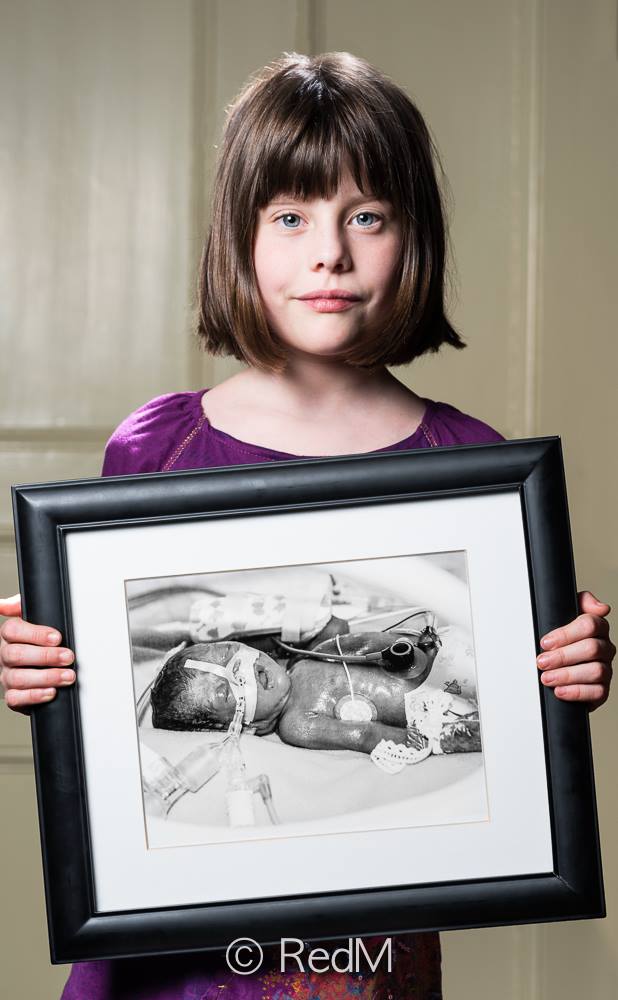
A Quebecois photographer, Red Methot has been taking photos of prematurely born children, each one is holding a photo of themselves as a preterm baby.

He has now made a youtube video of his project.

And here is his photo of my little flower.

Violette Red


Posted in Neonatal Research | 3 Comments

Endotracheal intubation is hazardous

Which is no surprise, I hope, to any of us.

Neil Finer has been a leader in the field of recognizing and quantifying the adverse physiologic effects of endotracheal intubation, and of finding ways to reduce those effects using premedication.

It was largely as a result of his work that professional societies now recommend using medications prior to intubation; medications that reduce pain, help to stabilize the babies physiology and facilitate the intubation.

We have recently, in our NICU, restricted the performance of endotracheal intubation in our most fragile patients to only those professionals who have already demonstrated their competence with larger, more stable babies. Infants under 29 weeks gestation are now only intubated by physicians, NNPs, or respiratory therapists who have shown that they can intubate larger infants. Babies with diaphragmatic hernia are also only intubated by a restricted list of people. I think that the sickest babies are not the place where a first-timer (or a second-timer) should be learning what is a difficult skill. Although junior residents who may in the future become the physician covering a delivery service in a peripheral hospital, and may well become the NRP team leader, do need to learn how to perform this skill well, our first priority has to be the babies, and making sure the most at-risk, tiniest, babies have the most skillful person performing procedures. It would be better, I think, to also have restrictions for the sickest larger babies with very stiff lungs who often desaturate severely and very quickly during intubation, but we have to find ways to ensure that residents leaving the training program have enough exposure to become competent.

We have submitted an abstract with our data to the next PAS meeting, and I will reveal our results at a later date, except to say that more experienced intubators are much more likely to intubate on the first attempt.

Does this matter? Well a new observational study from Hatch and co-workers in Vanderbilt studied 273 intubations in 162 patients. Adverse events occurred in 107 (39%) intubations with nonsevere and severe events in 96 (35%) and 24 (8.8%) intubations, respectively.

Nonsevere events included : Esophageal intubation with immediate recognition, Mainstem bronchial intubation (confirmed by chest radiograph), Oral/airway bleeding, Difficult bag-mask ventilation, Emesis, Chest wall rigidity

Severe complications included: Hypotension receiving treatment, An urgent or elective intubation becoming an emergency, Chest compressions, Code medications (presumably this means needing an epinephrine bolus), or Pneumothorax.

Adverse events were much more frequent for emergency, rather than elective or urgent intubations, and the odds of having an adverse event were doubled if there was more than one attempt at intubation. Infants who needed 3 or 4 attempts had about a 75% chance of an adverse event. Novice intubators had 22% success on the first try while for experienced intubators that was up to 57%.

Hypoxia and bradycardia were not counted as adverse events, as the authors wanted to be able to compare their data to studies looking at intubation for older children. But those two “secondary” outcomes were very common. 44% of the babies desaturated to below 60% saturation, and 24% had a bradycardia to less than 60 per minute.

We continue, in our NICU, to allow less experienced intubators to be the first to attempt intubation on larger babies as we think that the consequences, in the  long term, for the larger baby are probably less important, but are there long term consequences of all these adverse events in very immature babies?

A study from Stanford by Wallenstein and colleagues suggests that there are serious consequences. They compared the outcomes of babies under 1000g who needed intubation in the delivery room between those who were successfully intubated on their first attempt to those who required more than 1 attempt.

There were 88 babies over a 6 year period who were in their cohort.  40% were intubated on the first attempt and 60% required multiple attempts. Babies who were not intubated the first time were more likely to need chest compressions after the first attempt, were more likely to develop a grade 3 or 4 IVH, were more likely to develop NEC, a pneumothorax or PVL. Differences which remained after adjusting for other risk factors, and each of which individually was not “statistically significant”.

Death or neurodevelopmental impairment occurred in 29% of infants intubated on the first attempt, compared with 53% of infants that required multiple attempts, adjusted odds ratio 0.4 (95% confidence interval 0.1 to 1.0), P<0.05. Which was due to a more than doubling in the odds of dying (from 11 to 25%), and nearly a doubling in the odds of “neurodevelopmental impairment”.

What should we do about this?

Firstly, I think that our approach, of restricting intubation attempts by inexperienced personnel to only the more stable babies, is the way to go. More experienced personnel have a much higher rate of success on the first attempt, and fewer attempts means much fewer complications.

Secondly, we should all have strict protocols for premedication for elective intubations. The evidence of benefit, and the reduction of adverse events during premedicated intubations is very clear. One criticism of the data from Vanderbilt is that almost none of the intubations were preceded by muscle relaxation, and those that were pre-medicated used an opiate and a benzodiazepine. This despite the good evidence that muscle relaxation facilitates and shortens intubation, improves intubation conditions, and improves success on the first attempt; and the complete lack of evidence for a benefit of benzodiazepines.

Thirdly we need to find ways of training junior staff in this skill that do not include exposing critically ill babies to inexperienced intubators with a low success rate, including much more extensive use of simulation, simulations which are much more realistic, video-laryngoscopy, improved video-laryngoscopes, and so on.

Fourthly, we need to continue to investigate ways to make intubation less traumatic, less painful, less frequently unsuccessful, and faster.

Finally whenever we are about to intubate a baby, we should ask ourselves if we are in the best place to do it (can we wait till we get the baby to the NICU, place an IV and pre-medicate?) with the best personnel (do we have rules that there is always an experienced person present for every birth of an extremely preterm infant?) the best environment, the best equipment, and the best monitoring.

Posted in Neonatal Research | Tagged , , | 1 Comment

Another amazing publication (insert jokey emoticon here)

This one’s just me, and is a bit of a “how do I do it” article. I recount how I try and keep up with the emerging literature, and then some simple rules for determining if a new publication is worth the effort of trying to analyze the results. I hope people find it useful.

Barrington KJ. How to find and how to read articles in neonatology. Seminars in fetal & neonatal medicine. 2015.

The whole issue of the journal is dedicated to clinical research in perinatal medicine, from small single center trials to large multicenter RCTs and on to systematic reviews: their importance, their design, their interpretation. Peter Davis put together an interesting group of authors, I think, and has produced what I hope trainees, and others interested in neonatal clinical research, will find a good resource for several years to come.

BTW, one of the articles is by the amazing Annie Janvier, and our friend and parent collaborator and advocate Barbara Farlow.  Janvier A, Farlow B. The ethics of neonatal research: An ethicist’s and a parents’ perspective. Seminars in fetal & neonatal medicine. 2015. My only criticism of that piece is that the apostrophe is in the wrong place. I should be “a parent’s perspective”. Please fix that, Seminars!


Posted in Neonatal Research | Leave a comment

Late Surfactant may not be effective, probably.

A large multi-center trial (n=511) led by Roberta Ballard has just been published. (Ballard RA, et al. Randomized Trial of Late Surfactant Treatment in Ventilated Preterm Infants Receiving Inhaled Nitric Oxide. J Pediatr 2015.)

In this trial infants had similar enrollment characteristics to the NOCLD trial; babies were between 500 and 125o grams birthweight and less than 32 weeks gestation. They had to be receiving assisted ventilation. There were the following differences to the previous study I alluded to: in NOCLD infants were 7 to 21 days, in this trial 7 to 14 days; in NOCLD the smallest infants could be enrolled if they were on CPAP; not in this trial, everyone had to be intubated and ventilated.

The idea was, that infants with persistent respiratory distress after a week of age have evidence of surfactant dysfunction, so perhaps if we gave them more functional surfactant they would be able to overcome this, and then have reduced lung function abnormalities, would be able to breathe more efficiently and would end up with less lung injury. There are a couple of pilot studies showing short term improvements in pulmonary function and gas exchange in very preterm infants who were still getting respiratory support at a week of age, and who received surfactant. So the investigators thought that a big RCT to examine clinically relevant outcomes was warranted.

Which I think is fine. This was a reasonable question to ask, and a reasonable, clinically important, outcome to investigate (especially with a local treatment very unlikely to have systemic adverse effects). Given the previous data on inhaled NO in a very similar group of babies (in whom a secondary analysis suggested that the earlier part of the postnatal age group, i,e, 7 to 14 days, was more effective) you can’t fault the investigators for using iNO in all the babies. Even if the, as yet still unpublished, NewNO trial did not show a benefit.

All the babies were getting inhaled NO, according to the NOCLD protocol. The surfactant was randomly given to half of the babies.

But I can’t tell you how much surfactant was given, or with what frequency. A major problem with this report of the study is that I can’t figure out exactly what was the intervention. Which is a big problem. The investigators went to great (and probably unnecessary) lengths to mask the procedure, with a separate team, not otherwise involved in clinical care, who gave the surfactant (or didn’t) into the ETT behind screens. But they don’t actually say what dose was given.

Babies in the study got a dose of surfactant (or a sham procedure), as I said, the study report doesn’t even say how much they got (it was “standard clinical doses”) or how often they got it (it was every 24 to 72 hours if they remained intubated, starting at 48 hours after the first dose with a maximum of 5 doses; but 24 to 72 is a huge range…), they don’t say what were the criteria for retreatment, or for not retreating and extubating etc. There are several guidelines presented for steroids, for re-intubation etc, but not for surfactant/sham administration.

Table 3 of the results does show that about 80% in each group got 5 doses (of either surfactant or standing behind a curtain).

There was no benefit shown. Nothing, not even a whisper of a hint of a benefit. Which is disappointing, but at least seems at first look rather definitive. Or at least it would be definitive if we knew what the intervention group had received.

Even though surfactant dysfunction is a real problem in these babies, giving them additional Infasurf, according to this uncertain schedule, isn’t sufficiently effective to improve their outcomes.

This does, I think, help to improve care, (as there is no longer any stimulus to give surfactant to babies at this age) but it would have been much more useful, after what is probably several million dollars of investment, to know exactly what was done.

All we know is that, giving some dose of surfactant (Infasurf) and giving, mostly, 5 of those doses,  didn’t reduce BPD or death with a certain degree of confidence (see below).

To return to a comment I made above, why did I say that the sham procedure was unnecessary? Masking the intervention has become an essential feature of neonatal (and much clinical) research in order to get good funding; however, there is actually little empirical evidence that blinding/masking the intervention makes much difference to the size or direction of the effect of an intervention, particularly if objective outcomes are being studied. Diagnosis of BPD, if the ‘physiologic” definition is being used, is relatively objective, and is unlikely to be influenced by knowledge of an intervention performed several weeks earlier.

I think, if it is relatively easy, and relatively inexpensive, to mask an intervention (such as an orally administered drug, for example) then go for it, there is often no good reason to not do so. But having an on-call surfactant or sham administration team, who will go through the ritual of masking used in this study, will have enormously increased the cost. They could have studied twice as many babies (I guess) for the same cost, and have a much better estimate of the size of the effect, or of the confidence with which we can eliminate a benefit or risk. Many of the original surfactant trials for treatment of HMD were masked, in a similar fashion, but not all. There is no clear difference in the estimates of efficacy between those that were masked and those that were not.

Which brings me neatly to the final comment, the study was stopped by the DSMB, because “based on a determination that the study treatment is very unlikely to demonstrate efficacy” they didn’t think they should continue. They actually made this determination when they had the outcome data of 301 infants. There is a lot of debate about stopping trials early for futility, one paper in Critical Care (freely available on-line) is actually a real debate. But I am a bit mystified in this case, when the decision to stop the trial was taken they had actually randomized 511, of the planned 524 babies. One of the justifications for early stopping for futility is that it saves wasting money. That clearly isn’t an issue in this case. But even with all the data from 511 babies available there is still major uncertainty about whether this intervention is actually futile; the 95% CI for death or BPD include a 25% increase or decrease in that outcome. Which is huge, and clinically important. A 25% reduction (or increase) in death or BPD is something I would be interested in.

When the DSMB recommended stopping the trial they only had data from 300 babies, which means the confidence for saying there is no benefit (or harm) was extremely lacking in, er, confidence. Depending on how you calculate it, (assuming that the groups both had a 40% incidence of death or BPD at that point) when they stopped the trial showed that the likely real difference in that outcome was between about a 35% increase or decrease in risk of death or BPD. The sample size for the study was based on a hypothesized 13% change in the incidence of “death or BPD”, so why would the trial be stopped early when the confidence intervals included the hypothesized difference?

Posted in Neonatal Research | Tagged , , , , | Leave a comment

When should we treat hyperbilirubinemia in preterm infants?

I missed this when it was first published, but it came up on one of my regular searches at the weekend. Hulzebos CV, et al. The bilirubin albumin ratio in the management of hyperbilirubinemia in preterm infants to improve neurodevelopmental outcome: a randomized controlled trial–BARTrial. PLoS One. 2014;9(6):e99466. The multi-centered Dutch group of authors randomized 615 preterms of less than 32 weeks gestation. Babies had their bilirubin treated according to some arbitrary nomograms for total serum bilirubin. They had to be arbitrary of course, because there are few good data to inform an evidence-based nomogram. The thresholds for treatment seem reasonable, and are all available on the free access web page where the article is published. The group randomized to have the bilirubin-albumin ratio taken into account were in addition treated if their B/A ratio exceeded a line on another nomogram, also somewhat arbitrary. The 2 nomograms were different for different strata of birthweight, and differed over the first couple of days of life.

The idea being that if you start treatment earlier for those babies with a low albumin, and a bilirubin/albumin ratio which is over the threshold, then they might have less bilirubin induced brain injury (often evident as motor disturbance later in life, they thought).

What this meant in the end was that the group with the B/A ratio included had an average of only 6 more hours of phototherapy (which was not statistically significant) and 2 exchange transfusions vs none in the TSB alone group. There were fewer deaths in the B/A group, 5.2% vs 8,1%, p=0.2, i.e. a difference which could easily be due to chance. The primary outcome was the composite motor score at 18 to 24 months corrected age.

There was no difference between the groups in the primary outcome. Or any indices of development at 2 years of age.

The only intervention which occurred as a result of this change in screening policy was a minor increase in the duration of phototherapy; I don’t think you can postulate that this was the cause of a minor reduction in mortality. The study was not designed, or powered, to show a difference in mortality. I think even doing the subgroup analysis that they present is really questionable, a subgroup analysis of an unexpected non-significant difference in a secondary outcome is something you should think twice about, and then think another three times, before presenting. It could easily mislead people into thinking that there was a real difference to worry about.

So either the B/A ratio is not of any value for directing therapy and improving motor outcomes in preterm infants, or the thresholds they created were not right. I guess its possible that a much stricter threshold for intervention would have shown some differences in outcome, which if it just led to more phototherapy might be a benign intervention. But on the other hand phototherapy is not entirely benign, it interferes with mother infant interactions, and affects developmentally sensitive care. Exchange transfusions are certainly not benign.

I think it is hard to believe that there will be another investigation of this issue, certainly not of this high quality. The difference in interventions would have to be greater that this to be able to show an effect. Perhaps another trial of prophylactic early phototherapy is warranted, as the large NICHD trial did show a reduction in “neurodevelopmental impairment”.

For now I think the thresholds for treatment suggested by Jeff Maisels and his pals are about as good as we can get.

Posted in Neonatal Research | 3 Comments

A new book, with great chapters!

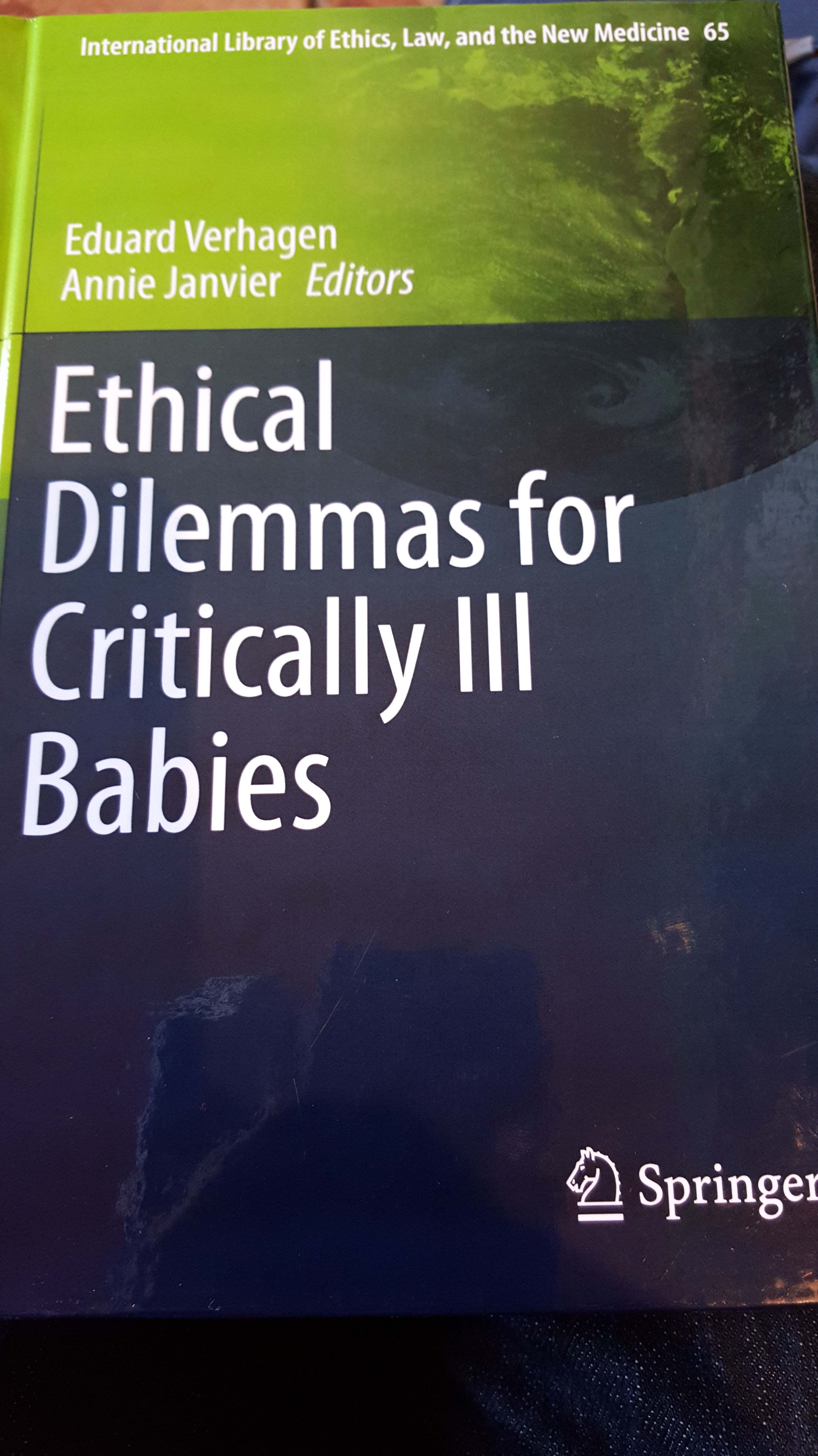
A new book about neonatal clinical ethics has just been released. Eduard Verhagen and Annie Janvier are the editors.

Here is the blurb:

Ethical Dilemmas for Critically Ill Babies

Editors: Verhagen, Eduard, Janvier, Annie.

Series: International Library of Ethics, Law, and the New Medicine, Vol. 65

20151027_145544

Addresses important ethical questions about human life and medical interventions

Only volume which covers the important issues related to ethical, legal and medical aspects of neonatology intensive care

Contains contributions from the leading experts in the field of neonatology, bioethics and health law. Most neonates who now survive intensive care would have died 50 years ago, and “nature” would have decided the outcomes, making ethical discussions about initiating or withholding resuscitation irrelevant. Medical developments in neonatology have changed the way we respond to diseases of neonates, to their illness, and to their parents. Not only as physicians, but also as a society. Decisions on when to start, withhold, or withdraw life-saving interventions in critically ill neonates are among the most difficult decisions in pediatric practice. These decisions are fraught with ethical dilemmas, for example deciding whether withholding intensive care –leading to death- is superior to uncertain survival with a risk of disability and the additional burden of intensive care. This book covers important ethical questions that arise in neonatal intensive care units. Questions such as, whether to intervene medically and whether we are good at predicting the outcome of fragile neonates; whether a medical intervention should be withheld or withdrawn, and who should be primarily responsible for these decisions and how?

____________________________________________________

The book is derived from presentations that were given at a conference near Geneva that was sponsored by the Brocher Foundation.   There are 2 chapters written by yours truly:

Predicting Outcomes in the Very Preterm Infant.

Keith J Barrington (page 51).

A perceptive and disturbing evaluation of why we do so many imperfect tests in the NICU to try and predict the future life of newborn babies.

(that’s not the publisher’s blurb, I wrote that)

and

Neonates are Devalued Compared to Older Patients

Annie Janvier, Carlo Bellieni, and Keith Barrington (page 25).

A perceptive and disturbing evaluation of the way newborn infants are treated differently, and negatively compared to older children.

(Guess who wrote that).

You can buy it here, as an ebook it’s a steal at $99.

Posted in Neonatal Research | Leave a comment