Does erythropoietin improve preterm babies development?

Ohls RK, et al. Preschool Assessment of Preterm Infants Treated With Darbepoetin and Erythropoietin. Pediatrics. 2016;137(3):1-9.

Robin Ohls has been working on Erythropoietin, and its longer acting analogue darbepoietin, for many years now. As well as demonstrating that it stimulates the bone marrow in preterm babies, it now is clear that erythropoietin in some models is neuro-protective. In 2014 she reported the developmental follow up of a randomized trial in infants of 500 to 1250 g birthweight, about 100 infants were randomized to either placebo, erythropoietin or darbepoietin and then followed to discharge and again at 18 months of age with a Bayley assessment of development. During the initial hospitalization the infants in the 2 intervention groups received half as many blood transfusions, and there were no significant complications (in particular no effect on retinopathy). At follow up the 2 “poietin” groups had better scores on the Bayley 3 cognitive composite and on the language composite. It must be said, though, that there are only 24 placebo babies in the follow up, and they had relatively poor scores on the Bayleys, 83 mean for language and 88 for cognitive. Although the differences were significant, these are lower scores than you would normally expect from an unselected group of babies under 1250 g, so it may be that by chance the outcomes of the followed-up babies in the placebo group were worse, the “poietin” groups results were in contrast 91 and 97 on those two scales.

The new data published in the last few weeks are from continued follow-up of the babies to 3.5 to 4 years of age. Unfortunately there has been a lot of drop off, so only 14 placebo and 39 “poietin” babies were examined with IQ tests, and tests of executive function. The previously shown differences persisted, but again it has to be noted that the 14 placebo babies had extremely adverse results, with a full-scale IQ mean of 79, and a performance IQ of 79 whereas the active treatment groups, taken together had means of 93 and 91.

If you were to compare this, for example, to the 5 year follow up of the babies in the caffeine trial, the mean IQ of the control group of babies, who were also of birth weight between 500 and 1250 g, was 97 for the full-scale IQ and 99 for the performance score. The CAP babies may have been lower risk (to be eligible, they had to be considered for caffeine treatment at less than 10 days of age, whereas Ohls’ study took any baby expected to survive for at least 48 hours) but those differences are enormous. The babies in Robin Ohls study were not all that sick either, judging from a mortality of 7% in the group after enrollment (it was just over 5% for the infants in the CAP trial). So the very poor scores in the controls can’t be easily understood.

Although these data for erythro- or darbe- poietin are hopeful, I think we definitely need to get more data from a much larger trial with high rates of long term follow up before we can be sure that this difference is really an effect of the medications. As darbepoietin seems effective, and there is no evidence of  a differential benefit of one bone-marrow stimulator over another, then darbepoietin, which can be given once a week instead of 3 injections a week would probably be the most appropriate to study in a trial.

Posted in Neonatal Research | Tagged , , , | 1 Comment

Early low dose systemic hydrocortisone to prevent death or chronic lung disease? Hold on a bit.

An important high quality trial has just been published, it has taken me a bit longer than usual to process the new info. Among other reasons a nice review was posted on the “other neonatal blog“, but I wanted to try and put this in context of the other similar published trials. The new trial is Baud O, et al. Effect of early low-dose hydrocortisone on survival without bronchopulmonary dysplasia in extremely preterm infants (PREMILOC): a double-blind, placebo-controlled, multicentre, randomised trial. The Lancet. 2016.

523 babies of less than 28 weeks, and at least 24 weeks, were enrolled and randomized (23 week gestation infants are not generally actively treated in France, so they weren’t included) in the first 24 hours of life. Infants who were severely growth restricted or asphyxiated were not included. They didn’t have to be on a ventilator or even requiring oxygen, so it was a true trial of prophylaxis. Babies received 1 mg/kg/d of hydrocortisone (divided in 2 doses) for 7 days followed by 0.5 mg/kg/d for 3 days, or placebo. The primary outcome was survival without bronchopulmonary dysplasia at 36 weeks. The study had a sequential analysis design, so sample size is not specified strictly in advance, an interim analysis was done every time an additional 100 patients reached the primary outcome. The maximum sample size that they were aiming for was 786 infants, but the study was stopped prior to that, not because they crossed the analysis lines showing efficacy or futility, but because they were running out of money and resources, so in March 2013 they decided they would have to stop in January 2014.

They found an improvement in the primary outcome, that was just “statistically significant”, that is, the estimated probability that such a difference would occur due to chance alone is 0.04, or 1 in 25. Neither of the 2 components of the primary outcome were individually statistically significant, but both were improved in the hydrocortisone group compared to control.

This study has something in common with  several other prior trials. I have summarized the previous trials that randomized all very preterm infants, or all very preterm infants on ventilators to low dose hydrocortisone starting before 48 hours. As you can see they all used relatively similar doses of hydrocortisone, and all except the latest study required babies to be intubated. Some of the babies were a bit larger than Baud’s subjects.

Publication Patient characteristics Dose per kg per day used.
Watterberg 1999 N=40, MV, 500-999g, <48h 1 mg x 9d, 0.5 x 3d
Biswas 2003 N=253, MV, <30 wk, <9h 1 mg x 5d, 0.5 x 2d (plus T3)
Watterberg 2004 N=360, MV, 500-999g, 12-48h 1 mg x 12d, 0.5 x 2d
Peltoniemi 2005 N=51, MV, 500-1250g, <36h 2 mg x 2d, 1.5 x 2d, 0.75 x 6d
Bonsante 2007 N=50, MV, <1250g (24-30wk), <48h 1 mg x 9d, 0.5 x 3d
Baud 2016 N=523, 24-<28 wk, <24h 1mg x 7d, 0.5 x 3d

The Biswas study also treated the experimental group with tri-iodothyronine, but T3 is not effective in improving survival or BPD so it could be left in a review for now.

I haven’t found any other trial data so far, if anyone knows of any, please let me know.

I did my usual thing and put the data in Revman to see what the Forest plots now look like.

The first is the meta-analysis of the effects on Death, which doesn’t look very impressive

Forest plot death

The next is the impact of hydrocortisone prophylaxis on BPD, which is similarly not “statistically significant”

Forest plot BPD

Finally the combined outcome of “death or BPD”, which is an outcome that should perhaps be junked, suggests a possible 11% reduction, but with an upper 95% confidence interval that is very close to 1.0

Forest plot death or BPD

These trials were all of reasonably good quality, with some heterogeneity in the 3rd of these analyses, if you do some sensitivity analyses, taking out the Biswas trial because it also used T3, the results are almost identical.

I think at this point we have to say the benefits of early low-dose universal hydrocortisone prophylaxis are “Not Proven”, either among all very preterm babies or among those who are ventilated. If there is a real effect it is probably not huge, but there is a potential for as much as a 32% reduction in mortality if you look at the confidence intervals for death. Unfortunately you will all guess what comes next, we need another bigger trial. Before designing such a trial however, the long term follow up of these trials should be collated, there have been some indications of adverse effects of adverse long term effects from the small Peltoniemi trial, but the data from the follow-up of Watterberg’s 2004 trial were reassuring. Long term outcomes of the new PREMILOC trial will be essential before either instituting this therapy, or performing another larger trial.

Posted in Neonatal Research | Tagged , , , , | 2 Comments

Lacuna trial now in print

Now available on-line the pilot trial of lactoferrin prophylaxis that I performed at Sainte Justine. (Barrington KJ, Assaad M-A, Janvier A. The Lacuna Trial: a double-blind randomized controlled pilot trial of lactoferrin supplementation in the very preterm infant. J Perinatol. 2016, on-line).

We randomized 79 very immature babies to have a dose of bovine lactoferrin each day in one of their feeds, compared to no lactoferrin. The pilot was performed to ensure that all of our procedures would work well in a future larger RCT. We used the same dose regime as Paolo Manzoni and his group, that is, 100 mg per day regardless of body weight, this is a bit unusual in neonatology, but in his trial it worked, with a huge decrease in late-onset sepsis, and we didn’t want to try a new dose in such a small pilot. The idea was to ensure we could adequately mask the administration, and at the same time to look at feeding tolerance, as there are potential differences in preparation methods between Dr Manzoni’s lactoferrin and the version we used (donated by AOR Inc, who had nothing else to do with trial design or analysis).

Lactoferrin has a pink colouration which makes it difficult to mask if you just mix it with water, for example, you have to find a placebo with a similar colour which is known to be innocuous in preterm babies. What we did was to mix the lactoferrin with one of the day’s feeds, which was done in a milk kitchen ( le “labo de lait”) which is next to the NICU, and staffed by technicians who prepare the milk, adding fortifier and so on, and put the correct quantity in a syringe for the baby, without other involvement in the care of the baby. We did some preliminary testing and found that even when the milk volume was small, there was enough variation in the colour of breast milk (over 90% of our babies were getting maternal breast milk) that the NICU staff could not tell which milk contained lactoferrin and which did not. At the end of the trial we asked parents which group they thought the baby was in (it was double-blind so the parents weren’t told which group their baby was in) and most of the parents, in both groups, thought their baby was getting lactoferrin, and they all basically thought that the baby tolerated their feeds well.

The study was designed with the primary outcome being time to full feeds, which wasn’t different between groups. Our other important clinical outcomes, including late-onset sepsis, were no different between groups, but the study was vastly underpowered for those outcomes. Which points out an issue that Willam Tarnow-Mordi has addressed recently: sometimes pilot trials are performed to get an idea of the effect size of an intervention, to help in calculating sample size for a future trial. Don’t do this. Our pilot had 7 lactoferrin babies and 8 control babies who had at least one episode of late-onset sepsis, this is about a 15% reduction in the rate sepsis, but the confidence intervals of that difference are huge, from a 75% reduction to a 250% increase, and those confidence intervals overlap withe the data from the Manzoni trial.

Two large multi-center RCTs are underway at present, hopefully we will get better a good answer to the question of the efficacy and safety of lactoferrin soon.

Posted in Neonatal Research | Tagged , , | Leave a comment

Videolaryngoscopy to teach intubation

Two recent randomized trials, one from our group, and another one from Melbourne have evaluate the role of the videolaryngoscope (VL) in teaching trainees in neonatology to perform endotracheal intubations. The two trials are structured differently and tell us different things about the use of the VL in teaching.

The first, from the Melbourne group, (O’Shea JE, et al. Videolaryngoscopy to Teach Neonatal Intubation: A Randomized Trial. Pediatrics. 2015;136(5):912-9) used the VL for all intubations, but covered the screen in a randomly selected half of the intubations. Just over 200 intubations were randomized, and there were 36 residents with less than 6 months NICU experience who performed them. During the intubation the residents were supervised, therefore during the study many of the residents were accumulating some experience, however there were 42 intubations performed by residents with no previous successful intubations, (so residents who failed an intubation were counted in that group each time they attempted until they got one) most of the residents therefore had very little experience in intubation. Residents had simulation training before attempting intubation of a real baby, and intubations in the delivery room or in the NICU were eligible.

Intubations were supervised using a fairly standardized script by a group of more senior people who could guide the intubation, and identify the structures for the residents during the procedure when the screen was uncovered, or just give tips about technique when it was covered. Each intubation was individually randomized, so a resident could potentially have several covered (or uncovered) intubations in a row.

The primary outcome was success during the first attempt at intubation. (I’m not sure what happened for subsequent attempts when the first failed, if the resident might try again or if someone else then took over.)

Intubations with the screen visible were much more likely to be successful on the first attempt than those with the screen covered (66% vs 41%), this was particularly so for premedicated intubations in the NICU, (72% vs 44%). In the delivery room the subgroup analysis was no longer statistically significant, but remained better for the uncovered group, 50% vs 30%. The duration of the intubations was the same and the number of babies desaturating was similar. Interestingly the first attempt at intubation averaged over 50 seconds duration, but was no different between groups. As the residents gained experience in intubating there was no improvement in success rate for the intubations with covered screen, but the uncovered, screen visible intubations became more and more likely to be successful at the first attempt.

In the other study, from our expert in pedagogical research, Ahmed Moussa and a group of colleagues at our institution (Moussa A, et al. Videolaryngoscope for Teaching Neonatal Endotracheal Intubation: A Randomized Controlled Trial. Pediatrics. 2016;137(3):1-8.) it was the residents who were randomized, not the intubations. So a resident with little prior experience of intubation was randomized, after the initial simulation training in the simulation center, to intubate either with the videolaryngoscope (this group had some extra training in the use of the VL, but no extra training in how to intubate) or a standard laryngoscope. Most of the residents had not previously intubated a neonate, although some of them did have a few prior attempts, and only intubations in the NICU were included. All of the resident were supervised by an attending or a fellow, many of the intubations were nasotracheal, about 70% (especially for the larger babies, that remains our standard in the NICU, if the tube cannot be passed easily through the nose then orotracheal intubation is performed) and 100% of the intubations were premedicated with atropine, fentanyl and succinylcholine.

The study was performed before we introduced our tiny baby intubation team, which I have mentioned here previously, so some of the babies being intubated were very immature, the median gestation was 29 weeks. The overall success of the intubation attempt was significantly higher with the VL than with a conventional laryngoscope, 75% compared to 63%, and the majority of the intubations were successful on the first attempt. Residents were allowed up to 3 attempts, if the baby is tolerating the procedure well, and the intubation was considered a success if the resident was able to insert the tube in those 3 attempts.  By the 7th intubation the residents randomized to the VL were successful over 90% of the time.

What Ahmed had thought when designing the study is that most of our residents, after graduation, will be covering delivery rooms, and neonatal nurseries in level 2 centers, where they won’t necessarily have access to a VL, so he wanted to ensure that if you learnt how to intubate with the VL, you could still intubate with a conventional device; The second phase of the study was that all residents intubated with a standard laryngoscope, the success rate of the VL residents dropped a little, but was not statistically different from the conventional group who continued to do their intubations with the standard device. He didn’t get as many intubations in phase 2 as he wanted, because the residents graduated from the program, which was very ungrateful of them. Therefore the power of the 2nd phase of the study was not as good as he had wanted.

Of note the intubations were initially a bit longer with the VL, frequently the supervisor was able to redirect the resident to the cords and get the tube in, but that took up a few extra seconds. The median duration of the attempt (from insertion to removal of the blade from the mouth) ended up about 50 to 60 seconds after the first few trials.

The VL used in the 2 studies was not the same. In our hospital the Storz device was used, in Melbourne they chose the Laryflex. In the study from Montreal there were a few of the VL babies where the blade was felt to be too big, which wasn’t mentioned by the Melbourne group. The minor differences in blade design might be important for the tiniest babies.

It certainly looks like this is a great way to teach people how to intubate, I think it should become the standard for teaching, based on these data. If we can train residents to intubate with simulations, followed by more stable babies at lower risk of complications using the VL, then when they have proven they are competent they can proceed to intubation of more high-risk infants. It is a skill that many of them will need when they are out in practice, for those who need to be competent for future babies, ensuring that they are capable of intubating by the time they leave residency is an on-going struggle.

Posted in Neonatal Research | Tagged , , | Leave a comment

Steroids directly in the lungs? Version 2

A couple of weeks ago I discussed a new multicenter RCT which examined the effects of multiple repeated doses of steroids, given by inhalation starting on the first day of life, and continuing, at least until the infants reached 14 days of age. That study showed an improvement in the primary outcome of survival without BPD with the inhaled steroids.

A newly published trial Yeh TF, et al. Intratracheal Administration of Budesonide/Surfactant to Prevent Bronchopulmonary Dysplasia. Am J Respir Crit Care Med. 2016;193(1):86-95. examines a similar question, but with a somewhat different intervention, and eligibility. The subjects of the trial were very low birth weight infants who were intubated and requiring more than 50% oxygen within the first 4 hours of life. Infants then received either surfactant alone (4 mL/kg of Survanta) or 4 mL/kg of surfactant and 1 ml/kg of budesonide suspension, mixed in a syringe with a label placed to hide the volume. Thy had 858 VLBW infants intubated in the NICU at less than 4 hours of age, of whom 287 had severe enough lung disease to qualify.

Babies received repeat dosing, every 8 hours, if they needed more than 30% oxygen, up to 6(!) doses. The budesonide dose was 0.25 mg/kg/dose. They note that 65% of the budesonide infants only received one dose, compared to 37% of the controls, presumably because of an acute clinical response; indeed the FiO2 over the first few hours after intervention was lower in the budesonide treated babies.

The primary outcome of survival without BPD was improved in the intervention group (death or BPD was 42% with budesonide and 66% in controls). Both components of the primary outcome were improved with budesonide, (death 13%vs 16%, BPD 29% vs 50%).

The paper also includes some summary long-term outcome data from 172 of the survivors. I have no idea why this important data is stuck on as, what seems like an afterthought, when it is not yet complete, (as they note in the discussion). I presume some incompetent peer-reviewer asked them to throw whatever data they have into this publication, when it really needs a separate appropriately presented publication. There aren’t enough details about the methodology or the results to say a lot. For example the authors state the follow up was done at 2 to 3 years of age, but they don’t say whether they corrected for prematurity (presumably they did, but it would be nice to have the details). The scores on the Bayley version2 Mental development and Motor scales were very similar, with a similar proportion under 70.

They also did a lot of other surveillance for safety, such as presenting blood sugars, and electrolytes, blood pressure and growth data, all of which were unaffected by the intervention.

The online supplement also has some pretty pictures of rats under a PET scan getting budesonide mixed with surfactant, showing it getting rapidly distributed, and staying in the lungs.

I find this very interesting, and worthy of a confirmation trial. Other things I would like to know are : can you safely give prophylactic indomethacin when you have had intra-tracheal budesonide? Are the results still positive if you give surfactant sooner, at 30% oxygen (which is when most of us would give surfactant, rather than waiting to get to 50%)? Are there other respiratory practices which might affect the efficacy of budesonide? Does it work as well if you limit to 2, or 3 doses? Is there any improvement in long-term respiratory health?

It is interesting that the long-term differences are minimal between groups, so, although there is less “BPD”, there is no major long term benefit to the babies. There are very few details as I said, but the authors note no health advantage to early budesonide use, in terms of respiratory or overall health.

I think, before starting to do this more widely, we need at least one more large multi-center RCT, powered for the long term follow-up. Outcomes should include respiratory health, to prove a real benefit, rather than just the reduction in a diagnostic label, and neurological and developmental outcomes, to ensure safety.


Posted in Neonatal Research | Tagged , , , | 1 Comment

Still more doubts about BOOSTing saturations?

I won’t make a point-by-point response to Reese’s comments, mostly because I agree with most of them!

Oxygen is toxic. Minimizing oxygen toxicity is a vitally important issue.

Alarm fatigue is a major problem. In our NICU we performed an audit, in the intensive rooms an alarm every 2 minutes was the average. Many alarms are annoying but don’t require immediate intervention. The single greatest source of alarms is the pulse oximeter. If you make the limits narrower the alarms will be even more frequent, and more likely to be ignored. Alarms which are ignored are worse than useless. We need smart alarms: as one not very smart example, a pulse oximeter high saturation alarm that switches off when the infant is in 21% oxygen, and automatically re-activates when the oxygen is re-started would be great idea, which I hereby copyright.

Reese makes the point that the difference in actual achieved saturations between groups was less than expected, which may be due to many different factors, including the masking algorithm.

He also notes that the difference in mortality between centers, that we see all the time, is probably greater than the difference in mortality between the saturation target groups, and that the New Zealand trial showed a minor difference in the opposite direction.

My response to this is 2-fold, if you look at the effect of an intervention between different sub-groups it would be remarkable if every subgroup had exactly the same benefit. So even if some centers, or countries, show effects which are of different size, or even occasionally in the other direction, that doesn’t invalidate the overall treatment effect. It is one of the reasons that you should be wary of subgroup analyses, even when they are pre-specified. You are bound to find differences between subgroups, hence the value of performing a statistical test of the interaction, and, even when that is statistically significant, recognizing that it is potentially subject to bias. The NZ group did indeed show a minor difference in the opposite direction, (14.7 vs 15.9%) but the confidence intervals for that are so wide they include the possibility of a major effect on mortality in either direction (RR for mortality = 1.10 (0.68-1.78)).

The even larger differences in mortality between NICUs, even after correcting for baseline risk, is a major issue for neonatology, quality control/benchmarking programs can address some of those issues, and Pediatrix have been extremely active in this field. I think there are opportunities to make improvements, using such data, that are greater than the effect on mortality of changing saturation limits. (I also think that such programs should be evaluated objectively, preferably using randomized trial designs).

One of the questions that we might ask, using a secondary analysis of the saturation trial data is, did centers with a higher overall mortality show a different effect than centers with a lower mortality? If such an effect was systematic and actually changed the direction of the effect, that would be really interesting. If the difference in mortality between the low and high saturation groups was randomly distributed, that would also be interesting and would confirm that the difference is likely due to the intervention.

I must say though, that, as yet, I still can’t see another explanation for the results of the oxygen trials than a true effect of lower saturations leading to increased mortality. The lower saturation targets lead to more hypoxia (by design), more intermittent hypoxia (Di Fiore JM, et al. Low Oxygen Saturation Target Range is Associated with Increased Incidence of Intermittent Hypoxemia. The Journal of pediatrics. 2012), followed by re-oxygenation and oxidative stress, more intestinal circulatory fluctuations (this last bit is speculative, but might well be true). These disturbances may happen hundreds of times more often in babies in whom the saturations are kept lower.

If the difference between groups was less than expected, but there was still an increase in mortality with lower saturations, then I find that even more worrying!

I don’t know how we are going to resolve all these issues, there are some areas in neonatology where there is wide agreement (surfactant for all intubated preterm babies needing oxygen, nitric oxide for full term babies with hypoxic respiratory failure and an OI over 25, therapeutic hypothermia for babies with stage 2 HIE), others where there is still much disagreement (when do you intubate that baby who might benefit from surfactant?) I think we owe it to the babies that we care for to find the best possible answer to these, and other questions. When reasonable people disagree (as I said in a recent editorial) we can clearly see there is uncertainty, the best way to settle uncertainty is perform a trial, but will we ever be able to perform another definitive trial of oxygen saturation targets? Maybe when automated FiO2 controllers are widely available, the algorithms are settled and adequately reliable, maybe then; but what ranges would we choose to examine?

Posted in Neonatal Research | Tagged , , , , | 1 Comment

All oscillators are equal, but some oscillators are more equal than others

My readers are a highly educated bunch and I am sure that the anglophones among you will recognize that title as a bastardized quotation from “Animal Farm”. Not my favorite of George Orwell, a bit too obvious as an analogy for my taste, but influential none the less.

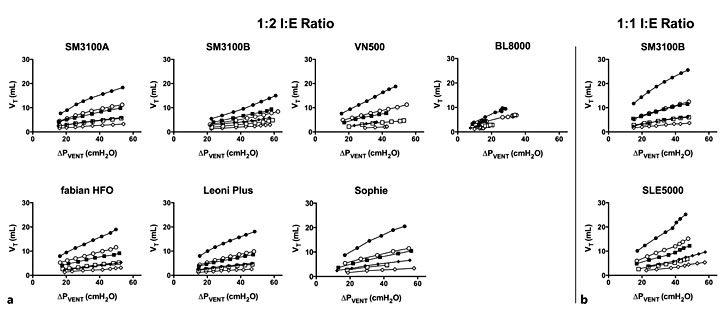
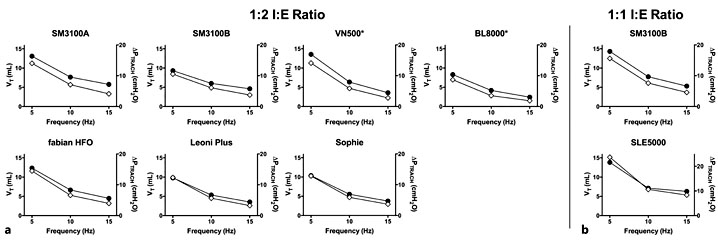
This article should also be influential: Tingay DG, et al. Are All Oscillators Created Equal? In vitro Performance Characteristics of Eight High-Frequency Oscillatory Ventilators. Neonatology. 2015;108(3):220-8. What David and the group have done, in a circuit with a  lung model, is to look at how well various oscillators perform, they compared set amplitudes to  actual delivered amplitudes, in the ventilator circuit, and in the test lung, and then how that translated into tidal volumes. They also looked at how volumes were affected by changes in frequency, and how the volumes and amplitudes were affected by ETT size (2.5 or 3.5 mm).

These data need, I think to be compared and integrated with 2 other publications from the same group:

  1. Harcourt ER, et al. Pressure and flow waveform characteristics of eight high-frequency oscillators. Pediatric critical care medicine. 2014;15(5):e234-40.
  2.  John J, et al. Drager VN500’s oscillatory performance has a frequency-dependent threshold. J Paediatr Child Health. 2014;50(1):27-31.

The best way to understand the data is just to look at some of the figures.

NEO431216.indd

This first one (figure 2 from the article) shows the actual amplitude obtained compared to the amplitude which you have chosen to deliver; this one was done at a mean airway pressure of 10 cmH2O, and the pressures were measured proximally in the ventilator circuit . The sensormedic (SM3100A in the figure) does what it says on the box. Others  have certain limitations that need to be understood, for example, the VN500 of Draeger doesn’t achieve the higher set amplitudes when used with a 3.5 mm endotracheal tube (the black symbols) but is capable of doing so with a 2.5 mm tube (the open symbols).  This particular relationship isn’t affected much by the frequency (5 (circles), 10 (squares) and 15(diamonds) Hz). For the old Draeger Babylog (BL8000) the graph is a bit misleading as they have plotted the achieved amplitude against the %Max, which we always knew was not the same as amplitude in cmH2O. It certainly was not very good at achieving high amplitudes.

NEO431216.indd

This graph shows that if you lot the amplitude actually achieved in the ventilator circuit against the tidal volume, it is about the same for all ventilator, ETT, and frequency combinations. So the regression line with the black circles looks about the same for all ventilators, as does the white diamonds, and so on. There are some minor differences, but I don’t think they are too important, clinically.

NEO431216.indd

In this part of the study they put the ventilators at maximum amplitude and then changed the frequency. As you can see for each ventilator the tidal volumes fell as frequency increased, and there are some differences in the slopes; of note the VN500 couldn’t exceed 45 cmH2O at 15 Hz, and the Babylog 80o0 couldn’t achieve 45 at any frequency.

NEO431216.indd

This one shows that what you measure in the circuit is hugely damped by the time you reach the trachea, the pressure amplitude in the trachea is much lower than the amplitude measured in the circuit for all experimental conditions.

I think these kinds of data are really important for use to understand how our equipment works. they also suggest some ways that we could consider limiting the use of certain ventilator settings.

On the other hand, the conditions tested were for some of the tests quite extreme. I very rarely use amplitudes which are so high, I would like to know a bit more about how the ventilators work at the mid-range of set amplitudes (even though I understand why the extremes would be chosen for this evaluation).jpc12398-fig-0003

This is a graph from one of the other articles I referred to; John et al. It shows the relationship between the frequency and the amplitude achieved at the airway opening in the same lung model and circuit, again the authors set the ventilator to an extremely high amplitude (90 cmH2O), and compared the effects of increasing the frequency between the Sensormedics (diamonds) and the Draeger VN500 (circles). In the right-hand panel they look at the achieved tidal volume between the Sensormedics (triangles) and the VN500 (squares).

As you can see there is a marked drop in the achieved amplitude with increasing frequency on the VN500, which is not seen with the Sensormedics.

The tidal volume in the lung model drops rapidly with an increase in frequency, with both oscillators, but this drop is relatively greater with the VN500. The closed symbols are for a 1:1 I:E ratio, the open symbols are for 1:2.

There is  a huge amount of information in these articles (and the on-line supplements), I encourage anyone who uses one of these oscillators to read and digest them. You will probably learn something that will help your practice.

Posted in Neonatal Research | Leave a comment

More Doubts about BOOSTing saturations?

As I just mentioned I received another thoughtful comment from Reese Clark, which I reproduce in its entirety below:

“After re-reading my post and at the risk of being a bit redundant with what Dr Barrington has already carefully presented – I offer a bit more thoughtful comment

  1. Oxygen is a toxic drug and it should be used and monitored with great caution.1-6
  2. Results of clinical trials are always important and they offer important information. The interpretation of the results can be wrong.
  3. Narrowing oxygen targets/limits increases the frequency of alarms and we begin to ignore alarms (especially the high alarms), and that is a mistake.
  4. We manage the high end; the baby more often determines the low end. We can make a baby have a 100% oxygen saturation. Providing oxygen treatment to an infant who is not breathing will not make their oxygen saturation better.
  5. Our “therapeutic response” to pulse oximeter alarms is likely to be more important than the limits/targets themselves.
  6. We may have studied the wrong thing in the wrong way. Schmidt et al7 showed “Caregivers maintained saturations at lower displayed values in the higher than in the lower target group. This differential management reduced the separation between the median true saturations in the 2 groups by approximately 3.5%”. Thus “the design of the oximeter masking algorithm may have contributed to the smaller-than-expected separation between true saturations …” If the differences in the two study groups is small, how can we attribute any outcome to one group or the other.
  7. The mortality finding is small and confounded by site of care and revision of the pulse oximeter algorithm. To reproduce the results in another prospective study would be hard. Site variation in mortality is greater than the mortality findings in any of the pulse oximeter studies.8, 9
  8. We need to see outcomes by site in order to understand the overall results. What if one or two sites drove the overall findings? For sure we can say New Zealand reports different results from the UK.
  9. A total of 2448 infants were enrolled in the three trials (973 in the United Kingdom, 1135 in Australia, and 340 in New Zealand). In combined data, there was no significant difference in rate of death in the lower-target group, as compared with the higher-target group (19.2% vs. 16.6%; relative risk, 1.16, 95% CI, 0.98 to 1.37; P = 0.09). Note that the mortality in the NZ cohort was lower and in the opposite direction of the combined data.10
  10. We now have 2 year follow-up data. Data from New Zealand11 follow up at 2 years shows death or major disability at 2 years’ is lower in the low oxygen group compared to the high oxygen group (Death or major disability 65/167 (38.9) in the lower target group; 76/168 (45.2) in the higher target group).  The relative risk of a bad outcome was higher in the high oxygen group RR=1.15 (0.90-1.47); p=0.26. Death occurred in 25 (14.7%) and 27 (15.9%) of those randomized to the lower and higher target, respectively, and blindness in 0% and 0.7%. These data do not support the concept that high oxygen saturations promote better outcomes or that low oxygen targets promote worse outcomes.
  11. But now, the data from the UK and Australia are reported and show use of an oxygen-saturation target range of 85 to 89% versus 91 to 95% resulted in nonsignificantly higher rates of death or disability at 2 years in each trial, but significantly increased risks of this combined outcome and of death alone in post hoc combined analyses.12 In post hoc combined, unadjusted analyses that included all oximeters, death or disability occurred in 492 of 1022 infants (48.1%) in the lower-target group versus 437 of 1013 infants (43.1%) in the higher-target group (relative risk, 1.11; 95% CI, 1.01 to 1.23; P=0.02). Death occurred in 222 of 1045 infants (21.2%) in the lower-target group versus 185 of 1045 infants (17.7%) in the higher-target group (relative risk, 1.20; 95% CI, 1.01 to 1.43; P=0.04).” Note the mortality rates are higher here than reported in the NZ data.
  12. Again, where a premature infant is born is as important as any specific therapy that you receive.13-15
  13. Carlo et al16 astutely pointed out that during the SUPPORT trial “The infants in both treatment groups had lower rates of death before discharge (16.2% in the higher-oxygen-saturation group and 19.9% in the lower-oxygen-saturation group), than did those who were not enrolled (24.1%) and historical controls (23.1%), and rates of blindness (even though severe ROP decreased) did not differ between the treatment groups.” Therefore, being in the study and in the lower-oxygen-saturation group was associated with improved outcomes (4.2 percent less mortality in patients in the lower-oxygen-saturation group to non-enrolled patients. There was only a 3.7% between group difference in SUPPORT study patients)
  14. STOP ROP – Use of supplemental oxygen at pulse oximetry saturations of 96% to 99% did not cause additional progression of pre-threshold ROP, but also did not significantly reduce the number of infants requiring peripheral ablative surgery. A subgroup analysis suggested a benefit of supplemental oxygen among infants who have pre-threshold ROP without plus disease, however, this finding requires additional study.  Supplemental oxygen increased the risk of adverse pulmonary events, including pneumonia and/or exacerbations of chronic lung disease and the need for oxygen, diuretics, and hospitalization at 3 months of corrected age.17
  15. If you are not confused; worry.

Reference List

  1. Gandhi B, Rich W, Finer N. Achieving Targeted Pulse Oximetry Values in Preterm Infants in the Delivery Room. J Pediatr 2013;(13):10.
  2. Dawson JA, Vento M, Finer NN et al. Managing oxygen therapy during delivery room stabilization of preterm infants. J Pediatr 2012;160(1):158-161.
  3. Vaucher YE, Peralta-Carcelen M, Finer NN et al. Neurodevelopmental outcomes in the early CPAP and pulse oximetry trial. N Engl J Med 2012;367(26):2495-2504.
  4. Dawson JA, Vento M, Finer NN et al. Managing Oxygen Therapy during Delivery Room Stabilization of Preterm Infants. J Pediatr 2011.
  5. Vento M, Saugstad OD. Oxygen supplementation in the delivery room: updated information. J Pediatr 2011;158(2 Suppl):e5-e7.
  6. Vento M. Tailoring oxygen needs of extremely low birth weight infants in the delivery room. Neonatology 2011;99(4):342-348.
  7. Schmidt B, Roberts RS, Whyte RK et al. Impact of study oximeter masking algorithm on titration of oxygen therapy in the canadian oxygen trial. J Pediatr 2014;165(4):666-671.
  8. Smith PB, Ambalavanan N, Li L et al. Approach to Infants Born at 22 to 24 Weeks Gestation: Relationship to Outcomes of More-Mature Infants. Pediatrics 2012.
  9. Alleman BW, Bell EF, Li L et al. Individual and center-level factors affecting mortality among extremely low birth weight infants. Pediatrics 2013;132(1):e175-e184.
  10. The BOOST II United Kingdom AaNZCG. Oxygen Saturation and Outcomes in Preterm Infants. New England Journal of Medicine 2013.
  11. Darlow BA, Marschner SL, Donoghoe M et al. Randomized Controlled Trial of Oxygen Saturation Targets in Very Preterm Infants: Two Year Outcomes. The Journal of pediatrics . 2-21-2014.
  12. Manley BJ, Kuschel CA, Elder JE, Doyle LW, Davis PG. Higher Rates of Retinopathy of Prematurity after Increasing Oxygen Saturation Targets for Very Preterm Infants: Experience in a Single Center. J Pediatr 2016;168:242-244.
  13. Rysavy MA, Li L, Bell EF et al. Between-hospital variation in treatment and outcomes in extremely preterm infants. N Engl J Med 2015;372(19):1801-1811.
  14. Alleman BW, Bell EF, Li L et al. Individual and center-level factors affecting mortality among extremely low birth weight infants. Pediatrics 2013;132(1):e175-e184.
  15. Smith PB, Ambalavanan N, Li L et al. Approach to infants born at 22 to 24 weeks’ gestation: relationship to outcomes of more-mature infants. Pediatrics 2012;129(6):e1508-e1516.
  16. Carlo WA, Bell EF, Walsh MC. Oxygen-saturation targets in extremely preterm infants. N Engl J Med 2013;368(20):1949-1950.
  17. The STOP-ROP Multicenter Study Group. Supplemental Therapeutic Oxygen for Prethreshold Retinopathy Of Prematurity (STOP-ROP), a randomized, controlled trial. I: primary outcomes. Pediatrics 2000;105(2):295-310.”

Thanks very much for this Reese. I think you make some important points, I’ll be posting another response very soon!


Posted in Neonatal Research | Tagged , , , , | Leave a comment

Doubts about BOOSTING saturations?

I received a very thoughtful comment from Reese Clark, who many of you will know as a leader in neonatology whose many years of experience and important scientific contributions to neonatology make him someone worth listening to.

He has doubts about the reliability of the BOOSTII results, and therefore about the oxygen saturation target ranges that should be used. He notes 2 things, that mortality was getting better during the period that lower saturations were being introduced, and he refers to the meta-analysis by Manja et al. (Manja V, et al. Oxygen saturation target range for extremely preterm infants: A systematic review and meta-analysis. JAMA Pediatrics. 2015;169(4):332-40.)

I will refer to the systematic review first, because I didn’t comment on it when it was first published:

The systematic review by Manja, in fact, showed that death before hospital discharge was significantly increased by targeting low oxygen saturations, and that necrotizing enterocolitis was also increased. They downgraded the quality of evidence using, they stated, the GRADE criteria. But some of their reasons given for downgrading the evidence are bizarre, and not consistent with those guidelines at all.

For each of the outcomes they give these two reasons for downgrading them:

c. The pulse oximeter algorithm was modified midway through the study owing to a calibration correction, and this caused a deviation from SpO2 values.

d. The separation of SpO2 values obtained was not as planned in the study design/protocol. The median SpO2 value in the restricted arm (planned SpO2 of 85%-89%) was higher than 90% in some studies (Figure 1).

c. I don’t see how the change in the calibration would lead to downgrading the evidence, the trials were carried out as designed, and, when the calibration error was discovered, this was noted so that the analyses could take this into account if need be. It also is not entirely true. There was no oximeter calibration change in SUPPORT or in BOOSTII-NZ.

d. This is just not true. The separation of SpO2 values actually obtained was not part of the study protocol. The protocol was to compare the saturation target ranges, not the saturations actually achieved. This is like saying a trial of an anti-hypertension drug is lower quality because the blood pressure was not lowered as much as expected. IF you still see a significant difference in outcomes, despite the intervention being less successful than planned, isn’t that a major red flag?

Two other reasons for downgrading the evidence for the outcome “death before hospital discharge” are given as:

e. This was not a prespecified outcome in the Benefits of Oxygen Saturation Targeting II trial, which was prematurely stopped because of this outcome.

f. Only 4 of the 5 eligible trials reported on the outcome of death before hospital discharge (the Canadian Oxygen Trial group did not).

e. This is evidence of good research practice. If children are dying more in one arm of a trial than another, by a highly statistically significant (more than 3 standard deviations) degree, then to wait another 2 years, allowing continued enrollment, would be a criminally unethical thing to do. I addition there are very few deaths between discharge and two years, so the difference is likely to remain.

f. Why should this lead to downgrading the evidence? It is the quality of the included trials for each outcome that is important, not whether all trials reported the outcome.

At the time the Manja paper was published there were data regarding mortality at 24 months from 3 of the trials (SUPPORT, COT and BOOST-NZ). Mortality was increased by 16%, or in absolute terms, by 27 per 1000 infants, with the lower saturation target. This was not statistically significant (but not far off, 95% confidence intervals from 0.98-1.37), this evidence was downgraded to “moderate” quality for reasons c and d above. The new results from the BOOST-II studies show a relative increase in mortality of 20%, and an absolute risk difference of 35 per 1000 infants (all oximeters combined). Which is remarkably close to the pooled results from the previous studies.

To return to the first issue in the new comment, i.e. the fact that survival was improving during the period that lower saturations were being sporadically and inconsistently introduced. I think this is really questionable as evidence of the impact of lower saturation targets. It may be that survival was improving despite the lowering of saturation targets; in fact I think that a lot of the improved survival was due to changes in obstetrical attitudes and interventions, extremely preterm babies are often delivered in much better condition these days than they used to be. The only way to answer reliably the question of the impact of saturation targeting practices is to perform the kind of large RCTs that we have performed.

I don’t see any other way of interpreting these data than to admit that lower saturation targets lead to higher mortality from a variety of causes, as well as an increase in necrotizing enterocolitis. We might not like it (I don’t like it) but I can’t see any other valid explanation of this weight of evidence from high quality trials enrolling 5000 infants.

Reese Clark has now sent me some more interesting comments which I will put in the next post, and then discuss, probably in a third post.


Posted in Neonatal Research | Tagged , , , | 3 Comments

Do Clinical Guidelines make a difference?

The question in the title is hard to answer, without a randomized controlled trial of some kind where the guidelines are followed in one group, and not in another. The whole point of most guidelines, though, is to put the best available evidence into a clinical pathway to be followed, so an RCT would have to randomize half the patients to not follow best practice, which would be ethically questionable.

Another way of evaluating their impact is to perform other types of studies, less scientifically convincing, but often the best that can feasibly be done.

In 2007, while I was chair of the Fetus and Newborn Committee, we produced a guideline on screening and management of hyperbilirubinemia.  As most readers will know, jaundice in newborns is very frequent, almost always short-lived and benign, and frequently treated with phototherapy. Severe hyperbilirubinemia leading to neurological damage is very rare, but potentially avoidable. In 2006 Micheal Sgro and colleagues published data from the Canadian Paediatric Surveillance System (babies born in 2002-2004) that 1 infant per 2480 births developed severe jaundice (peak bili more than 425  micromol/L or an exchange transfusion); they also showed that 12% if them had acute neurological findings. From a different project investigating cases born in 2007 and 2008 they estimated that 1 in 44,000 births the baby had developed chronic bilirubin encephalopathy.

They have now repeated the earlier CPSP study: Sgro M, et al. Severe Neonatal Hyperbilirubinemia Decreased after the 2007 Canadian Guidelines. The Journal of pediatrics. 2016.  In the new report there were 91 cases of severe hyperbilirubinemia country-wide, for a calculated incidence of 1 in 8600. One third of the previous incidence. This good news may, I would like to think, be at least partly due to the guidelines. Our guidelines recommended universal measurement of bilirubin, within the first 72 hours of life; they were based on the best available evidence, showing that visual inspection is unreliable, that many babies with severe hyperbilirubinemia had been discharged without having a measurement of bilirubin, and that a single measurement could predict with some accuracy which babies would become severely jaundiced.

The actual highest bilirubin in the 2 studies was almost identical at about 480, which hopefully means that the proportion of babies who develop chronic neurological problems will also decline by two thirds.

This has been achieved at, probably, very low cost. I say “probably” because the impacts on the use of phototherapy and duration of hospitalization are not consistent among studies examining the effects of introducing similar guidelines. Some have shown a small decrease in resource utilization, others a small, or not so small, increase in phototherapy and hospital stay. The guidelines were designed to limit phototherapy to those that really “needed” it (recognizing that very few would ever develop long-term harm), but then to do it properly and intensively. One of the studies showing an increase in phototherapy after guideline introduction in the USA noted that only half of the babies who received phototherapy actually should have had it, if the guidelines were really being followed.

Did the guideline make a difference? I like to think so, and I like to think that the difference was mostly a positive one. At least we seem to have moved in the right direction.

Posted in Neonatal Research | Leave a comment