Oxygen is essential for life……

Aiming for slightly higher oxygen saturation targets (low 90s) decreases mortality in the very preterm neonate (compared to the high 80s), and decreases surgical necrotizing enterocolitis, while increasing retinopathy, and the need for retinopathy treatment, in the long term there is no impact on disability, visual impairment or hospital readmissions during the first year among survivors.

That one sentence summary of the current state of play is based on many years of important international collaboration, summarized in the publication of NeoPROM. This was a prospective meta-analysis which analyzed individual patient data from very nearly 5000 randomized babies (Askie LM, et al. Association Between Oxygen Saturation Targeting and Death or Disability in Extremely Preterm Infants in the Neonatal Oxygenation Prospective Meta-analysis Collaboration. JAMA. 2018;319(21):2190-201)

There has been some controversy regarding these results, as some trials showed smaller effects on mortality than others, but there is in fact very little heterogeneity in the results. Some of the difference in results can be traced to the calibration algorithm debacle. An intensive analysis of the impacts of that problem has just been published, which includes an explanation of the issue with the pulse oximeters, supplied by Masimo.

Stenson BJ, et al. Pulse Oximeter Saturation Targeting and Oximeter Changes in the Benefits of Oxygen Saturation Targeting (BOOST)-II Australia and BOOST-II UK Oxygen Trials. The Journal of pediatrics. 2019;204:301-4 e2.

The authors explain:

Masimo reported that this [the calibration problem] reflected their decision to adjust the calibration of their oximeters so that at values >87% the displayed SpO2 were increased by 1%-2%. As well as fewer values than expected between 87% and 90%, this manufacturer-generated artifact returned more SpO2 values than expected >90%, thus affecting both target groups in the NeOProM trials. By elevating SpO2 readings of 88% and 89% to greater displayed values, the artifact would be expected to make the low target group range of 85%-89% narrower and harder to target. By elevating SpO2 values in the range 90%-95% by 1%-2% above the true value the artifact would mean that actual achieved SpO2 values in the high target range with the original oximeters were lower than intended, narrowing the difference in SpO2 between groups.

I have never fully understood why Masimo did this, I have heard that it was to prevent alarms due to minor desaturations, and make the oximeters more attractive to anaesthetists, but that doesn’t make a lot of sense to me. In any case this messed up the trials a little bit, when the problem was identified, Masimo adjusted the calibration of the oximeters, and oximeters with new software were used for the latter part of BOOST Australia, BOOST UK, and COT.

Ben Stenson and colleagues have now re-analyzed data from babies in the Australia and UK BOOST trials and showed that the revised algorithm led to babies being in their target group for a longer period of time, especially those in the low target group. Babies in the low target group were actually in their target range for 40% longer (relatively) when the revised algorithm was in use than with the initial calibration. The absolute difference in time of the low saturation babies in the lower target range was smaller, about 5.5%, this includes periods of time when the infant was not receiving oxygen, which is reasonable for this analysis, because a baby with exactly the same true saturation would get oxygen in the high sat group, but not in the low sat target group. If the authors had removed data from babies in room air with saturations above the high target, i.e. those whose lungs were improved and no longer needed O2 whichever group they were in, then the differences in targeting would likely be substantially greater.

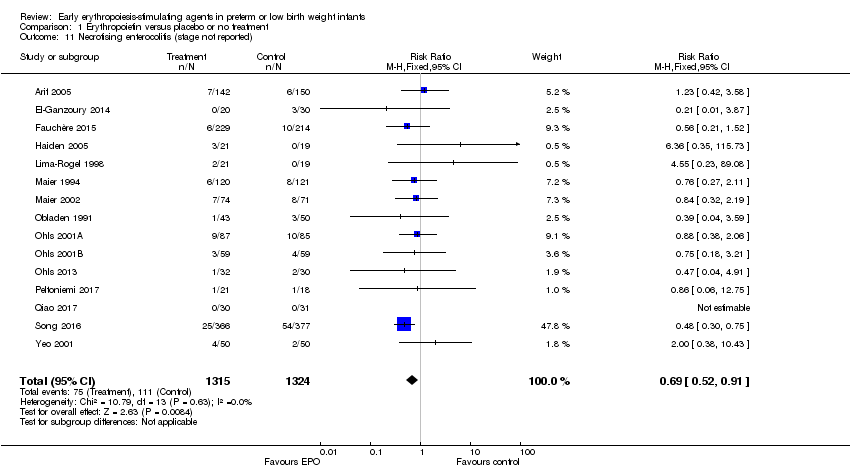
The Cochrane review of all of the oxygen saturation targeting trial data showed that the overall trial results for mortality were not heterogeneous (I-squared = 0) and that overall there was a 16% relative increase in mortality with low saturation targeting (20% vs 17%).

Comparison 1 Lower versus higher targeted oxygen saturations (no subgroups), Outcome 3 Death to 18 to 24 months corrected age.

When analyzed by the oximeter calibration, the use of a low saturation target with the new, more accurate, algorithm led to a 38% relative increase in mortality (absolute mortality 22% vs 16% with the higher target).

Comparison 6 Lower versus higher targeted oxygen saturations (secondary outcomes, subgrouped by oximeter calibration software), Outcome 1 Death by 18 to 24 months corrected age.

The publication of the NeOProM collaboration confirms this using the individual patient data, with identical results and practically identical confidence intervals. All Masimo oximeters now have the revised algorithms. The only evidence based saturation targets for very preterm infants are 91 to 95%, which should be the default for preterm infants.

Is it possible that other targets would be even better? I know there are some centres that still use targets that are different to 91 to 95%, and I think it is feasible that another target range might be better than 91 to 95%: perhaps even higher targets would further reduce mortality? Perhaps an intermediate target might reduce RoP without increasing mortality? Such thought are not unreasonable but are unsupported by any evidence. I think it is unlikely that the efforts of the NeOProM collaboration will be reproduced to examine other target ranges in the near future. The only way to do so, I think would be to perform cluster-randomized, or individually-randomized, registry based trials, with very large numbers and low-cost data collection.

The experience of these trials should make us more than ever aware of the risks of observational studies, which, before these prospective RCTs, suggested strongly that survival and outcomes would not be worse with lower saturation targets, but that RoP would be less frequent. Only half of that turned out to be true.

This experience should also make us even more reticent about composite outcomes, the combined outcome of “death or disability” was only slightly affected by the different saturation targets. So-called disability was 41% (lower target) vs 40% (higher target). Being substantially more frequent, this component of the primary outcome was more frequent than death, and caused the whole composite outcome to be not ‘statistically significant’ the relative risk was 1.04 (95% CI 0.98 to 1.09) for the entirety of the results. When subdividing the data according to the computer algorithm there does seem to be an effect of the target range on the composite outcome with the revised algorithm.

Comparison 5 Lower versus higher targeted oxygen saturations (primary outcome, subgrouped by oximeter calibration software), Outcome 1 Death or major disability by 18 to 24 months corrected age (aligned definition).

But again, when we examine the data, there was no impact on ‘disability’ with the revised calibration algorithm, RR 1.05  (95% CI 0.91, 1.22) the impact was solely on mortality. (And don’t get me started on whether a developmental screening test score below an arbitrary cutoff is actually a disability, just search for Bayley on this blog to see my opinion about that!)

There has been some concern about the analysis of the data by unplanned secondary analysis. But an unplanned analysis which is performed because the intervention changed unexpectedly (on this occasion due to the discovery of this anomaly in the calibration) is entirely different to performing  a secondary analysis which is suggested by looking at the data, and seeing an interesting finding that you then analyze. The situation faced by the NeOProM investigators is analogous to a secondary analysis of a drug trial which is required because the formulation of the medication is changed during the trial, substantially increasing bio-availability of the active drug. It would be a failure to NOT perform a secondary analysis of the data according to drug formulation.

A study from Ottawa suggests one reason why higher saturations may lead to lower mortality, they analyzed the development of pulmonary hypertension before and after increasing their saturation targets. (Laliberte C, et al. Target oxygen saturation and development of pulmonary hypertension and increased pulmonary vascular resistance in preterm infants. Pediatr Pulmonol. 2019;54(1):73-81). These observational data seem to show that the development of higher pulmonary vascular resistance, and frank pulmonary hypertension are more frequent with target saturations of 88 to 92% (their previous target) compared to 90 to 95%, the current target.

Of course there is a limit, hyperoxia can also cause pulmonary hypertension, as I will discuss in the next post.

Posted in Neonatal Research | 3 Comments

What now for Lactoferrin?

After a long break over Christmas, New Year and several periods of clinical service, I have a few posts that I am developing, hopefully you will all find them useful.

Lactoferrin is a molecule present in mammalian milk which acts as an iron transporter, hence the name. It binds to species specific receptors on enterocytes and permits iron absorption, then being recycled into the intestinal lumen to promote more iron absorption. For some reason mammals evolved to produce a molecule that also has multiple antimicrobial activities, anti-bacterial, -viral -fungal.

Lactoferrin is the principle component of whey in human milk, and a very similar protein in bovine milk is present in much lower concentrations, but has more active antimicrobial properties. As very preterm babies often have very little breast milk intake in the first few days of life they often receive very little lactoferrin.

A very well-performed multicenter trial in Italy, published a few years ago now, showed a dramatic reduction in late-onset sepsis among infants randomized to either bovine lactoferrin (100 mg per day regardless of weight), or bovine lactoferrin plus a strain of lactobacillus rhamnosus (a probiotic organism), compared to placebo. (Manzoni P, et al. Bovine lactoferrin supplementation for prevention of late-onset sepsis in very low-birth-weight neonates: a randomized trial. JAMA. 2009;302(13):1421-8). Among just over 150 babies per group (n=470 total), lactoferrin reduced the proportion of babies with at least one episode of culture-positive late-onset sepsis from about 17% to about 5% in the 2 lactoferrin groups. In that study the average birthweight of the infants was about 1100g,  their average (mean) gestational age was about 29.5 weeks and there were 168 babies under 1 kg. When scrutinizing the results closely, there were a few more fungal sepsis episodes than some other groups have reported, of the 45 total babies with sepsis, 11 had a fungal infection, 9 of them among controls; and there were fewer CoNS (coagulase negative staphylocci) than some other studies, only 4 of the 45 episodes were CoNS. This was partly because of requiring 2 positive cultures for a CoNS diagnosis, if you add those with only 1 positive culture another 9 patients were positive with CoNS infection, and I don’t know what the total number of infected babies would then become, but the proportion of bacterial sepsis that is CoNS then becomes similar to other reports.

Why am I concentrating on this older study, you may ask? It is because the ELFIN trial has just been published (in the Lancet Griffiths J, et al. Enteral lactoferrin supplementation for very preterm infants: a randomised placebo-controlled trial. The Lancet. 2019;393(10170):423-33) open access and a complete document in “Health Technology Assessment”  (Griffiths J, et al. Enteral lactoferrin to prevent infection for very preterm infants: the ELFIN RCT. Health technology assessment. 2018;22(74):1-60), which is a freely available download.

ELFIN recruited 2200 babies less than 32 weeks gestation at less than 72 hours of age, to receive lactoferrin (150 mg/kg/day; max of 300 mg/day) or placebo, mixed with a milk feed. The primary outcome was at least one late-onset infection, suspected or proven. Proven sepsis required a positive culture as well as clinical signs requiring a blood culture and an intention to treat for 5 days at least, suspected infection was defined as follows:

Absence of positive microbiological culture, or culture of a mixed microbial flora or of probable skin contaminants (ie, diphtheroids, micrococci, propionibacteria) only, and treatment or clinician intention to treat for 5 days or more with intravenous antibiotics (excluding antimicrobial prophylaxis) after the investigation was undertaken for an infant who presents at least 3 of the following clinical or laboratory features of invasive infection:

•increase in oxygen requirement or ventilatory support

•increase in frequency of episodes of bradycardia or apnoea

•temperature instability

•ileus or enteral feeds intolerance or abdominal distention

•reduced urine output to less than 1 mL/kg per h

•impaired peripheral perfusion (capillary refill time longer than 3 seconds, skin mottling or core-peripheral temperature gap greater than 2°C)

•hypotension (clinician-defined as needing volume or inotrope support)

•irritability, lethargy, or hypotonia (clinician-defined)

•increase in serum C-reactive protein concentrations to more than 15 mg/L or in procalcitonin concentrations to 2 ng/mL or more

•white blood cells count smaller than 4 × 109/L or greater than 20 × 109/L

•platelet count less than 100 × 109/L

•glucose intolerance (blood glucose smaller than 40 mg/dL or greater than 180 mg/dL)

•metabolic acidosis (base excess less than −10 mmol/L or lactate concentration greater than 2 mmol/L)

We can always debate the relevance of culture negative sepsis, but these criteria are as reasonable as any others (or more-so), and the results for solely culture-positive sepsis are presented as well, as they were an important secondary outcome.

There were 650 episodes of sepsis (confirmed and suspected) and 370 of culture positive, confirmed, sepsis. Episodes were evenly divided between groups, in other words there was no evident impact of the intervention on sepsis. The adjusted risk ratio was 0.95 with lactoferrin, and 95% confidence intervals include a 14% reduction or a 4% increase in all sepsis. Confirmed infection was 17% in each group, RR 1.05, 95% CI 0.87-1.26.

About 2/3 of the confirmed cases were CoNS, there were only 5 total invasive fungal infections, and there was no evidence of any adverse effect of the lactoferrin.

How does this study compare to Manzoni et al? Why might the results be so different?

The control group rate of culture-positive late-onset sepsis is actually quite similar in the two trials at close to 17%, despite the Italian study having slightly smaller infants (they were all < 1500 g whereas 18% of the ELFIN babies were > 1500 g), the gestational ages were very similar. Of course this discounts the infants in the Italian study that only had one culture positive for CoNS (in ELFIN a single culture was sufficient for those infants), so if you add babies who would be considered positive in other studies the proportion of babies with at least one septic episode in the Italian study was even higher. I find this sepsis rate somewhat on the high side for both studies, in the Canadian Neonatal Network the proportion of babies with at least one infection under 32 weeks is less than 10%. (The data available are actually under 31 weeks (about 11%) or under 33 weeks (about 8.5%). The 2 groups of infants 29-30 weeks and 31-32 weeks both had a 3% incidence of sepsis in 2017. The distribution of organisms is somewhat different between the studies, but I don’t think that is enough to explain the differences, if lactoferrin was extremely good at preventing fungal sepsis, and had little effect on other bacterial infections, that might partly explain the differences in results, but only partly. And in fact if you look at the details of the organisms in the report of the Manzoni trial there seemed to be a substantial reduction in gram negative and gram positive bacterial infections, as well as fungal.

Perhaps the preparation of the lactoferrin might have had an impact on its efficacy, the molecule is large and somewhat unstable, impacts on its concentration and efficacy have been noted according to how it is prepared. Heat treatment of stored breast milk markedly reduces lactoferrin concentrations for example, (Li Y, et al. Pasteurization Procedures for Donor Human Milk Affect Body Growth, Intestinal Structure, and Resistance against Bacterial Infections in Preterm Pigs. J Nutr. 2017;147(6):1121-30. Schwarcz WD, et al. Conformational changes in bovine lactoferrin induced by slow or fast temperature increases. Biological chemistry. 2008;389(8):1137-42) and the way it is dried affects the composition of the resulting powder (Wang B, et al. Characteristics of bovine lactoferrin powders produced through spray and freeze drying processes. Int J Biol Macromol. 2017;95:985-94).

Perhaps feeding practices have changed enough that the control ELFIN babies were receiving enough fresh colostrum/maternal breast milk in the first few days of life that there were smaller differences in lactoferrin intakes between groups. Manzoni’s babies started feeds on average between 2 and 3 days of age, increased feeds by 10 mL per day and achieved full feeding by the 12th to 14th day of life. There is no mention of donor milk, the alternative to maternal breast milk appears to have been formula, and preterm formulae contain almost no lactoferrin. The data available from the ELFIN trial don’t have much detail, but about 4% of the infants received formula alone, just less than 70% received mixed feeding, and the remainder exclusively breast milk. A subgroup analysis of ELFIN showed a potential effect of lactoferrin among babies receiving mixed feeds.


As you can see the p-value for the interaction, lactoferrin and type of milk, was not significant, so we need to be very careful making any sort of conclusion, but it is at least possible that there is an impact of lactoferrin supplementation among infants receiving less lactoferrin from breast milk.

Another explanation is that there are biases introduced into either one or other of the trials that had the effect of lactoferrin seeming ineffective in ELFIN, and highly effective in the Manzoni trial, I can’t imagine what those biases may be, but the only other explanation of there being such a difference between ELFIN and the Manzoni trial is random variation, and that the Manzoni trial, a prospective masked multi-center randomized trial with reasonable sample size, was the 1:1000 occurrence of a p-value of about 0.001. I find that explanation extremely unsatisfying.

What should we do now? I think the first priority is to finish any other trials that are in progress, obtain as much information as possible about what seemed to be such a promising intervention. I think that can ethically be justified as there is no trace of adverse effects of lactoferrin in any of the trials to date, it is an intervention with some evidence of efficacy, quite inexpensive, and with a physiologic rationale. Even with ELFIN the results of the trials currently available do leave the possibility of a substantial benefit of lactoferrin supplementation, although the 95% confidence intervals probably do not approach the impact shown by Manzoni. Once all the data are in, a collaborative examination of the data to try to identify the reasons behind these discrepancies, and perhaps design future trials of the most promising product, in the most promising groups of babies.

Posted in Neonatal Research | Leave a comment

Growing bigger, or growing better?

Babies with postnatal growth failure in the NICU do worse in the long term. This is a statistical association known for a long time. We also know that increasing nutritional intake, in calories and protein can prevent the relative weight loss, but is the association between poorer nutrition and poorer long-term development causative or not?

We published two years ago our nutritional outcomes showing that post-natal growth restriction is largely avoidable… at least in the large majority of extremely preterm babies, and at least if you measured weight, or head circumference. Lapointe M, et al. Preventing postnatal growth restriction in infants with birthweight less than 1300 g. Acta Paediatr. 2016;105(2):e54-9. There were our growth outcomes in the two cohorts, before and after improving our nutrition protocol :

Cohort 1 (n = 128) Cohort 2 (n = 99) Statistical significance (p)
Average PostMenstrualAge at final measurements (discharge), weeks (SD) 37.4 (4.1) 37.9 (4.8) NS
Weight at discharge, g (SD) 2525 (746) 2888 (763) <0.001
Length at discharge, cm (SD) 44.7 (5.4) 46.3 (3.5) <0.01
Change in body weight z‐score between admission and discharge −1.03 (0.76) −0.39 (0.79) <0.001
Change in head circumference z‐score −0.6 (1.3) −0.1 (1.2) <0.001
Change in length z‐score −1.7 (1.1) −1.5 (1.4) <0.01

With our new protocol, the mean weight z-score decreased much less birth to discharge, and the head circumference z-score decreased almost not at all, but the length z-score still decreased. Very few babies actually fell enough off their curves enough to satisfy definitions of post-natal growth failure, again, if you define by weight. It is clear, despite all that, that the babies are all a bit short and fat when they go home. It may also be that some of the improvement in head circumference is due to subcutaneous fat, so even though I am very happy that head circumference is much better, I don’t know for sure that brain growth is as good as it should be. Making the babies longer as well as heavier is something we would like to be able to do, I think by improving mineral supply, as well as protein intakes, we could probably improve skeletal growth some more.

Which brings us to the thorny question “What should be our goals for nutritional outcomes in the neonatal unit, of very preterm babies?”

There are recent publications with new growth standards, for fetal growth, growth of infants, and growth of late preterm babies, but the data for the very preterm/extreme preterm was quite limited, they are based on “healthy” babies, so of course the numbers of extreme preterms is extremely small.

One of the comments supporting the development of these new standards appears to be that, since we fail to achieve intra-uterine growth, it is not attainable, and we should stop trying, and accept less growth and create new curves. I think that is mistaken,

Until we have other reliable prospective data showing impacts on long-term outcomes of extreme preterm babies, I think the goal of our nutritional interventions should be to aim for the weight, length, head circumference and body composition by 42 weeks PMA that the baby would have had if they had remained in utero with a placenta that functioned well, and then delivered at 39.5 week, and undergone the usual postnatal water and weight loss.

That may be an approach that poses unanswerable questions, but it is the approach taken in a new publication that I only saw after writing that previous paragraph! (Landau-Crangle E, et al. Individualized Postnatal Growth Trajectories for Preterm Infants. JPEN. 2018;42(6):1084-92.) One of the problems with the current best growth charts for preterm babies is that our patients normally cross percentile lines in the downward direction for several days, or even 3 weeks after birth. That is something that we want to happen, as babies who lose less weight have more complications. We can manipulate that weight loss to an extent by starting sodium supplementation too early, for example, but how much free water we give has very little effect.

I have worried for a while about how we could incorporate a curve reflecting postnatal weight loss into a growth chart, and how you would then know which percentile the baby should be on.

This is an extract from the figure legend:

…C) Fetal‐Median‐Growth and Growth‐Velocity Approach. Application of Fenton day‐specific median growth velocities or day‐specific median growth velocities adjusted by a factor from day of life 21 until 42+0/7 weeks (pink). ΔW = difference between target WHOGS weight at 42+0/7 weeks PMA and predicted individual growth trajectory weight…

The authors of this paper have made a number of assumptions, and tested different models to see how they fit. They assumed that by 42 weeks post-menstrual age a preterm baby should be on the WHO growth chart at the percentile that they would have been on had they stayed in utero with a functioning placenta, and then delivered at term and lost their postnatal water, which they term “Contraction of the Extracellular Space” or CES which can be at term, TeCES, or preterm, PreCES. Their preferred model uses day specific corrected median growth velocities from Tanis Fenton’s work, starting after postnatal weight loss, and found that they routinely lined up with the WHO standards at 42 weeks.

They have now set up a website that you can visit https://www.growthcalculator.org that will plot an individualized growth chart if you put in the gestation, sex and birthweight, you can then print it out if you wish. Here is an example showing the curve generated using the criteria shown, and the redlines being the personalized percentiles for that baby.

Our nutritional outcomes that I mentioned above are similar to those of some other groups such as a recent paper from Southampton (Andrews ET, et al. Early postnatal growth failure in preterm infants is not inevitable. Arch dis childh FN. 2018). This article showed very good nutritional outcomes, in terms of all the things that we usually measure, and similar discharge Standard Deviation Scores to our publication, including a similarly worse outcome in terms of length than the outcomes for weight. An editorial accompanying this article (Menon G, et al. Is preterm nutrition a trade-off between head and heart? Archives of disease in childhood Fetal and neonatal edition. 2018) noted some of the limitations with this approach, and they note the lack of large prospective trials that have proven that improvements in short-term growth and particularly weight growth, are beneficial for functional outcomes, or the risk of metabolic disorders in later life.

Using these new weight charts is definitely worth investigating, and I think measures of body composition are important also, even though direct analysis of body composition is tricky, at least an accurate measure of length would be a good idea. Measuring with a tape measure is practically useless; when I was at the Royal Victoria Hospital in Montreal we used a stadiometer, but that requires a fair amount of handling of the baby. Recent studies have used a caliper type of device, and found it quite accurate, and feasible with limited handling. (Pavageau L, et al. Valid serial length measurements in preterm infants permit characterization of growth patterns. J Perinatol. 2018;38(12):1694-701). Of note, the new percentiles that I have been mentioning are not accompanied by length or head growth percentile charts. They also are based an assumption that a baby who starts out at the 1st percentile was destined to end up around the 1st percentile, by 42 weeks; and I am not sure about that, the extremely preterm babies in NICUs are often the result of an intrauterine environment that was poor, and they then are growth restricted. Are babies like that better of if we let them stay on a very low percentile or if we enhance their nutrition and obtain some catch-up growth? Menon and his co-authors in the above-mentioned editorial address briefly some of those questions, and note that the only way to answer them is with prospective trials.

Posted in Neonatal Research | Tagged , , | Leave a comment

Who needs an EEG? part 2

I realize that I didn’t answer the question in the title of the previous post. It could even seem that I think the EEG is not a very useful monitor, as many babies were inappropriately treated even when using an EEG.

In contrast, I think treating a baby with suspected convulsions or at high risk of convulsions without continuous video-EEG monitoring is seriously problematic. At least if an EEG is in place there can be a later review of it and comparing timings and videos to the trace when the baby appeared to be having a seizure can confirm or infirm the clinical diagnosis. Electrographic only seizures are also common, especially after anticonvulsant treatment. Phenobarbital and phenytoin are both often followed by electroclinical dissociation; I tried to look for evidence about levetiracetam, which has a different, poorly understood anticonvulsant mechanism, but I didn’t find any data about electrographic only seizures and levetiracetam treatment in the newborn.

I wish I was as good at getting EEG recording working as the group in Cork, who have just performed EEG in the operating room in 49 healthy term babies after elective cesarean section. (Finn D, et al. EEG for the assessment of neurological function in newborn infants immediately after birth. Arch dis childh FN 2018). They were able to very quickly get usable recordings from all the babies, and describe the normal transitional EEG.

The same group has also shown that phenobarbital probably does do something for seizures in some babies, a loading dose of phenobarbital (only effective at 20 mg/kg) led to a 74% reduction in hourly seizure burden within the first hour after administration (Low E, et al. Short-Term Effects of Phenobarbitone on Electrographic Seizures in Neonates. Neonatology. 2016;110(1):40-6). But then by 4 hours there was no longer an effect evident in terms of electrographic seizures; As many of those seizures are not clinically evident, treating the babies without EEG really means you are flying blind.

Some of the best data about the impact of EEG monitoring comes from 2 trials where the care team was masked to the EEG (in both cases a 2 channel aEEG with 2 channel EEG available for review).

In the study from Terrie Inder’s group (Lawrence R, et al. A pilot study of continuous limited-channel aEEG in term infants with encephalopathy. The Journal of pediatrics. 2009;154(6):835-41 e1) full term babies with encephalopathy were randomized to have a conventional EEG followed by aEEG, in which all was visible to the attending team, including an automated seizure detection algorithm, or a conventional EEG followed by masked aEEG. This was an underpowered pilot study, which enrolled 20 patients per group (I can imagine enrolment being super-difficult for a study like this!) 13 masked and 12 open aEEG babies developed seizures. The seizure burden was much higher in the group with the masked aEEG, over 5000 seconds compared to 2,500 (means) but the difference were not “statistically significant”. Incidentally the seizure detection software was not very sensitive, only picking up 55% of the seizures, but performed better for longer seizures, detecting 87% of seizures over 60 seconds. (specificity wasn’t bad with only an average of one false alarm every 11 hours).

The other study was a multicenter trial from Holland and Belgium that included full term infants with HIE and enrolled them when they were confirmed to have subclinical seizures (van Rooij LG, et al. Effect of treatment of subclinical neonatal seizures detected with aEEG: randomized, controlled trial. Pediatrics. 2010;125(2):e358-66), in the masked group the aEEG that was being recorded was then hidden, and in the visible aEEG group the caregivers were supposed to treat both clinical and electrographic only seizures. They were eventually able to include 33 babies, 19 in the visible and 14 in the masked group. Seizure burden was on average more than twice as high in the masked group (500 minutes versus 190) but this again was not thought to be “statistically significant”. I can’t see if the follow up of the patients from this trial has been published.

Having the aEEG with at least 2 channel EEG available for review and confirmation does seem to substantially reduce the seizure burden. It can also help you to reduce the numbers of babies without seizures who are receiving anticonvulsants.

The guidelines of the American Clinical Neurophysiology Society promote continuous video EEG for all babies with paroxysmal events, babies at high risk of seizures, and babies with encephalopathy.

Conventional video-EEG monitoring is the gold standard for neonatal seizure detection and quantification and should be used whenever available for seizure detection and differential diagnosis of abnormal appearing, paroxysmal clinical events. It is the ideal tool to measure the exact number and duration of seizures, their site(s) of onset and spatial patterns of migration. However, if there are obstacles in obtaining conventional EEG monitoring, then aEEG can be a useful, initial complementary tool. Because of data showing poorer sensitivity and specificity for seizure detection single and dual channel aEEG alone are not recommended for this purpose if conventional EEG is available. If seizures are suspected on aEEG, this committee recommends that conventional EEG monitoring, if available, should begin as soon as possible to confirm and refine the electrodiagnosis.

Many of these babies turn up at 3 am, and like many centers, we do not have on call EEG technicians at night, so initial aEEG is the default, followed by conversion to full EEG the next morning, I think that is a reasonable alternative, as long as the aEEG functions immediately, and someone who has training on how to interpret the trace is around to look at it frequently. As I pleaded before, we need simple foolproof methods for obtaining EEG and detecting seizures reliably.


Posted in Neonatal Research | Tagged , , | Leave a comment

Who needs an EEG?

Clinical neurologic evaluation of our patients in the NICU is limited; a careful detailed neurologic exam can only reveal so much in newborns who can’t cooperate or communicate. Many of our patients need ancillary testing to reveal what is going on in their brains.

Infants who are at risk of seizures are very often undertreated, with few of their actual seizures being diagnosed, or overtreated with many of their clinically diagnosed seizures not actually being seizures at all.

For example a study from Cork from 2008 (Murray DM, et al. Defining the gap between electrographic seizure burden, clinical expression and staff recognition of neonatal seizures. Arch Dis Child Fetal Neonatal Ed. 2008;93(3):F187-91.) enrolled 51 near term infants who were at risk of seizures, and recorded their EEGs. Nine of them had electrographic seizures, and 3 others were clinically thought to have seizures but there was nothing on the EEG.  The 9 babies with seizures had a total of 526 electrographic seizures, with only a third of those EEG seizures having convulsions visible on the video. One of the babies had 56 seizures, 48 of which had movements on the video, but none were detected clinically.

In a total out of over 500 seizures, less than 50 of them were identified and noted in the medical record. On the other hand, three quarters of the seizures recorded in the medical notes were not accompanied by any EEG changes. In that study, although the EEG was not masked, the staff did not usually use the EEG to identify or treat seizures.

A new multicenter study (Rennie JM, et al. Characterisation of neonatal seizures and their treatment using continuous EEG monitoring: a multicentre experience. Archives of disease in childhood Fetal and neonatal edition. 2018) has some features in common with that publication, in both the methods and its results. The 6 centers involved all had equipment to record a complete EEG, and display an aEEG; both clinical evaluation and aEEG interpretation were used to diagnose seizures, some centers would look at the regular EEG to make decisions, but none had an on-call system for immediate expert EEG interpretation; many would have been assisted intermittently by a neurologist/neurophysiologist. This seems to reflect what has become a standard practice in advanced NICUs, including our own.

214 babies with evaluable EEG were enrolled who were more than 36 weeks gestation and at risk of seizures, because of suspected stroke, asphyxia, meningitis or abnormal movements. The EEG was started on the first day of life and continued for at least 24 hours. 75 of the babies had seizures on their EEG.

Some babies were having seizures when the EEG was started, and they tended to be babies where the monitoring started later. A bit more than half of the babies were in the study because of HIE, and about half of the moderate and severe HIE had seizures on EEG, quite a few of them had already received anticonvulsants before starting the EEG, but had seizures nevertheless.

The other two groups who had many seizures were babies with stroke (55% had seizures), and with metabolic or genetic disorders (80% had seizures).

The babies had loads of seizures,with a peak seizure burden among all categories combined a median of 20 minutes per hour  (IQR 11 to 32 min), and not a lot of difference in seizure burden between categories. Severe HIE had more seizures than moderate HIE and they continued for longer, but usually stopped by 96 hours.

27 babies who had no seizures received anticonvulsants (a quarter of them getting more than 1 drug), and 20% of the babies who did have seizures never received an anticonvulsant. Of those with seizures who received an anticonvulsant, almost all got phenobarbital, and 60% then received a second drug, with a quarter receiving 3 or more drugs. The second line drugs were most commonly midazolam and phenytoin (which surprised me a bit, we have stopped using phenytoin, and even in 2013-2105 use was rare).

Time to treatment of confirmed seizures is sometimes very delayed, taking a median of 2 hours (IQR 0.8 to 4.2 h) after the first recorded seizure.

The authors note : (cEEG is continuous EEG)

These findings reflect the real-world application of cEEG and are likely to be similar in other units. Clinicians are faced with having to review many hours of cEEG at a time rapidly, and they tend to use the aEEG as a guide to where to interrogate the cEEG trace. aEEG is a useful tool which can be used to guide
treatment, but aEEG can be poor at detecting short seizures,
low voltage seizures and seizures which do not generalise.In addition, although all centres were experienced in using EEG,
each had their own protocol for reviewing the aEEG. There
are no definitive guidelines about how regularly cEEG or aEEG
should be reviewed in neonates at risk of seizures.

I think they are right, even in 6 European centers with enough interest in the subject to be part of this study, detection and treatment of seizures was very suboptimal. I think in centers that are less committed to EEG monitoring the results would be worse.

Ideally, we need systems that are easy to apply and to rapidly obtain quality EEG signals (even in the centers in this study there were several babies not included because EEG quality was inadequate). We need easily applied universal standards for interpreting EEGs, with real-time automated seizure detection systems that have very high sensitivity, and high specificity. Preferably such systems should need a minimum of expert confirmation of seizures. Recent advances in this field have been published, again from the Cork group in collaboration with UCH London (Mathieson S, et al In-depth performance analysis of an EEG based neonatal seizure detection algorithm. Clin Neurophysiol. 2016;127(5):2246-56) which are showing great promise and are currently tested in a prospective trial (which I think is finished, but not yet published). That publication shows why it is often difficult to detect seizures,

https://ars.els-cdn.com/content/image/1-s2.0-S1388245716000705-gr2.jpg

Typical detected/non-detected seizures. (A) Detected seizure- high amplitude, generalised, evolves from rhythmic delta discharges to sharp and slow wave complexes. (B) Non-detected seizure- low amplitude, no change in morphology or frequency, some dysrhythmia, single EEG channel

And some of the artefacts that can look like seizures.

https://ars.els-cdn.com/content/image/1-s2.0-S1388245716000705-gr4.jpg

When we have a system that works well, we can maybe figure out which anticonvulsants actually work, and which work the best.The data from these recent studies show that phenobarbital is not very effective, about 95% of the babies get phenobarb as the first line therapy, but then 2/3 go on to receive a second treatment. That is consistent with the study from Bob Hall of the use of prophylactic phenobarb in asphyxiated babies, a dose of 40 mg/kg of phenobarb compared to placebo led to only a small decrease in the proportion of babies who went on to have clinically diagnosed seizures: 9/15 treated compared to 14/16 controls. (Hall RT et al. High-dose phenobarbital therapy in term newborn infants with severe perinatal asphyxia: a randomized, prospective study with three-year follow-up. J Pediatr. 1998;132(2):345-8) Remember, however, that their long term outcome was improved with phenobarbital, despite modest anti-seizure effect.

There is currently little hard proof that seizures in the neonatal period lead to worse outcomes, all other things taken into account. I am, however, fairly convinced that it is indeed true that they do, based on animal data and observational studies, and am happy to treat a baby with known seizures. I would love to be able to treat a baby with an effective medication when they have seizures, and not to treat those that don’t.

These new data confirm that I sometimes probably treat babies without seizures, and, on the other hand, don’t intervene when I should, and certainly not as quickly as I should.

Posted in Neonatal Research | Tagged , , | 1 Comment

Mur d’espoir

Il y a maintenant, près de l’entrée principale de notre unité de soins intensifs néonatals à CHU Sainte Justine, un mur avec plusieurs pancartes sur lesquels on peut lire les témoignages de familles et enfants qui ont passée dans la néonatologie.

Parmi les enfants on peut voir ma petite fleur Violette.

Notre équipe PAF en Partenariat Famille a créé ce mur, et le vidéo était conçu et produit par Steve Turmel, un membre de l’équipe, agent administratif et vidéographe talentueux.

Posted in Neonatal Research | Leave a comment

Cochrane Neonatal Reviews #EBNEO

Cochrane Neonatal Reviews are now freely available full text at https://public.vtoxford.org/cochrane-at-von/

Thanks to the Vermont Oxford Network for making this possible.

Posted in Neonatal Research | Leave a comment

Ethical issues in the NICU

Two new articles by John Lantos address ethical issues, one is explicitly about the NICU, the other is relevant to our issues, but uses an older child case as the example. The article in the FPNEJM is 8 pages long plus 2 pages of references, rarely seen in that journal!

Lantos JD. Ethical Problems in Decision Making in the Neonatal ICU. NEJM 2018;379(19):1851-60.

The central argument of this review is that an important and necessary shift is occurring in the focus of neonatal bioethics. The focus used to be on empowering parents by giving them information and on rule making to define the zone of parental discretion. Today, the focus is shifting toward an ethics of relational autonomy. Doctors need to develop new communication skills to help parents clarify their values. Doctors must also be aware of their own values as they design the choice architecture within which parents will be empowered to make choices. This self-awareness and these communication skills will be especially important as pediatrics changes and decisions become even more complex and value-laden.

He presents the following schema, which includes and expands on ideas and empirical research from several sources, including Annie Janvier, Antoine Payot and Nathalie Gauthier from our hospital, Marlyse Haward from Albert Einstein College of Medicine, several parents, including Barbara Farlow and Jason Baardsness, the POST group of neonatology professionals who have also been NICU parents, and of course, from John Lantos himself.

John Lantos also points out some relatively recent research that points out the limitations with the current paradigms of ethical decision making in the NICU, which he tabulates as shown below.

If you can get access to the full text it is worth the half an hour of your time that an initial read will take, and then several hours of thoughtful reflection.

Also very much worth the read is an article with the thought-provoking title “Tell Parents the Truth, but Tell It Slant” Lantos JD. Pediatrics. 2018;142(Suppl 3):S199-S204 (appears to be open access). Which might suggest at first that he is suggesting that we should bend the truth when talking with parents about difficult decisions. However, in reality he is quoting is from a poem of Emily Dickinson, and he is making a case for ambiguity, for gently revealing the truth when things are not going well, for humility.

He notes that discussions about redirecting active intensive care to comfort care often incorporate a formal request to write a DNR order, but that we do not request a “Do Not Dialyze” order or a “Do Not ECMO” order. That our discussions should incorporate more listening, and more attempts to understand the values and preferences of the family,  “to respect those values and honor those preferences, doctors need to listen carefully to understand what parents are saying, what they are not saying, what they mean, and what they need. Sometimes they may be saying that there are things that they prefer not to discuss or decisions that they prefer not to affirm”.

The quote incorporated into the title is from the first line of the poem (tell all the truth but tell it slant), and I think the last 3 lines of the poem say a lot about what John is talking about:

With explanation kind

The Truth must dazzle gradually

Or every man be blind —-


Who can hear that their child is dying and not react against it? Who can say “no thanks” when given an option of cardiac massage for their critically ill infant? We do violence to the families of our patients to offer them extreme measures which will not work. Rather than demanding explicit agreement to limit or withdraw care, we can often gradually, with explanation kind, let the truth gradually become dazzlingly clear.

Posted in Neonatal Research | 1 Comment

The 2018 Apgar award, and the 2018 Bartholome Award

Virginia Apgar Award

The most prestigious award given to an individual who has made major contributions to neonatology, by the AAP, is the Virginia Apgar award. This year the deserving recipient is Saroj Saigal. Saroj has worked for most of her career at McMaster University, in Hamilton Ontario, after a fellowship in Montreal. She has always performed very high quality work, particularly in neonatal follow-up. In the early 1990’s she realised that all the measurements that we do of the outcomes of extremely preterm babies do not capture their lived experiences, or how they feel about the quality of their lives.

Her seminal publication on the issue studying a cohort of extremely low birth weight babies was Saigal S, et al. Comparison of the health-related quality of life of extremely low birth weight children and a reference group of children at age eight years. Journal of Pediatrics. 1994;125(3):418-25. That publication started a whole area of neonatal research, investigating how our patients experience their lives, and the attitudes of healthcare workers, parents and former patients. Here is a selection of her early publications in this area

Streiner DL, et al. Attitudes of parents and health care professionals toward active treatment of extremely premature infants. Pediatr. 2001;108(1):152-7.
Saigal S, et al. Parental perspectives of the health status and health-related quality of life of teen-aged children who were extremely low birth weight and term controls. Pediatrics. 2000;105(3):569-74.
Saigal S, et al. Impact of extreme prematurity on families of adolescent children. The Journal of pediatrics. 2000;137(5):701-6.
Saigal S, et al. Parental perspectives of the health status and health-related quality of life of teen-aged children who were extremely low birth weight and term controls. Pediatrics. 2000;105(3):569-74.
Saigal S, et al. Self-perceived health status and health-related quality of life of extremely low-birth-weight infants at adolescence. JAMA. 1996;276(6):453-9.
Saigal S, et al. Differences in preferences for neonatal outcomes among health care professionals, parents, and adolescents. JAMA. 1999;281(21):1991-7.

Saroj continues her ground-breaking work, with publications just about every month this year. One of her many important contributions to our field is her book preemie voices, which you can buy at the website, http://www.preemievoicesbook.com/ where you can also watch videos that give you an idea of some of the stories in the book.

William G Bartholome Award

This award is given, again by the AAP, for an individual who has a significant impact on the public discussion of ethical issues in pediatrics. It would be hard to think of anyone who has done more for that than John Lantos. He has published several hundred articles and several books (seven I think), and now edits the series in “Pediatrics” of case based discussions of thorny ethical problems.

I remember reading my first John Lantos article in the New England Journal in 1988, Lantos JD etal. Survival After Cardiopulmonary Resuscitation in Babies of Very Low Birth Weight; Is CPR Futile Therapy? NEJM 1988;318:91-5 (one of his first contributions noted on PubMed). He and his group noted that among VLBW infants who had a cardiac arrest and received cardiac massage after admission to the NICU, none of those who received CPR in the first 72 hours of life survived, suggesting that maybe CPR in the NICU for such babies is a futile therapy, in the sense of the term that it never works. I don’t think there is a recent study that examines the same issues, but I would not be surprised if the results were similar.

Since then of course, John’s career has been marked by the clarity of his thinking and the lucidity of his prose. He is now director of the Center for Bioethics at the Children’s Mercy Hospital in Kansas City.  I am currently writing a blog post about 2 of his recent publications, which will appear very shortly; he continues to make me think, which is getting harder as I get older!

Congratulations to Saroj and to John.

Posted in Neonatal Research | 2 Comments

“The war to end all wars” 100 years on

Among the many moving ceremonies to mark the centenary of the Armistice, a series of portraits of casualties of the first world war were stencilled in the sand around Britain, the project is called “Pages of the Sea”, which is a quotation from a poem from the Caribbean poet Derek Walcott, and now incorporated in a new commemorative poem by Carol Ann Duffy. You can read it on the website for the project, which is here, and see many photographs.

This is a portrait of Wilfrid Owen.

A sand portrait of the poet Wilfred Owen on Folkestone beach

Wilfrid Owen left from Folkestone, the beach where this portrait is found, twice, to go to the front.

He was killed after his second departure, on the 4th of November 1918 just a few days before the declaration of the end of the war, his mother could hear the bells ringing in celebration of the Armistice when she received the telegram one week later informing her that her son was dead. In high school in England we were set a Wilfrid Owen poem to study, much of which I still remember:

Dulce et Decorum Est

Bent double, like old beggars under sacks,
Knock-kneed, coughing like hags, we cursed through sludge,
Till on the haunting flares we turned our backs,
And towards our distant rest began to trudge.
Men marched asleep. Many had lost their boots,
But limped on, blood-shod. All went lame; all blind;
Drunk with fatigue; deaf even to the hoots
Of gas-shells dropping softly behind.
Gas! GAS! Quick, boys!—An ecstasy of fumbling
Fitting the clumsy helmets just in time,
But someone still was yelling out and stumbling
And flound’ring like a man in fire or lime.—
Dim through the misty panes and thick green light,
As under a green sea, I saw him drowning.
In all my dreams before my helpless sight,
He plunges at me, guttering, choking, drowning.
If in some smothering dreams, you too could pace
Behind the wagon that we flung him in,
And watch the white eyes writhing in his face,
His hanging face, like a devil’s sick of sin;
If you could hear, at every jolt, the blood
Come gargling from the froth-corrupted lungs,
Obscene as cancer, bitter as the cud
Of vile, incurable sores on innocent tongues,—
My friend, you would not tell with such high zest
To children ardent for some desperate glory,
The old Lie: Dulce et decorum est
Pro patria mori.
_______________________________________
* This is a quotation from Horace “it is sweet and decorous to die for one’s country”


Posted in Neonatal Research | 1 Comment